
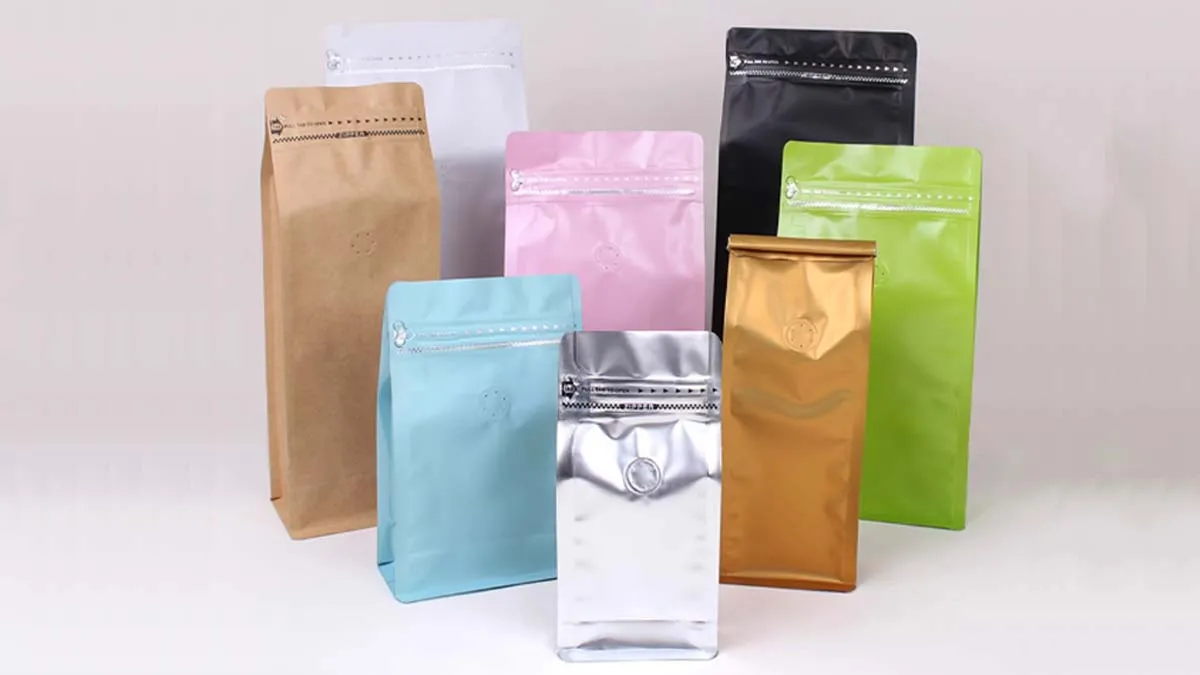
As sustainability becomes a core priority across industries, the question of whether foil coffee bags can be recycled has emerged as a key concern. As a trusted packaging manufacturer with years of experience in the industry, we understand the delicate balance between preserving product freshness and minimizing environmental impact. In this article, we’ll explore the recyclability of foil coffee bags and offer expert insights into the sustainable alternatives available today.
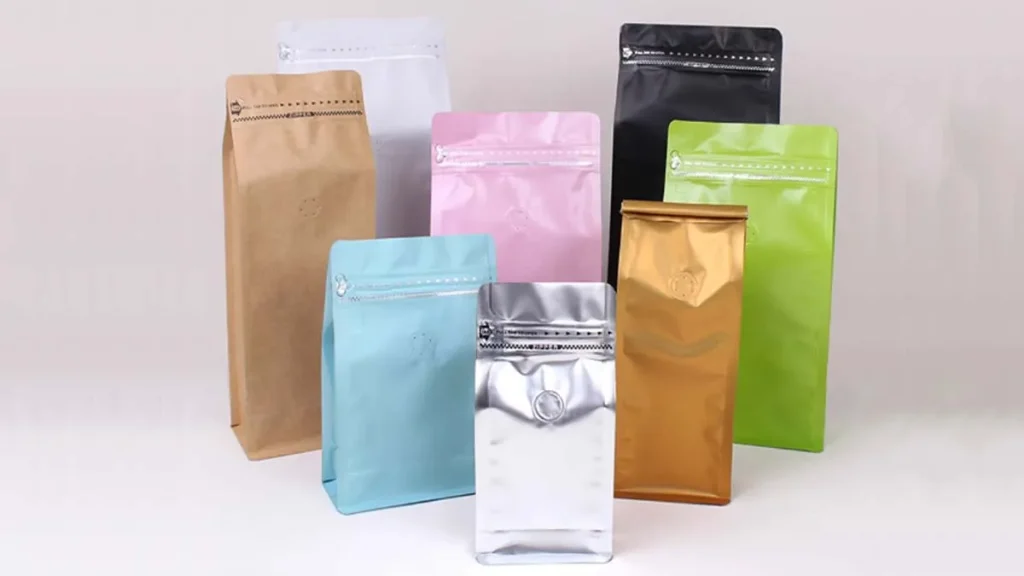
What Are Foil Coffee Bags?
Foil coffee bags are commonly used in the coffee industry due to their excellent barrier properties. Typically made from layers of aluminum foil, plastic, and sometimes paper, these bags effectively protect coffee from light, moisture, and air, preserving its freshness for a longer period.
However, while foil bags offer superior functionality for product protection, they present challenges when it comes to recycling.
Comparison of Coffee Bag Packaging Types
Here’s a comparison between recyclable and non-recyclable coffee packaging options, based on our experience and industry insights:
| Packaging Type | Recyclable | Non-Recyclable | Environmental Impact |
|---|---|---|---|
| Aluminum Foil Coffee Bags | No | Yes | High – difficult to recycle, often ends up in landfills |
| Plastic Coffee Bags (Mono-material) | Yes | No | Low – recyclable plastic, less waste in landfills |
| Compostable Coffee Bags (PLA) | Yes | No | Very low – biodegradable, environmentally friendly |
| Paper Coffee Bags | Yes | No | Low – recyclable and compostable, but not as durable |
As shown in the table, plastic coffee bags and compostable options are both more environmentally friendly than traditional foil bags.
Why Are Foil Coffee Bags Difficult to Recycle?
1. Multi-Layered Construction
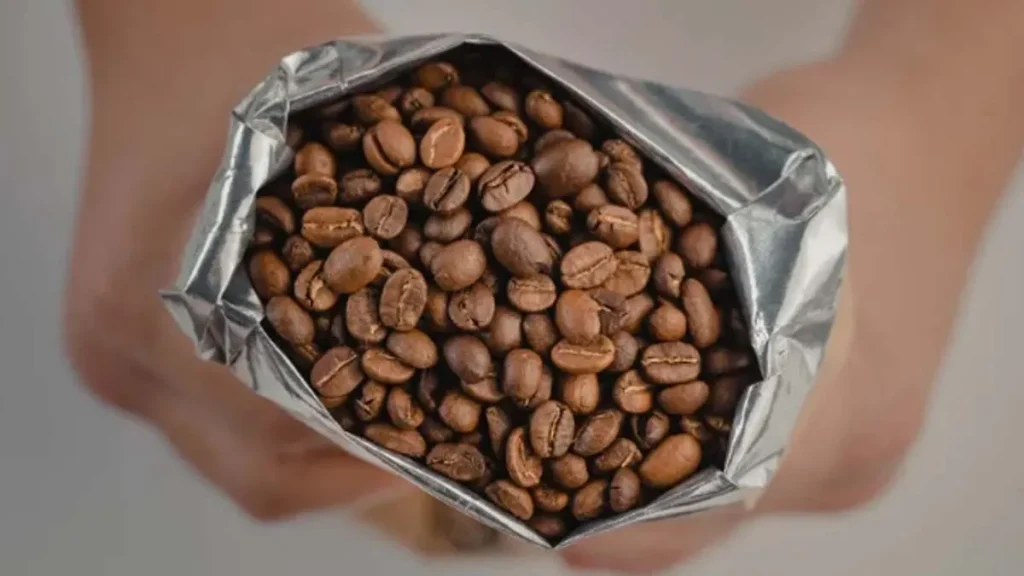
Foil coffee bags consist of multiple layers of materials, often plastic combined with aluminum foil. These different materials are laminated together to form a barrier that prevents oxidation and moisture, but this multi-layer construction makes it difficult for standard recycling systems to separate and process the materials.
2. Contamination Risk
After use, foil coffee bags often contain coffee oils, grounds, and other contaminants. These residues can interfere with the recycling process, leading to contamination and poor-quality recycling outcomes. In most cases, a clean bag is required to ensure the recycling process is effective, but coffee bags are rarely clean enough for this.
3. Limited Recycling Facilities
Though some advanced recycling centers are capable of processing multi-layered materials, they are not widely available. The lack of specialized recycling systems means that, in many areas, foil coffee bags are not accepted by local recycling programs, resulting in bags ending up in landfills or incinerators.
Sustainable Alternatives to Foil Coffee Bags
As the demand for eco-friendly solutions increases, coffee manufacturers and consumers alike are turning to sustainable alternatives to foil coffee bags.
1. Mono-Material Packaging
The simplest solution to the recyclability problem is the use of mono-material packaging. Some coffee brands are shifting toward using recyclable plastic or paper coffee bags. These single-material bags are easier to recycle and have less environmental impact than multi-layered foil bags. For example, some companies are already offering bags made entirely from PET plastic, which can be processed by most recycling facilities.
2. Compostable and Biodegradable Packaging
Another alternative is compostable or biodegradable coffee bags made from plant-based materials like PLA (Polylactic Acid). These materials decompose naturally in composting environments, reducing the overall environmental impact. While these options are still emerging, they represent a promising future for coffee packaging.
3. Recycling Programs & Take-Back Schemes
Some coffee brands and retailers have introduced specialized recycling programs. For instance, certain companies have established drop-off points where used coffee bags can be returned for proper recycling. These programs help ensure that the bags are appropriately processed and do not contribute to landfill waste. As a consumer, it’s worth checking whether your favorite coffee brands offer such schemes.
What Can Consumers Do?
While manufacturers play a key role in offering more sustainable packaging, consumers can also take action to minimize the environmental impact of foil coffee bags.
1. Choose Brands with Eco-Friendly Packaging
As a consumer, one of the most straightforward ways to reduce your environmental impact is by selecting brands that prioritize sustainable packaging. Look for recyclable or compostable coffee bags, and support brands that are making an effort to reduce packaging waste.
2. Opt for Larger Packaging
Buying coffee in bulk or larger quantities can reduce the need for multiple smaller bags, which often contribute to excess packaging waste. If you’re a regular coffee drinker, this can be a simple and effective way to cut down on your overall use of coffee packaging.
3. Repurpose or Reuse Bags
If you cannot recycle your foil coffee bags, consider reusing them for other purposes around the home. Many coffee bags can be repurposed to store non-food items or used for DIY projects. Reusing packaging is a practical way to extend its life cycle and reduce waste.
The Future of Foil Coffee Bags and Sustainable Packaging
As a leading packaging manufacturer, we understand the challenges of creating eco-friendly packaging that balances product protection and environmental responsibility. The future of packaging lies in innovative materials and sustainable practices, and we are committed to helping brands adopt packaging solutions that are both functional and eco-friendly.
Conclusion
In conclusion, foil coffee bags are not easily recyclable due to their multi-layer construction and contamination risks. However, sustainable alternatives such as mono-material plastic bags, compostable packaging, and recycling programs are paving the way for more eco-friendly solutions. By choosing recyclable and compostable packaging, consumers and brands can help reduce packaging waste and contribute to a healthier planet for future generations.
As an experienced packaging manufacturer, we are committed to providing innovative, sustainable packaging that meets the evolving needs of the coffee industry while prioritizing environmental stewardship.
FAQ
Can foil coffee bags be recycled?
Unfortunately, foil coffee bags are generally not recyclable in most standard recycling programs. These bags are made from multi-layer materials, including aluminum foil, plastic, and sometimes paper, which are difficult to separate and process in traditional recycling facilities.
Why can’t foil coffee bags be recycled?
The main challenge with recycling foil coffee bags is their multi-layer construction. Most recycling systems are designed to handle a single material (e.g., paper or plastic), but foil coffee bags are made from laminated layers of plastic and aluminum foil that need to be separated before recycling, which many facilities can’t handle. Additionally, the bags often contain coffee residue, such as oils and grounds, which can contaminate the recycling process.
Do your coffee bags meet regulatory and environmental standards?
Yes, our packaging solutions comply with global environmental standards such as EU regulations and US packaging laws. We ensure that all our products are made from materials that meet food safety guidelines and that they are compatible with recycling programs in various regions. Additionally, our packaging is designed to be certified for compostability and recyclability where applicable.