
When you select coffee, different packaging can make a big difference in how long your beans stay fresh. Ground coffee loses about 60% of its flavor and aroma compounds soon after grinding, so airtight packaging becomes essential. Whole beans need packaging with special valves to release CO2 and protect the bean from air. The table below shows how packaging type and conditions can change taste and quality:
Packaging Type | Storage Temp | Taste Value Change | Sensory Score |
|---|---|---|---|
GrainPro bag | -10 °C | Minimal drop | Highest |
Jute bag | 10 °C | 8% decrease | 79.5 |
Jute bag | 20 °C | 12% decrease | Lower |
Choosing the right packaging helps you keep your coffee’s aroma and flavor at their best.
Why Coffee Freshness Matters
Flavor and Aroma
When you open a bag of coffee, the first thing you notice is the aroma. That rich scent comes from hundreds of natural compounds inside the beans. After roasting, coffee beans start to release carbon dioxide in a process called degassing. This gas helps protect the beans from oxygen, which can quickly damage their flavor and aroma. Over time, usually after two to three months, the beans lose these gases. Oxygen, sunlight, and moisture then begin to break down the organic compounds in coffee. As a result, you may notice a drop in sweetness, a rise in acidity, and a loss of the pleasant aroma that makes coffee so enjoyable.
The period right after roasting, often called the “freshness window,” is when coffee tastes its best. Most roasters print a roast date or a “best by” date on the packaging to help you know when the coffee is at peak quality. If you store your beans in the freezer, especially dark roasts, you can keep the aroma and flavor for a longer time. Research shows that freezing helps preserve the pleasant scent, while room temperature storage leads to faster aroma loss.
Packaging plays a huge role in keeping coffee fresh. Studies show that packaging with strong barrier properties, like aluminum or metallized film, keeps the aroma and flavor better than plastic. When coffee sits in plastic packaging, it can taste bitter or even develop strange flavors because of oxidation and moisture. Multi-layer packaging with aluminum helps block oxygen and moisture, protecting the delicate aroma compounds. Resealable bags and tight seals also help keep your coffee tasting great.
A blind tasting experiment with professional tasters found that coffee stored in aluminum or metallized film had sweeter aromas and better overall flavor than coffee in plastic packaging.
Tasters noticed that coffee in plastic packaging lost its pleasant aroma and developed off-flavors, showing how important packaging is for preserving quality.
Brewing Experience
The way you store and package coffee affects more than just flavor and aroma. It also changes your brewing experience. When coffee loses its freshness, you may notice that your cup tastes flat or bitter. The brewing process relies on the natural oils and gases in the beans. If these are gone, the coffee will not bloom properly, and the taste will suffer.
Packaging design can even influence how you feel about your coffee. For example, cans protect coffee from light and oxygen, which helps keep the flavor strong. Bottles or bags that let in air or light can cause the coffee to lose its aroma and develop unwanted flavors. Research with beer packaging shows similar results: cans keep the drink fresher and improve the overall experience, while bottles can let in light and air, leading to flavor changes.
Tip: Always check the packaging for features like one-way valves, resealable closures, and strong barrier materials. These details help you keep your coffee beans fresh and your brewing experience enjoyable.
When you choose coffee with the right packaging, you protect the quality, aroma, and taste from the moment you open the bag to the last cup you brew.
Coffee Degradation
Oxygen Exposure
Oxygen is one of the biggest threats to coffee freshness. When you open a bag of beans or powder, oxygen starts to react with the oils and aroma compounds. This process, called oxidation, breaks down the flavors and causes staleness. You might notice your coffee tastes flat or even rancid after a few weeks. Ground powder is especially vulnerable because its larger surface area lets more oxygen in. Even if you use airtight packaging, some oxygen will always find its way inside.
Here is how oxygen affects your coffee:
Statistic / Finding | Description |
|---|---|
Oxidation susceptibility | Aroma compounds in freshly roasted coffee are highly susceptible to oxidation and degrade quickly upon oxygen exposure. |
Hexanal formation | Hexanal, an oxidation product, is immediately generated in unprotected roasted coffee. |
Shelf life extension | Reducing oxygen concentration to 0.5% in packaging can increase coffee shelf life by 20 times. |
Degradation rate increase | Each 1% increase in oxygen concentration raises the degradation rate by 10%. |
Staling acceleration | Oxygen causes nearly a 20-fold acceleration in staling compared to 0% oxygen. |
You can slow this process by storing your beans or powder in sealed containers. Always look for packaging that limits oxygen exposure. Remember, even a small amount of oxygen can speed up the loss of flavor.
Light and Moisture
Light and moisture also play a major role in coffee degradation. When you store beans or powder in clear containers or leave them exposed to sunlight, light breaks down the delicate compounds that give coffee its aroma and taste. Moisture is just as harmful. If your beans or powder absorb water from the air, they lose their natural oils and become stale. High moisture can even cause mold growth.
Parameter/Factor | Relationship/Effect | Statistical Evidence/Notes |
|---|---|---|
Moisture content | Positively correlated with water activity | Correlation coefficient: 0.95 (p < 0.01) |
Moisture content | Negatively correlated with phenolic compounds | Correlation coefficient: -0.87 (p < 0.05) |
Water activity | Negatively correlated with antioxidant capacity | Correlation coefficient: -0.99 (p < 0.001) |
Drying method (Sun drying) | Causes darker beans due to prolonged exposure to heat, light, oxygen | Luminosity difference: 4.67% decrease in L* value compared to controlled drying |
Sensory quality | Influenced by drying method, linked to chemical composition changes due to moisture and oxidation | CoffeeDryer method scored higher in aroma and sensory attributes compared to sun drying |
Tip: Store your coffee in a cool, dark place. Use opaque, airtight packaging to protect both beans and powder from light and moisture.
Time and Staleness
Time is another factor you cannot ignore. As soon as you roast beans or grind them into powder, the clock starts ticking. Over time, the natural compounds in coffee break down. Strecker degradation, a chemical reaction, happens not only during roasting but also slowly at room temperature. This process causes flavor loss in both green and roasted coffee. Antioxidants in coffee, like chlorogenic acid, help slow this reaction, but they cannot stop it completely.
You will notice that powder loses its freshness much faster than whole beans. The increased surface area of powder allows more oxygen, light, and moisture to reach the coffee. Even with the best packaging, you should use your coffee as soon as possible for the best taste.
Strecker degradation continues during storage, leading to flavor loss.
Antioxidants in coffee slow down this process but do not prevent it.
Light and medium roasts contain more flavor compounds, but these degrade over time.
Fast roasting and high temperatures can create unique aromas, but these also fade with time.
If you want to enjoy the best cup, pay attention to how long your beans or powder have been stored. Always check the roast date and use your coffee within a few weeks for peak freshness.
Different Packaging for Coffee
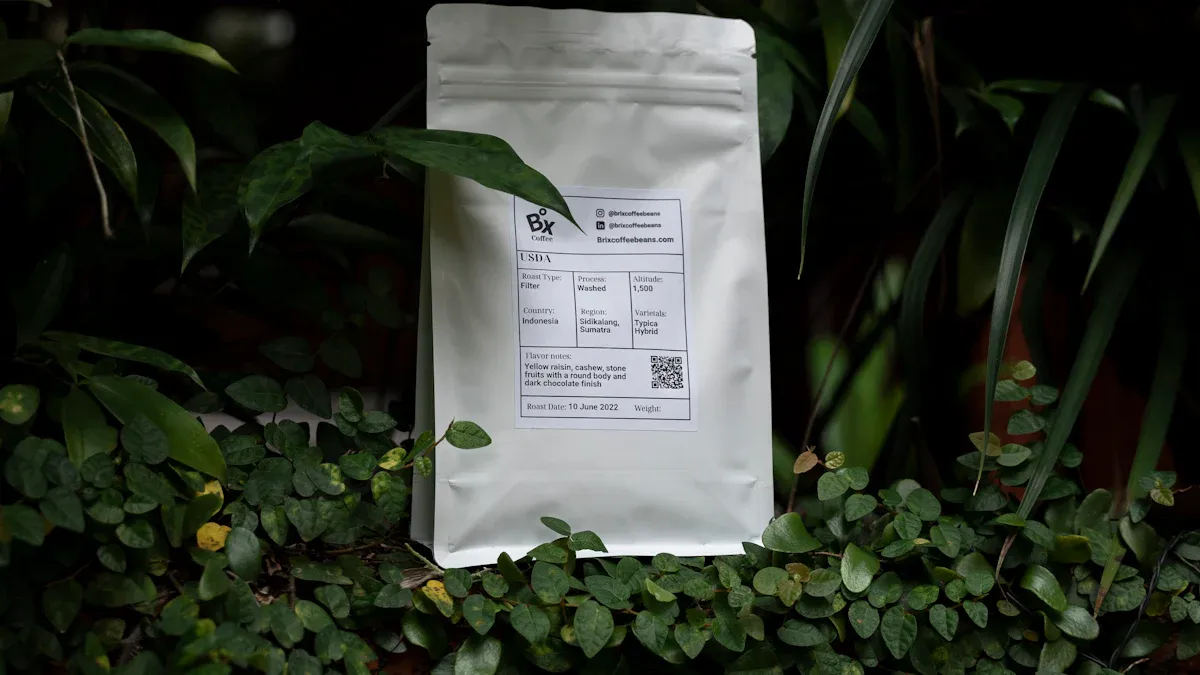
When you shop for coffee, you will notice many different packaging solutions on the shelves. Each packaging type plays a key role in keeping your beans or ground coffee fresh and flavorful. The right packaging protects your coffee from air, light, and moisture, which can quickly ruin its taste. Let’s look at how packaging solutions differ for whole bean coffee and ground coffee, and what features you should look for.
Whole Bean Coffee Packaging
Whole bean coffee needs packaging that balances protection and freshness. After roasting, beans release carbon dioxide. If you trap this gas, the bag can swell or burst. If you let in too much air, the beans lose flavor. That’s why you often see special packaging solutions for whole beans.
Common packaging types for whole bean coffee include:
Most of these bags use multi-layer materials to block light and moisture. You will often find one-way degassing valves on these bags. These valves let carbon dioxide escape while stopping oxygen from getting in. This keeps your beans fresh and prevents staling. Without a valve, coffee can taste stale or metallic after just a few days.
Many packaging solutions for whole bean coffee also include resealable closures. Zippers or Velcro strips let you seal the bag tightly after each use. This reduces oxygen exposure and keeps the aroma locked in. A survey found that over 40% of people think resealable packaging is essential for freshness. Resealable bags also help you avoid spills and waste.
Some brands use eco-friendly packaging solutions, such as recyclable or biodegradable bags. These options help reduce waste and appeal to customers who care about the environment.
Tip: Look for whole bean coffee in bags with a degassing valve and a resealable closure. These features keep your beans fresher for longer and make storage easier.
Ground Coffee Packaging
Ground coffee loses its flavor much faster than whole beans. The grinding process increases the surface area, so air and moisture can reach more of the coffee at once. Because of this, ground coffee needs stricter packaging solutions to slow down flavor loss.
You will find several packaging types for ground coffee:
Vacuum-sealed bricks
Cans
Pillow pouches
Single-serve pods
Stand-up or flat-bottom bags
Vacuum-sealed bags remove most of the air before sealing. This slows down oxidation and helps ground coffee stay fresh for up to three months. Cans and pods also protect ground coffee from air and light. Pods offer single servings, which means you only open what you need, keeping the rest fresh.
Market research shows that bags remain the most popular packaging for ground coffee. Bags are easy to open, reseal, and store. They are also cost-effective and can be made from recyclable or biodegradable materials. Many companies now use eco-friendly packaging solutions to meet customer demand.
Testing shows that ground coffee degrades much faster than whole beans. Ground coffee can lose its best flavor within one or two days if exposed to air, while whole beans can last weeks or even months. This makes the choice of packaging solutions even more important for ground coffee.
Note: Always choose ground coffee in airtight packaging. Look for vacuum-sealed bags, cans, or pods to keep your coffee tasting fresh.
Comparing Packaging Types
Here’s a quick comparison of common packaging types for both whole bean and ground coffee:
Packaging Type | Best For | Key Features | Freshness Protection |
|---|---|---|---|
Stand-up pouch | Whole bean/ground | Resealable, valve option | High |
Flat-bottom bag | Whole bean/ground | Stable, resealable, valve | High |
Side-gusset bag | Whole bean/ground | Valve, large capacity | High |
Pillow pouch | Ground | Simple, less protective | Medium |
Vacuum-sealed brick | Ground | Airtight, compact | High |
Can | Ground | Light-proof, airtight | High |
Pod | Ground | Single-serve, sealed | Very High |
Key Packaging Features
Degassing valves let carbon dioxide out but keep oxygen from entering. This protects aroma and flavor, prevents swelling, and keeps the bag looking good.
Resealable closures, like zippers or Velcro, help you keep coffee fresh after opening. They also make storage easier and reduce waste.
Eco-friendly packaging solutions, such as recyclable or compostable bags, help protect the environment and meet growing consumer demand.
You can see that different packaging solutions offer unique benefits for whole bean coffee and ground coffee. Choosing the right packaging type and features will help you enjoy fresher, better-tasting coffee every time.
Whole Bean Coffee Packaging
Valve Bags
Valve sealed bags play a key role in keeping your coffee fresh. After roasting, beans release carbon dioxide. If you trap this gas, the bag can swell or even burst. Valve sealed bags solve this problem. The one-way degassing valve lets carbon dioxide escape but blocks oxygen from entering. This simple feature protects the flavor and aroma of your coffee. You get a longer shelf life and better taste in every cup.
Most coffee packaging for beans uses multi-layer materials. These layers block light and moisture, which can damage your coffee. When you choose valve sealed bags, you help your coffee stay fresh for weeks. Many roasters use these packaging solutions because they work well and are easy to use.
Tip: Always look for valve sealed bags when you buy coffee. This small detail makes a big difference in freshness.
Nitrogen-Flushed Bags
Nitrogen-flushed bags take coffee packaging to the next level. In this process, the air inside the bag gets replaced with nitrogen gas. Nitrogen is heavier than oxygen and does not react with coffee oils or aroma compounds. This slows down oxidation, which is the main cause of staleness.
The combination of nitrogen flushing and a one-way valve keeps your coffee safe from oxygen. Scientific studies show that unopened nitrogen-flushed bags keep coffee fresh for 8–12 weeks. In comparison, airtight opaque containers only keep coffee fresh for 3–4 weeks, and glass jars on the counter last just 5–7 days. Once you open a nitrogen-flushed bag and reseal it, your coffee stays fresh for another 2–3 weeks.
Storage Method | Shelf Life (Days) |
|---|---|
Unopened nitrogen-flushed bag | 56–84 |
Airtight opaque container | 21–28 |
Glass jar on counter | 5–7 |
Opened nitrogen-flushed bag | 14–21 |
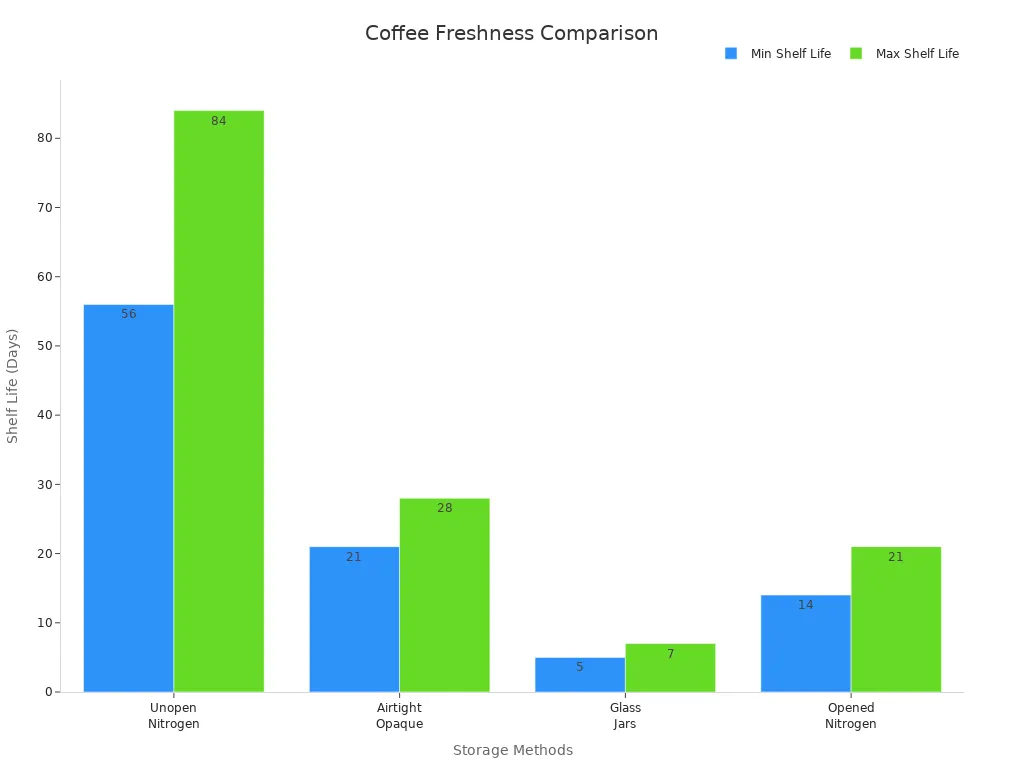
Nitrogen-flushed packaging solutions, paired with valve sealed bags, give you the best protection against staleness. You get more time to enjoy your coffee at its peak.
Resealable Options
Resealable packaging helps you keep your coffee fresh after opening. Many bags now come with zippers or Velcro strips. You can close the bag tightly each time you use it. This reduces oxygen exposure and keeps the aroma locked in.
Resealable bags are part of modern coffee packaging solutions. They make storage easy and help prevent spills. You also waste less coffee because you can keep it fresh longer. When you combine resealable features with valve sealed bags and nitrogen flushing, you get the best results.
Note: Choose packaging that offers resealable closures. This simple step helps you enjoy every cup of coffee at its best.
Ground Coffee Packaging
Vacuum-Sealed Bags
Vacuum sealed bags play a vital role in keeping ground coffee fresh. When you grind coffee beans into powder, you increase the surface area exposed to air. This makes powder much more vulnerable to oxygen and moisture. Vacuum sealed bags remove almost all the air before sealing, creating a tight barrier that blocks oxygen and water vapor. This slows down oxidation and staleness, helping you enjoy the taste of freshly ground coffee for much longer.
Take a look at how vacuum sealed bags compare to traditional packaging:
Storage Condition | Traditional Packaging Shelf Life | Vacuum-Sealed Packaging Shelf Life |
|---|---|---|
Pantry | 1-2 months | 5-6 months |
Freezer | 4-6 months | Up to 2 years |
Vacuum sealed bags extend the shelf life of powder by several months. You can store ground coffee in the pantry or freezer and still expect great flavor. By blocking oxygen and moisture, vacuum sealed bags help you keep your coffee tasting fresh for up to a year or more.
Tip: Always choose vacuum sealed bags for powder if you want to maximize freshness and shelf life.
Cans and Pods
Cans and pods offer another set of packaging solutions for ground coffee. Cans use metal walls to block light and air, while pods seal single servings of powder in airtight capsules. Both options protect powder from oxygen and moisture, which are the main causes of flavor loss.
Recent studies show that pods and capsules made with advanced oxygen barrier films keep oxygen levels below 2% during storage. This slows down the breakdown of key aroma compounds in powder. Sensory tests found that coffee stored in these pods and cans kept high aroma and flavor scores for up to 180 days at room temperature. The use of one-way valves in some capsules lets carbon dioxide escape without letting oxygen in, which further preserves aroma.
Parameter | Standard Packaging (STD) | Alternative Packaging (ALT) | Notes |
|---|---|---|---|
Oxygen Level in Pods | Increased over time, >2% | Maintained below 2% during storage | ALT film shows better oxygen barrier |
Sensory Acceptability Score | Pods: ~8/9; Capsules: ~7/9 | Similar scores | No significant difference up to 180 days |
Pods and cans make it easy to keep powder fresh, especially if you only use a little at a time. You open one pod or scoop from a can, and the rest stays sealed.
Airtight Materials
Airtight materials are essential for preserving the quality of ground coffee. Research shows that oxygen exposure speeds up the loss of freshness, especially at higher temperatures. Packaging made from thick aluminum layers or other airtight materials blocks oxygen from reaching the powder. This prevents oxidation and helps keep the aroma and flavor locked in.
Some packaging even includes oxygen scavengers inside the bag. These small packets absorb any leftover oxygen, giving you an extra layer of protection. For long-term storage, you should use airtight, non-absorbent containers made of metal, ceramic, or glass. These materials keep powder safe from air, moisture, and light, all of which can damage coffee.
Note: Airtight packaging solutions are not just for storage. They are your best defense against staleness and flavor loss in powder.
When you choose vacuum sealed bags, cans, pods, or airtight containers, you give your ground coffee the best chance to stay fresh. These packaging solutions protect powder from the main threats—oxygen, moisture, and light—so every cup tastes as good as possible.
Coffee Packaging Materials
Barrier Properties
When you choose coffee, the material of the packaging makes a big difference in how long your coffee stays fresh. Barrier properties describe how well a material blocks out moisture, oxygen, and light. These factors can quickly ruin the flavor and aroma of your coffee.
You will find several materials used in coffee packaging:
Aluminum foil offers almost perfect protection against moisture, oxygen, and light. Studies show that it has nearly zero water vapor and oxygen transmission rates, making it one of the best choices for preserving coffee freshness.
Kraft paper is often used as an outer layer. On its own, it does not block moisture or air well, so companies line it with other materials to improve its barrier properties.
LDPE (low-density polyethylene) provides good moisture resistance and helps seal the package tightly.
PET (polyethylene terephthalate) is strong and durable. It blocks both gas and moisture, which helps keep coffee fresh.
PLA (polylactic acid) is a biodegradable option. It offers good moisture protection and supports sustainability goals.
Rice paper is biodegradable and porous. It works best when combined with other materials for better barrier performance.
Multi-layer laminated bags combine these materials to create strong, protective packaging.
A 15-month study compared jute sacks and HDPE bags for storing green coffee beans. The results showed that HDPE bags kept the beans’ moisture content within commercial standards much better than jute sacks. This means HDPE packaging works well for long-term storage.
Empirical studies also show that multi-layer films with aluminum foil can sometimes lose strength over time. For example, the bond between the aluminum layer and the sealant can weaken after several weeks. Even so, these multi-layer films still offer better packaging performance than single-layer options.
If you want your coffee to stay fresh, look for packaging that uses strong barrier materials. These materials help protect both whole bean and ground coffee, but ground coffee needs even stricter protection because it loses freshness faster.
Eco-Friendly Trends
Sustainability has become a top priority in the coffee industry. You now see more brands using eco-friendly packaging to reduce their impact on the environment. The global sustainable packaging market is growing quickly, and many coffee companies are leading the way.
Here are some current trends in sustainable coffee packaging:
Major brands like Starbucks and Peet’s Coffee use compostable materials such as plant-based plastics and paper.
Companies now offer minimalist designs and recyclable bags to appeal to environmentally conscious customers.
New products include mono-material pouches, biodegradable films, and lightweight recyclable containers.
Some brands use post-consumer recycled content or renewable resources to make their packaging.
Coffee shops and roasters choose compostable cups and bags to support sustainability.
Many companies highlight their commitment to sustainability on their packaging, which helps build trust with customers.
You may notice that sustainable packaging sometimes costs more or faces supply chain challenges. However, the demand for sustainability continues to rise. Choosing eco-friendly packaging helps reduce waste and supports a healthier planet. When you pick coffee with sustainable packaging, you support both freshness and environmental responsibility.
Tip: Look for labels like “compostable,” “recyclable,” or “made from renewable resources” when you buy coffee. These choices help you support sustainability and enjoy great coffee at the same time.
Choosing the Best Coffee Packaging
Tips for Whole Bean Coffee
When you buy whole bean coffee, the right packaging makes a big difference in quality and convenience. You want to keep your beans fresh and flavorful for as long as possible. Here are some practical tips:
Choose bags with one-way degassing valves. These valves let carbon dioxide escape but stop oxygen from getting in. This keeps your coffee from going stale and prevents the bag from swelling.
Look for airtight seals. A tight seal locks in flavor and blocks out air, which can cause oxidation and loss of aroma.
Pick opaque packaging. Light breaks down the delicate oils in coffee, so bags that block UV rays help protect quality.
Select foil-lined or multi-layered bags. These materials offer strong barriers against moisture, heat, and air, keeping your beans safe.
Avoid paper bags. Paper lets air and moisture in, which can quickly ruin freshness.
Store your coffee in a cool, dark place after opening. Transfer beans to an airtight, opaque container if possible.
Tip: Many consumers now prefer recyclable or compostable bags for both freshness and sustainability. Bags and pouches made from paper and aluminum are popular because they balance protection and eco-friendliness.
Tips for Ground Coffee
Ground coffee needs even stricter packaging to maintain quality and convenience. The fine texture exposes more surface area to air, so freshness fades quickly. Follow these tips:
Buy ground coffee in vacuum-sealed bags. Vacuum sealing removes air and slows down staleness.
Look for packaging with oxygen absorber pads. These pads help reduce oxygen inside the bag, keeping your coffee tasting fresh.
Choose opaque, airtight bags with one-way valves. This combination blocks light and lets gases escape without letting air in.
Keep coffee in its original packaging until you open it. The original bag helps maintain the right level of carbon dioxide, which protects against oxidation.
For long-term storage, divide your coffee into smaller vacuum-sealed bags. Store some at room temperature and some in the freezer, but avoid repeated freezing and thawing.
Never store ground coffee in the refrigerator. High moisture can cause the coffee to absorb water and lose quality.
Note: Grinding coffee just before brewing gives you the best flavor. If you buy pre-ground coffee, always choose packaging that protects against air, moisture, and light.
Custom Packaging Benefits
Custom packaging offers more than just protection for your coffee. It also brings convenience and helps brands stand out. Many companies now use custom printed bags and pouches with features like degassing valves, resealable zippers, and high-barrier films. These features keep your coffee fresh and make it easy to use every day.
Brand | Packaging Innovation | Consumer Impact / Outcome |
|---|---|---|
Starbucks | Recyclable, compostable materials; resealable bags | 63% of consumers value sustainability and premium quality |
La Colombe | Reusable, stackable fridge packs | 40% increase in brand loyalty; appeals to convenience |
Nespresso | Recyclable aluminum capsules with recycling program | 54% prefer premium, eco-conscious options |
Custom packaging also supports consumer convenience. You get easy-open features, single-serve pods, and attractive designs. Brands can launch seasonal products or special blends with unique packaging, making your coffee experience more enjoyable. Many consumers are willing to pay more for high-quality, fresh-roasted coffee in innovative packaging that fits their lifestyle.
Callout: Custom packaging helps preserve quality, supports sustainability, and adds convenience to your daily coffee routine.
You need different packaging for whole bean and ground coffee to keep quality and freshness at their peak. Whole beans benefit from one-way valve bags that let CO2 escape and block oxygen, while ground coffee stays fresher in vacuum-sealed or resealable bags. Experts recommend using waterproof, resealable packaging and always checking the roast date. Our custom bags use high-barrier materials and smart features to help you enjoy coffee with the best flavor and quality every time.
Choose packaging that protects your coffee and supports your daily brewing ritual.
FAQ
How long does whole bean coffee stay fresh in its original packaging?
You can expect whole bean coffee to stay fresh for up to four weeks if the bag has a one-way valve and airtight seal. For best results, use the beans within two weeks of opening.
Does freezing coffee affect its flavor?
Freezing coffee can help preserve freshness. You should store beans or ground coffee in an airtight container. Avoid repeated thawing and refreezing, as this can cause moisture buildup and flavor loss.
What is a degassing valve, and why does it matter?
A degassing valve lets carbon dioxide escape from freshly roasted beans while blocking oxygen from entering. This feature helps you keep your coffee fresh and prevents the bag from bursting.
Can I reuse coffee packaging for storage?
You can reuse resealable bags or airtight containers for short-term storage. Make sure the packaging is clean and dry. For long-term storage, use new, airtight containers to prevent contamination.
How do I know if my coffee has gone stale?
You may notice a flat or bitter taste, weak aroma, or dull color. Stale coffee often loses its pleasant scent and flavor. Always check the roast date and use coffee within a few weeks for the best experience.
Are eco-friendly coffee bags as effective as traditional ones?
Many eco-friendly bags now use advanced barrier materials. These can protect your coffee as well as traditional packaging. Look for compostable or recyclable bags with airtight seals and strong barrier layers.
Should I store coffee in the refrigerator?
You should avoid storing coffee in the refrigerator. The fridge exposes coffee to moisture and odors, which can ruin flavor. Store your coffee in a cool, dark, and dry place instead.
What packaging features should I look for when buying coffee?
Look for these features:
One-way degassing valve
Airtight resealable closure
Opaque, multi-layer barrier material
Clear roast or best-by date
These features help you keep your coffee fresh and flavorful.