

You might wonder, does coffee stunt your growth? Scientists have found no evidence that coffee affects how tall you become.
Most people finish growing before they start drinking coffee.
Genetics and overall health, not coffee, decide your height.
Studies show no difference in bone health between teens who drink coffee and those who do not.
Many believe the myth because kids often reach their final height just as they begin enjoying coffee. Packaging like BN PACK’s coffee bags keeps your coffee fresh but has no effect on your growth.
Does Coffee Stunt Your Growth
The Myth Explained
You may have heard the question, does coffee stunt your growth, from parents, teachers, or even friends. This idea has a long history. In the early 1700s, people in Germany believed that coffee could make women sterile. Later, in the late 19th century, a company called Postum ran ads that warned parents about the dangers of coffee consumption for children. These ads claimed that coffee could stunt your growth and even showed pictures of children who supposedly never reached their full height because they drank coffee.
Postum advertisements often included statements like, “Held back by Coffee … this boy never had a fair chance.”
The ads suggested that coffee consumption could rob children of their energy and prevent proper development.
Many people accepted these claims because they saw them in newspapers and magazines. The message spread quickly, and soon, the idea that coffee could stunt your growth became a common belief.
Why People Believe It
You might wonder why the question, does coffee stunt your growth, still comes up today. The answer lies in how powerful advertising and popular media can be. In the late 1800s, C.W. Post, the creator of Postum, used strong warnings in his marketing. He told parents that coffee consumption could harm children’s development and even take away their vitality. These messages made many families worry about letting kids drink coffee.
Some people also believe that caffeine, found in coffee, might affect how you grow. Scientists have studied this idea. They found that caffeine can change sleep patterns and mood, especially if you drink a lot. Poor sleep can affect how your body grows and develops. However, at lower amounts, caffeine may help you feel more alert and focused.
Research shows no strong scientific proof that coffee consumption will stunt your growth.
Caffeine might slightly reduce how much calcium your body absorbs, but this effect is very small.
The belief that coffee can stunt your growth does not have real scientific support.
If you still ask, does coffee stunt your growth, remember that most experts agree: coffee consumption does not stop you from reaching your full height. The myth continues because of old ads and misunderstandings about caffeine.
Scientific Evidence on Caffeine and Growth

Research Findings
You might wonder what researchers have discovered about caffeine and growth. Scientists have conducted many studies to find out if drinking coffee or other caffeinated drinks affects how tall you become. They use special methods to track changes in height and weight over time. One common approach is the Jenss-Bayley growth curve model. This model helps researchers measure growth at different ages and compare results between people who drink caffeine and those who do not.
Researchers use this data to look for patterns between caffeine and growth. Most studies show no link between caffeine and stunted growth in children or teens. You can see that scientists collect a lot of information before making any claims. This careful process gives you confidence in the scientific evidence.
Expert Consensus
Doctors and health experts have reviewed the available evidence on caffeine and growth. They want to make sure you get the right information. Pediatricians have studied how caffeine affects bone health and height. Their findings show that moderate caffeine intake does not harm your growth if you eat a healthy diet.
Here is a table that summarizes what experts have found:
Study Reference | Findings |
|---|---|
Berkey et al. (1998) | No significant difference in bone development between caffeine drinkers and non-drinkers. |
Heaney (2002) | Caffeine slightly increases calcium excretion, manageable with adequate calcium intake. |
Rapuri et al. (2001) | Moderate caffeine consumption does not significantly affect bone mineral density with adequate calcium. |
The World Health Organization (WHO) recommends that pregnant women limit their caffeine intake to less than 300 mg per day to reduce the risk of pregnancy loss and low birth weight neonates. Excessive caffeine intake during pregnancy has been associated with growth restriction and reduced birth weight.
You should know that most concerns about caffeine and growth come from studies on pregnancy, not from research on children or teens. Health organizations focus on pregnancy because high caffeine intake can affect fetal growth. For children and teens, the scientific evidence does not show a strong connection between caffeine and growth problems.
Caffeine clearance from the mother’s blood slows significantly during pregnancy.
High caffeine intake in the third trimester may be a risk factor for fetal growth restriction, especially for male fetuses.
Observational studies suggest a link between high caffeine intake and poor fetal outcomes, including low birth weight and preterm birth.
You can see that experts agree: for most young people, moderate caffeine intake does not stunt growth. The scientific evidence supports this view. If you eat a balanced diet and get enough calcium, you do not need to worry about coffee stopping your growth.
What Really Determines Growth
Genetics and Height
You might wonder why some people grow taller than others. Genetics play a major role in how much you grow. Your DNA contains instructions that guide your body’s development. Scientists have found that hundreds of gene variants work together to influence height. Some genes affect the cartilage in your growth plates, which helps your bones lengthen as you get older.
Height depends on a mix of genetic variants, each with a small effect.
Over 700 gene variants connect to height.
Certain variants help cartilage in growth plates, supporting growth.
Researchers discovered that 12,111 common single nucleotide polymorphisms (SNPs) relate to height. These SNPs explain about 40% of height differences in people with European ancestry. For other groups, they account for 10-20% of variation. You cannot change your genes, so your family history has a strong influence on how tall you become. Genetics set the foundation for your development, but other factors also matter.
Nutrition and Sleep
Nutrition and sleep shape how children and teens grow. Eating enough high-quality protein helps you reach your full height. Nutrition has a bigger impact after birth than before. If you eat more protein during childhood and adolescence, you are more likely to grow taller, especially if you are a girl. Iron also supports development. If you do not get enough iron, you may experience stunting and lower cognitive function.
Nutrition matters most during childhood and adolescence.
High-quality protein helps you achieve optimal height.
More protein links to increased adult height, especially in girls.
Adolescents gain 20% of their final height during this phase.
Iron deficiency can cause stunting and affect brain development.
Sleep is another key factor for supporting growth. When you sleep, your body releases growth hormone and repairs tissues. Sleep also helps your immune system and brain function. The table below shows how sleep supports different parts of development:
Aspect of Development | Role of Sleep |
|---|---|
Physical Growth | Sleep is essential for growth hormone release and a strong immune system. |
Cognitive Function | Sleep consolidates memories and strengthens neural connections, leading to better academic performance. |
Emotional Regulation | Adequate sleep helps manage emotions and reduces the risk of anxiety and behavioral problems. |
Children and teens need different amounts of sleep as they grow. The chart below shows recommended sleep durations for each age group:
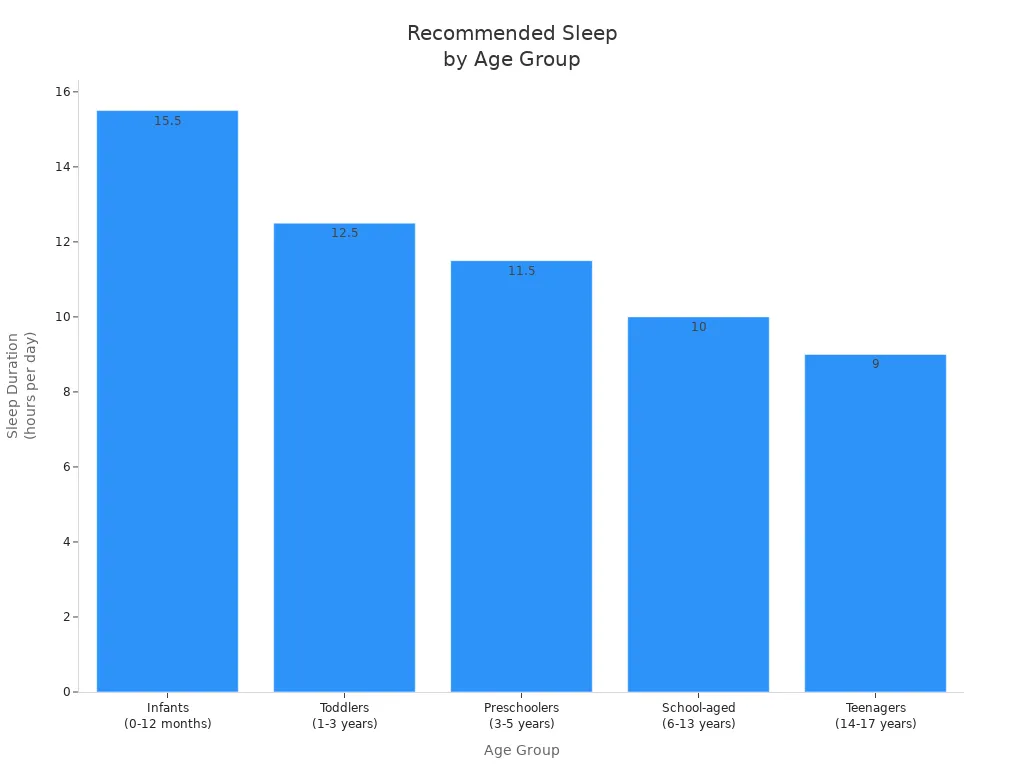
If you eat well and get enough sleep, you give your body the best chance to develop properly and influence height. Genetics, nutrition, and sleep all work together to help children and teens reach their full potential.
Coffee, Bone Health, and Stunt Your Growth Concerns
Calcium Absorption
You may have heard that caffeine can affect how your body uses calcium, which is important for bone growth. Scientists have studied this topic and found that caffeine has only a small effect on calcium absorption. If you drink beverages with caffeine, your body may lose a little more calcium through urine. You can see how these effects work:
Caffeine slightly reduces how much calcium your intestines absorb.
You may lose more calcium in your urine when you consume caffeine.
The negative impact of caffeine on calcium absorption is very small if you get enough calcium in your diet.
The effect of caffeine on calcium metabolism depends on how much you consume.
People who meet their daily calcium needs do not face risks from caffeine.
You can support bone growth by eating enough calcium-rich foods. Here is a table showing how much calcium you need each day:
Age (years) | Calcium Need (mg per day) | Servings of Low-fat Dairy Products to Meet Need |
|---|---|---|
4–8 | 800 | 3 |
9–18 | 1,300 | 4 |
If you meet these recommendations, caffeine will not stunt your growth or harm your bones.
Bone Health Myths
Many people worry that coffee can weaken bones or cause osteoporosis. You might hear claims that drinking coffee will stunt your growth or damage bone health. Scientific studies show that these fears are not supported by evidence. Researchers have looked at bone mineral density in different groups and found no link between caffeine intake and poor bone growth.
Study | Findings |
|---|---|
Demirbag et al. | No significant effect of premenopausal coffee consumption on BMD in postmenopausal women. |
Harter et al. | No association between caffeine intake and bone mass changes in Brazilian perimenopausal women. |
Liao et al. | No association between caffeine and BMD after adjusting for covariates (Beta = -0.012; P = 0.54). |
Coffee contains helpful compounds like flavonoids and potassium. These nutrients may support bone growth by reducing inflammation and acting as antioxidants. Chlorogenic acid in coffee can help your bones by encouraging new bone cells and stopping bone breakdown.
Studies in children and teens show no causal relationship between caffeine and bone mineral density. For example, an observational study found no link between caffeine and bone growth in young people. Another study in Korean women found no significant association between coffee and bone mineral density. Moderate coffee consumption may even lower the risk of osteoporosis, according to a large UK study.
You can enjoy coffee without worrying that it will stunt your growth or harm your bones. Eating enough calcium and following healthy habits will help you build strong bones.
Is Coffee Safe for Kids and Teens
Caffeine Effects
You may wonder if caffeine in children and adolescents is safe. Health experts agree that you should pay close attention to how much caffeine you consume. The American Academy of Pediatrics advises that children under 12 should avoid caffeine entirely. For adolescents aged 12 to 18, the recommended limit is no more than 100 mg of caffeine per day. This amount equals a small cup of coffee or a can of soda.
Children under 12 should not consume caffeine.
Adolescents aged 12 to 18 should limit caffeine intake to 100 mg daily.
Caffeine effects on the developing brain and body can be serious. There are no safe dosages of caffeine in children. You will not see positive effects on brain or social development. Excessive caffeine in children and adolescents can cause tachycardia and high blood pressure. Caffeine consumption may lead to mood swings, depression, and anxiety. Dr. Broussard explains that caffeine can inhibit synapse growth in the brain, which affects learning and development.
Tip: If you are a teen, keep track of how much caffeine you get from coffee, soda, tea, and energy drinks. Staying within the recommended limits helps protect your health.
Side Effects to Watch
Caffeine in children and adolescents can cause many side effects. You may notice symptoms if you consume too much caffeine. In one study, 68% of participants reported at least one symptom from caffeine use or withdrawal. The most common symptoms included:
Caffeine cravings (24%)
Frequent urination (21%)
Difficulty falling asleep (18%)
Feeling anxious (3.3%)
Other side effects of caffeine in children and adolescents include:
Anxiety
Dehydration
Diarrhea
Heart palpitations
High blood pressure
Increased heart rate
Insomnia
Jitters
Nausea
Restlessness
Caffeine addiction and withdrawal symptoms such as headaches and agitation
You may experience nervousness, jitteriness, and withdrawal symptoms like headache, drowsiness, and fatigue. Moderate to high doses of caffeine (100–400 mg) increase these risks for adolescents. Emergency department visits for caffeine-related issues among middle and high school students nearly doubled from 2017 to 2023. In 2023, poison control centers saw a 24% rise in calls about young people reacting to energy drinks.
Here is a table showing common caffeine effects in children and adolescents:
Symptom | Frequency (%) |
|---|---|
Caffeine cravings | 24 |
Frequent urination | 21 |
Difficulty sleeping | 18 |
Feeling anxious | 3.3 |
You should watch for fast or irregular heartbeat, elevated blood pressure, anxiety, and sleep loss. The effects of caffeine on children can be unpredictable. If you notice these symptoms, consider reducing your caffeine consumption.
Coffee Bags and Freshness by BN PACK
How Packaging Preserves Quality
You want your coffee to taste fresh every time you open the bag. BN PACK’s coffee bags use smart packaging features to protect flavor and aroma. The design blocks oxygen, moisture, and light, which can spoil coffee. High-quality materials keep the beans at their best. Degassing valves let carbon dioxide escape without letting oxygen in. Airtight seals stop harmful elements from reaching your coffee. These features work together to keep your coffee fresh for longer.
Here is a table showing how each feature helps preserve freshness and aroma:
Feature | Contribution to Freshness and Aroma |
|---|---|
Blocks oxygen, moisture, and light | |
Barrier Properties | Stops contaminants from entering |
Degassing Valves | Releases CO₂, keeps oxygen out |
Airtight Seals | Protects from harmful elements |
Maintains peak freshness |
Degassing valves and resealable zippers play a big role in keeping coffee fresh. You benefit from these features in several ways:
Degassing valves let carbon dioxide escape, preventing staleness and keeping flavor strong.
Resealable zippers allow you to open and close the bag without exposing coffee to air, reducing oxidation.
One-way valves manage gas release and block moisture or oxygen, so your coffee stays fresh.
Eco-Friendly Coffee Bag Options
You care about the environment and want packaging that matches your values. BN PACK offers eco-friendly coffee bags made from biodegradable and recyclable materials. These options help reduce waste and support a cleaner planet. Hermetic packaging extends shelf life, which means less material waste and fewer repackaging needs. You also help lower carbon emissions by minimizing product loss during transport.
Eco-friendly coffee bags offer many benefits:
Biodegradable bags break down naturally, leaving less waste behind.
Recyclable bags use mono-materials, making recycling easier.
Compostable and plant-based laminates promote a responsible future for coffee lovers.
Choosing sustainable packaging reduces pollution compared to traditional multilayer bags.
More brands now use innovative materials like biodegradable plastics to help the planet.
You can enjoy your coffee knowing that BN PACK’s packaging keeps it fresh and supports sustainability.
Scientific research shows coffee does not stunt your growth. You reach your full height through genetics, good nutrition, and enough sleep. Experts recommend you limit caffeine if you are a teen and avoid energy drinks. Choosing high-quality coffee and packaging, like BN PACK’s coffee bags, helps you enjoy fresh flavor and aroma. The table below highlights how smart packaging protects your coffee:
Aspect | Benefit |
|---|---|
Oxygen Protection | Keeps coffee fresh and flavorful |
Moisture Protection | Maintains aroma and taste |
Light Protection | Extends shelf life |
Tip: Look for resealable, eco-friendly coffee bags to keep your coffee safe and fresh.