
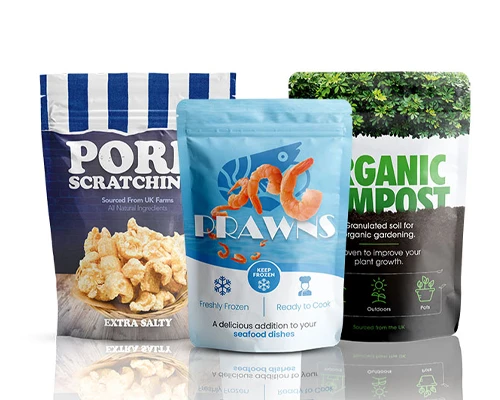
Shipping frozen food can feel overwhelming, but the right approach makes it simple. They need to pick a reliable Frozen Food Packaging Bag, use refrigerants like dry ice, seal everything tightly, label the box, and choose a fast shipping method. Paying attention to food safety and compliance matters because even small temperature changes or delivery delays can cause spoilage. With these steps, their frozen food can arrive fresh and safe every time.
Why Shipping Frozen Food Matters
Food Safety
Food safety sits at the heart of shipping frozen food. When companies ship frozen products, they must keep the food at the right temperature from start to finish. If the cold chain breaks, bacteria and other harmful microorganisms can grow quickly. This growth leads to spoilage and can make people sick. Millions of people get foodborne illnesses each year, and poor temperature control during shipping is a big reason why.
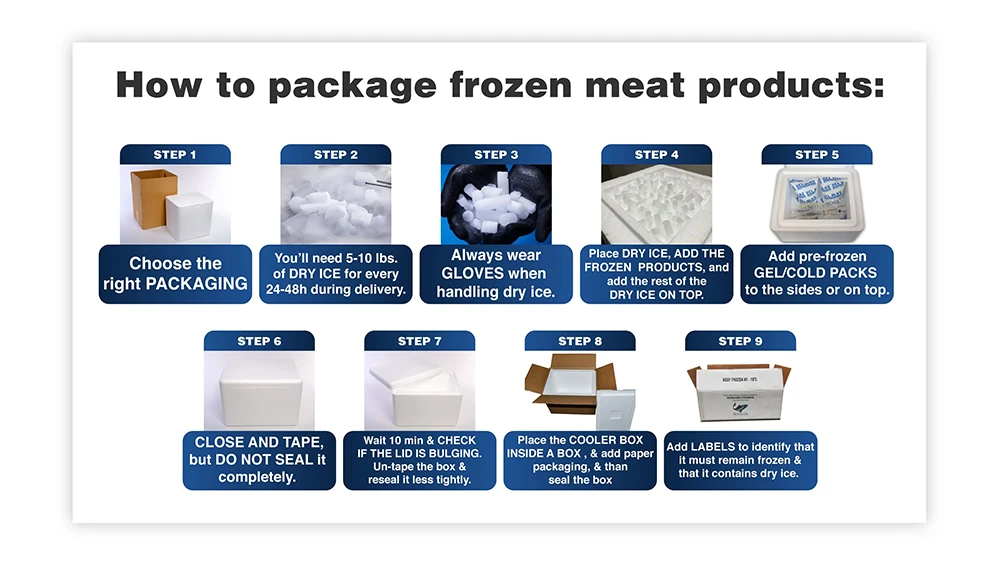
Tip: Always use proper insulation and refrigerants like gel packs or dry ice to keep food frozen during transit.
Businesses also need to protect food from both accidental and intentional contamination. Many consumers do not know much about food defense, so companies must take extra steps to keep food safe. Good packaging prevents leaks and keeps out germs. Clean handling and regular checks help stop cross-contamination. Companies that document and track their shipments can quickly fix problems if they arise. These steps protect health, keep food fresh, and build trust in the food supply chain.
Here are some key reasons why safe shipping matters:
Strict temperature control stops bacteria and preserves freshness.
Good packaging prevents contamination and damage.
Clean handling keeps food safe from cross-contamination.
Tracking and documentation help solve safety issues fast.
Following safety standards keeps businesses compliant and protects their reputation.
Customer Satisfaction
Customer satisfaction depends on the quality of the frozen food when it arrives. People expect their food to be fresh, safe, and delivered on time. If the food thaws or spoils, customers lose trust and may not order again. Temperature changes during shipping can ruin the taste and texture, leading to disappointment.
Proper packaging and cold chain management help keep food in top condition. Thick insulated containers and dry ice keep products frozen. Clear labeling helps customers know what to expect and builds confidence. Attractive and practical packaging also makes a strong first impression, showing that the company cares about quality.
Prioritizing fast delivery extends shelf life and boosts satisfaction.
Using the right packaging preserves quality and prevents waste.
Good communication and tracking reassure customers and encourage repeat business.
When companies focus on food safety and quality, they create happy customers who trust their brand.
Key Challenges
Temperature Control
Temperature control stands as the biggest challenge when mailing frozen food. Frozen products must stay at or below 0°F (-18°C) from the moment they leave the freezer until they reach the recipient. If the temperature rises, even for a short time, food can start to thaw. This creates a risk for bacteria growth and spoilage.
Shippers often use insulated packaging, dry ice, or gel packs to keep food frozen.
Weather extremes, like heat waves or cold snaps, can make it harder to maintain the right temperature.
Real-time tracking tools help monitor temperature during transit and alert shippers to any problems.
Tip: Always pack frozen food tightly and fill empty spaces with insulation to keep cold air inside.
Shipping Time
Shipping time plays a huge role in keeping frozen food safe. The longer a package spends in transit, the greater the risk of thawing. Delays from traffic, weather, or mechanical issues can cause temperature changes that spoil food.
Fast shipping methods, like overnight or express delivery, reduce the risk of thawing.
Using dry ice helps maintain sub-zero temperatures for longer trips.
Proper packaging and cooling methods work together to keep food frozen, even if the journey takes longer than expected.
If frozen food thaws, bacteria can become active again. This not only affects taste and texture but also raises food safety concerns.
Regulations
Regulations for shipping frozen food can be complex. Shippers must follow strict rules to ensure food safety and quality. In the US, agencies like the FDA and USDA set standards for temperature control, packaging, and labeling. The Food Safety Modernization Act (FSMA) requires regular inspections and proper documentation.
Many countries require food safety certifications, such as HACCP, ISO 22000, or BRCGS.
Import laws for items like meat or seafood may need extra paperwork, including health certificates.
The EU has its own rules, including restrictions on packaging materials and detailed documentation for certain foods.
Staying compliant with these regulations protects both the shipper and the customer, ensuring frozen food arrives safe and legal.
Frozen Food Packaging Bag Solutions
Choosing the Right Bag
Selecting the right Frozen Food Packaging Bag makes a big difference in how well frozen food travels. Not all bags work the same way. Some bags keep food fresh and safe, while others let in air or moisture that can cause freezer burn. The best bags use food-grade materials like polyethylene (PE), polypropylene (PP), and multi-layer films. These materials resist moisture and block oxygen, which helps keep food from drying out or losing flavor.
Here are some top choices for frozen food shipping:
Flexible pouches made from PE or PP keep out moisture and prevent freezer burn.
Multi-layer bags with nylon add strength and stop leaks, even at very low temperatures.
Resealable bags with zippers or tear notches make it easy to open and close, keeping food fresh after the first use.
Custom pouch types like stand-up pouches, gusseted bags, and flat bottom pouches fit different food shapes and sizes.
Pairing these bags with insulated containers and cooling agents, like dry ice or gel packs, helps maintain the right temperature during shipping.
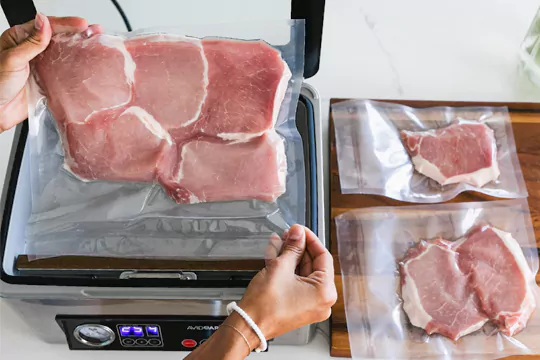
Tip: Always look for a Frozen Food Packaging Bag that offers airtight sealing, either through heat sealing or vacuum sealing. This locks in freshness and keeps out unwanted air.
Flexible packaging stands out because it is lighter and more compact than rigid containers. This means shippers can send more food at once and save on shipping costs. Many flexible bags are also recyclable, which supports eco-friendly goals and reduces waste.
BN PACK’s Packaging Advantages
BN PACK brings over 22 years of expertise to the world of Frozen Food Packaging Bag solutions. The company designs bags that meet the highest standards for food safety, quality, and sustainability. Every bag comes from an ISO9001 and BRC-certified facility, so customers can trust the quality and consistency.
BN PACK’s Frozen Food Packaging Bag options include:
Leakproof and moisture-resistant designs, thanks to multi-layer materials like nylon and PE.
Heavy-duty construction that resists punctures, frost, and tears, even at sub-zero temperatures.
Double-seal zippers and heat-sealable closures for extra protection against leaks.
Food-grade, BPA-free materials that keep food safe and fresh.
Customizable shapes, sizes, and printing to match any brand or product need.
Eco-friendly choices, such as recyclable and biodegradable bags, to support sustainability.
Feature | BN PACK Advantage |
|---|---|
Leakproof & Moisture-Resistant | Multi-layer nylon/PE structure prevents leaks & frost |
Food Safety | FDA, SGS, ISO, and QS certified; BPA-free materials |
Customization | Stand-up, gusseted, flat bottom, and custom shapes |
Eco-Friendly | Recyclable, monomaterial, and biodegradable options |
Convenience | Resealable zippers, tear notches, and easy-open designs |
BN PACK’s packaging not only protects frozen food but also helps brands stand out. The company offers vibrant printing and flexible design options, so every Frozen Food Packaging Bag can showcase a brand’s story. With reusable and dishwasher-safe options, BN PACK also helps reduce plastic waste and supports a circular economy.
Note: BN PACK’s bags meet strict international standards, including FDA, SGS, ISO9001, and ISO14001. The use of solvent-free lamination and single-material construction makes recycling easier and reduces plastic waste by up to 83%.
Choosing BN PACK means choosing reliability, safety, and innovation for every Frozen Food Packaging Bag shipment.
Packing and Sealing Tips
Pre-Freezing
Pre-freezing stands as a smart first step before packing frozen food for shipping. When someone freezes food completely before packing, it helps the food stay solid during transit. This step also keeps the temperature inside the package lower for a longer time. If the food starts out cold, it will not thaw as quickly, even if the outside temperature rises.
People often use a home freezer or a commercial blast freezer for this process. Blast freezers work faster and help lock in freshness, but a regular freezer can do the job for most home shipments. The key is to make sure every item is frozen solid all the way through. If the center of the food is still soft, it may thaw and spoil during shipping.
Tip: Arrange food in a single layer on a tray before freezing. This method helps each piece freeze faster and more evenly.
Pre-freezing also reduces the risk of condensation inside the packaging. Less moisture means less chance for ice crystals to form, which can damage the texture and taste of the food. When food is frozen solid, it also helps keep other items in the package cold, acting like an extra ice pack.
Wrapping and Sealing
Proper wrapping and sealing protect frozen food from leaks, freezer burn, and contamination. The right materials and techniques make a big difference in how well the food survives the journey.
Most shippers choose food-grade wraps like plastic film, waxed paper, or aluminum foil. These materials keep out air and moisture. After wrapping, they place the food in a Frozen Food Packaging Bag made from temperature-resistant polymers such as polyethylene or polypropylene. These materials stay flexible and strong, even in freezing conditions.
Sealing the bag tightly is crucial. A good seal keeps air out and locks in freshness. Here are some of the most effective sealing methods for frozen food:
Seals must stay tight at low temperatures. Special adhesives and sealing techniques help the bag handle expansion and contraction from freezing.
Packaging materials should resist cracking. Polymers like polyethylene and polypropylene work well because they stay flexible in the cold.
Advanced packaging machines, such as hygienic vertical form-fill-seal (VFFS) machines and specialized baggers, create strong, consistent seals that hold up during shipping.
Note: Double-seal zippers or heat-sealable closures add an extra layer of protection against leaks and freezer burn.
When shippers use these methods, they help prevent freezer burn and keep food safe from outside contaminants. A strong seal also stops liquids from leaking out, which protects the rest of the package and keeps the shipping box clean.
Limiting Movement
Limiting movement inside the package helps frozen food arrive in perfect condition. If food shifts around during shipping, it can break, bruise, or tear the packaging. Movement also creates air pockets, which can speed up thawing.
Shippers often use these strategies to keep food in place:
Pack items tightly together. Fill empty spaces with crumpled paper, bubble wrap, or foam inserts.
Use dividers or trays for fragile items like pastries or seafood.
Choose the right size box. A snug fit keeps everything from sliding around.
Tip: Always check that the package does not rattle when shaken. If it does, add more padding until everything stays put.
Limiting movement not only protects the food but also helps maintain a steady temperature inside the box. When items stay close together, they keep each other cold, which helps prevent thawing during transit.
Using Refrigerants
Shipping frozen food safely means choosing the right refrigerant. Dry ice and gel packs are the most popular options. Each has unique benefits and best-use scenarios. Picking the right one depends on the type of food, shipping time, and safety needs.
Dry Ice
Dry ice keeps food frozen for longer periods. It works well for items that must stay below freezing, like meat or seafood. Dry ice reaches extremely low temperatures, around -109.3°F (-78.5°C). This makes it perfect for long-distance or overnight shipping.
Aspect | Dry Ice | Gel Packs |
|---|---|---|
Temperature Range | Extremely low (-78.5°C / -109.3°F), ideal for keeping products frozen longer | Maintains cold temperatures near 0°C to 8°C, suitable for products that should not freeze |
Handling Safety | Requires careful handling; can cause frostbite; must use gloves and tongs | Safe to handle; no special precautions needed |
Environmental Impact | Sublimates to CO2 gas; requires ventilation during storage and disposal | Reusable and environmentally friendly; often recyclable |
Regulatory Requirements | Considered hazardous material; subject to transportation regulations (e.g., 49 CFR, IATA) | No regulatory restrictions |
Product Compatibility | Can alter texture/taste if in direct contact; must seal products to avoid damage | Suitable for sensitive products; does not freeze or damage products |
Cost | Generally more expensive due to handling and regulatory compliance | More cost-effective and reusable |
Usage Duration | Maintains frozen state longer; sublimates over time | Effective for shorter durations; requires freezing before use |
Combination Use | Can be combined with gel packs to slow sublimation and extend shelf life | Helps stabilize dry ice and prolong cooling effect when used together |
People should always handle dry ice with gloves or tongs. It can cause frostbite if touched directly. Shipping companies also set limits on how much dry ice can go in one package. For every kilogram of frozen food, using about 0.5 to 1 kilogram of dry ice is a good rule. The amount may change based on shipping time and outside temperature. Dry ice leaves no mess because it turns into gas, but it needs good ventilation.
Tip: Always seal food tightly before packing with dry ice. Direct contact can change the food’s texture or taste.
Gel Packs
Gel packs offer a safer and more flexible option for many frozen foods. They work best for products that need to stay cold but not frozen, like baked goods or dairy. Gel packs are easy to handle and do not require special safety gear.
Gel packs usually keep food cold for 24 to 48 hours in a well-insulated box.
High-quality insulation can stretch this time up to 72 hours.
Gel packs are reusable and often recyclable, making them a greener choice.
People like gel packs because they do not have strict shipping rules. They come in many sizes and shapes, so shippers can fit them around different foods. Gel packs need to be frozen before use, which adds a step to the packing process.
Note: For longer trips, combining gel packs with dry ice can help keep food frozen and extend the cooling effect.
Insulation and Containers
Insulated Boxes
Insulated boxes play a huge role in keeping frozen food safe during shipping. These boxes use special materials like foam, polystyrene, or reflective liners to slow down heat transfer. When someone packs frozen food inside an insulated box, the cold air stays trapped for longer. This helps the food stay frozen, even if the package sits outside for a while.
Many shippers choose thick foam coolers or boxes with built-in insulation. Some boxes have double walls for extra protection. Others use reflective liners that bounce heat away from the food. These features work together to create a barrier against outside temperatures.
Tip: Always match the size of the insulated box to the amount of food being shipped. A box that is too big or too small can affect how well it keeps things cold.
Insulated boxes also help protect food from bumps and drops. The sturdy walls cushion the contents, so fragile items like pastries or seafood arrive in perfect shape. For best results, shippers often combine insulated boxes with refrigerants like dry ice or gel packs.
Minimizing Empty Space
Minimizing empty space inside the shipping container makes a big difference for frozen food. When there is less empty space, the food stays colder and safer. Packing items tightly together helps keep the temperature steady and prevents movement.
Here’s why reducing empty space matters:
It stops goods from shifting during transit, which lowers the risk of damage.
Padding materials fill gaps and help stabilize the cargo.
A stable internal environment is critical for frozen food.
Fewer air pockets mean better insulation and less heat transfer.
Proper packing helps maintain the right temperature and keeps food safe.
Shippers often use bubble wrap, foam inserts, or crumpled paper to fill gaps. These materials add extra insulation and keep everything snug. When the package does not rattle or shift, the food has a better chance of arriving frozen and fresh.
Remember: A well-packed box with minimal empty space is one of the best ways to protect frozen food during shipping.
Labeling and Compliance
Perishable Markings
Labeling plays a big role when shipping frozen food. Clear labels help everyone along the shipping route know that the package contains perishable items. This way, handlers can treat the box with extra care and avoid delays. Most carriers, like USPS, FedEx, and UPS, have their own rules for labeling perishable shipments. Shippers should always check these guidelines before sending out a package.
A good label for frozen food should include:
The word “Perishable” in large, bold letters.
Instructions such as “Keep Frozen” or “Do Not Refreeze”.
The sender’s and recipient’s names and addresses.
Any special handling instructions.
Here’s a quick look at key labeling requirements for frozen food shipments:
Requirement Area | Details | Source/Regulation |
|---|---|---|
Dry Ice Labeling | Must be labeled as hazardous material with hazard class 9 label, UN 1845, and net weight in kg | U.S. DOT Hazardous Materials Regulations |
Dry Ice Transport Limit | Maximum 5.5 pounds allowed on airplanes | IATA Dangerous Goods Regulations |
Temperature Control for Frozen Foods | Must be kept at 0°F (-18°C) or below to prevent bacterial growth | FDA Food Safety Modernization Act (FSMA) |
Carrier-Specific Packaging & Labeling | USPS, FedEx, UPS have their own packaging and labeling rules; consult carriers for details | Carrier-specific guidelines |
Tip: Always double-check the carrier’s website for the latest rules before shipping. Rules can change, and following them keeps food safe and shipments on time.
Dry Ice Regulations
Dry ice helps keep frozen food cold, but it comes with strict rules. Dry ice is a hazardous material, so shippers must follow special labeling and packaging laws. These rules change depending on how the package travels—by air, ground, or sea.
For air shipping, the package must show:
The proper shipping name: “Carbon Dioxide, Solid” or “Dry Ice”
The UN number: UN1845
A Class 9 hazard label
The net weight of dry ice in kilograms
Names and addresses of both shipper and recipient
If shipping by ground in the U.S., the package still needs the proper shipping name, UN number, and Class 9 label. The box must allow gas to escape, so pressure does not build up. For ocean shipping, the rules require hazard labels on all sides and special asphyxiant markings.
Packages with dry ice must always allow for venting. Never seal them airtight, or pressure can build up and cause safety risks.
Following these rules keeps everyone safe and ensures the frozen food arrives in perfect condition. Shippers who meet these standards avoid fines and delays, making the whole process smoother for everyone involved.
Choosing a Shipping Carrier
Speed and Reliability
When shipping frozen food, speed matters. A reliable carrier can make the difference between food arriving frozen or spoiled. Many brands look for carriers that offer overnight or express delivery. Fast shipping reduces the risk of thawing and keeps food safe. Some carriers even specialize in handling perishable goods, using temperature-controlled vehicles and priority services.
BN PACK understands the importance of speed and reliability. They support global shipping needs by offering packaging that stands up to long journeys. Their durable, moisture-resistant materials protect frozen foods from freezer burn and keep them fresh during storage and transport. Advanced sealing techniques prevent leaks and contamination, so food stays safe no matter how far it travels. BN PACK also provides flexible shipping options and quick turnaround times, helping brands meet tight deadlines and seasonal spikes.
Tip: Always check a carrier’s on-time delivery record before choosing a shipping partner for frozen food.
Tracking and Insurance
Tracking and insurance give peace of mind when mailing frozen food. Major carriers now offer real-time GPS tracking, so shippers can monitor both the location and temperature of their packages. Data logging systems record temperature throughout the journey, making it easier to prove compliance with food safety rules. Carriers send alerts if there are delays or temperature changes, allowing shippers to act fast.
Real-time GPS tracking monitors shipment location and temperature.
Data logging ensures compliance and product quality.
Carriers provide proactive updates about delays or issues.
Insurance covers loss or spoilage of valuable frozen goods.
If a frozen shipment arrives thawed, shippers who purchased insurance should file a claim right away. Taking photos of the package and notifying the recipient helps with the process. Insurance usually covers both liability and cargo, protecting against spoilage or loss.
BN PACK’s packaging solutions work well with these carrier services. Their strong, moisture-resistant pouches keep frozen vegetables, fruits, and ready-to-eat meals safe from freezer burn. This level of protection is critical for brands shipping internationally, where long distances and customs checks can add risk. With BN PACK and the right carrier, frozen food arrives fresh and safe—every time.
Cost Management
Efficient Packing
Efficient packing stands as a smart way to save money when mailing frozen food. Companies often look for lightweight, insulated shipping boxes. These boxes help keep food cold without adding extra weight. Less weight means lower shipping fees. Flexible packaging, like pouches or bags, lets shippers fit more products in each box. This approach reduces the number of shipments and cuts fuel costs.
High-quality insulation also plays a big role. It keeps food frozen longer, so shippers do not need as much dry ice or as many gel packs. Using just the right amount of refrigerant lowers both material and shipping costs. Custom-sized packaging helps avoid paying for empty space. When boxes fit the product closely, there is less waste and fewer materials used.
Tip: Always check that packaging protects the food but does not add unnecessary bulk. This balance keeps costs down and food safe.
A well-packed box also protects food from damage. Less spoilage means fewer refunds or replacements. Companies that use technology, like temperature monitors, can spot problems early and prevent costly losses.
Bulk Shipping
Bulk shipping offers another way to manage costs. When companies ship larger quantities at once, they often get better rates from carriers. Many carriers give discounts for full truckloads or high-volume shipments. This strategy lowers the cost per unit and saves on labor and packaging materials.
Buying packaging supplies in bulk also helps. It reduces the price per bag or box and keeps packing lines running smoothly. Companies can negotiate with carriers for even better deals, especially if they ship frozen food often.
Consolidating orders means fewer trips and less fuel used.
Bulk shipments fill up storage space more efficiently, saving on warehouse costs.
Carriers that specialize in cold freight may offer special pricing for regular, large shipments.
Note: Planning ahead and working with trusted partners helps companies keep costs low while ensuring frozen food arrives fresh.
Best Practices
Timing Shipments
Timing plays a huge role in shipping frozen food. Smart shippers always plan their shipments to avoid weekends or holidays. If a package sits in a warehouse over the weekend, the food may thaw. Many choose to ship early in the week. This way, the package arrives before the weekend and spends less time in transit.
Grouping frozen items together inside the package helps them stay cold longer. Cold items support each other and keep the temperature steady. Shippers often freeze food solid before packing. This step keeps the food colder for a longer time. They also check that the freezer stays at or below 0°F (-18°C). This temperature stops bacteria from growing and keeps food safe.
Here are some best practices for handling frozen food before shipping:
Make frozen food the last stop during shopping to keep it cold.
Pack frozen items together to maintain their temperature.
Place frozen food in the freezer as soon as possible.
Keep the freezer at or below 0°F.
Rotate and date frozen foods, using the oldest first.
Organize the freezer by food type.
Thaw food in the refrigerator, not at room temperature.
Avoid refreezing thawed food unless cooked first.
Clean the freezer regularly.
Do not overpack the freezer to allow air to circulate.
Limit opening the freezer during power outages.
Seal packaging tightly to prevent freezer burn.
Tip: Always check the weather and shipping schedules before sending out frozen food. This helps avoid unexpected delays.
Communicating with Recipients
Clear communication with recipients makes a big difference. Shippers let recipients know when to expect the delivery. They share tracking numbers and estimated arrival times. This helps recipients plan to be home and move the package to the freezer right away.
Some shippers send a quick message or email when the package ships. Others include instructions on how to handle the food once it arrives. For example, they may remind recipients to check the temperature, store the food in the freezer, and avoid refreezing thawed items.
A simple checklist can help:
Notify the recipient of the shipment date and tracking details.
Remind them to be available for delivery.
Suggest immediate storage in the freezer.
Provide tips for safe thawing and handling.
A little communication goes a long way. It helps frozen food arrive safely and keeps everyone happy.
Mailing frozen food safely takes planning, the right Frozen Food Packaging Bag, and smart packing. Readers should follow each step for the best results. High-quality packaging, like BN PACK’s solutions, keeps food fresh and protected. Anyone can ship frozen food with confidence, whether for family or business. Ready to get started? Choose the right bag and ship with peace of mind.
FAQ
How long can frozen food stay safe during shipping?
Most frozen food stays safe for 24 to 48 hours with proper insulation and refrigerants. For longer trips, dry ice or extra gel packs help. Always check the food upon arrival.
Can you reuse Frozen Food Packaging Bags?
Yes! Many high-quality bags, like those from BN PACK, are reusable. Just wash and dry them well before using again. Reusing bags helps reduce waste.
What should someone do if their frozen food arrives partially thawed?
If the food feels cold and has ice crystals, it is usually safe to refreeze. If it feels warm or smells odd, throw it away. Safety comes first.
Is dry ice safe to use for mailing frozen food?
Dry ice works well for shipping, but people must handle it with gloves. Never touch it directly. Always follow carrier rules for packaging and labeling.
Why choose flexible packaging over rigid containers?
Flexible packaging saves space and weight. It keeps food fresh and costs less to ship. Many brands also like the eco-friendly options available.