
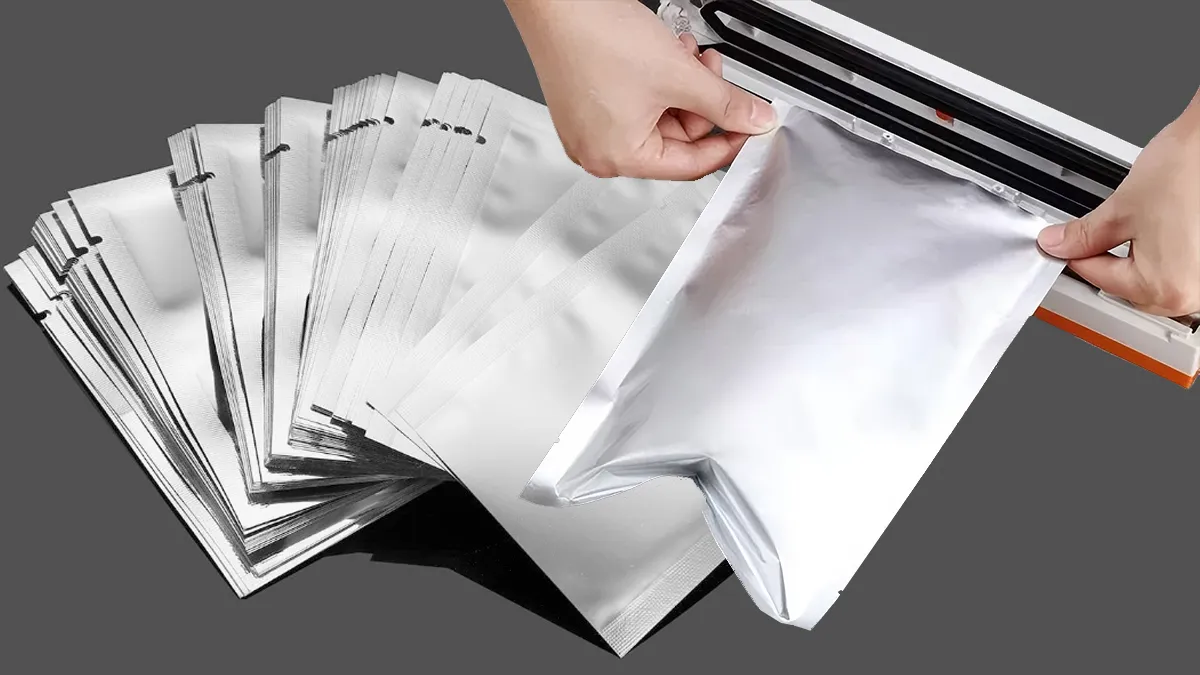
Mylar bags have become a popular choice for packaging due to their durability and ability to preserve contents for long periods. Whether you are storing food, documents, or other products, sealing Mylar bags properly is crucial to ensuring their effectiveness. This article will explain how to seal Mylar bags properly, the best sealing methods, and tips to make sure your products remain protected from moisture, air, and contaminants.
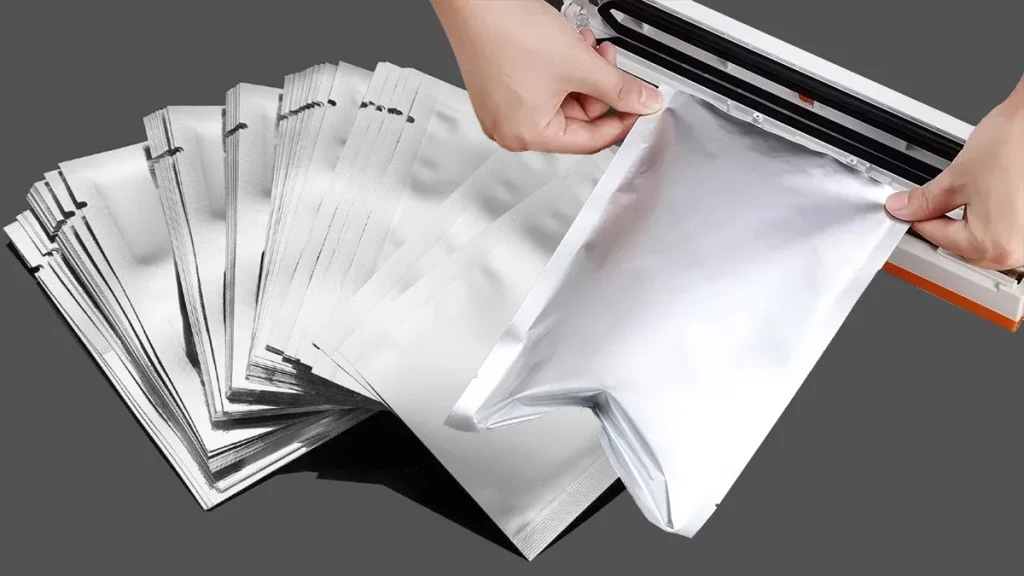
What Are Mylar Bags?
Mylar bags are made from a durable plastic film that is often used for packaging due to its exceptional barrier properties. These bags are designed to protect the contents from oxygen, moisture, and light—elements that can degrade the quality of food or damage other sensitive products.
Key Features of Mylar Bags:
- Oxygen Barrier: Mylar bags effectively block oxygen, which prevents the growth of bacteria and mold in food items.
- Light Protection: These bags protect contents from UV rays that can degrade certain materials, like food and pharmaceuticals.
- Moisture Resistance: Mylar bags help prevent moisture from entering, keeping products dry and safe from deterioration.
Common uses for Mylar bags include long-term food storage, preserving emergency supplies, and protecting valuable documents.
Why Is Sealing Mylar Bags Important?
The primary reason for sealing Mylar bags is to maintain the integrity of the contents. Properly sealed Mylar bags keep products fresh, safe, and free from environmental contaminants. Here’s why sealing is so essential:
Protection Against Air and Moisture:
Sealing prevents air and moisture from getting inside the bag, which could lead to spoilage. For food, this can be crucial in extending shelf life.
Preserving Nutrients:
For food storage, sealing Mylar bags ensures that nutrients, flavors, and textures are maintained. A sealed bag prevents oxidation, which can otherwise degrade these qualities.
Preventing Contamination:
Properly sealed bags also ensure that the contents are not exposed to contaminants like dust, dirt, or pests, maintaining the quality of the product.
Types of Sealers for Mylar Bags
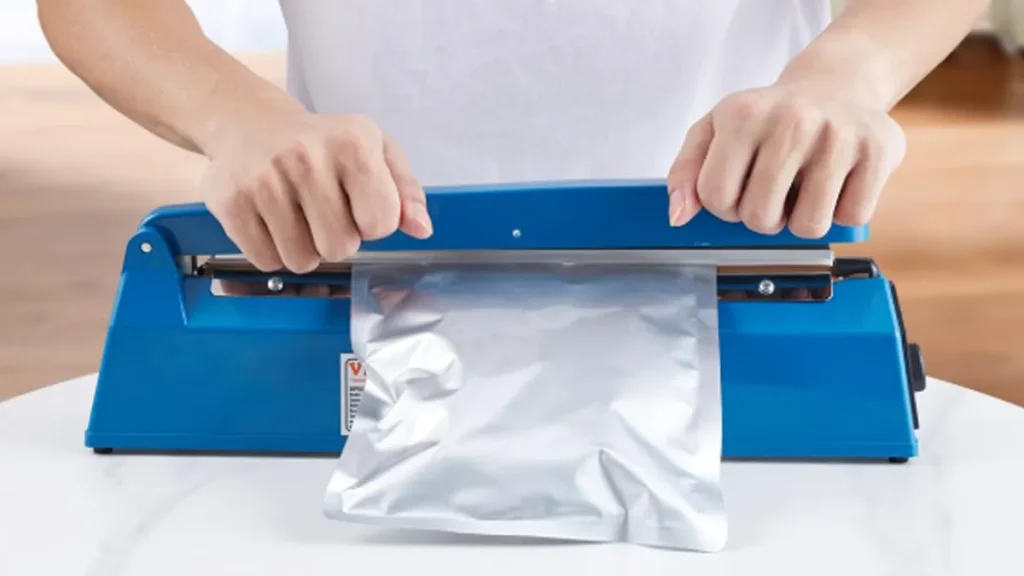
There are several sealing methods for Mylar bags, each offering its own set of advantages. Choosing the right sealer depends on factors like production volume, type of product, and desired shelf-life. Let’s take a closer look at the most common methods.
| Sealer Type | How It Works | Advantages | Best For |
|---|---|---|---|
| Impulse Sealer | Uses a short burst of heat to seal the bag. | Quick, easy, and cost-effective for small batches. | Small-scale food packaging and home users. |
| Heat Sealer | Applies consistent heat to the bag edges. | More durable seals, great for large production. | High-volume businesses needing durable seals. |
| Vacuum Sealer | Removes air from the bag before sealing. | Extends shelf life by preventing oxidation. | Long-term food storage and delicate products. |
Step-by-Step Guide on How to Seal Mylar Bags
Sealing Mylar bags can be a simple process if you follow the right steps. Here’s a detailed guide to help you seal Mylar bags effectively:
1. Choose the Right Mylar Bag Size
Before sealing, ensure that the Mylar bag is appropriately sized for your product. Overfilling the bag can make sealing difficult, while underfilling can lead to wasted space.
2. Fill the Bag Properly
Place your product into the Mylar bag, leaving at least 2-3 inches of space from the top. This space will allow for proper sealing and ensure that the contents do not interfere with the sealing process.
3. Use the Sealer Properly
Depending on your sealer type (impulse, heat, or vacuum), adjust the machine’s settings to the correct heat level for the Mylar bag thickness. Most heat sealers have adjustable settings for different bag materials.
4. Vacuum Sealing (If Applicable)
If you are using a vacuum sealer, place the Mylar bag in the machine, and activate the vacuum function to remove the air. This will ensure a tight seal and protect the contents from moisture and oxidation.
5. Seal the Bag
Once you’ve removed the air, use your sealer to close the Mylar bag. Ensure the sealing area is clean and free of any product residue to achieve a strong, leak-proof seal.
6. Check the Seal
After sealing, gently squeeze the bag to check for air leaks. If there is any leakage, reseal the bag by repeating the process.
Common Mistakes When Sealing Mylar Bags and How to Avoid Them
Although sealing Mylar bags is straightforward, there are a few common mistakes that can compromise the seal. Here’s how to avoid them:
| Mistake | Why It Happens | How to Avoid It |
|---|---|---|
| Overheating the Bag | Too much heat can melt the bag. | Always adjust the heat setting to the bag’s thickness. |
| Under-Sealing | Insufficient heat or pressure for a secure seal. | Apply the correct amount of pressure and ensure the sealer is fully engaged. |
| Not Leaving Enough Room | Overfilling the bag can interfere with sealing. | Leave at least 2-3 inches at the top for proper sealing. |
How Long Do Sealed Mylar Bags Last?
Mylar bags, when sealed correctly, can extend the shelf life of products for years. However, the length of time a Mylar bag can preserve its contents depends on several factors:
| Product Type | Typical Shelf Life (Sealed) | Factors Affecting Shelf Life |
|---|---|---|
| Dry Foods | 5-25 years | Storage conditions, temperature, and moisture levels. |
| Perishable Foods | 1-2 years | Proper vacuum sealing and storage. |
| Non-Food Items | 5-10 years | Environment, exposure to light, and temperature. |
Alternative Ways to Seal Mylar Bags
If you don’t have access to specialized equipment, there are other ways to seal Mylar bags:
1. Using an Iron
If you don’t have a heat sealer, a household iron can be used. Set the iron on the lowest setting, and carefully run it along the top edge of the bag.
2. Using a Hair Straightener
Another DIY method involves using a hair straightener to apply heat to the top of the Mylar bag. This works best for small batches.
3. Stapling the Bag
In a pinch, stapling the top of the bag can serve as a temporary solution, although it’s not ideal for long-term storage.
Best Practices for Storing Sealed Mylar Bags
Once your Mylar bags are sealed, proper storage is key to maximizing their lifespan:
1. Store in a Cool, Dry Place
Mylar bags should be kept in a dry, temperature-controlled environment to prevent degradation.
2. Use Oxygen Absorbers
Adding oxygen absorbers inside the bag before sealing helps eliminate any remaining air, further extending the product’s shelf life.
3. Label Your Bags
For easier identification, label each Mylar bag with its contents and sealing date.
Why Choose Mylar Bags for Sealing?
Mylar bags offer several advantages over traditional packaging materials, making them a preferred choice for long-term storage:
| Benefit | Explanation | Best For |
|---|---|---|
| Durability | Mylar bags are tough and resistant to punctures. | Protecting sensitive products. |
| Environmental Impact | Mylar bags are recyclable, offering a more sustainable solution. | Businesses aiming for eco-friendly packaging. |
| Cost-Effectiveness | Mylar bags are affordable for long-term storage needs. | Small businesses and consumers looking for a budget-friendly option. |
Conclusion
Properly sealing Mylar bags is a crucial step in ensuring product longevity, whether you’re storing food, documents, or other sensitive items. With the right sealing method, you can ensure that your products remain safe, fresh, and protected for years to come. Whether you’re using impulse sealers, heat sealers, or vacuum sealers, it’s important to follow the right process for maximum effectiveness.
At BN Packaging, we pride ourselves on offering high-quality, custom Mylar bags and sealing solutions that are designed to meet your specific needs. Whether you’re looking for enhanced product protection or longer shelf life, our packaging options provide the reliability and durability you require.
FAQ
Can I use regular plastic bags instead of Mylar bags?
While regular plastic bags are inexpensive and easy to use, they don’t offer the same level of protection as Mylar bags. Mylar bags provide superior moisture and oxygen barrier properties, extending shelf life and preserving the quality of stored products.
What kind of products can I store in Mylar bags?
Mylar bags are commonly used for storing food items like dried fruits, grains, and meats. They are also ideal for emergency supplies, electronics, and documents. For each product, consider using oxygen absorbers and storing the bags in a cool, dry place for optimal results.
Can I reseal Mylar bags after opening?
Yes, Mylar bags can be resealed. If you have opened a Mylar bag, you can use an impulse sealer, heat sealer, or even a hair straightener to reseal the bag and restore its protective barrier. Always ensure the bag is free from moisture or contaminants before resealing.