
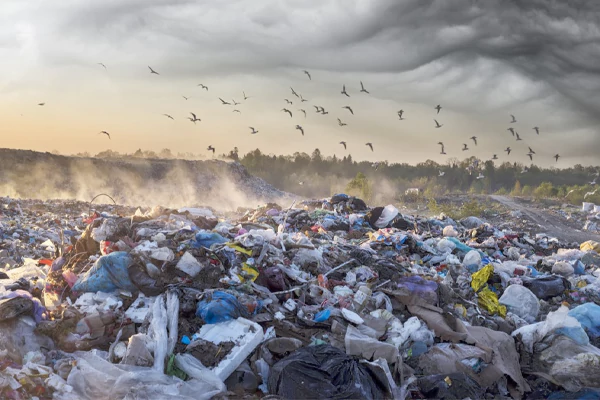
It’s a sight we’ve all seen: a plastic bag caught in the branches of a tree, fluttering like a flag of modern convenience, or drifting aimlessly in a waterway, a ghost of a recent shopping trip.
These single-use items, often used for mere minutes to carry our goods, possess a lifespan that stretches far beyond our own. This raises a critical question that directly impacts the health of our planet: just how long does a plastic bag take to biodegrade?
This article will delve into the startling persistence of conventional plastic in our environment, explore the practical reasons behind its continued, widespread use, and introduce the innovative solutions paving the way for a more sustainable future, particularly the rise of biodegradable plastic bags.
How Long Does a Plastic Bag Take to Biodegrade?
The answer to how long a plastic bag takes to disappear is alarmingly complex and varies dramatically based on the material and its environment.
Scientific estimates, including those referenced by authoritative bodies like the UN Environment Programme (UNEP), place the decomposition time for a typical single-use plastic bag made from high-density polyethylene (HDPE) anywhere from 20 to 1,000 years.
This vast range highlights a critical scientific distinction: plastic doesn’t truly biodegrade; it photodegrades.
True biodegradation is a natural process where organic materials are broken down by microorganisms into simple substances like carbon dioxide, water, and biomass.
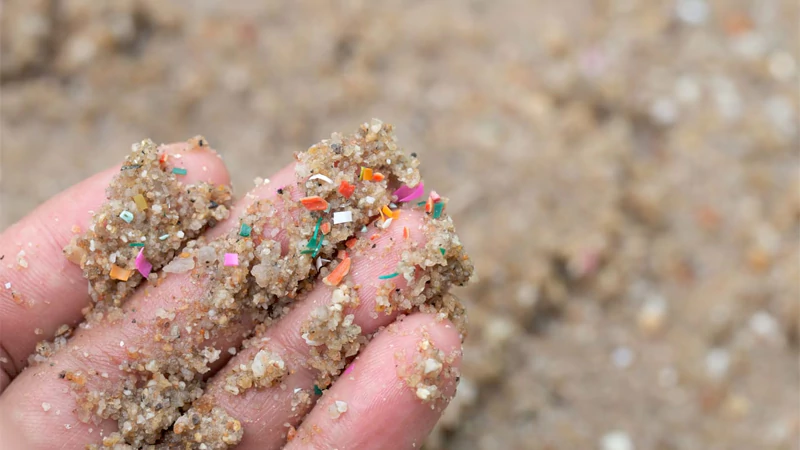
Plastic, however, is a synthetic polymer that microbes cannot effectively consume. Instead, when exposed to sunlight, it undergoes photodegradation. The sun’s ultraviolet (UV) radiation breaks the long polymer chains, making the plastic brittle and causing it to fragment into progressively smaller pieces. These fragments are known as microplastics. They are a pervasive environmental pollutant, contaminating everything from ocean trenches to mountain snow and entering the global food chain. The plastic never truly vanishes; it just becomes an invisible, persistent threat.

The environment where a plastic bag ends its journey is the single most significant factor in its decomposition timeline:
- In a Landfill: When a plastic bag is buried deep in a modern landfill, it is shielded from the two primary elements that break it down: sunlight and oxygen. In this dark, low-oxygen (anaerobic) environment, the degradation process slows to a near standstill. Here, a plastic bag is more likely to persist for the full 1,000 years or more, essentially being preserved for future generations to uncover.
- In the Ocean: The marine environment presents a different scenario. According to research from institutions like the Woods Hole Oceanographic Institution, a plastic grocery bag may break down in as little as 20 years. However, this is far from good news. Constant exposure to UV radiation at the surface and the abrasive action of waves accelerate its fragmentation into countless microplastics, which are then ingested by marine life, from plankton to whales, causing immense harm to ocean ecosystems.
- On Land: Left on the surface of the land, exposed to direct sunlight and the elements, a plastic bag will become brittle and start breaking apart much faster than in a landfill, perhaps within 50 to 100 years. Yet again, this process does not eliminate the plastic but merely disperses it into the soil and waterways as microplastic pollution.
A Perspective from Public Forums
This issue is a frequent topic of discussion on public forums like Quora, where people grapple with these long timelines.
In a popular answer to the question, “Do plastic bags really take 500 years to break down in a landfill?” user Colin John Cook offers a particularly stark perspective.
He argues that from a human standpoint, bags in a landfill will “never break down.” He explains that polyethylene requires sunlight to oxidize and break apart. However, in a landfill, “they get covered up and put in the shade.”
He further notes that even when exposed to sunlight, they often just fragment into smaller pieces that are easily washed underground, away from the light, where the degradation process halts.
His direct conclusion is that plastic bags “should never be put into landfill, but always incinerated.”
This view underscores the scientific consensus that sending plastic to a landfill effectively mummifies it, making it a problem for countless generations to come.
Why Do We Still Use Plastic Packaging Bags if Plastic Takes So Long to Decompose?
Given the severe and long-lasting environmental consequences, it seems paradoxical that conventional plastic bags remain a cornerstone of global commerce. The reality is that their widespread use is not due to a lack of awareness but to an unparalleled combination of cost-effectiveness, functionality, and convenience that is difficult to replace. Understanding these practical advantages is key to appreciating the challenge of transitioning to more sustainable alternatives.
Economic
At its core, the appeal of the plastic bag is economic. Made from byproducts of petroleum refining, the raw materials are abundant and the manufacturing process is incredibly efficient, allowing for massive-scale production at a fractional cost per unit. This affordability makes them accessible to every level of business, from multinational corporations to small street vendors.
Performance
Beyond cost, their performance is exceptional. Plastic bags boast an impressive strength-to-weight ratio; a standard grocery bag weighing only a few grams can reliably carry items up to 5kg or more without tearing. Furthermore, plastic is chemically inert and provides an excellent barrier against moisture, oxygen, and contaminants. This property is vital for food safety, as it dramatically extends the shelf life of perishable goods, thereby reducing food waste—another significant environmental issue.
Logistical Advantage
Finally, their lightweight nature offers a major logistical advantage. Transporting goods in plastic packaging requires significantly less fuel compared to heavier materials like glass, metal, or even thick paper. This reduces shipping costs and the overall carbon footprint of the supply chain, an often-overlooked environmental benefit. It is this powerful trifecta of low cost, high performance, and logistical efficiency that has made the plastic bag so deeply embedded in our daily lives.
The Turning Tide: A Search for a Smarter Solution
We are at a critical juncture. The very properties that make traditional plastic so useful—its durability and resistance to degradation—are also the source of its devastating environmental legacy. The convenience of a product that lasts for minutes should not come at the cost of a thousand-year cleanup.
This dilemma has sparked global innovation, driving a search for materials that can deliver the benefits of plastic without the permanent pollution. The question is no longer just “what’s the problem?” but “what is the solution?” This brings us to the forefront of packaging science: the biodegradable plastic bag.
What is a Biodegradable Plastic Bag?
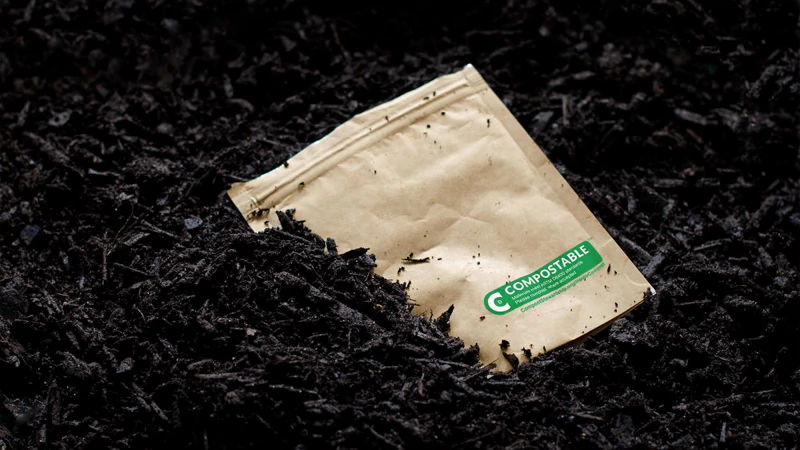
A biodegradable plastic bag represents a fundamental shift in material science, designed to work with nature’s cycles, not against them.
Unlike its conventional counterpart, a truly biodegradable bag is made from materials that can be completely broken down by microorganisms—such as bacteria, fungi, and algae—into natural elements. The end products are simply water, carbon dioxide (CO2), and biomass (organic matter), which are then harmlessly reintegrated into the ecosystem.
Crucially, this process leaves no toxic residues or persistent microplastics behind.
The magic behind these bags lies in their origin. Most are a type of bioplastic, derived from renewable, plant-based resources instead of fossil fuels. Common examples include:
PLA (Polylactic Acid): One of the most popular bioplastics, PLA is typically made from fermented plant starches, such as those from corn, sugarcane, or cassava. It has a look and feel similar to traditional plastic but is designed to be broken down in a composting environment.
PHA (Polyhydroxyalkanoates): This type of polyester is produced naturally by various microorganisms. It is also fully biodegradable and is being developed for a wide range of applications.
However, it is vital to understand some crucial distinctions within the “eco-friendly” bag category:
- Biodegradable vs. Compostable: While often used interchangeably, these terms are not the same. “Compostable” is a more specific and regulated standard. A certified compostable bag (e.g., carrying certifications from BPI or TÜV AUSTRIA) is guaranteed to break down in an industrial composting facility under controlled conditions—like specific high temperatures and humidity levels—within a set timeframe, typically 90 to 180 days. Most biodegradable bags require these conditions to break down effectively.
- Beware of “Oxo-Degradable”: Consumers should be wary of products labeled “oxo-degradable.” These are conventional plastics with chemical additives that cause them to fragment into microplastics much faster when exposed to heat or light. This process is now widely considered more harmful than beneficial, as it accelerates the creation of microplastic pollution.
The true environmental benefit of biodegradable and compostable bags is realized only when they are disposed of correctly. When sent to the appropriate composting facility, they complete their life cycle by turning into nutrient-rich compost, which can be used to improve soil health, thereby closing the loop and transforming waste into a valuable resource.
Biodegradable Plastic Bag Manufacturer
For businesses ready to make the responsible switch to sustainable packaging, the key is to find a manufacturing partner with proven expertise and a genuine commitment to environmental innovation. This is where a specialist like BN PACK becomes an essential ally. As a professional and forward-thinking flexible packaging manufacturer, BN PACK has embraced the shift to sustainability and stands at the forefront of producing high-quality biodegradable and compostable bags.
They are more than just a supplier; they are a solutions partner for companies aiming to reduce their environmental footprint. BN PACK offers a comprehensive range of biodegradable packaging options, utilizing certified, plant-based materials like PLA to meet the growing demand for eco-friendly alternatives. Their expertise ensures that the final product not only meets sustainability standards but also delivers the performance, durability, and reliability businesses need for their products.
Conclusion
A conventional plastic bag, a fleeting convenience, can linger in our environment as a pollutant for up to a thousand years. In contrast, a biodegradable bag, when disposed of correctly, can return to the earth as organic matter within a few months. This is not a minor difference; it is a fundamental redefinition of a product’s lifecycle.
Biodegradable bags represent a significant and necessary step forward, offering a viable alternative that serves our packaging needs while respecting the planet’s ecological limits.
The choice is now in our hands. For consumers, it means consciously supporting brands that invest in sustainable packaging. For businesses, it means taking responsibility by partnering with expert manufacturers like BN PACK to become part of the solution, proving that excellent packaging and environmental stewardship can, and must, go hand in hand.
FAQs
Are biodegradable bags better than plastic?
Yes, but only if they are disposed of correctly. 🌱
The environmental benefit of a biodegradable bag is entirely dependent on it ending up in a proper disposal facility.
In an Industrial Composter: When sent to a commercial composting facility, a certified compostable bag will break down into biomass, water, and carbon dioxide within a few months, turning into nutrient-rich compost. This is the ideal and intended outcome.
In a Landfill: In a landfill, buried under tons of trash without oxygen or light, a biodegradable bag will not break down as intended. Instead, it may release methane, a greenhouse gas far more potent than carbon dioxide.
In the Environment: If it ends up as litter in the ocean or on land, it will not break down quickly and can still pose a threat to wildlife, just like a regular plastic bag.
Conclusion: A biodegradable bag is far superior to a conventional plastic bag when it completes its lifecycle in a composting facility. Without the proper disposal infrastructure, its benefits are significantly reduced.
What are biodegradable bags made from?
Biodegradable bags are typically made from bioplastics, which are derived from renewable, plant-based materials rather than fossil fuels.
Common materials include:
PLA (Polylactic Acid): The most common bioplastic, made from fermented plant starches from crops like corn, sugarcane, or cassava.
Starch-Based Polymers: Derived directly from corn, potato, or tapioca starch.
PHA (Polyhydroxyalkanoates): A type of polyester made by microorganisms that feed on organic matter.
These materials are designed to be broken down by microbes in a specific environment.
Are biodegradable plastic bags recyclable?
No, absolutely not. ❌
You should never put biodegradable or compostable bags in your recycling bin. They are considered a contaminant in the plastic recycling stream.
Here’s why:
Different Chemical Makeup: Biodegradable bags are made from plant-based polymers, while conventional plastic bags are made from petroleum-based polymers.
Contamination: When mixed, the bioplastics can ruin an entire batch of recycled plastic because they have different melting points and properties, compromising the quality and integrity of the final recycled material.
Are polypropylene bags biodegradable?
No, polypropylene (PP) is not biodegradable.
Polypropylene is a durable, petroleum-based plastic (identified by the resin code #5). It’s commonly used to make reusable shopping totes, yogurt containers, carpets, and car parts. Like other conventional plastics, PP does not biodegrade. Over hundreds of years, it will photodegrade—breaking down into smaller and smaller pieces called microplastics—but it will never be consumed by microorganisms and returned to nature.
Are polythene bags biodegradable?
No, polythene (also called polyethylene) is not biodegradable.
Polythene is the most common type of plastic in the world and is what typical single-use grocery bags, plastic wrap, and packaging films are made of. It comes in different forms, like HDPE (#2 plastic) and LDPE (#4 plastic). As discussed in the article, this petroleum-based material persists in the environment for hundreds, or even up to a thousand, years, breaking down into harmful microplastics through exposure to sunlight.