
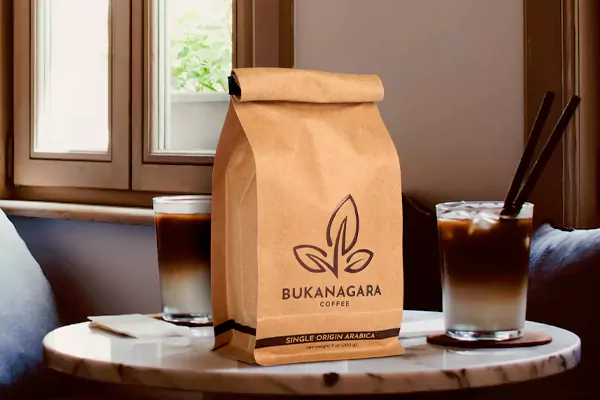
Today’s coffee consumers are more discerning than ever. Their focus has expanded beyond the origin, roast profile, and tasting notes of the beans; it now includes the very packaging that protects them. A brand’s commitment to sustainability is no longer a fringe benefit but a core purchasing driver for a growing and influential segment of the market. This shift has propelled sustainable packaging from a “nice-to-have” feature to a “must-have” for any competitive coffee brand.
Among the growing roster of “green” materials, PLA (Polylactic Acid) has risen as a popular and promising contender, especially for use in PLA coffee bags. To the eye and hand, it can be nearly indistinguishable from traditional, petroleum-based plastic, yet it comes with the powerful marketing promise of being “biodegradable” and “plant-based.” But what do these terms actually mean once the coffee is gone and the bag is empty?
For any roaster or brand looking to make a genuine environmental impact, a critical question must be answered: how long does PLA take to decompose? The answer is more nuanced than a simple number and has significant implications for a brand’s sustainability claims.
What is PLA? From Corn Starch to Coffee Bag
Before we can discuss its decomposition, it’s important to understand what PLA is and where it comes from. PLA, or Polylactic Acid, is a bioplastic, which means it is derived from renewable, organic sources rather than petroleum. Unlike traditional plastics, which are made from finite fossil fuels, the building blocks for PLA come from the fermentation of carbohydrate-rich plants like corn, sugarcane, or cassava.
The production process is a fascinating blend of agriculture and chemistry. First, the starch is extracted from the plant matter. Microorganisms are then introduced to ferment this starch, producing lactic acid—the same natural compound found in yogurt and sourdough bread. Through a final polymerization process, these lactic acid molecules are linked together to create long chains of Polylactic Acid, which can then be formed into a clear, durable, and versatile packaging film.
This bio-based origin is a key reason for its popularity. For coffee brands, PLA plastic bags offer several compelling advantages: they are food-safe, transparent, and provide a good barrier against aroma loss, helping to protect the product inside. Furthermore, because PLA bags so closely mimic the look and feel of conventional plastic, they offer a pathway to more sustainable packaging without requiring a drastic change in aesthetics or consumer perception.
The Decomposition Question: How Long Does PLA Actually Take to Break Down?
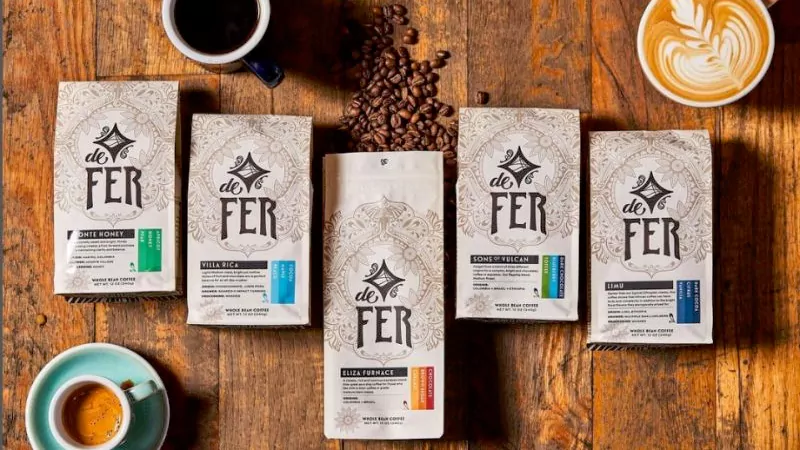
This is the most critical question for any brand considering PLA, and the answer depends almost entirely on one factor: the environment. To understand the timeline, we must first clarify a crucial distinction between two often-confused terms: “biodegradable” and “compostable.” While all compostable materials are biodegradable, not all biodegradable materials are compostable. PLA is specifically a compostable plastic. This means it is designed to break down under a very specific set of conditions.
The Ideal Environment: An Industrial Composting Facility
For PLA to decompose efficiently and completely, it requires the environment found in an industrial or commercial composting facility. These facilities create a controlled ecosystem with the perfect trifecta of conditions:
High Temperatures: Sustained heat of 140°F (60°C) or higher.
High Humidity: A consistently moist environment.
Specific Microorganisms: A rich concentration of microbes that thrive in these conditions and are capable of breaking down the polymer.
In this ideal setting, the decomposition timeline is impressively fast. Most PLA bags will break down into carbon dioxide, water, and organic biomass in approximately 45 to 90 days.
The Reality Check: What Happens in Other Environments?
The impressive 90-day timeline does not apply when PLA is disposed of in other ways. This is a critical point for brands to communicate to their customers.
- In a Home Compost Bin: A backyard compost pile rarely, if ever, reaches the high temperatures required to break down PLA. As a result, a PLA bag in a home compost bin will take much longer to disappear, potentially lasting for several years.
- In a Landfill: A landfill is the worst-case scenario for PLA. Modern landfills are designed to be low-oxygen (anaerobic) environments to prevent the breakdown of waste and the release of greenhouse gases. Without oxygen, heat, and moisture, a PLA bag can sit intact for a very long time, potentially as long as a conventional plastic bag—a timeline that can stretch for centuries.
- In Nature or the Ocean: PLA is not designed to biodegrade in marine environments or as litter on the side of the road. It will persist in nature for many years, contributing to plastic pollution much like traditional plastics.
Therefore, the sustainability promise of PLA is directly linked to its proper disposal in a designated industrial composting stream.
PLA vs. The Alternatives: A Decomposition Timeline Comparison
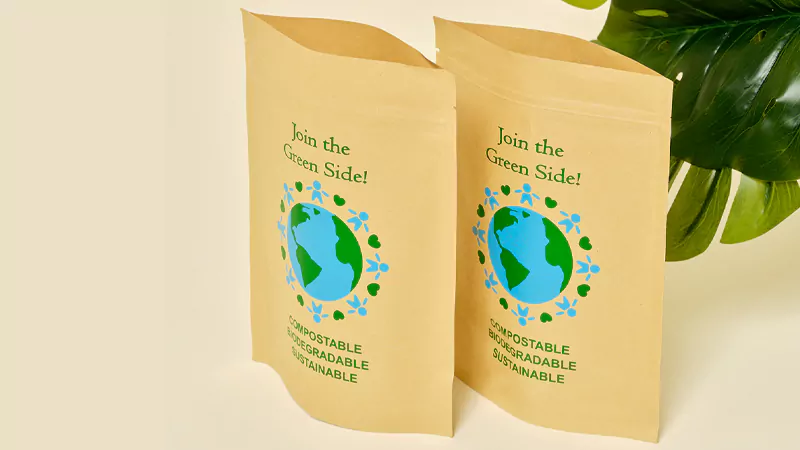
Paper Bags
The question often arises, how long does it take a paper bag to decompose? In a compost environment, paper breaks down very quickly, typically in about 2 to 6 weeks. While this is an excellent decomposition rate, standard paper offers almost no protection against oxygen and moisture, making it unsuitable as a primary barrier for preserving the freshness and aroma of roasted coffee.
Conventional Plastic Bags (PE, PET)
This is the most critical comparison. When people ask, how long do plastic bags take to biodegrade?, the answer is staggering. A standard plastic bag made from polyethylene can take anywhere from 500 to 1,000 years to break down in a landfill or in nature. During this incredibly long plastic biodegrade time, it doesn’t truly disappear; it fractures into smaller and smaller toxic particles called microplastics, which contaminate soil and waterways indefinitely.
“Biodegradable” Plastics (Oxo-degradable)
This category can be misleading. Some plastics are marketed as “biodegradable” because they contain additives that cause them to break apart when exposed to UV light and oxygen. However, this process often just accelerates the creation of microplastics. Answering how long does biodegradable plastic take to decompose? is difficult, as they may simply fragment over a few years but the resulting plastic particles can persist for centuries, similar to conventional plastic. This is fundamentally different from the biological consumption that occurs when PLA is properly composted.
The Role of PLA in Modern Coffee Packaging
Understanding the science of PLA is one thing; successfully integrating it into your brand’s packaging strategy is another. For coffee roasters, PLA isn’t a simple one-to-one replacement for traditional plastic but rather a strategic choice that requires a thoughtful approach to both material science and customer communication.
First, it’s a balancing act. Choosing PLA bags is an excellent decision for brands whose customer base is located in areas with access to industrial composting facilities. It allows you to offer a packaging solution that is genuinely part of a circular economy, breaking down to enrich the soil rather than persisting for centuries in a landfill.
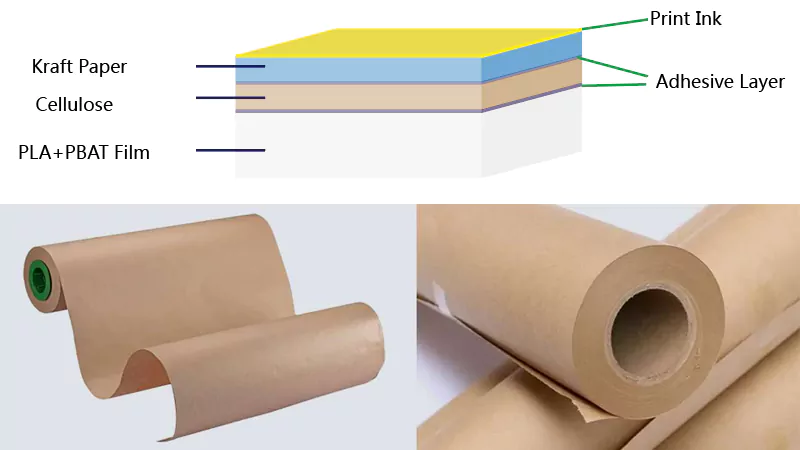
Second, many of the most effective and sustainable coffee bags are actually hybrid solutions. A single layer of PLA may not provide the ultra-high barrier against oxygen that coffee beans require for a long shelf life. Therefore, a common construction for an eco-friendly coffee bag might be:
An outer layer of Kraft paper for a natural, tactile feel.
A middle layer of PLA to provide structure and an additional barrier.
An inner lining, often also a compostable bioplastic, specifically designed to seal in freshness and prevent oil degradation.
Finally, and most importantly, is the role of education. If you choose to use compostable PLA coffee bags, you have a responsibility to clearly communicate the proper disposal method to your customers. Simply printing “compostable” on the bag is not enough. Clear, concise instructions—such as “Commercially Compostable Only” or “Not Suitable for Backyard Composting”—are essential. This transparency prevents well-intentioned customers from contaminating their home compost or sending the bag to a landfill, and it reinforces your brand’s commitment to genuine sustainability over simple greenwashing.
BN Pack: Your Partner in Sustainable Packaging
For coffee roasters, navigating the complex world of sustainable packaging can be a significant challenge. You need a solution that not only aligns with your brand’s environmental values but also provides the non-negotiable barrier protection required to keep your carefully sourced and roasted coffee fresh and aromatic. Finding a package that meets both of these criteria, and communicating its benefits clearly, is where an expert partner makes all the difference.
At BN Pack, we specialize in providing advanced, eco-friendly packaging solutions tailored for the specialty coffee industry. While we offer a range of materials to suit every need, we understand the power and appeal of compostable options like PLA. We can help you design a high-barrier coffee bag that expertly incorporates PLA layers while ensuring your product’s integrity and shelf life.
More importantly, we partner with you to create clear and effective on-pack communication, so your customers know exactly how to dispose of their packaging responsibly. We believe that a sustainable package is only truly effective if it’s disposed of correctly. We’ll work with you to make a sustainable choice that is both genuine in its environmental impact and powerful in its marketing message.
Conclusion: Making an Informed Green Choice
So, how long does PLA take to decompose? The answer is clear: in an industrial composting facility, it can break down into natural elements in as little as 45-90 days. In a landfill or the natural environment, however, it can persist for centuries.
This conditional nature of PLA underscores a larger truth in the world of sustainable packaging: the best choice is always an informed one. The journey toward a smaller environmental footprint is not about finding a single magic material, but about understanding the complete lifecycle of your packaging and making responsible choices that align with the infrastructure available to you and your customers.
By understanding the science behind materials like PLA and committing to transparent communication, coffee brands can move beyond greenwashing. You can make a genuinely positive impact on the planet, build deeper trust with your customers, and lead the way toward a more sustainable future for the coffee industry, one thoughtfully packaged bag at a time.