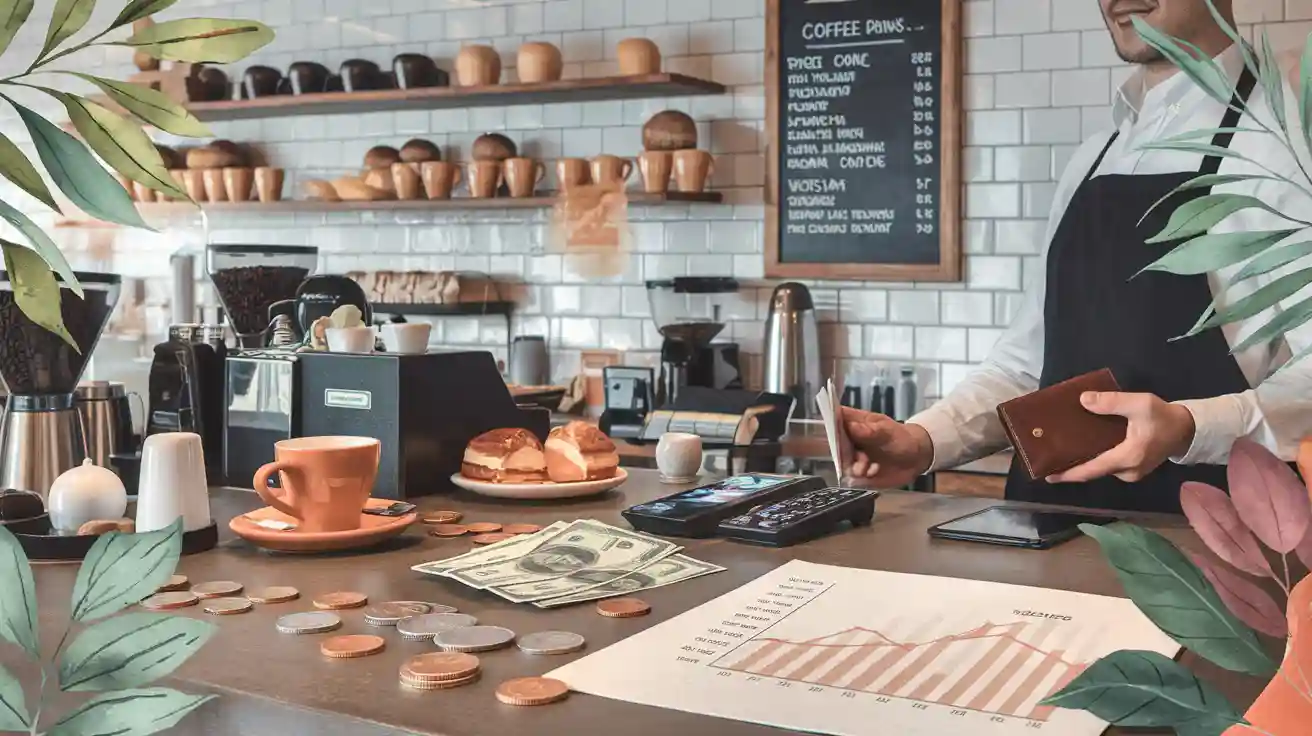
When you ask how profitable coffee shops are, you find a wide range of answers. Large chains often reach gross margins as high as 85%. Many small independent shops see average operating income near 2.5% of gross sales. You might wonder how much profit do coffee shops make if you consider opening a coffee shop. Take a look at typical earnings:
Type of Owner | Average Annual Income |
|---|---|
Coffee Shop Owner | $48,234 |
Coffee Roaster Owner | $53,374 |
If you think it is a good idea to open a coffee shop, you must know that location, menu, and operational efficiency shape how profitable coffee shops are. Opening a coffee shop can be rewarding, but how profitable are coffee shop is depends on your choices. How profitable coffee shops are will always vary, but opening a coffee shop starts with knowing the numbers.
How Profitable Are Coffee Shops
Profit Margins
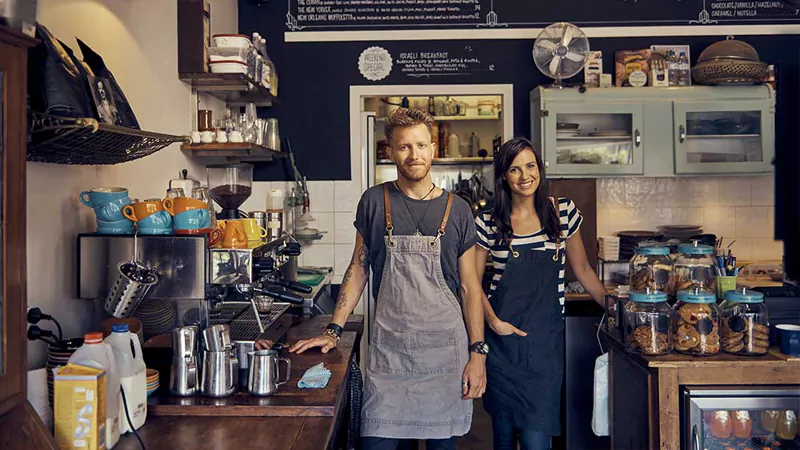
When you look at coffee shop profitability, you see that profit margins can vary. Most coffee shops in the U.S. have an average profit margin between 2.5% and 6%. This means that for every $100 you make in sales, you keep $2.50 to $6 as profit after covering your costs. The minimum profit margin you should aim for is at least 2.5%. Many successful shops reach gross margins of 75% to 80%, which shows how much money you keep after paying for ingredients and supplies but before other expenses.
Note: Gross margins are high because coffee has a low cost compared to its selling price. However, rent, labor, and other expenses can reduce your final profits.
You might wonder how these numbers compare to other businesses. Coffee shop profit margins are similar to those in the food and beverage industry but often higher than restaurants that serve full meals. The minimum profit margin for many small restaurants can be as low as 2%, while coffee shops often do a bit better.
Here are some recent facts about the coffee shop market:
The global coffee shop market was valued at about $78.96 billion in 2022.
Experts expect the market to reach $133.98 billion by 2030, growing at about 6.83% each year.
Europe leads in coffee shop revenue, but metropolitan areas everywhere see the most growth.
Specialty coffee shops are becoming more popular, which can boost profitability.
You can improve your profit margins by:
Training your staff to suggest extra items or upgrades.
Offering bundles and promotions.
Adding specialty drinks that you can sell at higher prices.
Creating a cozy atmosphere so customers stay longer.
Using loyalty programs to keep customers coming back.
Engaging with customers on social media.
Owner Earnings
Your earnings as a coffee shop owner depend on your shop’s size, location, and how well you manage costs. Small coffee shop owners usually earn between $30,000 and $175,000 each year. Some reports show that many owners make between $50,000 and $175,000 yearly. If your shop serves about 200 customers a day, you can build strong revenue over time.
Let’s compare owner earnings in coffee shops to other food businesses:
Business Type | Average Salary |
|---|---|
Coffee Shop Owner | $48,234 |
Coffee Roaster Owner | $53,374 |
Average of Both | $61,635 |
You can see that coffee shop profitability stacks up well against other small businesses. Many owners find that profits grow as they build a loyal customer base and manage expenses wisely. Coffee shop profit margins and owner earnings can increase if you focus on quality, customer experience, and smart pricing.
Tip: Specialty coffee shops and those in busy city areas often see higher profitability. If you want to boost your profits, pay attention to your shop’s location and the types of drinks you offer.
Factors Affecting Coffee Shop Profitability
Location
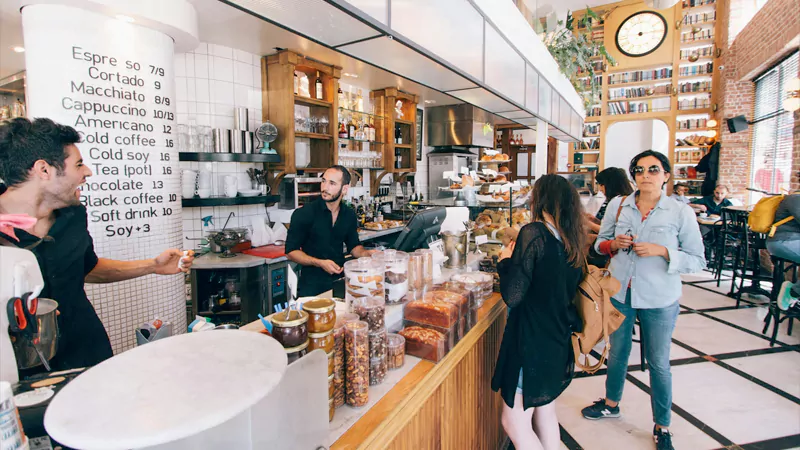
Your choice of location can make or break your coffee shop’s success. High-traffic areas, such as business districts, shopping malls, transit stations, and universities, bring more potential customers to your door. You should also look at local demographics, including age, income, and lifestyle, to match your offerings to your audience.
Foot traffic is key—busy areas mean more sales.
Competition nearby can signal a strong market for coffee lovers and even open doors for partnerships.
Visibility and easy access matter. Good signage and parking help customers find you.
A smart location increases your chances of steady sales and long-term growth.
Size and Capacity
The size and seating capacity of your shop affect how much revenue you can generate. Check the table below:
Factor | Impact |
|---|---|
Revenue Increase | Each extra table can boost revenue by 5% to 10%, depending on turnover. |
Customer Turnover | A good layout keeps customers happy and increases turnover rates. |
Balance in Layout | Too many tables can make the space cramped and drive customers away. |
You want enough seats to serve many customers, but not so many that people feel crowded.
Menu and Coffee Shop Pricing
Your menu and coffee shop pricing strategy shape your profits. Drinks like cold brew, flavored syrups, and specialty teas often have high margins. Food items such as pastries and grab-and-go meals also add to your bottom line. Merchandise, coffee beans, and branded items can bring in extra revenue.
Tip: Beverages usually make up 60% to 70% of total sales, food 20% to 30%, and merchandise 5% to 10%.
Coffee shop pricing affects how customers see your menu and where you stand against competitors. Regularly check what others charge, know your costs, and set prices that keep you profitable.
Competition
Nearby coffee shops can push you to improve your offerings and service. Healthy competition often means there is a strong demand for coffee in the area. You can learn from competitors, find ways to stand out, and even explore partnerships for events or promotions.
Operational Efficiency
Efficient operations help you serve customers faster and reduce costs. The table below shows how this impacts your bottom line:
Benefit | Explanation |
|---|---|
Efficient management of resources | Improves service quality and reduces wait times. |
Retaining and attracting customers | Leads to business growth and better customer experiences. |
Cost reduction and waste minimization | Lowers production costs and boosts profitability. |
You can also boost your brand by using quality packaging. Custom coffee bags from BN PACK keep your coffee fresh and make your brand stand out on the shelf. Good packaging protects your product and attracts new customers, supporting your shop’s long-term success.
Revenue Streams
Beverages
You will find beverages as the most profitable items in your coffee shop. Drinks like espresso, cold brew, and specialty teas make up 60% to 70% of total revenue. These profitable drink options often have high profit margins, ranging from 70% to 80%. You can boost your revenue by offering creative drink choices and seasonal specials. Customers love trying new flavors, so you should rotate your menu to keep interest high.
Category | Revenue Contribution | Profit Margin |
|---|---|---|
Beverages | 60-70% | 70-80% |
Food | 10-15% | 40-50% |
Merchandise | 5-10% | 30-50% |
Pastries | 15-20% | 50-60% |
Food and Pastries
Food and pastries add variety to your menu and increase customer spend. These items contribute 20% to 30% of your revenue. You can offer pastries, sandwiches, and breakfast items to attract morning crowds. Fresh baked goods and grab-and-go meals encourage repeat visits. Pairing food with profitable drink options helps you maximize each sale.
Merchandise
Merchandise provides an extra income stream for your shop. You can sell branded mugs, T-shirts, and reusable cups. Merchandise usually accounts for 5% to 10% of your revenue. Strong branding and effective marketing can grow this segment. Selling coffee beans and brewing equipment lets customers enjoy your products at home. Gift items often lead to impulse purchases, increasing overall sales.
Branded items promote loyalty.
Coffee beans and brewing gear enhance customer experience.
Gift items encourage impulse buying.
Catering and Events
Catering and events can boost your revenue quickly. Many small cafes earn 12% to 32% of their total sales from catering services. You can offer coffee for meetings, parties, and local gatherings. Hosting private events in your shop increases brand visibility and attracts new customers. Community engagement through events helps you build lasting relationships.
Tip: About 80% of small coffee shops earn part of their revenue from catering.
Coffee Bags by BN PACK
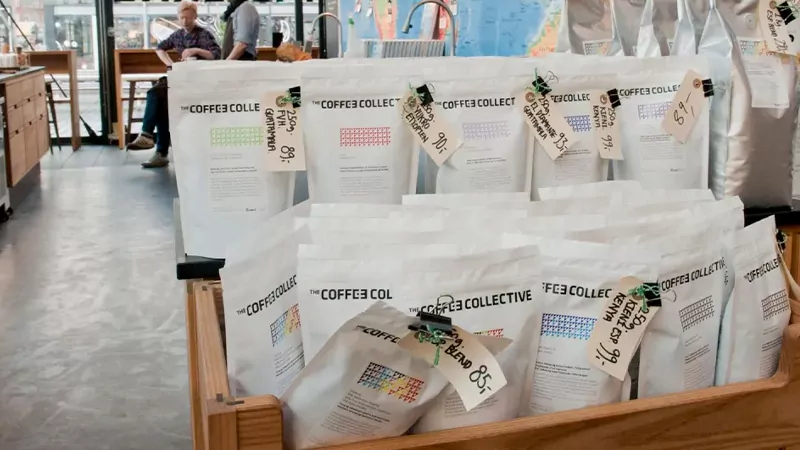
Custom coffee bags from BN PACK help you expand your retail and wholesale sales. You can choose from many customization options, including size, material, and design. These bags protect your coffee and keep it fresh, which improves customer satisfaction. High-quality printing and custom logos reinforce your brand identity. User-friendly features like resealable closures and easy-tear notches make the bags convenient for customers.
Feature | Benefit |
|---|---|
Customization Options | Enhances branding and caters to consumer preferences |
Material Variety | Protects coffee and preserves freshness, impacting customer satisfaction |
Design Integration | Reflects brand identity, improving customer experience and loyalty |
User-Friendly Features | Easy-tear notches and resealable closures enhance usability |
You can use BN PACK coffee bags to sell your beans in-store or online. Consistent branding across all packaging strengthens customer loyalty and helps you stand out in a crowded market.
Major Costs
Running a coffee shop means you must keep a close eye on your main expenses. These costs shape your profit margins and long-term success. Here are the largest cost categories you will face:
Labor costs
Cost of goods sold (COGS)
Overhead expenses
Cost Category | Description |
|---|---|
Cost of Goods Sold | Direct costs of producing goods sold, including materials and ingredients. |
Labor Costs | Expenses related to employee wages and benefits. |
Overhead Expenses | Ongoing business expenses such as rent and utilities. |
Rent and Utilities
Rent and utilities make up a big part of your overhead. You pay for your shop’s space, electricity, water, and internet. High-traffic locations often come with higher rent, but they can also bring in more customers. You need to balance location quality with your budget. Keeping utility costs low helps you protect your bottom line.
Labor
Labor costs usually take up 20% to 30% of your revenue. You pay your staff for their time, training, and benefits. If you manage your team well, you can keep labor costs under control. Busy city shops may pay more for skilled baristas. During slow months, labor costs can take up a bigger share of your revenue. Effective cost management in this area helps you stay profitable.
Ingredients and Supplies
You spend money on coffee beans, milk, syrups, and pastries. These items fall under the cost of goods sold. Fresh, high-quality ingredients keep your customers happy and coming back. You should track supply prices and look for deals to keep this cost in check.
Equipment
You need reliable equipment like espresso machines, grinders, and refrigerators. These tools require a big upfront cost and regular maintenance. Investing in quality equipment reduces breakdowns and helps you serve customers quickly.
Packaging (BN PACK Coffee Bags)
Packaging is more than just a container for your coffee. Custom coffee bags from BN PACK help you save money and stand out. Unique shapes and bold graphics make your products easy to spot. Custom packaging boosts brand recognition and builds customer loyalty. Digital printing lets you respond quickly to trends, which reduces inventory waste. Customizable packaging also streamlines your inventory and lowers storage costs. Choosing BN PACK coffee bags supports your sustainability goals and helps you manage costs efficiently.
Coffee Shop Profitability Strategies
Menu Optimization
You can boost profits by making smart choices about your menu. Start by building your menu around cost-effective ingredients. Highlight high-margin drinks and snacks that bring in more money with each sale. Offer unique items that set your shop apart from others in your area. Seasonal specials create excitement and keep customers coming back to try new things. Pairings, like a pastry with a coffee, encourage customers to spend more.
Use cost-effective ingredients.
Emphasize quality and presentation.
Create unique and seasonal offerings.
Promote pairings for upselling.
Review your menu often. Remove items that do not sell well or cost too much to make. Focus on what works best for your shop.
Pricing Tactics
Smart pricing helps you stay competitive and profitable. Use cost-plus pricing to cover your expenses and add a fair profit. Psychological pricing, such as setting prices just below a round number, can make items seem more affordable. Promote high-margin items by placing them at the top of your menu or highlighting them with special signs. Offer extras, like flavor shots or larger sizes, to increase the average sale. Technology, such as a mobile app, can help you manage loyalty programs and special offers.
Branding and Packaging (BN PACK)
Branding and packaging play a big role in coffee shop profitability strategies. Premium packaging, like BN PACK coffee bags, shapes how customers see your brand. The look and feel of your coffee bags create a strong first impression. Bright colors and unique shapes attract attention. Earthy tones suggest natural or organic ingredients.
Coffee bags shape first impressions fast. Shoppers often judge a product by how it looks, feels, and connects with their values. Smart design choices can turn a bag into a trusted voice that sells more coffee.
A well-designed coffee bag can increase customer retention by 18%. Green packaging boosts your brand’s ratings and makes 76% of customers willing to pay more. BN PACK coffee bags help you stand out and build loyalty.
Customer Experience
Focus on customer experience to keep people coming back. Train your staff to be friendly and helpful. Keep your shop clean and welcoming. Offer fast service, even during busy times. Use loyalty programs to reward repeat visits. Listen to feedback and make changes that improve your shop. Happy customers become regulars and tell others about your business.
Challenges and Opportunities
Market Saturation
You may notice many coffee shops in your area. Market saturation creates tough competition. You must find ways to stand out. Stiff competition means you need a strong brand presence to attract and keep customers. Regular equipment maintenance helps you avoid service interruptions that can drive customers away.
Here is a table showing common challenges and their impact on profitability:
Challenge | Impact on Profitability |
|---|---|
Supply chain issues | Can lead to inventory shortages, affecting product availability and customer satisfaction. |
Marketing difficulties | Difficulty in attracting customers can reduce sales and overall revenue. |
Operational problems | Inefficient operations can increase costs and reduce service quality, impacting customer retention. |
Financial challenges | Poor pricing strategies can lead to lost sales or reduced profit margins. |
Managing growth | Rapid growth without proper management can strain resources and affect service quality. |
You must address these potential challenges affecting coffee shop profitability to stay ahead in a crowded market.
Seasonality
Coffee shops often see changes in sales throughout the year. Cold weather brings more customers looking for hot drinks. Summer months may slow down sales unless you offer iced beverages and seasonal treats. You can plan promotions and adjust your menu to match the season.
Tip: Rotate your offerings and use creative marketing to keep customers interested all year.
Growth Opportunities
You can find many ways to grow your coffee shop. Catering services, online sales, and branded merchandise open new revenue streams. Innovative packaging solutions, such as BN PACK coffee bags, help you gain a competitive edge. Features like one-way valves and vacuum-sealed bags keep your coffee fresh and flavorful. Eco-friendly packaging attracts customers who care about sustainability.
Modern packaging with resealable zippers and single-serve pods makes your products convenient for busy customers. Research shows that 70% of consumers judge products by their packaging. Striking designs and vibrant colors help your coffee stand out. Sustainable materials build brand loyalty and improve your market presence.
You can use packaging innovation and sustainability to set your coffee shop apart and create lasting growth.
Real-World Examples
Success Stories
You can learn a lot from coffee shops that have found success. Many owners focus on quality, customer experience, and smart branding. For example, a small café in Seattle increased its monthly sales by 30% after switching to custom coffee bags from BN PACK. The new packaging made their beans stand out on shelves and kept the coffee fresh longer. Customers noticed the difference and started buying more bags to take home.
Tip: Eye-catching packaging can turn casual buyers into loyal fans.
Another example comes from a specialty coffee shop in Austin. The owner used BN PACK’s eco-friendly coffee bags to highlight their commitment to sustainability. Sales of packaged coffee grew by 40% in six months. The shop also gained new wholesale clients who valued the fresh taste and attractive design.
Here is a quick look at what helped these shops succeed:
Success Factor | Impact on Profitability |
|---|---|
Custom Packaging | Boosted retail and wholesale |
Sustainability Focus | Attracted eco-conscious buyers |
Strong Branding | Increased customer loyalty |
Lessons from Struggles
You should also pay attention to shops that faced challenges. One café in a busy city struggled with low sales. The owner used generic packaging that did not reflect the brand or protect the coffee well. Customers complained about stale beans and bland design. Sales dropped by 20% in three months.
A different shop in a college town had trouble standing out. The market was crowded, and their coffee bags looked similar to competitors. After switching to BN PACK’s customizable bags, the shop saw a 25% increase in repeat customers. The new packaging helped build a unique identity and improved freshness.
Note: Packaging is not just about looks. It protects your product and shapes how customers see your brand.
You can avoid common mistakes by choosing packaging that fits your brand and keeps your coffee fresh. BN PACK coffee bags offer many options to help you succeed in a competitive market.
You now see that coffee shops can be profitable if you manage costs and focus on quality. Most owners earn steady income by choosing the right location, menu, and branding. Real-world examples show that smart packaging, like BN PACK coffee bags, boosts sales and customer loyalty.
Tip: Review your expenses, invest in standout packaging, and always listen to your customers.
Consider all these factors before you open or improve your coffee shop. Success starts with informed choices.