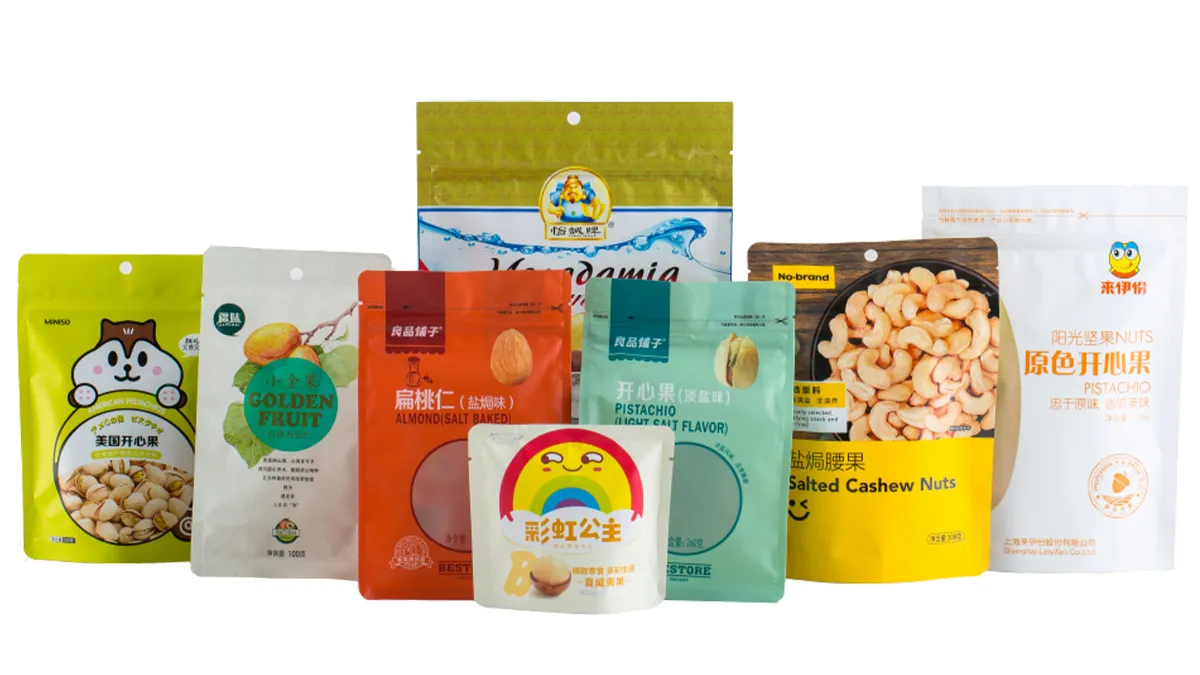
Stand up pouches have become one of the most popular packaging choices for various industries, thanks to their durability, versatility, and ability to enhance product appeal. Printing on these pouches is a crucial part of creating an eye-catching design that captures the attention of consumers. However, choosing the right printing method is essential to ensure that the final product meets your branding and quality expectations.
In this article, we will explore different methods of printing on stand-up pouches, their advantages, and situations in which each method excels. We will also highlight best practices to achieve high-quality prints.
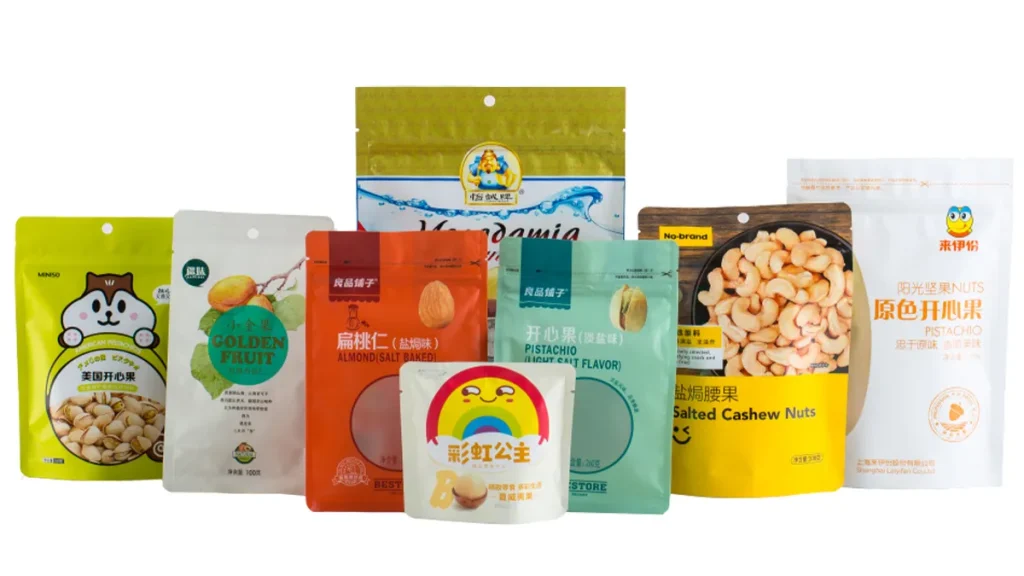
Rotogravure Printing
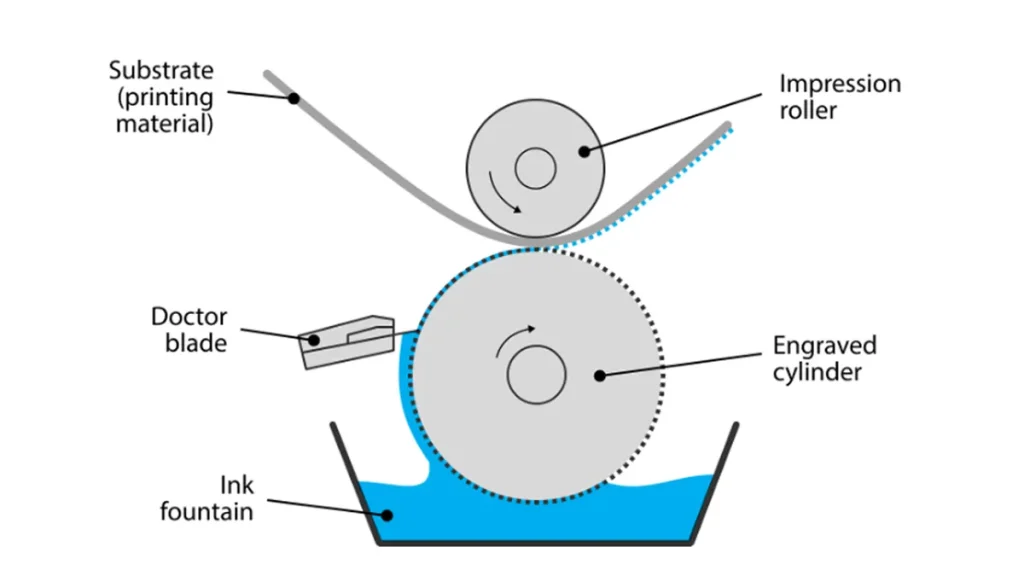
Rotogravure printing is one of the most common and widely used methods for printing on stand-up pouches. This method involves engraving a design onto a copper or chromium plate, which transfers the ink to the pouch’s surface under high pressure. It is especially suitable for high-volume runs and products that require fine details and gradients.
Advantages of Rotogravure Printing:
- High resolution: Capable of producing intricate patterns, gradients, and color transitions.
- High-quality printing: Ideal for premium products or packaging designs that require sharp, precise details.
- Best for large production volumes: It is perfect for mass production, as it can maintain a high level of quality even at fast speeds.
Best use cases for Rotogravure Printing:
- High-end products or premium packaging
- Large-scale production runs
- Designs that require fine, detailed, and accurate printing
Flexographic Printing
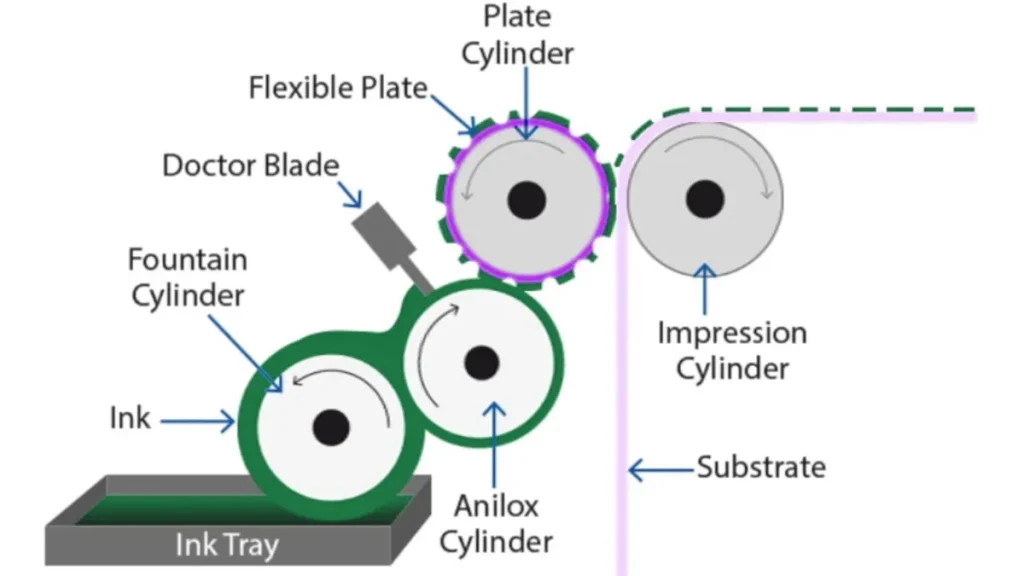
Flexographic printing is a popular, cost-effective method that uses flexible photopolymer plates to transfer ink onto stand-up pouches. It is particularly known for its ability to print vibrant colors and is great for high-speed production, making it perfect for large runs of products.
Advantages of Flexographic Printing:
- Versatile material compatibility: Works on a variety of materials, including plastic films, paper, and aluminum foils.
- Vibrant prints: Produces bright and vivid colors, ideal for multi-color designs.
- Cost-effective for large production runs: As production scales up, the cost per unit decreases.
Best use cases for Flexographic Printing:
- Large-scale production
- Designs with multiple colors or vivid hues
- Products that require durability over time
Digital Printing
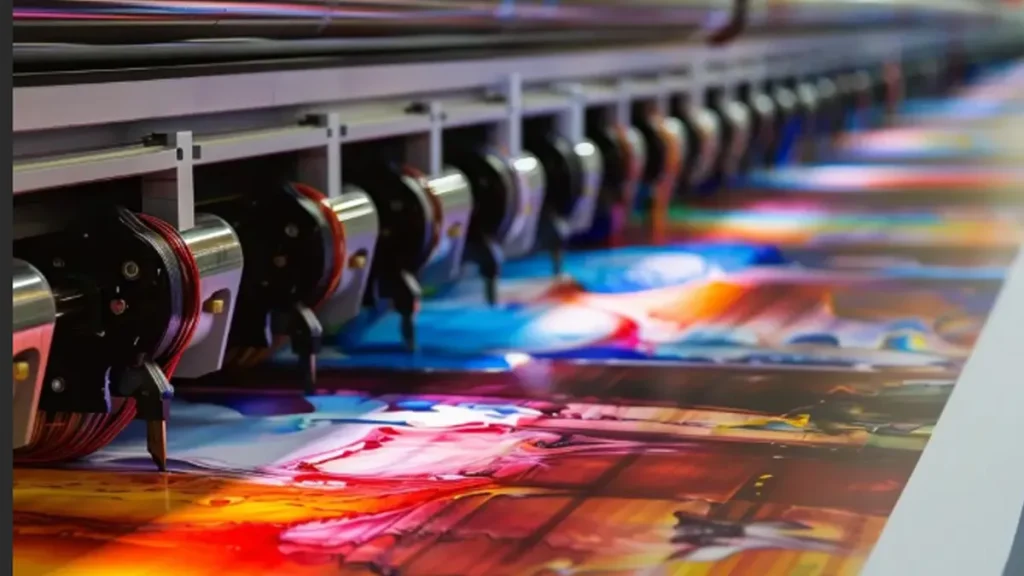
Digital printing is a relatively new printing technology that involves directly transferring the design from a digital file to the pouch surface. This method is ideal for small to medium-sized production runs and offers the flexibility of fast turnaround times.
Advantages of Digital Printing:
- Fast setup time: No need for traditional printing plates, reducing setup time significantly.
- Cost-effective for small runs: Ideal for low-volume orders, as it minimizes the initial cost.
- Quick turnaround: Faster than traditional printing methods, making it perfect for urgent orders.
Best use cases for Digital Printing:
- Small production runs
- Custom or variable data printing (e.g., batch numbers, expiration dates)
- Fast delivery or short lead times
Screen Printing
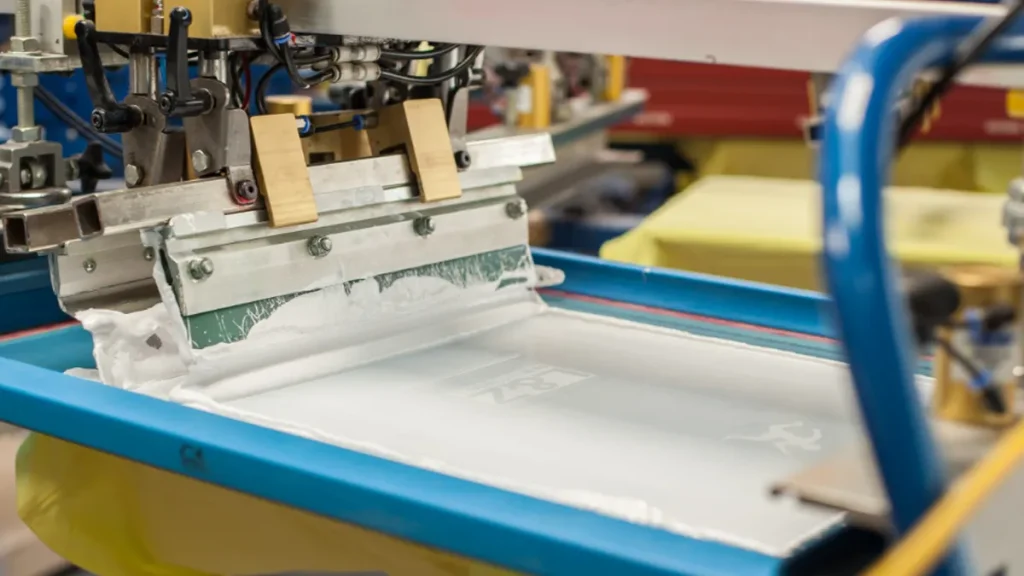
Screen printing is a traditional method that uses a mesh screen to apply ink onto the surface of the stand-up pouch. It is often used for simple, large designs or single-color prints. This method is durable and results in long-lasting prints.
Advantages of Screen Printing:
- Durability: The ink used in screen printing is highly durable and resistant to wear and tear, making it ideal for pouches that need to endure handling.
- Ideal for large designs: Perfect for printing large logos, text, or single-color designs on the pouch.
- Great for small production runs: Economical for smaller print jobs.
Best use cases for Screen Printing:
- Large-area or single-color designs
- Small production runs
- Products that require strong, long-lasting prints
Stand-Up Pouch Printing Method Comparison Table
| Printing Method | Advantages | Best Use Cases | Suitable Product Types |
|---|---|---|---|
| Rotogravure Printing | – High resolution – High-quality prints – Large-scale production | – High-end, premium products – Large production runs – Detailed, precise designs | Luxury food, beverages, cosmetics |
| Flexographic Printing | – Versatile material compatibility – Vibrant colors – Cost-effective at scale | – Large-scale production – Multi-color or bright designs – Durable packaging | Snacks, beverages, cleaning products |
| Digital Printing | – Quick setup – Cost-effective for small runs – Fast turnaround | – Small production runs – Custom printing (e.g., batch numbers) – Urgent orders | Limited-edition products, small batches |
| Screen Printing | – Durable prints – Ideal for large designs – Economical for small runs | – Large-area or single-color designs – Small production runs – Strong, long-lasting prints | Large logos, simple designs, promotional products |
Ink Selection and Color Management
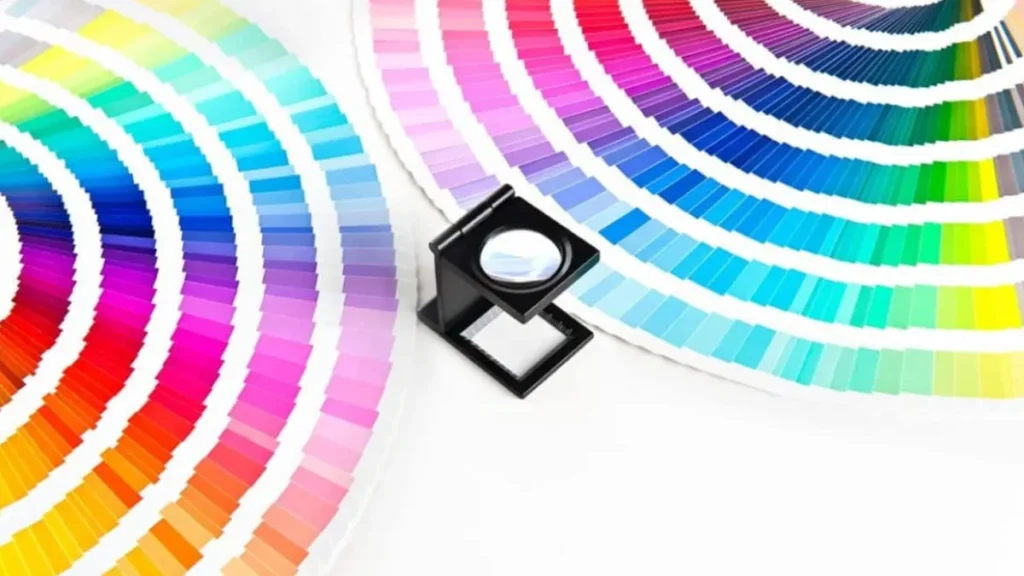
Once you’ve chosen the printing method, selecting the right ink and managing the colors is essential for ensuring a clean, accurate design. Here’s a quick guide to help you make the best ink choices:
Ink Types:
- Water-based inks: Water-based inks are popular for their eco-friendly properties. They are ideal for printing on a wide range of stand-up pouch materials and provide excellent adhesion, ensuring clear and crisp prints.
- UV-cured inks: These inks dry quickly and are highly durable, making them perfect for long-lasting prints. They are often used when speed is essential, and the ink must be resistant to wear.
Color Matching:
- Pantone Color Matching System (PMS): Using a system like Pantone ensures that your chosen colors match exactly with your designs. This is crucial for maintaining brand consistency, especially when you have specific color requirements for your product.
Consistency in Color:
- Standardized ink mixing ratios and strict print monitoring ensure that the color remains consistent across each print run. This is essential for preventing variations that can occur in packaging colors, which can affect your brand’s visual identity.
Environmental Considerations:
- Consider using inks with low levels of volatile organic compounds (VOC). Eco-friendly inks help reduce environmental impact, making them an excellent choice for sustainable packaging solutions.
Ink Selection and Color Management Summary Table
| Ink Type | Advantages | Best Use Cases |
|---|---|---|
| Water-based inks | – Eco-friendly – Good adhesion – Clear prints | – General-purpose printing – Eco-conscious products |
| UV-cured inks | – Fast drying – High durability – Ideal for fast production | – High-speed printing – Durable packaging products |
| Color Management System | Advantages | Best Use Cases |
|---|---|---|
| Pantone Color Matching (PMS) | – Accurate color matching – Consistent color reproduction | – Brand consistency – Products with precise color requirements |
| Standardized Ink Mixing | – Ensures color consistency – Avoids color discrepancies | – Large production runs – Uniform packaging designs |
Conclusion: Choosing the Right Printing Method for Stand-Up Pouches
When it comes to choosing the right printing method for stand-up pouches, the decision will depend on factors such as your production volume, design requirements, and budget. Whether you’re looking for high-quality prints for premium products or need an efficient solution for large-scale production, there is a printing method that can meet your needs.
At BN Packaging, we specialize in providing high-quality, customizable stand-up pouches for a wide range of industries. With advanced printing technologies and a focus on quality, we ensure that your product packaging stands out on the shelf while maintaining the highest standards of durability and performance.
FAQ
What is the most cost-effective printing method for stand-up pouches?
Digital and flexographic printing are both cost-effective for different scales of production. Digital is ideal for small runs, while flexographic is more economical for larger volumes.
Can I print on both sides of a stand-up pouch?
Yes, most printing methods, including rotogravure, flexographic, and screen printing, allow for printing on both sides of a stand-up pouch.
How long does it take to set up printing for stand-up pouches?
Setup time depends on the printing method. Digital printing has the quickest setup, while methods like rotogravure may take longer due to the need for engraving printing plates.
Can I print custom designs or logos on stand-up pouches?
Yes, all of the mentioned printing methods allow for custom logos, artwork, and other designs to be printed on stand-up pouches.