

For a coffee roaster, the rich, sweet, and complex aroma of beans transforming in the drum is the scent of success. It’s a sign of quality, craft, and the delicious product to come. But for your neighbors, local regulators, or even just your own work environment, that same process can produce a significant challenge: coffee smoke.
It’s crucial to understand that smoke is a natural and unavoidable byproduct of the roasting process. The challenge for a professional roaster isn’t to eliminate it entirely, but to manage it effectively, safely, and responsibly. Doing so is a fundamental part of being a good neighbor and a sustainable coffee business.
We will explore what causes it, the factors that increase its intensity, and the various methods—from simple to sophisticated—for ensuring your roastery is clean, compliant, and community-friendly.
What Exactly is Coffee Roasting Smoke?

To effectively manage coffee smoke, we first need to understand what it actually is. The visible and invisible emissions from a coffee roaster are not a single substance, but a complex mixture of several different components that change in concentration as the roast progresses.
The exhaust from a roaster is primarily composed of:
- Water Vapor: In the initial “drying phase” of a roast, the moisture within the green coffee beans evaporates. This creates a large amount of clean, white steam, which is the most prominent emission at the beginning of the process.
- Chaff: This is the dry, papery husk, also known as silverskin, that detaches from the bean as it expands during roasting. While not technically smoke, these light particles become airborne in the exhaust stream and can be a fire hazard if allowed to accumulate in the ducting.
- Volatile Organic Compounds (VOCs): These are the microscopic oils and organic compounds that create the wonderful, complex aroma of roasting coffee. While they are what make coffee smell so good, in high concentrations, these aromatic compounds can be considered an olfactory nuisance by neighbors.
- Particulate Matter (Visible Smoke): This is the component most people identify as coffe smoke. As the roast gets darker, the oils and sugars on the surface of the bean begin to combust, creating microscopic particles of oil and carbonized bean fragments. This is what produces the thick, often blueish, and acrid-smelling smoke that is most common with dark roasts.
It’s important to distinguish between the desirable aroma created by the VOCs and the problematic visible smoke and particulate matter. While they are released together, the primary goal of any smoke reduction system is to eliminate the particulate matter and reduce the intensity of the odors.
Factors That Influence Smoke Production
Not all roasts are created equal when it comes to smoke output. The amount and intensity of the smoke your roaster produces are directly influenced by a number of factors, some of which are entirely within your control. Understanding these variables is the first step toward managing your emissions effectively.
Roast Level (The Biggest Factor)
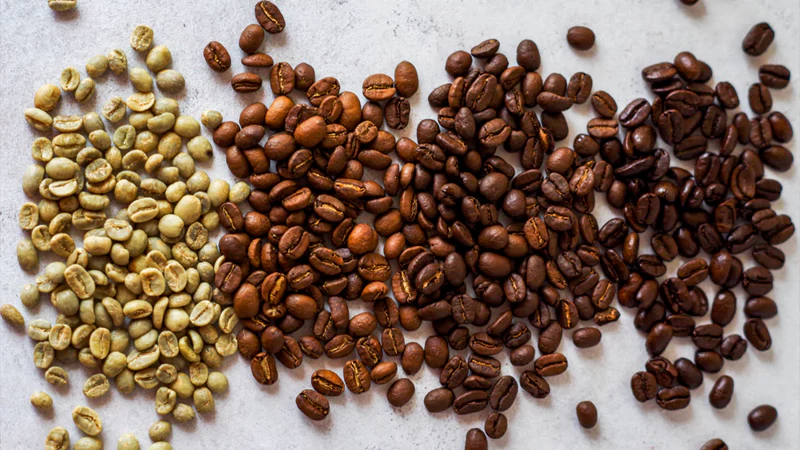
By far, the most significant factor determining smoke production is how dark you roast your coffee. There is a dramatic difference in the emissions from a light roast versus a dark roast.
- Light to Medium Roasts: These roasts are typically stopped during or shortly after the first crack. At this stage, the primary emissions are still water vapor and the volatile organic compounds that create a pleasant, sweet, and bready aroma. There is very little visible, particulate-heavy smoke produced.
- Dark Roasts: The heavy, blue, and acrid smoke that people typically associate with coffee roasting is a product of dark roasting. As the roast progresses into and through the second crack, the bean’s internal structure begins to break down, forcing the natural oils to the surface. When these oils are exposed to the high heat of the drum, they begin to burn. It is this combustion of surface oils that creates the thick, heavy smoke and the characteristic “roasty” smell. Pushing a roast too far can result in overly smoked coffee beans, where the flavor of the smoke overwhelms the natural character of the coffee.
Bean Type and Processing
The green coffee itself can also influence smoke levels.
- Bean Density: Denser, high-altitude beans often require more heat energy to be roasted properly, which can sometimes lead to greater smoke production, especially if the heat is not applied carefully.
- Processing Method: Natural and honey-processed coffees, which are dried with some or all of the fruit mucilage left on the bean, have a higher concentration of surface sugars. These sugars can caramelize and burn more easily, creating more smoke if the roast profile is not managed with a gentle hand.
Roaster Cleanliness
This is a critical but often overlooked factor. A roaster and its ventilation ducts that have a significant buildup of old coffee oils and chaff are a major source of excess smoke. These residual materials will burn and smolder during subsequent roasts, adding to the overall smoke output, creating unpleasant flavors, and posing a significant fire hazard. A regular and thorough cleaning regimen is one of the easiest and most important steps in reducing unnecessary smoke.
Methods for Reducing Coffee Roasting Smoke: From Simple to Advanced
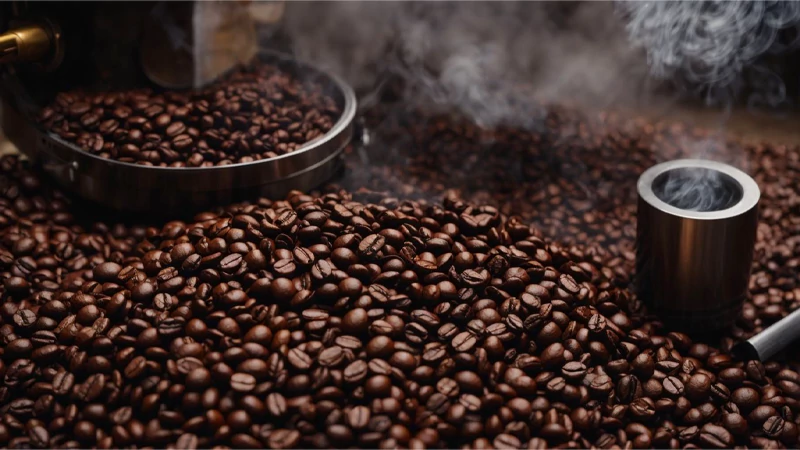
Once you understand what creates smoke and what factors influence its intensity, you can choose an appropriate method for managing it. The right solution for your roastery will depend on several factors, including your roast volume, your roast level preferences (especially if you do a lot of dark roasting), your location, and your budget. The available technologies range from basic ventilation to highly sophisticated (and expensive) systems.
Level 1: Ventilation and Ducting (The Bare Minimum)
For any roaster, regardless of size, the absolute minimum requirement is a properly designed and installed ventilation system. This consists of professional-grade ducting that safely channels all the exhaust from the roaster to the outside of the building.
- How it works: This is a passive method. It does not treat or reduce the smoke, but simply vents it from your workspace to the outdoors.
- Best for: Very small, sample, or hobbyist roasters who roast infrequently and primarily to light or medium levels.
- Considerations: It is crucial that the ducting terminates in a location that complies with local building codes and does not vent directly into public areas, near neighboring windows, or close to the building’s fresh air intakes.
Level 2: Chaff Collectors and Cyclones (Managing Particulates)
The first step in actively treating your exhaust is to remove the solid particles. Almost every commercial roaster is equipped with a chaff collector or a cyclone.
- How it works: These devices use airflow dynamics (a cyclone creates a vortex) to separate the heavier, solid chaff particles from the lighter smoke and air. The chaff falls into a collection bin to be disposed of, while the rest of the exhaust continues down the duct.
- Best for: All commercial roasters. This is a standard and essential component for both safety (chaff is flammable) and as a prerequisite for more advanced smoke reduction systems.
Level 3: Afterburners (The Traditional Industry Standard)
For many years, the afterburner has been the go-to solution for roasteries needing to eliminate smoke and odor completely.
- How it works: An afterburner is essentially a second combustion chamber for your roaster’s exhaust. It is a large, insulated incinerator that uses a powerful gas burner to heat the smoke-filled exhaust to extreme temperatures (typically 1200-1500°F / 650-815°C). At this temperature, the particulate matter, volatile organic compounds (VOCs), and odors are completely incinerated, leaving primarily clean heat, water vapor, and carbon dioxide to exit the stack.
- Pros: Extremely effective. It is the most thorough method for eliminating almost all visible smoke and odors.
- Cons: It has a very high initial purchase price and significant ongoing operational costs due to its high consumption of natural gas or propane.
Level 4: Modern Alternatives (Advanced & Efficient Technology)
In response to the high energy costs of afterburners, a new generation of smoke reduction technology has emerged.
- Catalytic Converters: Similar in concept to the device in your car, a catalytic converter for a coffee roaster passes the exhaust through a catalyst-coated medium. The catalyst dramatically lowers the temperature required to combust the smoke and VOCs (down to around 600-800°F / 315-425°C). This makes them significantly more energy-efficient than traditional afterburners.
- Electrostatic Precipitators: This technology is a type of industrial coffee roaster smoke filter. It works by giving the smoke particles in the exhaust an electrical charge. The charged particles are then passed by collection plates with an opposite charge, which act like magnets, pulling the smoke and oil particles out of the airstream. These systems are highly effective at removing visible smoke and grease but are generally less effective at eliminating odor compared to combustion-based systems.
Quality Control: Roasting for Flavor, Not Just for Less Smoke
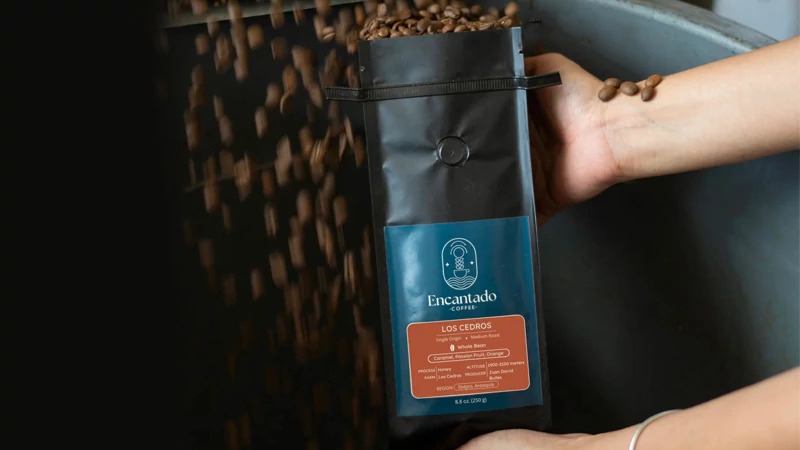
While managing emissions is a critical part of running a responsible roastery, it is essential to remember the ultimate goal: to produce delicious, high-quality roasted coffee. The choice of a smoke reduction system should support, not compromise, your ability to achieve the perfect roast profile. The significant investment in your roasting machine, your green coffee, and your smoke abatement technology is all in service of creating an exceptional final product.
Once you have navigated the complexities of smoke reduction and skillfully perfected your roast, the final step in the quality control process is ensuring that your customer experiences the coffee at its absolute peak. The delicate and volatile flavor compounds you have worked so hard to develop are incredibly fragile. The moment the beans leave the roaster, they are vulnerable to degradation from oxygen and light.
Whether you’ve crafted a clean, bright medium roast that produced minimal smoke or a bold, rich dark roast that required the full power of your afterburner, preserving its unique character is paramount. High-quality coffee bags from BN Pack are the final, essential step in your quality control process. Our multi-layer, high-barrier bags create an airtight fortress against staling oxygen and UV light, protecting the nuanced flavor profile you worked so hard to achieve. The one-way degassing valve is crucial for allowing freshly roasted beans to rest and release CO2 without exposure to the elements. Don’t let your commitment to responsible roasting be undone by inferior packaging. Protect your craft and deliver the perfect cup.
Conclusion
Coffee smoke is a natural and unavoidable byproduct of the beautiful transformation that happens inside a roaster. As we’ve seen, the intensity of this smoke is primarily dictated by the roast level, with darker roasts producing significantly more particulate matter. Fortunately, a wide range of solutions, from simple ventilation and ducting to highly advanced and energy-efficient afterburners and electrostatic precipitators, are available to suit every scale of operation and budget.
Ultimately, managing your roastery’s emissions is more than just a regulatory hurdle; it is a fundamental part of the craft of specialty coffee. It is a sign of a professional, sustainable, and community-minded business that respects its neighbors and takes pride in every aspect of its operations. By investing in the right smoke reduction strategy for your business, you are not only ensuring a cleaner and safer environment but also building a foundation for long-term success and community acceptance.