
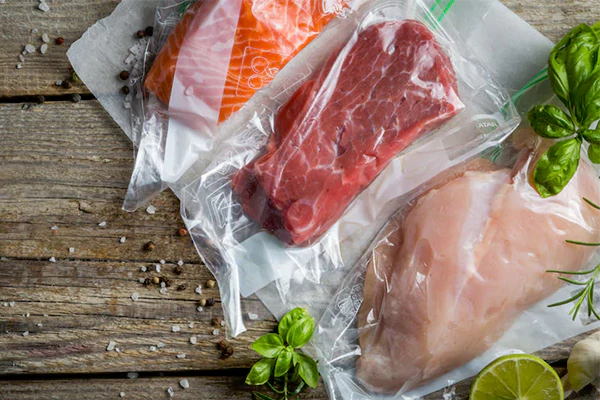
Ready to try sous vide at home? You just seal your food in a food-safe plastic pouch, then place it in a water bath cooker. Sous vide cooking uses precise temperature control, so you get perfect results every time. Always choose high-quality bags. BN PACK offers trusted, safe packaging for sous vide and water bath cooking.
Tip: Make sure your bags are BPA-free and designed for sous vide. This helps prevent chemicals from getting into your food during cooking.
What Is Sous Vide?
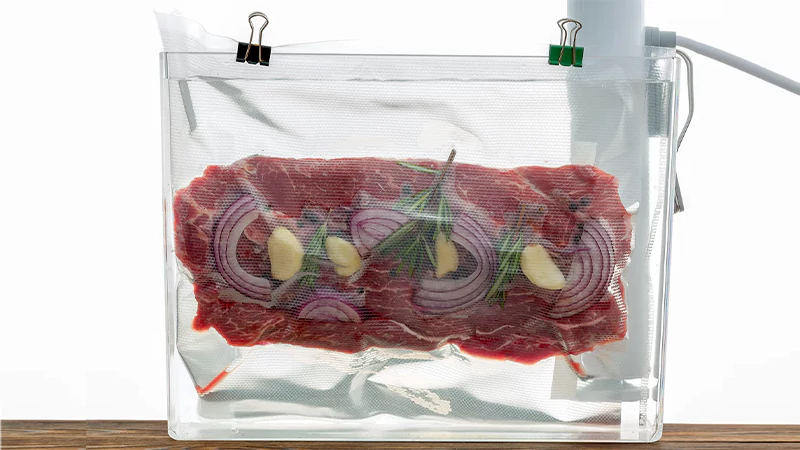
Sous vide is a cooking method that lets you make restaurant-quality meals at home. You seal your food in a pouch, then place it in a water bath cooker. The water bath uses an immersion circulator to keep the temperature steady. This method cooks food slowly and evenly. You get juicy, tender results every time. Sous vide cooking works for meats, eggs, and even vegetables. You control the temperature, so your food never gets overcooked. The immersion circulator makes sure the water stays at the right temperature for the whole cooking time.
Did you know? Sous vide means “under vacuum” in French. You use vacuum-sealed bags to lock in flavor and moisture.
How Water Bath Cooking Works
When you start cooking sous vide, you use a water bath cooker with an immersion circulator. The circulator keeps the water moving and the temperature even. You set the temperature and cooking time, then let the method do the work. The food cooks inside the pouch, soaking up seasonings and staying moist. Unlike traditional cooking, sous vide never goes above the set temperature. This method breaks down tough proteins and keeps juices inside. You get food that tastes better and feels softer.
Here are some features to look for in a water bath cooker:
Consistent temperature maintenance
Water circulation for even heat
Timers for easy control
Models with WiFi or app integration
A container sized for your food
Accessories like racks or clips
BN PACK’s food-safe pouches help you get the best results. Their bags are BPA-free, strong, and designed for sous vide cooking. You can trust their commitment to safety and quality.
Benefits for Home Cooks
Sous vide cooking gives you many advantages:
You get perfectly cooked food every time.
The method keeps food juicy and tender.
You can cook pork, chicken, lamb, and even carrots with great results.
The immersion circulator and temperature control make cooking easy.
You avoid overcooking and keep nutrients in your food.
Food Type | Why Use Sous Vide? |
|---|---|
Tougher Cuts of Meat | Turns tough proteins into tender, flavorful meals |
Eggs | Gives you exact texture and consistency |
Pork | Keeps fats and juices, making pork moist and tasty |
Lamb | Prevents overcooking, keeps meat succulent |
Carrots | Maintains crispness and infuses flavors |
With BN PACK’s reliable packaging, you can enjoy safe and delicious sous vide meals at home.
Getting Started with Cooking in Plastic Bags
Choosing a Water Bath Cooker
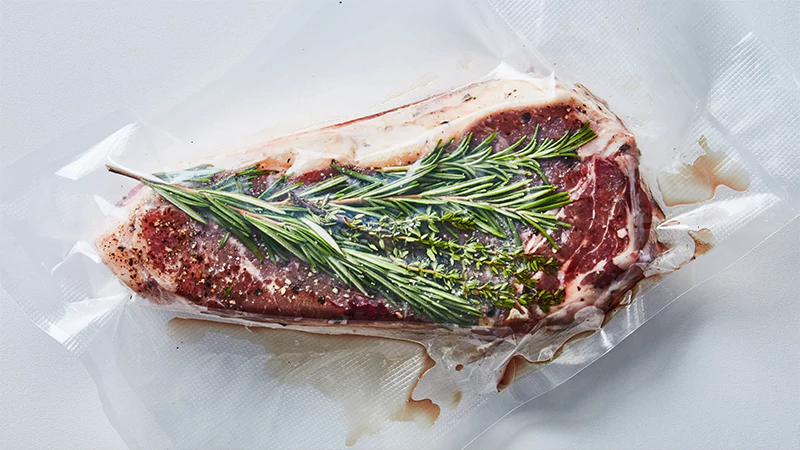
If you want to start sous vide at home, you need the right water bath cooker. Most beginners choose an immersion circulator. This device clamps onto a pot or container and keeps the water at a steady temperature. Some people use countertop water ovens, but immersion circulators are more popular because they are easy to use and store.
Here’s a quick look at what you should consider:
Factor | What to Look For |
|---|---|
Size and Capacity | Pick a cooker that fits your batch size and kitchen space. |
Compatibility | Make sure it works with your stove or countertop. |
Material | Stainless steel lasts longer and resists rust. |
Type | Electric models are hands-off; stovetop models need more attention. |
Accessories | Racks, lids, and clips help keep bags in place and water circulating. |
For beginners, brands like Inkbird, Monoprice, Sousvide Art, and Anova Nano make great immersion circulators. These models are easy to set up, hold temperature well, and come with helpful features like app controls or digital displays.
Tip: Always use a container deep enough to fully submerge your bags. A clear plastic bin or a deep pot works well.
Selecting Safe Plastic Bags
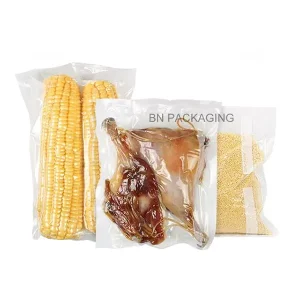
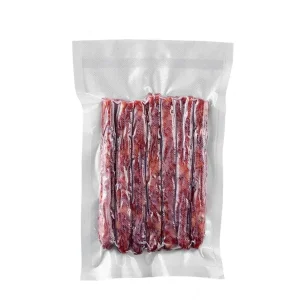
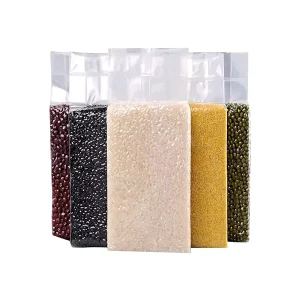
Choosing the right bag is just as important as picking your cooker. You want bags that are safe, strong, and made for sous vide. Not all plastic bags are created equal. Some can leach chemicals into your food when heated. Always look for bags labeled BPA-free and food-grade.
BN PACK offers high-quality sous vide pouches that are heat-resistant and food-safe. These bags keep your food’s flavor, moisture, and nutrients locked in during cooking. BN PACK’s pouches use advanced sealing technology to prevent leaks and withstand high temperatures. They meet strict international safety standards, including FDA compliance and SQF certification. You can trust these bags for both home and professional sous vide cooking.
Here’s what to check when picking bags for sous vide:
Certification / Standard | Why It Matters for Sous Vide Cooking |
|---|---|
FDA Compliance | Ensures the bag is safe for direct food contact under heat |
SQF (Safe Quality Food) Certification | Proves high food safety standards in manufacturing |
Non-Allergen Statement | Prevents allergen contamination |
RoHS Statement | Confirms no harmful heavy metals in the plastic |
Note: Using ziploc bags is common for sous vide, but always check that they are labeled BPA-free and food-grade. BN PACK’s pouches are designed specifically for sous vide, giving you extra peace of mind.
If you want to reduce waste, reusable silicone bags are another option. They are BPA-free and eco-friendly, but you may need to use weights to keep them submerged. BN PACK also offers eco-friendly packaging choices, including compostable and recyclable pouches.
Preparing and Sealing Food
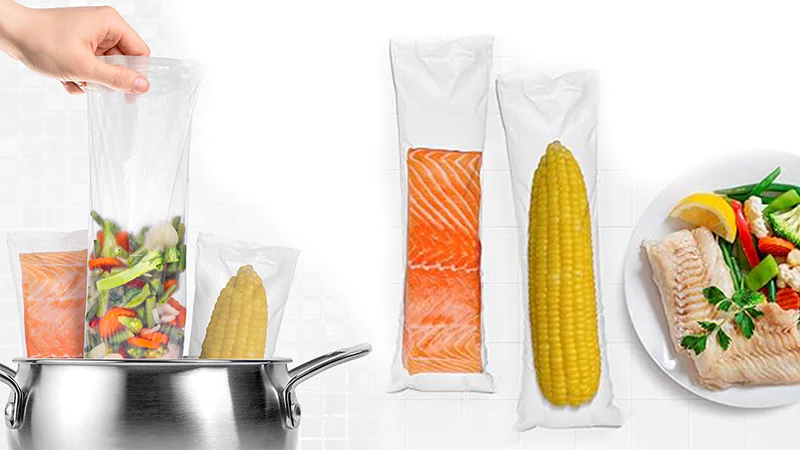
Getting your food ready for sous vide is simple, but a few steps make a big difference. Start by seasoning your food. Use herbs and spices, but go easy—flavors get stronger during sous vide cooking. For meats, marinate or brine if you want extra tenderness and moisture. For vegetables, cook them at higher temperatures to soften them properly.
Now, it’s time to seal your food. Here’s how:
Place your food in a sous vide pouch or ziploc bag.
Remove as much air as possible. A vacuum sealer works best, but you can use the water displacement method with ziploc bags.
For extra safety, double-seal the bag or place one sealed bag inside another.
Make sure the seal is tight to prevent leaks during cooking.
Tip: If you’re using ziploc bags, choose freezer bags—they’re thicker and more heat-resistant. Avoid cheap or store-brand bags, which can break more easily.
If your food floats, add a weight or use a binder clip to keep it submerged. This helps ensure even cooking.
Setting Up the Water Bath
You’re almost ready to start cooking sous vide. Fill your container with enough water to cover your bags completely. Attach your immersion circulator and set the desired temperature. Let the water heat up before adding your food.
Follow these steps for a smooth setup:
Preheat the water to your target temperature.
Place the sealed bags in the water, making sure they are fully submerged.
Use clips to attach bags to the side of the container if needed.
Add a rack or organizer if you’re cooking multiple bags to keep them separated.
Cover the water surface with a lid, plastic wrap, or ping pong balls to reduce evaporation during long cooks.
Keep the water moving for even heat. The immersion circulator does this automatically, but don’t overcrowd the bath. Space out your bags so hot water can flow around each one.
Cooking Tips and Safety
Sous vide cooking is safe and easy if you follow a few simple rules. Always use bags made for sous vide, like BN PACK’s pouches or BPA-free ziploc bags. Keep the water at the right temperature for your food. For most meats, set the water bath to just above your desired final temperature. This prevents overcooking and keeps your food juicy.
Here are some extra tips:
Never use bags that aren’t labeled food-grade or BPA-free.
Avoid raw garlic in sous vide recipes. It can cause food safety issues.
Chill cooked food quickly if you’re not eating it right away. This stops bacteria from growing.
For best results, keep your bags fully submerged and spaced apart.
If you use reusable silicone bags, remember they may float. Use weights to keep them down.
Common concerns about food cooked sous vide include chemical leaching and bacteria. High-quality bags like those from BN PACK or BPA-free ziploc bags are safe for sous vide. Always check for certifications and ask the manufacturer if you have questions.
Safety First: Always follow recommended cooking times and temperatures. Use a thermometer to double-check if you’re unsure.
Sous vide is a cooking method that gives you control and consistency. With the right equipment and safe bags, you can enjoy delicious, perfectly cooked food every time.
To master sous vide at home, follow these steps: seal your food tightly, keep bags fully submerged, and cover the water bath. Try beginner recipes like scrambled eggs or meats using safe, high-quality bags. For reliable, food-safe packaging, BN PACK stands out with strict safety standards and innovative features.