
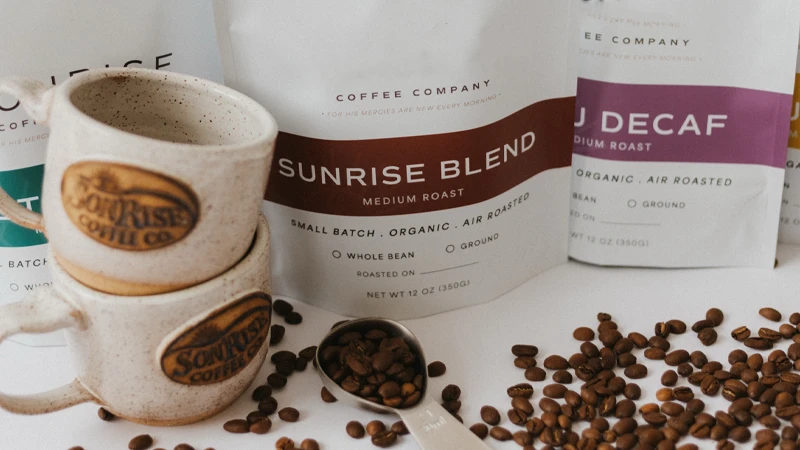
Many coffee drinkers find that 350g coffee offers a balanced option for daily use. This size has gained popularity in e-commerce and home brewing because it supports freshness and convenience. People who value less waste and easy storage often choose this amount. Each person should consider how much coffee they drink and how quickly they finish a bag. Choosing the right size helps keep coffee fresh and enjoyable.
Key Takeaways
- A 350g coffee bag offers a perfect balance of freshness and convenience for daily coffee drinkers, lasting about one to two weeks after opening.
- This size suits solo drinkers, couples, and small households by reducing waste and allowing easy storage without sacrificing flavor.
- 350g bags work well with most home brewing methods like pour-over, drip, and French press, supporting flexible brewing ratios and cup sizes.
- Choosing the right coffee bag size depends on daily consumption, brewing gear, freshness preferences, and storage space.
- Custom packaging options, including eco-friendly materials and resealable features, help keep 350g coffee fresh and support sustainable habits.
350g Coffee Explained
What 350g Means
A 350g coffee bag contains 350 grams of roasted coffee beans or ground coffee. This size fits into the medium category for coffee packaging. Most 350g coffee bags measure about 6 by 9 inches, which makes them easy to store in kitchen cabinets or on countertops. The actual volume of coffee in the bag depends on the roast level. Light roasts are less dense, so they take up more space, while dark roasts are denser and take up less space. The following table shows how the density of coffee affects the volume in a 350g bag:
| Parameter | Value Range | Explanation |
|---|---|---|
| Coffee Density | 0.330 to 0.450 g/ml | Density varies by roast level (light to dark) |
| Weight of Coffee | 350 g | Given bag weight |
| Volume (min) | 778 ml | Volume at highest density (dark roast) |
| Volume (max) | 1061 ml | Volume at lowest density (light roast) |
A 350g coffee bag falls between small sample sizes and large bulk bags. The chart below compares common coffee bag sizes and their typical capacities:
This medium size has become popular in e-commerce and home brewing because it balances convenience and freshness.
Cups Per Bag
People often wonder how many cups they can brew from a 350g coffee bag. The answer depends on the amount of coffee used per cup and the brewing method. Most standard recipes use about 10 to 12 grams of coffee for a single cup. Pour-over methods often use 24 to 25 grams for a larger mug. The following table shows how different ratios affect the number of cups:
| Coffee-to-Water Ratio | Coffee (g) per Cup | Cups from 350g Bag | Notes |
|---|---|---|---|
| 1:16 (standard) | 10-12 | 29-35 | Small cups (120-150 ml) |
| 1:16 (pour-over) | 24-25 | 14-15 | Large cups (355 ml) |
- A typical pour-over uses about 24-25 grams of coffee and makes a 12 oz (355 ml) cup. Using a 350g coffee bag, this yields about 14-15 large cups.
- For smaller cups, using 10-12 grams per cup, a 350g bag can make up to 29-35 cups.
Tip: People who drink one or two cups daily will find that a 350g coffee bag lasts about one to two weeks, keeping the coffee fresh until the last scoop.
Brewing Ratios
Brewing ratios help determine the strength and flavor of coffee. The standard ratio is 1:16, which means one gram of coffee for every 16 grams (or milliliters) of water. Some people prefer stronger coffee and use a 1:15 or 1:14 ratio. Others like a lighter brew and use 1:17 or 1:18. The table below shows how these ratios apply to a 350g coffee bag:
| Brewing Method | Coffee-to-Water Ratio | Example for 350g Coffee Bag |
|---|---|---|
| Aeropress | 1:15 | 350g coffee to 5250g water |
| Pour-over (Chemex, Drip) | 1:16 to 1:18 | 350g coffee to 5600-6300g water |
| French Press | 1:15 to 1:16 | 350g coffee to 5250-5600g water |
| Moka Pot | 1:12 | 350g coffee to 4200g water |
| Cold Brew | 1:8 | 350g coffee to 2800g water |
| Espresso | 1:2 | 350g coffee to 700g water |
Most home brewers use the pour-over or drip method, which fits well with the 1:16 to 1:18 range. This ratio provides balanced extraction and flavor. People can adjust the ratio to match their taste preferences. A 350g coffee bag offers enough flexibility for different brewing styles and cup sizes.
Who Should Choose 350g Coffee
Solo Drinkers
Solo coffee drinkers often look for a balance between freshness and convenience. A 350g coffee bag provides enough beans for about two weeks of daily brewing. This size helps prevent coffee from going stale before the bag is empty. Many people who live alone find that a medium-sized bag fits their storage space and brewing habits. They can enjoy a variety of roasts without committing to a large quantity.
Couples & Small Households
Couples and small households benefit from the flexibility of a 350g coffee bag. Two people who each drink one cup per day will finish the bag in about a week. This pace keeps the coffee fresh and flavorful. Small households can also try different types of coffee more often. They avoid the risk of waste that comes with larger bags. The medium size makes it easy to store and reseal.
Small Offices
Small offices sometimes consider 350g coffee bags for their break rooms. However, most small businesses use much more coffee each week. For example:
- A restaurant may use about 7 pounds (over 3 kilograms) of coffee per week.
- Most roasting batches are 350g, but this is a typical batch size, not a weekly supply.
- A single 350g bag will not meet the needs of a small office with moderate consumption.
For offices with only a few coffee drinkers, a 350g coffee bag may work for occasional use or specialty brews.
Freshness Seekers
People who value freshness above all else often choose 350g coffee bags. Smaller bags mean less time between opening and finishing the coffee. This helps preserve aroma and flavor. Freshness seekers can buy new coffee more often and enjoy a better cup every time. They also reduce the risk of waste from unused, stale beans.
350g Coffee Benefits
Freshness
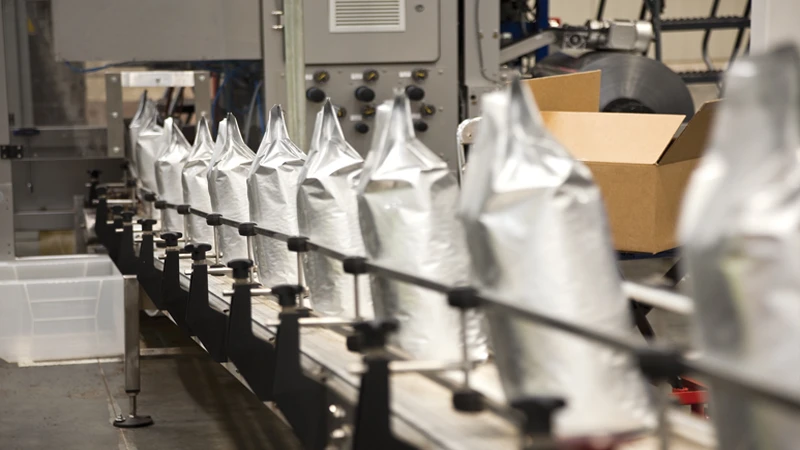
Freshness matters to every coffee lover. The 350g coffee bag helps keep beans at their best. Vacuum sealing nearly stops degassing, which preserves aroma and flavor. When people open a smaller bag, they finish it before the coffee loses its quality. Proper storage and resealable packaging also help maintain freshness over time. Many choose this size because it matches how quickly they use coffee, so every cup tastes as intended.
Less Waste
Reducing waste is important for both the environment and the wallet. Smaller bags like 350g coffee allow users to open only what they need. This prevents large amounts of coffee from going stale or being thrown away. People can buy larger quantities, such as 1-2kg, and divide them into several 350g bags. This method keeps unused coffee sealed and fresh. Some even reuse bags or select eco-friendly packaging to minimize plastic waste.
Tip: Portioning coffee into smaller bags helps avoid waste and supports sustainable habits.
Consistency
Consistency in taste and quality improves the coffee experience. Using the same amount from a 350g bag each time makes it easier to measure and brew. People can expect similar results with every cup. The size fits well with popular brewing ratios, so users do not need to adjust their recipes often. This reliability appeals to those who want a predictable and enjoyable routine.
Convenience
Convenience stands out as a key benefit of 350g coffee bags. This size offers enough coffee for about 24-30 cups, which suits most daily or weekly needs. The bag is easy to handle, store, and reseal. It fits well in kitchen cabinets and works with common packaging types like flat bottom, stand-up, and gusset bags. These features make it simple for consumers to keep their coffee fresh and accessible.
350g Coffee Drawbacks
Not for Large Groups
A 350g bag may not meet the needs of large families or offices. When several people drink coffee daily, this size runs out quickly. Large gatherings or events require more coffee on hand. People who host frequent guests often prefer bigger bags to avoid running out. For example, a family of five who each drink two cups per day will finish a 350g bag in just a few days.
Brewing Method Limits
Some brewing methods work better with larger quantities of coffee. Commercial drip machines and large French presses often require more grounds than a 350g bag can provide for multiple batches. People who use these methods may find themselves needing to open new bags more often. This can interrupt the brewing process and reduce convenience.
Note: Single-serve and small-batch brewing methods fit well with this size, but bulk brewers may find it limiting.
Frequent Restocking
People who drink several cups daily will need to restock more often with a 350g bag. Frequent trips to the store or repeated online orders can become inconvenient. This drawback affects those who value having a steady supply without interruption. Some may prefer to buy in bulk to reduce the time spent on restocking.
Cost vs. Bulk
Buying coffee in smaller bags often costs more per gram than purchasing in bulk. Retailers usually offer discounts for larger quantities. People who want to save money may choose bigger bags despite the risk of reduced freshness. The table below compares typical price differences:
| Bag Size | Average Price per Gram | Total Price |
|---|---|---|
| 350g | $0.05 | $17.50 |
| 1kg | $0.04 | $40.00 |
Bulk buyers save money over time, but must balance cost with the need for freshness and storage space.
Choosing Your Brew Size
Daily Use
People should start by thinking about how much coffee they drink each day. Someone who enjoys one or two cups daily may find a medium-sized bag lasts about a week or two. Those who drink more will need to restock more often. The right brew size helps keep coffee fresh and reduces waste. Many consumers prefer smaller bags for home use or gifts, while larger bags suit frequent brewers or offices.
Brewing Gear
Brewing equipment plays a big role in choosing the right size. Different methods require different grind sizes and amounts of coffee. For example, espresso machines and AeroPress need finer grinds and smaller amounts. French presses and drip brewers use coarser grinds and larger quantities. The quality of the grinder also matters. Burr grinders create even particles for better flavor, while blade grinders can cause uneven extraction. The table below shows how brewing method and gear affect grind and bag size:
| Brewing Method | Grind Size Needed | Typical Amount per Brew | Bag Size Fit |
|---|---|---|---|
| Espresso | Fine | 18-20g | Small/Medium |
| Pour-over/Drip | Medium | 20-25g | Medium |
| French Press | Coarse | 30-40g | Medium/Large |
Priorities
Consumers often select a coffee bag size based on what matters most to them. Freshness, convenience, and budget all play a part. Research shows that packaging size and ease of use influence about 70% of buying decisions. Smaller bags offer portability and help maintain quality, while larger bags provide better value for frequent drinkers. Offering a range of sizes meets different needs and supports personal preferences.
Quick Checklist
- How many cups do you drink each day?
- What brewing method and grinder do you use?
- Do you value freshness or saving money more?
- How much storage space do you have?
- Do you want to try different coffees often?
Tip: Change only one variable at a time, such as grind size or brew ratio, to find your perfect cup.
Custom Packaging for 350g Coffee
Flexible Packaging Options
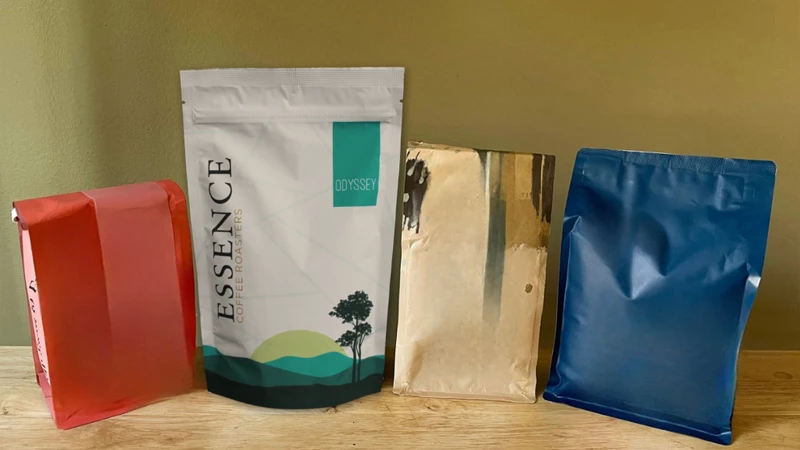
BN Pack stands out as a leading provider of custom flexible packaging for 350g coffee bags. The company offers a wide range of packaging styles to meet different needs. Popular options include stand-up pouches, side gusset pouches, flat bottom pouches, and roll film. Many brands choose flat bottom and gusseted bags with vent valves for their ability to keep coffee fresh. Other choices, such as zipper pouches and kraft paper bags with windows, add convenience and shelf appeal. These packaging types come in various sizes and finishes, such as matte or glossy, and support custom printing for strong branding.
Tip: Features like resealable zippers and one-way valves help maintain the freshness of 350g coffee and make the packaging easy to use.
Eco-Friendly Materials
Sustainability has become a top priority for coffee brands and consumers. BN Pack uses eco-friendly materials in its 350g coffee packaging, including recyclable Mylar, biodegradable kraft paper, PET, VMPET, and PE. All materials are food-grade and meet strict environmental standards. The company holds certifications such as ISO14001, showing a commitment to reducing environmental impact. These choices help brands appeal to eco-conscious customers and support green initiatives.
Customization Features
Coffee brands value packaging that reflects their identity and meets customer needs. BN Pack offers a variety of customization features for 350g coffee bags. The table below highlights the most valued options:
| Customization Feature | Description and Value to Coffee Brands |
|---|---|
| Personalized Artwork & Sizes | Unique designs and tailored sizes for market differentiation |
| Low Minimum Order Quantities | Orders start at 500 pieces, ideal for small roasters and seasonal launches |
| Functional Features | Resealable zippers, degassing valves, and tin ties for freshness and convenience |
| Visual Appeal | Digital printing and vibrant colors for strong shelf presence |
| Sustainability | Compostable liners and recyclable options for eco-friendly branding |
| Innovative Tech Features | QR codes and NFC chips for interactive customer experiences |
BN Pack supports brands with fast turnaround times and responsive service. The company’s digital workflow allows customers to design, approve, and track orders efficiently. These features make BN Pack a trusted partner for custom 350g coffee packaging.
Many coffee drinkers find 350g coffee bags practical and versatile.
- This size supports freshness for weeks and fits both espresso and alternative brewing methods.
- Coffee lovers can experiment with different roasts and enjoy balanced flavors.
- The manageable quantity suits solo drinkers, couples, and those who value variety.
Trying 350g coffee helps people discover their ideal brew size. Brands seeking custom packaging can explore BN Pack’s flexible solutions for quality and convenience.
FAQ
How long does a 350g coffee bag stay fresh after opening?
A 350g coffee bag usually stays fresh for one to two weeks after opening. Resealable packaging and proper storage in a cool, dry place help preserve flavor and aroma.
Can 350g coffee bags work with all brewing methods?
Most brewing methods, such as pour-over, French press, and drip, fit well with 350g bags. Large commercial brewers may require more coffee, but home brewers find this size flexible.
Is 350g coffee enough for daily use?
For one or two people drinking one to two cups each day, a 350g bag lasts about a week. This size supports regular use while keeping coffee fresh.
Are 350g coffee bags eco-friendly?
Many brands, including BN Pack, offer 350g coffee bags made from recyclable or compostable materials. These options help reduce environmental impact and appeal to eco-conscious consumers.