
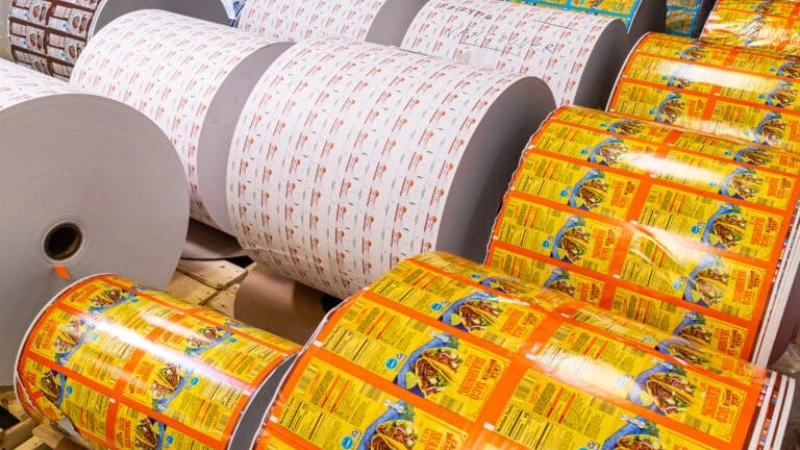
You may encounter challenges when you manage heavy packaging film rolls at your facility. Safe handling and proper storage ensure your workers remain safe and your products stay in excellent condition. Utilizing BN PACK’s Rolls film packaging can streamline your operations, making your work faster and easier. This packaging is compatible with high-speed FFS systems, enhancing your workflow and helping you save money. The table below illustrates how BN PACK solutions can improve your process:
Benefit | Description |
|---|---|
High-Speed Production Efficiency | Easy FFS integration for fast filling and sealing |
Increased Efficiency | Quicker packaging by eliminating unnecessary steps |
Cost-Effective | Reduced labor costs and increased profit |
A straightforward, step-by-step plan assists you in addressing common issues. It also ensures that your operations run smoothly when you manage heavy packaging at your facility.
Manage Heavy Packaging Film Rolls Safely
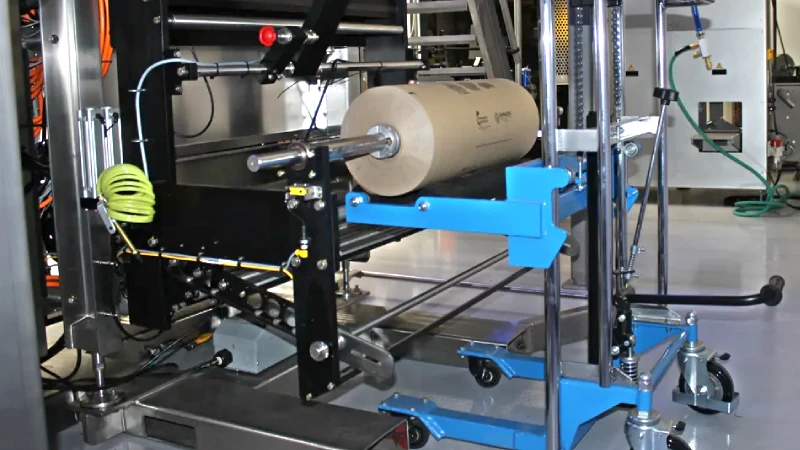
Using Packaging Film Roll Lifts
You need special machines to move heavy packaging film rolls. Packaging film roll lifts help you pick up and place rolls safely. These lifts can hold a lot of weight. This means workers are less likely to get hurt. Your work also goes faster and smoother. The table below shows how much weight each lift can hold:
Equipment Description | Maximum Capacity |
|---|---|
Ultra V100 Manual | 200 kg (440 lbs) |
Roll Lifter Rotary Tray | 140 kg |
Roll Manipulators | 1,200 lbs |
Roll Handling Lift Truck Attachment | 907 kg (2,000 lbs) |
Self-Powered Roll Transporter | 4,000 lbs / 6,000 lbs |
Using these lifts keeps your team safe from sore muscles and back pain. For example, companies that use reel lifting trolleys have fewer injuries. Workers do not hurt their backs, shoulders, or knees as much. Production also speeds up because workers do not lift rolls by hand.
BN PACK’s Rolls film packaging works with fast FFS machines. The film is tough and strong. It does not break when you lift or move it. You can handle heavy packaging with less danger and more speed.
Tip: Always check how much your film rolls weigh before picking a lift. This helps you stop accidents and keeps your lifts working well.
Staff Training Essentials
You need to teach your team how to handle packaging film rolls safely. Good training shows workers how to use machines and follow safety rules. It also helps them spot problems. You can teach in a classroom, on the job, or with virtual reality.
Teach best ways to work with expert classes.
Give quick training when workers need help.
Use virtual reality to make learning fun and easy.
Training often keeps everyone safe. OSHA says you should train every year. Some places train every three years. More training is better if you see problems. Training helps workers remember safety steps and what to do in emergencies.
When your team knows how to manage heavy packaging, you stop injuries. Your machines also work better. Trained workers can find problems early and fix them fast.
Preventing Core and Film Damage
You need to keep the core and film of your packaging rolls safe. If the core gets damaged, you cannot use the roll in your machines. This causes delays and wastes materials. Most core damage happens when you store or move rolls, or use too much tension.
Film can get damaged by sharp things, dust, or leftover product. You can stop these problems by doing simple things:
Store rolls the right way so the core does not bend or break.
Use vision systems to find holes or tears early.
Keep rolls in clean places to stop dirt and damage.
If you find a damaged core, send it back to your supplier. They can fix or replace it. BN PACK’s Rolls film packaging uses strong layers that do not break easily. The film stays safe and fresh, even when you work fast.
Note: Never put film rolls right on the floor. Use pallets or racks to keep them off the ground. This protects the corona treatment and keeps your rolls in good shape.
You can manage heavy packaging in your facility by using the right machines, teaching your team, and keeping your film rolls safe. These steps help you stop injuries, waste less, and keep your work running well.
Rolls Film Packaging Storage Best Practices
Upright vs. Hanging Storage
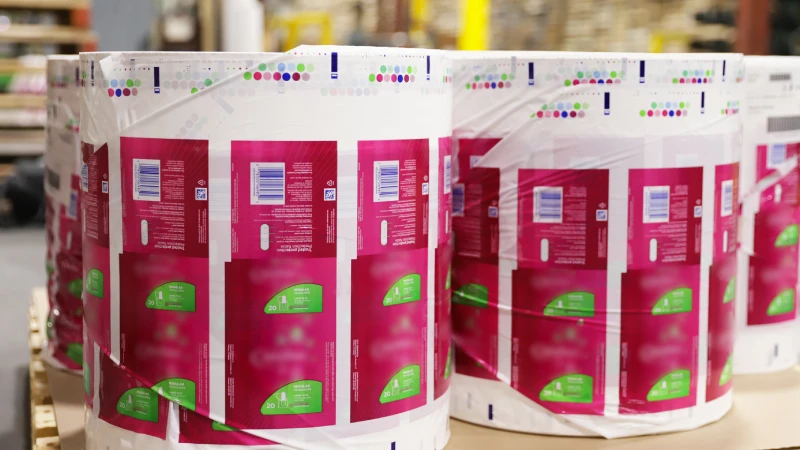
You need to choose the right way to store your packaging film rolls. Storing rolls upright or hanging them keeps the core from bending or breaking. When you store rolls upright, you protect the core and keep the film in good shape. Hanging storage works well if you use custom racks or mandrels. Both methods help you avoid flat spots and damage that can happen if rolls sit on their sides.
BN PACK’s roll stock film comes in different core sizes and maximum outer diameters. You should always check the product specs before setting up your storage area. Using the right racks or mandrels keeps the rolls steady and safe. This helps you manage heavy packaging without wasting film or causing delays.
Storing rolls upright or hanging prevents core damage.
Clean storage areas keep the film free from dust and dirt.
Flat, smooth surfaces stop the film from tearing or becoming brittle.
Proper storage saves money by reducing waste and replacement costs.
Good storage keeps your film safe and ready for use.
Tip: Never stack rolls on top of each other. This can crush the core and make the film unusable.
Protecting Core and Max OD
You must protect both the core and the maximum outer diameter (Max OD) of your film rolls. If the core bends or cracks, you cannot use the roll in your machines. Damage to the Max OD can cause feeding problems and machine jams. BN PACK’s rolls have strong, multi-layer cores, but you still need to handle them with care.
Use custom racks that fit the core size and Max OD of your rolls. Make sure the racks support the entire roll, not just the ends. This stops the core from bending and keeps the film smooth. You can also use mandrels to hang rolls safely. Always check the specs for your rolls before you order racks or storage equipment.
Protecting the core and Max OD keeps your machines running smoothly.
You avoid costly downtime and wasted film.
Rolls stay in good condition for longer periods.
Note: Confirm your machine parameters before you order new rolls. This ensures the core size and Max OD match your equipment, so you do not face problems during production.
Environmental Controls
You need to control the environment where you store your packaging film rolls. Temperature and humidity affect the quality and lifespan of the film. If you store rolls in hot or damp places, the film can become brittle or sticky. Direct sunlight can cause the film to fade, crack, or lose strength.
The best storage conditions for packaging film rolls are:
Parameter | Recommended Range |
|---|---|
Temperature | 18–24°C (65–75°F) |
Relative Humidity | 40–60% |
Keep your storage area clean and dry. Avoid placing rolls near windows or heat sources. Use UV-resistant films if you must store rolls in areas with sunlight. This helps the film keep its color and strength over time.
Clean storage areas prevent contamination and keep your products safe.
Avoiding sunlight and dampness stops the film from breaking down.
Stable temperature and humidity keep the film flexible and easy to use.
Alert: Humidity and heat can change the way your film works. Always check your storage area to make sure it meets the recommended conditions.
By following these best practices, you protect your packaging film rolls and keep your production line running smoothly. You save money, reduce waste, and make sure your products stay safe and fresh. When you manage heavy packaging, good storage is just as important as safe handling.
Inventory and Quality Management
Organizing and Labeling Rolls
You can keep your packaging film rolls neat with a simple system. Use shelves or racks and put each roll in its own spot. This helps you find rolls fast and stops mistakes. Put labels on every roll with the product type, size, and date you got it. When you use the same style for all labels, checking inventory is quicker and easier.
Best Practice | Description |
|---|---|
Proper Storage Conditions | Keeps material good and saves space. |
Organized Storage Systems | Fewer picking mistakes with clear labels. |
Standardized Storage Locations | Makes counting and tracking simple. |
Establish a Labeling Style Guide | All labels look the same for easy reading. |
Durable Label Materials | Labels last longer in tough places. |
BN PACK lets you print custom labels or add your own codes. You can put your brand or product codes on each roll. Clear labels help your team work faster and stop delays. Longer rolls mean you do not have to change them as often, so your line keeps moving.
Tip: Teach your staff how to read and update labels. This keeps your system working well.
FIFO and Roll Rotation
You should always use the First-In, First-Out (FIFO) method for your packaging film rolls. FIFO means you use the oldest rolls first. This stops rolls from sitting too long and going bad. When you rotate your stock, you keep your film fresh and avoid waste. FIFO works well for any facility that wants to manage heavy packaging and keep quality high.
FIFO helps you:
Use older rolls before they expire.
Keep your film in top condition.
Lower the risk of throwing away outdated rolls.
When you follow FIFO, you protect your investment and keep your products safe.
Regular Inspections and Cleaning
You need to check your rolls often for dirt, dust, or damage. Clean rolls keep your machines running well and protect your products. The most common contaminants include chemical-film-type residues, which can cause coating defects, optical problems, and even machine issues.
Contaminant Type | Effects on Product Quality |
|---|---|
Chemical-film-type | Coating defects, optical defects, equipment contamination, sealing failures, shorter life. |
Too much slip on the film can also cause problems. It may lead to creases, sealing failures, or unwanted substances on your product. Set up a cleaning schedule and inspect rolls before use. Remove any rolls that look damaged or dirty.
Alert: Regular cleaning and inspection help you avoid costly downtime and keep your packaging film in the best shape.
By following these steps, you keep your inventory organized, reduce waste, and maintain high product quality. This makes it easier to manage heavy packaging and run your facility efficiently.
Safety, Compliance, and Sustainability
Workplace Safety Standards
You must keep your workplace safe when you handle heavy packaging film rolls. Always use the right lifting tools and wear safety gear. Your team should wear gloves, safety shoes, and back supports. Mark walkways and storage areas so everyone knows where to go. Keep floors clean and dry so no one slips or falls. Teach your staff to look for hazards and tell someone if they see a problem.
Tip: Have safety meetings often. Talk about accidents and change your safety rules when needed.
Regulatory Compliance
You have to follow rules when you use packaging film rolls, especially for food products. Food-grade films must meet FDA regulations. These rules stop chemicals from getting into food and require tests to check for migration. You need to keep papers that show your film is safe for food. Non-food films do not need these tests, but you should still follow safety rules.
Food contact films must:
Meet FDA rules for food safety.
Pass tests to stop chemical leaching.
Have safety papers saved.
Non-food films:
Do not need migration tests.
Do not need food safety papers.
BN PACK’s roll stock film is FDA-certified. You can use it for food, medicine, and other goods without worry.
Recycling and Waste Reduction
You can help the planet by recycling used packaging film rolls. Many companies have special programs to recycle flexible films. Some work with groups like TerraCycle to recycle hard-to-process materials. Others join curbside programs run by Dow and Waste Management.
To start recycling in your facility:
Pick places to collect used film.
Teach your staff to separate film from other trash.
Use a baler machine to press film into bundles for pickup.
This cuts down on landfill waste and can save money on trash fees. Recycling also helps your business reach sustainability goals and shows you care about the environment.
♻️ Note: Recycling your packaging film rolls helps make the world cleaner and greener for everyone.
You can handle heavy packaging film rolls by using safe steps. Store rolls in smart ways and keep your inventory neat. BN PACK’s Rolls film packaging helps you work faster and keeps products safe. When you use the right machines and materials, you get better results and save money:
Key Improvement Area | Impact |
|---|---|
Material Compatibility | New devices make rolls fit three times better |
Production Capacity | Output goes up 30% with the same number of workers |
Cost Reduction | Automation saves $900,000 every year |
Always follow your facility’s rules and keep learning new things. Try to recycle and follow the rules for your packaging. Many companies make packaging that can be recycled and join programs to help the planet. They also check their progress often. Train your team and look at your process often to get the best results.