
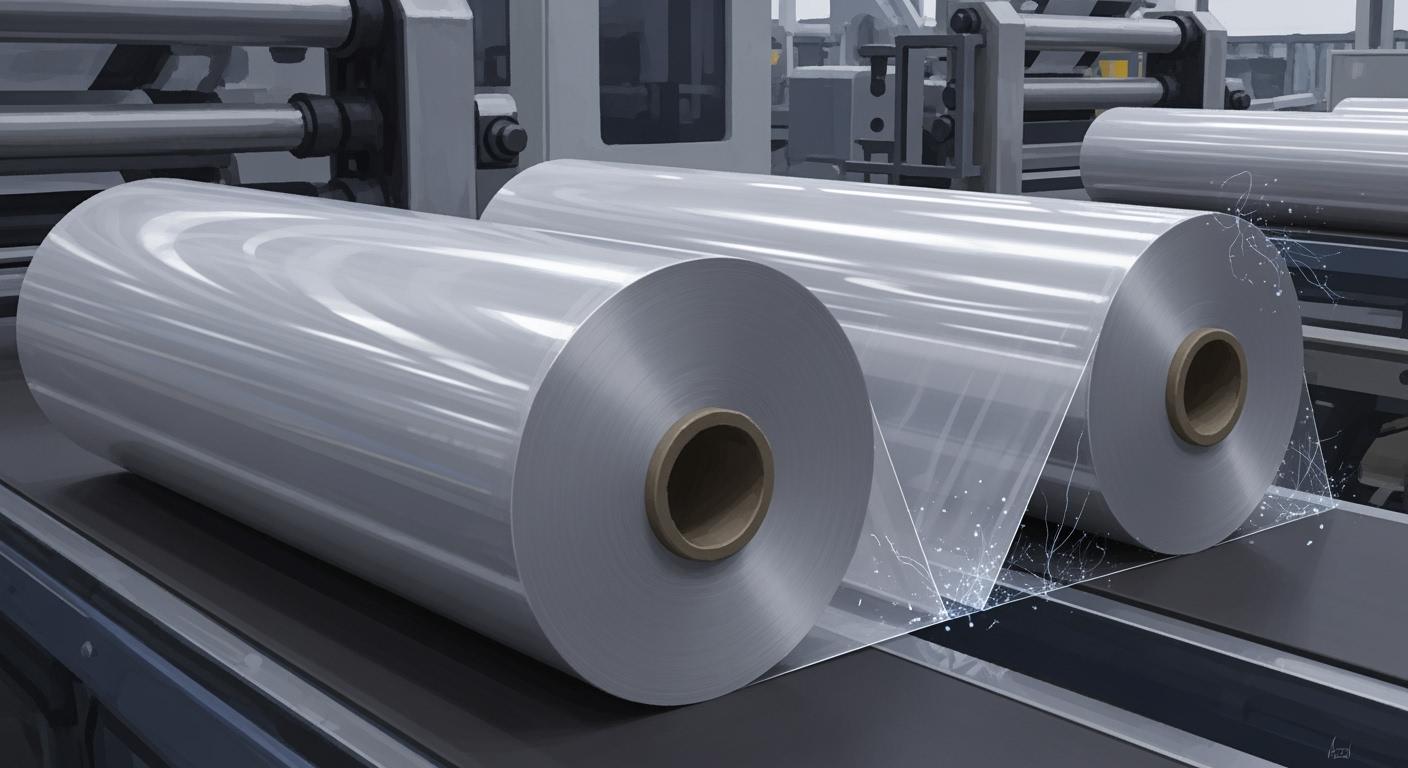
You can stop telescoping issues and static problems in BOPP film processing by watching tension control, die settings, and static management. When you run biaxially oriented polypropylene on fast lines, you must handle each product with care.
Tension control keeps the film steady and helps stop roll problems like telescoping issues. Static management keeps your product safe from winding problems and helps things run smoothly. BN PACK gives you good ways to process BOPP film. Look at the table below to see how these things affect your product:
Evidence Point | Description |
|---|---|
Smooth Separation | Good tension control makes the film separate smoothly. |
Winding Defects | Controlling static can stop winding problems in the product. |
Production Efficiency | These steps help you meet market needs and keep quality high. |
Telescoping Issues in BOPP Film Processing
What Causes Telescoping Issues
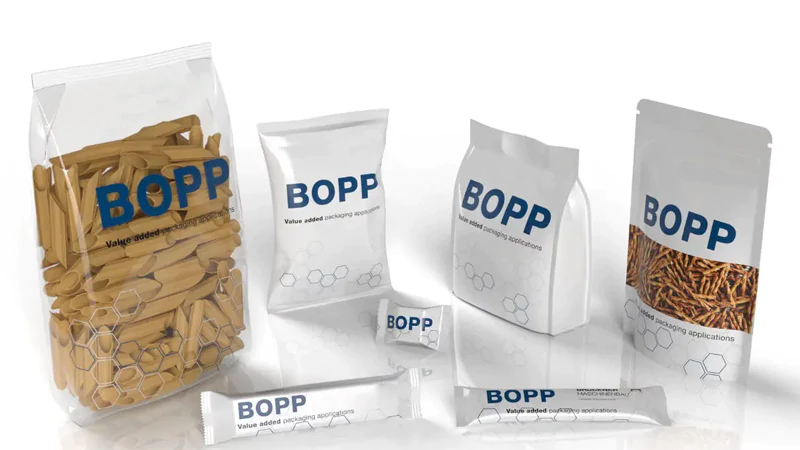
Telescoping issues happen when the layers of a film roll shift sideways. You might see the roll look like a telescope that has been pulled out. This problem often starts during winding. If you do not control the tension well, the film can wind too loosely or too tightly. Uneven tension can cause the roll to lose its shape. Sometimes, the edges of the film do not line up. This can lead to edge defects and wrinkling defects. Poor die settings or problems with the winding machine can also cause telescoping issues. When you run BOPP film at high speeds, you need to check your equipment often. BN PACK uses strict quality control to help you avoid these problems. Their roll stock film goes through careful checks to make sure each roll stays even and smooth.
Impact on Film Quality and Efficiency
Telescoping issues can hurt your production efficiency. When rolls are wound too loosely, you may have trouble moving them. The rolls can shift or fall apart. This makes it hard to use the film in your machines. You might see problems with lamination quality. That can lower the overall quality of your BOPP film rolls. Here are some ways telescoping issues affect your work:
You may see more defects in your finished products.
The film can jam or tear during processing.
Edge defects can appear, making the film hard to use.
Wrinkling defects can show up, which lowers the look and feel of your packaging.
You want to keep your film rolls tight and even. This helps you keep your production line running smoothly. BN PACK’s experience with roll stock film means you get rolls that help you avoid these common problems. Their focus on quality control supports your need for high efficiency and fewer defects in your packaging operations.
Preventing Telescoping in BOPP Films
Tension Control and Die Settings
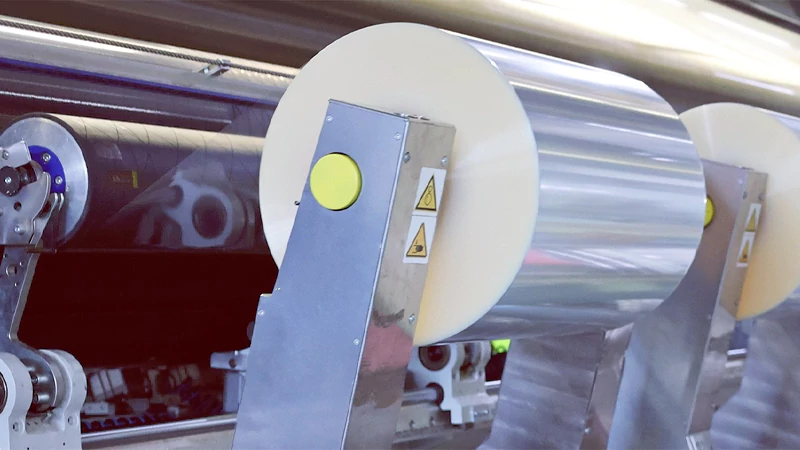
You can prevent telescoping in bopp film rolls by focusing on film tension and die settings. When you run film through your machines, you must keep tension steady. If tension changes too much, you may see defects like curling or product curling. You should use advanced tension control systems to help you keep tension stable. These systems watch the tension and adjust it quickly. You can set a taper tension value between 25% and 50% during wind-up. This helps you match the tension to your film’s needs.
Tip: Always check your tension screws before starting a new batch. Adjust them so the film tension stays even from start to finish.
Here are some important steps you can follow:
Use closed-loop tension control to keep tension steady during winding.
Set the right taper tension value for your film type.
Make sure unwinding tension does not go higher than the torque used during winding.
Watch for signs of adhesion problems or adhesion loss, which can affect roll stability.
If you keep tension under control, you can stop telescoping before it starts. You also lower the risk of defects and keep your film rolls tight and smooth.
Winding Techniques and Equipment Calibration
You need good winding techniques and regular equipment calibration to keep your bopp film rolls in shape. When you wind film, you must manage torque and interlayer pressure. If you increase nip load and tension near the core, you make the roll stronger. You should also check the web-web coefficient of friction. If friction is too low, you may see telescoping or film shifting.
Here is a simple checklist for winding and calibration:
Calibrate your winding equipment before each run.
Adjust nip load and tension near the core for better roll stability.
Monitor torque capacity and make changes if needed.
Check the friction between film layers to avoid slippage.
Stretch the film evenly to prevent curling and product curling.
If you follow these steps, you can reduce the chance of telescoping and keep your rolls ready for high-speed processing.
BN PACK’s Approach to Telescoping Prevention
BN PACK uses strict production standards to help you avoid telescoping in bopp films. You get roll stock film that goes through advanced tension control and regular calibration. BN PACK checks every roll for defects and makes sure film tension stays even. Their solutions include:
Regular calibration of winding machines.
Advanced tension control systems for steady film tension.
Careful adjustment of die settings to match each film type.
Quality checks for adhesion and adhesion problem risks.
Training for operators to spot early signs of telescoping.
BN PACK’s roll stock film gives you reliable performance in high-speed packaging. You get films that resist curling and product curling, so your packaging looks good and works well. With BN PACK, you can trust that your film rolls will stay tight, smooth, and free from telescoping.
Static Issues in BOPP Film Processing
Why Static Occurs in BOPP Films
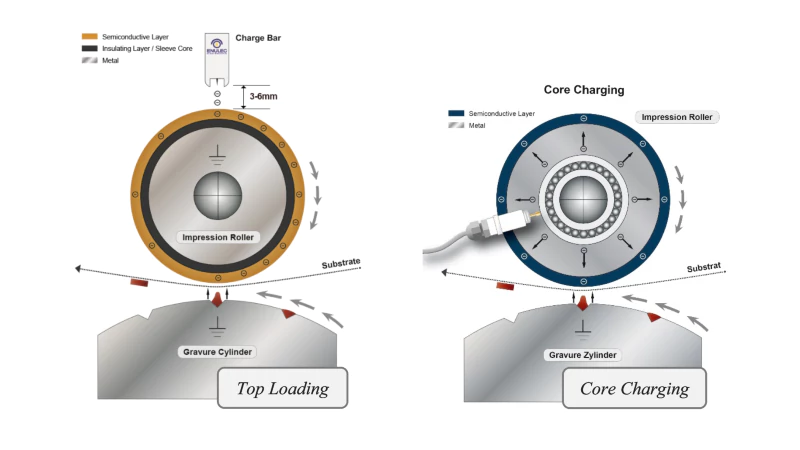
Static builds up when you run bopp film fast. The film rubs on rollers and other surfaces. This rubbing makes friction. Friction creates static electricity on the film. When you wind or unwind rolls, layers press together. This pressure makes the static charge stronger. If your work area is dry, static gets worse. Dry air means the charge cannot escape easily. A controlled room helps lower static, but you still need to watch for it. Static can also make adhesion harder. Layers may not stick well during processing.
Risks of Static in Packaging Operations
Static electricity can cause many problems on your line. You need to know these risks to keep things safe and working well:
Shocks from static can hurt workers or break equipment.
Dust and dirt stick to the film and cause defects.
Static makes film cling, so handling and packing get harder.
Fire risk goes up if you use flammable materials and sparks appear.
Static can also stop your process. The table below shows some common problems and what they do:
Process Interruptions | Effects on Packaging Line |
|---|---|
Labels sticking together | Delays and mistakes in labeling |
Inaccurate labeling | Wrong labels and product mix-ups |
Dust adsorption | Product gets dirty or contaminated |
Mechanical feed problems | Slows down or stops production |
Mechanical failures in PLCs | Can stop the whole packaging process |
High static can make film wrap around rollers. Discharges from charged film can break control electronics. You want to stop these problems by using the right solutions and keeping pressure steady at each step.
BN PACK cares about your safety. You get roll stock film made with FDA-certified materials. This focus on safety and quality helps you run your line with fewer risks and better results.
Managing Static in BOPP Pre-Coating Film
Anti-Static Coatings and Additives
You can stop static in bopp pre-coating film with anti-static coatings and additives. These coatings help stop static from building up on the film’s surface. When you put on an anti-static layer, it lets the charge move away from the film. This keeps the film from sticking to itself or to machine parts. Additives mixed into the film during making also help. They pull moisture from the air, which helps get rid of static charges. You will see less dust and dirt sticking to your pre-coated film. This means your print stays clear, and your packaging looks neat and nice.
Humidity Control and Blower Solutions
Humidity is important for stopping static in pre-coated film. When the air is dry, static builds up faster. You might see labels stick together or dust on the film. This makes feeding and handling harder. If you keep the humidity right, you lower static problems. Many places use humidifiers to add water to the air. This helps static move away from the film. You can also use long-range blowers. These blowers send ionized air over the film. The ionized air takes away static and keeps the film easy to handle.
Tip: Keep your workspace at the same humidity. This helps stop static and keeps your bopp film running well.
Here are ways humidity control helps with static:
Labels do not stick together as much.
Dust and dirt stay off the film, so your print looks better.
You get better mold sticking and fewer problems.
When you use both humidity control and blowers, you make it safer and easier to handle pre-coated film.
BN PACK’s Static Management Practices
BN PACK uses smart ways to manage static for all pre-coated film. You get films made in a place with strong safety rules. The production area uses humidity control to keep the air just right for less static. Workers check the humidity often to keep it steady. BN PACK also uses anti-static coatings and special additives in the film. These steps help you stop static from building up during fast packaging.
BN PACK’s team uses long-range blowers to take static off the pre-coated film. This makes the film easier to handle and lowers the chance of dust or dirt sticking. Every roll of bopp pre-coating film gets checked to make sure it is safe and works well. You can trust BN PACK to give you solutions that keep your packaging line safe and smooth.
Troubleshooting and Prevention Tips
Early Detection of Telescoping
You can spot telescoping early by watching for small shifts in your film rolls. Look for uneven edges or rolls that start to bulge. If you see the roll shape changing, stop the machine and check the tension settings. Use a checklist to inspect the rolls at the start and end of each shift. Early action helps you avoid bigger problems later. You can also use sensors to monitor roll alignment during processing. These tools give you alerts if the film starts to move out of place.
Tip: Keep a log of any telescoping issues you find. This helps you track patterns and fix problems faster.
Static Monitoring and Control
You need to check for static often when you run film lines. Use a handheld static meter to measure the charge on the film surface. If you see high readings, adjust your anti-static devices or increase humidity in the room. Watch for dust sticking to the film or labels clinging together. These signs mean static is building up. You can set up ionizing blowers near the winding area. These blowers remove static and keep your films clean and easy to handle.
Check static levels at different points in the process.
Clean rollers and machine parts to stop static from building up.
Replace worn anti-static bars as needed.
Maintenance and Operator Training
Regular maintenance keeps your equipment working right. You should follow a schedule to check and adjust tension controls, winding machines, and static eliminators. Well-maintained machines help you prevent telescoping and static issues before they start.
Operator training gives your team the skills to spot problems early. When your team knows how to manage tension and static, you get better results from your bopp film processing. Training also helps your operators use new solutions and follow safety rules.
Maintenance ensures your machines stay within the right settings.
Training helps your team react fast to any changes in the film.
Both steps improve the quality of your film and keep your line running smoothly.
BN PACK supports you with ongoing training and advanced solutions. You can trust their team to help you keep your packaging operations safe and efficient.
Best Practices for BOPP Film Quality
Standard Operating Procedures
You need easy steps to keep BOPP film quality high. Standard operating procedures help you stop mistakes and keep things working well. Here are some steps you should follow:
Test film thickness often so you catch changes fast.
Check clarity to make sure your packaging looks nice.
Measure tensile strength so your film stays strong when used.
Use machines to find defects like bubbles or uneven stretching.
Store film in the right place to keep it in good shape.
These steps help you get films ready for fast packaging and good results.
Continuous Monitoring and Improvement
You should always watch your film while you process it. Continuous monitoring helps you find problems before they get worse. You can use sensors and checks to watch important parts of your film. The table below shows what to check and why it matters:
Monitoring Aspect | Impact on Quality Control |
|---|---|
Film Density | Makes sure film is even and meets the rules |
Thickness | Keeps film strong and the same all over |
Mechanical Properties | Helps the final product work well |
When you check these things, you make your film better and your packaging more reliable.
BN PACK’s Quality Assurance
BN PACK uses strong quality systems to give you safe and good film. The company has important certificates that show it cares about quality and safety. These include ISO 9001 for quality management, BRC for food safety, US FDA for food contact, and EU Food Grade for European rules. BN PACK also meets biodegradable and recyclable rules for green packaging.
Certification | Impact on Product Reliability |
|---|---|
ISO 9001 | Shows quality systems are used |
BRC | Makes sure food safety rules are followed |
US FDA | Proves film is safe for food contact |
EU Food Grade | Checks European safety rules for packaging |
Biodegradable | Helps protect the environment |
Recyclable | Makes film better for the planet |
You can trust BN PACK to give you film that meets industry rules for safety, quality, and performance.
You can stop telescoping and static problems in BOPP film by following some simple steps. Look for rolls that move sideways or film that attracts dust. Change the taper tension if you see rolls shifting. Use ionizing bars if you notice dust or film wrapping. The table below helps you see what to look for and how to fix it:
Defect Type | Visual Indicators | Corrective Actions |
|---|---|---|
Telescoping | Lateral roll shift >5mm | Adjust taper tension, check core |
Static Issues | Dust, material wrapping | Use ionizing bars, control humidity |
BN PACK’s roll stock film is safe and works well. Use these tips and keep teaching your team. Contact BN PACK if you need special films for your work.