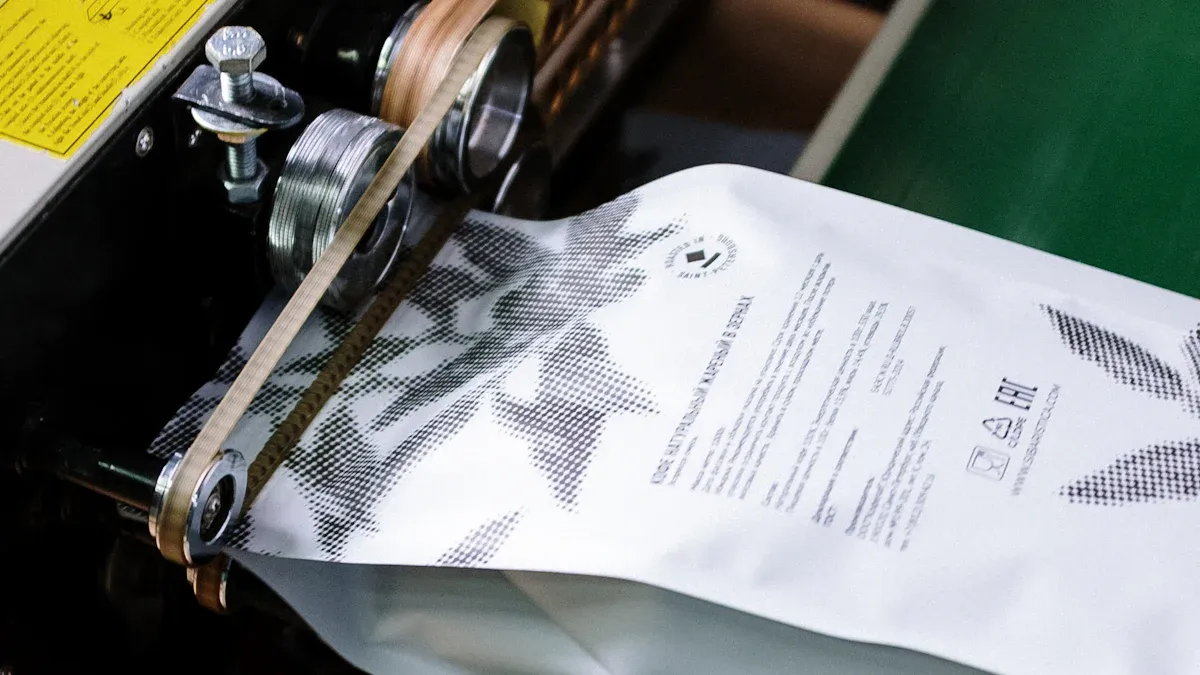
When you choose how to print your packaging bags, you will see several printing methods stand out. Flexography leads the market for its cost-effectiveness and speed in high-volume jobs. Lithography gives you sharp images and works well for large, flat packages. Gravure shines with ultra-high quality for massive orders. Digital printing offers quick turnaround and custom designs, perfect for small runs. Screen printing lets you print on many materials for short, unique projects. Each printing technique matches different needs, so you can find the best fit for your custom packaging.
Key Takeaways
Flexography is ideal for high-volume orders. It offers speed and cost-effectiveness, making it a top choice for food packaging.
Lithography provides sharp images and is best for flat packages. Use it for custom printed food packaging that requires brand consistency.
Digital printing allows for quick changes and customization. It suits small batches and unique designs, perfect for seasonal promotions.
Gravure printing delivers high-quality images with rich colors. It is best for large orders but comes with higher setup costs.
Screen printing is great for unique textures and vibrant colors. It works well for limited-edition packaging but may not suit detailed designs.
Main Printing Methods for Packaging
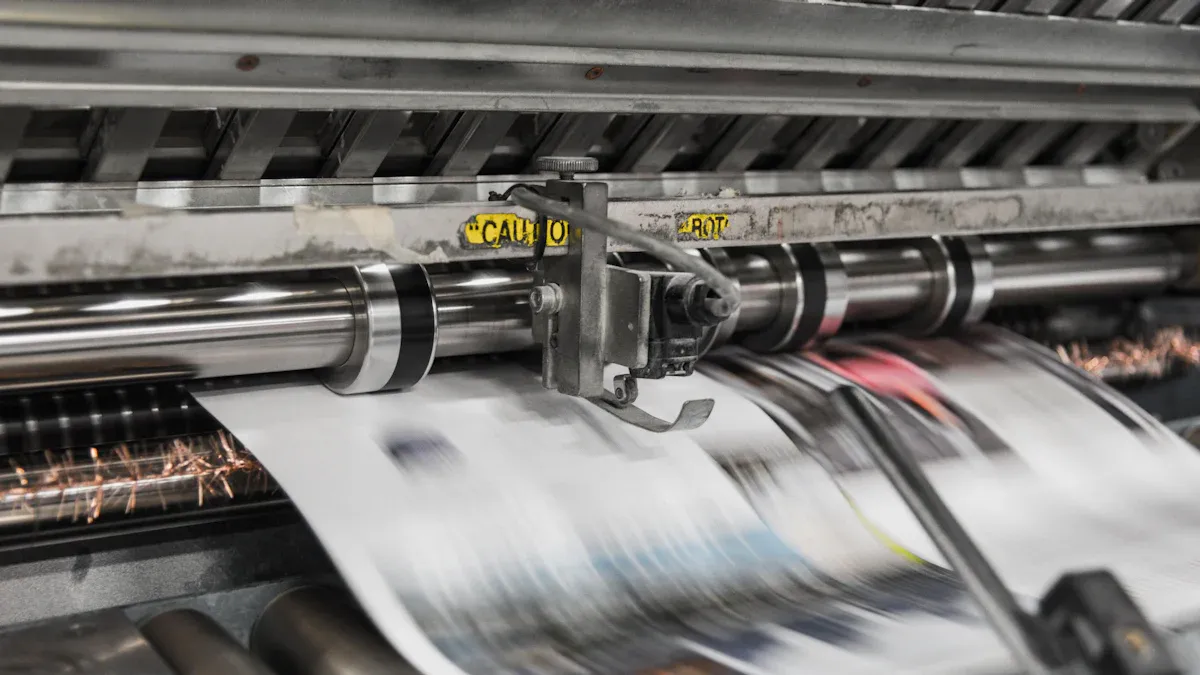
When you look at packaging printing methods, you will find five main types. Each one works best for certain packaging needs. These methods help you create printed plastic bags, custom printed food packaging, and many other types of packaging. You can use these techniques for flexible packaging, plastic packaging bags, and even customized packaging bags.
Tip: Choosing the right printing method helps you get the best results for your food packaging and other packaging needs.
Here is a quick overview of the most common printing techniques:
Printing Method | Best For | Pros | Cons |
|---|---|---|---|
Flexographic Printing | High-volume runs with consistent designs | Cost-effective for large orders, fast production speed, compatible with various materials | Limited color detail, high setup costs for small batches |
Lithography (Offset) | High-quality prints for flat packages | Sharp images, good for brand consistency | Not ideal for flexible or curved surfaces |
Gravure Printing | High-quality, high-detail printing | Superior color richness, consistent quality over long runs | High initial setup costs, not cost-effective for small orders |
Digital Printing | Small batches, customized designs | No setup costs, quick design changes, ideal for short runs | Higher cost per unit for large orders, limited ink durability |
Screen Printing | Limited-edition packaging, promotional items | High durability, strong color opacity, unique textures | Not ideal for highly detailed images, slower production |
Flexographic Printing
Flexography stands out as one of the most popular packaging printing techniques. You can use flexography for food packaging, flexible packaging, and plastic packaging bags. This method uses flexible plates and works well for high-volume orders. Flexography gives you fast production and works on many materials.
Lithography (Offset Printing)
Lithography, also called offset printing, gives you sharp images and clear text. You often see this method used for custom printed food packaging and packaging that needs brand consistency. Lithography works best for flat surfaces and large runs.
Gravure Printing
Gravure printing uses engraved cylinders to create high-quality images. You can choose gravure for food packaging that needs rich colors and fine details. This method works best for very large orders because of its high setup cost.
Digital Printing
Digital printing lets you print custom designs quickly. You can use digital printing for small batches of customizable food packaging or bags. This method does not need plates, so you can change designs easily.
Screen Printing
Screen printing pushes ink through a mesh onto the packaging. You can use this method for unique textures and strong colors. Screen printing works well for limited-edition food packaging and custom bags, but it is slower than other types of packaging printing.
These types of packaging printing help you match your needs for food packaging, flexible packaging, and custom designs. When you know the strengths of each method, you can choose the best one for your project.
Printing Techniques Explained
Flexographic Process
You will find flexography as one of the most common printing methods for packaging bags. This process uses flexible plates and works well for high-speed production. You can print on many materials, such as plastics, papers, foils, and even non-woven fabrics. Here are the main steps you will follow when using flexography for packaging:
Design & Prepress Preparation: You start by creating a digital design. High-resolution graphics help you get clear images and text.
Plate Creation: You make flexible plates from the design. Each color needs its own plate, which helps you layer colors for vibrant visuals.
Ink Application: An anilox roller applies ink to the plates. This roller controls how much ink goes onto the plate and then onto the packaging material.
Printing: The plate presses onto the substrate as it moves through the rotary press. This step allows for fast and consistent printing.
Curing and Drying: You use UV or heat to dry the ink quickly. This lets you move the printed material straight to cutting, folding, or lamination.
Note: Flexography works with many packaging materials, including cardboards, cellophanes, foils, metals, multilayered film composites, non-woven fabrics, papers, and plastics.
Lithography Process
Lithography, also called offset printing, uses a different approach. You will see this technique used for packaging that needs sharp images and brand consistency. The process involves three main stages:
Stage | Description |
|---|---|
Pre-Press | You prepare digital files, design, layout, and typesetting for printing. |
Printing | Specialized machines transfer ink from plates to paper. Skilled operators run these machines. |
Post-Press | You finish by cutting and preparing materials for distribution. This step ensures quality standards. |
You will notice that lithography works best for flat packaging surfaces. This technique gives you clear images and text, making it a top choice for branded packaging.
Gravure Process
Gravure printing stands out among modern printing techniques for its ability to deliver high-quality results. You will use this process for large-volume packaging projects, especially when you need rich colors and fine details. Here are the main steps in gravure printing:
Order Confirmation: You start by understanding the packaging type, size, and design.
Design Confirmation: You create patterns and layouts that match your brand.
Platemaking: You make gravure plates with precise patterns and color matching.
Printing: You apply ink evenly to get the desired look.
Composite: You combine printed materials with adhesives and dry them properly.
Curing: You solidify the printed patterns to prevent peeling.
Slitting: You cut the printed material into the right bag sizes.
Bag Making: You form the final product and seal it.
Quality Inspection: You check each stage to make sure the packaging meets standards.
Gravure printing is best for high-volume production. You will see it used for large, high-end food packaging. In fast-growing markets like China and India, gravure dominates flexible packaging because of its quality and consistency.
Digital Process
Digital printing gives you flexibility and speed. You can use this technique for small batches, custom designs, and quick changes. The process includes these steps:
Material Selection: You choose the right material, such as paperboard, films, or adhesive stocks.
Proofing: You create a digital proof and a physical sample to check layout, color, and texture.
Production: After you approve the proof, you print the design on the selected material.
Finishing: You cut, crease, and finish the printed material. You can add lamination or other enhancements.
Digital printing helps you reduce turnaround times. You can print multiple SKUs in one run, which is great for brands that need less of each SKU. This technique supports customization, flexible quantities, and quick delivery.
Benefit | Description |
|---|---|
Customization | You can create seasonal promotions, theme marketing, and localized packaging. |
Flexible Quantities | You print short to medium runs, which reduces waste and inventory. |
Quick Turnaround | You do not need tooling or plate changes, so you get faster delivery. |
Competitive Pricing | Lower setup costs let you combine small orders for better pricing. |
Screen Process
Screen printing uses a mesh to push ink onto the packaging surface. You will use this technique for unique textures and strong colors. Here are some important steps and requirements:
Preparing the Surface: You treat the surface, such as Mylar, to help ink stick. This can involve using a primer or corona treatment.
Choosing the Ink: You select inks made for plastic surfaces. Solvent-based or UV curable inks work best for durability and adhesion.
Screen printing is not ideal for small or one-time prints because of setup costs. You need skilled operators for good results. Each color needs a separate screen, which makes multicolor prints more expensive. You must handle chemicals carefully to avoid environmental damage.
Disadvantages |
|---|
Not ideal for small or one-time prints due to setup costs. |
Requires skilled operators for optimal results. |
Multicolor prints are more expensive as each color needs a separate screen. |
Involves chemicals that require careful handling to prevent environmental damage. |
You will find screen printing useful for limited-edition packaging and promotional items. This technique gives you strong color opacity and unique textures.
Pros and Cons of Packaging Printing Methods
Flexographic Pros and Cons
Flexography stands out among packaging printing methods for its speed and versatility. You can use flexography for food packaging, printed plastic bags, and flexible packaging. This method works well with many materials, such as plastic, metallic films, paper, and cardboard. You will find it cost-effective for large runs, and it helps you meet basic needs efficiently.
Advantage/Disadvantage | Description |
|---|---|
Versatility with Materials | You can print on plastic, metallic films, paper, cardboard, and more. |
High Speed and Cost-Effectiveness | Flexography operates at high speeds, making it great for bulk production. |
Eco-Friendly | Water-based and UV curable inks reduce environmental impact. |
High Plate Production Costs | Custom plates for each color can be expensive for small orders. |
Quality Issues with Highlights | Fine details and highlights may not print as well as with other techniques. |
Tip: Flexography gives you fast turnaround times and reduced tooling prices. You can reuse durable image carriers, which saves money for large orders. However, you may see lower printing quality in detailed images.
Lithography Pros and Cons
Lithography, or offset printing, gives you high-quality output for custom printed food packaging and customized packaging bags. You can use this method for large, flat packages and get sharp images and text. Lithography works well for bulk orders, but it may not suit small runs.
Pros | Cons |
|---|---|
High-quality output | High setup costs |
Cost-effective for bulk orders | Longer turnaround times |
Flexibility in materials | Environmental waste |
Suitable for various finishing options | Unsuitable for variable data printing |
Durable compared to other methods | Not suitable for small order quantities |
You will notice that lithography offers consistent results and works on many surfaces, such as paper, cardboard, and plastic packaging bags. However, you may face longer setup times and higher costs for small batches.
Gravure Pros and Cons
Gravure printing stands out for its ability to deliver high-quality, detailed images. You can use gravure for food packaging that needs deep, rich colors and consistent results across millions of bags. This method is best for very large orders because of its high initial investment.
Key Benefits of Gravure Printing | Key Drawbacks of Gravure Printing |
|---|---|
Economical for large quantities | High initial investment |
Consistency across large runs | Time-consuming setup |
Versatile for paper and film | Maintenance required |
Special effects and custom finishes | Eco-unfriendly chemicals |
High-quality, intricate graphics |
Attribute | Gravure Printing | Other Methods |
|---|---|---|
Durability | High; millions of impressions possible | Varies; often less durable |
Color Consistency | Excellent across large runs | Often inconsistent |
Vibrancy of Colors | Deep, rich hues; wide color gamut | Limited color range |
Note: Gravure printing gives you the best results for high-volume food packaging. You get vibrant colors and strong durability, but you need to plan for higher setup costs and longer preparation times.
Digital Pros and Cons
Digital printing gives you flexibility and speed for customizable food packaging and custom designs. You can print small batches quickly and change designs without extra setup costs. This method works well for short runs and lets you create unique packaging for different regions or promotions.
Strengths | Weaknesses |
|---|---|
Flexibility for customization | Higher costs for larger orders |
Cost-effectiveness for small runs | Potential color variance between batches |
Faster turnaround times | Durability concerns for print longevity |
Minimal waste production |
Digital printing lets you respond quickly to market changes. You can create personalized packaging with unique designs, QR codes, or text. You will see much faster turnaround times compared to traditional printing techniques, which is helpful for prototyping and short runs. However, you may notice higher costs for large orders and some concerns about print durability.
Screen Pros and Cons
Screen printing is a flexible choice for limited-edition food packaging and promotional bags. You can use this method for vibrant colors and durable prints on many materials, including textiles, plastics, and metals. Screen printing works well for large batches and gives you strong color opacity.
Advantages | Disadvantages |
|---|---|
Cost-effective for large batches | Limited color range per design |
Durable prints | Not ideal for complex images |
Vibrant colors | Setup costs |
Screen printing supports high-volume production and keeps quality consistent. You can use it for flexible packaging and custom projects. However, you may find it less suitable for detailed images and smaller orders because each color needs a separate screen.
Tip: Screen printing dominates the market for large runs of food packaging and customized packaging bags. You get strong, long-lasting prints, but you may face higher setup costs for multicolor designs.
Choosing the Right Printing Method
Selecting the best printing methods for your packaging bags depends on several important factors. You want your food packaging to look great, last long, and fit your budget. Let’s break down what you should consider during the packaging design process.
Order Size
Order size plays a big role in your decision. If you need a large number of bags, flexographic or gravure printing works well because they handle high volumes at lower costs per unit. For small runs or custom printed food packaging, digital printing is a smart choice. Here are some things to think about:
Your brand’s budget
Volume of production
Environmental impact
Turnaround time
Design complexity
You should also evaluate costs, calculate the needed volume, and check the required production timeline.
Design Complexity
The complexity of your product packaging design affects which printing method you choose. Some methods handle detailed graphics better than others.
Printing Method | Design Complexity Suitability |
|---|---|
Offset | Excellent for intricate details and gradients |
Gravure | Renowned for complex reproductions |
Digital | Handles complex graphics well, especially in small quantities |
Flexo | Best for simpler, bolder designs |
Screen | Suitable for simpler designs |
If you want mass customization or food package customization, digital printing gives you flexibility for complex designs.
Material Compatibility
Not every printing method works on every material. You need to match your packaging material with the right printing technique.
Printing Method | Compatible Materials |
|---|---|
Offset Printing | Paper, Cardboard, Plastic |
Flexo Printing | Plastic, Paper, Foil, Corrugated Cardboard |
Material | Gravure | Flexography | Digital |
|---|---|---|---|
PE | Excellent | Good | Fair |
PP | Excellent | Good | Good |
PET | Excellent | Excellent | Good |
Foil | Excellent | Good | Fair |
Paper | Good | Excellent | Excellent |
Budget
Your budget shapes your options. Gravure and offset printing have higher setup costs but save money on large orders. Digital and screen printing cost more per unit for big runs but work well for small batches or customizable food packaging. Always compare setup, tooling, and ongoing production expenses.
Sustainability
Sustainability matters more each year. Traditional printing can use lots of energy and water. You can help the environment by choosing eco-friendly materials, reducing waste, and using waterless or UV-LED printing systems. Good ink management also cuts waste and saves money while improving quality.
Tip: Think about your order size, design needs, materials, budget, and sustainability goals. This helps you pick the best printing method for your food packaging and flexible packaging bags.
You have many choices for food packaging. Flexography, lithography, gravure, digital, and screen printing each work best for different food packaging needs. You should match your food packaging method to your order size, design, and material. Always ask packaging experts for advice. Think about food packaging sustainability before you decide.
Remember: The right food packaging method helps your products stand out and stay safe.
Review your food packaging goals.
Talk to suppliers about your options.
FAQ
What printing method works best for large orders?
You should choose flexographic or gravure printing for large orders. These methods print quickly and keep costs low when you need many packaging bags.
Can you print detailed images on packaging bags?
Yes, you can. Lithography and gravure printing give you sharp, detailed images. Digital printing also handles complex designs well for small batches.
Is digital printing good for custom packaging?
Digital printing is great for custom packaging. You can change designs easily and print small amounts. This method works well for special promotions or seasonal packaging.
Which printing method is most eco-friendly?
Flexographic printing often uses water-based inks. Digital printing creates less waste. Both options help you reduce your environmental impact.
Can you use any printing method on all materials?
No, you cannot. Some methods work better on certain materials. For example, flexography prints well on plastic and paper. Lithography works best on flat surfaces like cardboard.