
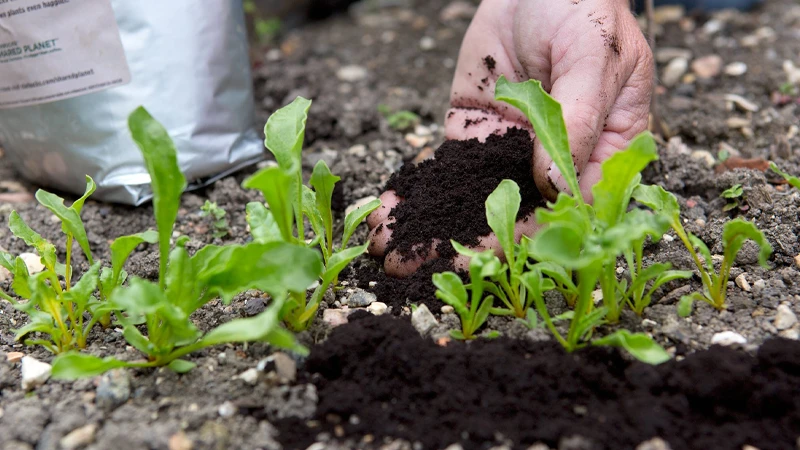
You might toss used coffee grounds in the trash, but there are so many ways to recycle coffee grounds for a greener home. Try using them for compost, cleaning, or even beauty routines. Coffee grounds offer nutrients like nitrogen, phosphorus, and potassium, plus organic compounds that boost your soil’s health and help plants thrive. They also absorb odors and work as gentle abrasives. Instead of seeing coffee grounds as waste, think of them as a natural resource ready for creative reuse!
Coffee Grounds for Gardening Uses
Compost
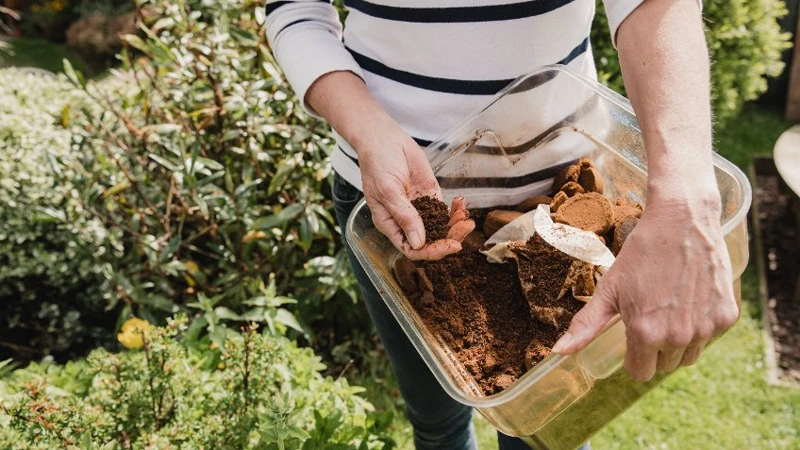
You can easily recycle coffee grounds by adding them to your compost pile. Coffee grounds are rich in nitrogen, which helps balance the carbon-rich materials like dried leaves and paper. When you mix coffee grounds into your compost, you boost microbial activity and help break down organic matter faster. This means your compost will turn into rich, dark soil that your plants will love.
Tip: Always mix coffee grounds with other compost materials. If you add too many grounds at once, they can clump together and block air and water. Try layering them with leaves, grass clippings, or shredded newspaper for best results.
Fertilizer
Coffee grounds make a great slow-release fertilizer for your garden. After brewing, the grounds have a nearly neutral pH, so they won’t make your soil too acidic. They contain small amounts of nitrogen, phosphorus, potassium, and important micronutrients like magnesium and calcium. These nutrients feed your plants and improve soil structure over time.
Here’s a quick look at what coffee grounds add to your soil:
Nutrient / Property | Details / Values |
|---|---|
Nitrogen | 2.28% |
Phosphorus | 0.06% |
Potassium | 0.6% |
Micronutrients | Magnesium, Copper, Calcium |
pH | Slightly acidic (6.2 – 6.8) |
Carbon to Nitrogen Ratio | 24:1 |
Application Recommendations | Mix into soil up to 6 inches deep or add to compost; avoid thick crust on soil surface |
Benefits | Slow-release nitrogen; improves soil structure; neutralizes odor; repels pests (ants, snails, slugs); safe for soil organisms |
Many plants love the nutrients from coffee grounds, especially those that prefer slightly acidic soil. You can help these plants thrive by sprinkling a thin layer of grounds around their base or mixing them into the top few inches of soil. Some of the best plants for coffee ground fertilizer include:
Blueberries
Azaleas
Hydrangeas
African violets
Ferns
Begonias
Roses (in moderation)
Gardenias
Lilies
Coffee grounds also improve drainage and water retention, making your soil healthier for roots and earthworms. Just remember, too much can harm seedlings or sensitive plants, so use a light hand.
Pest Repellent
If you want a natural way to keep pests out of your garden, try using coffee grounds. The smell and texture of coffee grounds can help repel slugs, snails, ants, and even some types of beetles and mosquitoes. You can sprinkle a ring of grounds around your plants to create a barrier that pests don’t like to cross.
Research shows that coffee grounds and their extracts can deter mosquitoes from laying eggs and even stop their larvae from developing. They also have insecticidal effects on fruit flies and beetles. This makes coffee grounds a handy, eco-friendly pest control option for your yard.
However, you should know about a few risks and limitations before you spread coffee grounds everywhere. Take a look at this chart to see what to watch out for:
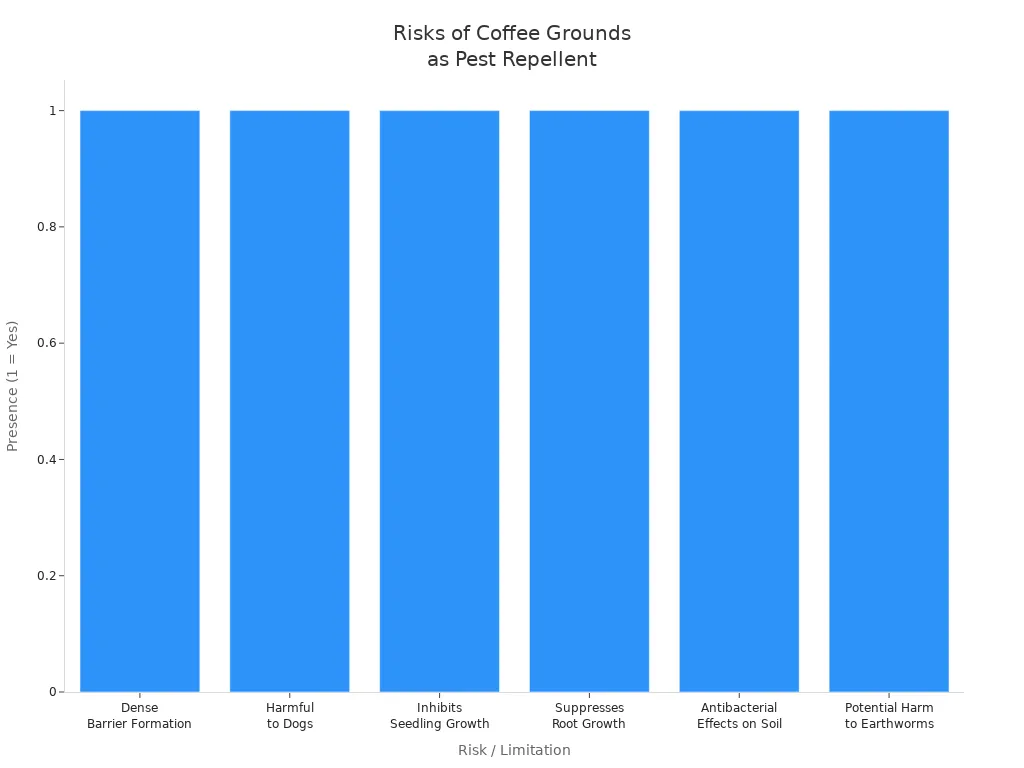
Note: Coffee grounds can form a dense layer that blocks water if you use too much. They can also be harmful to dogs if eaten and may slow the growth of seedlings or sensitive plants. Always mix them into the soil and keep them away from pets.
When you recycle coffee grounds in your garden, you help your plants grow, improve your soil, and keep pests away—all while reducing waste.
Coffee Grounds for Home Cleaning
You might not think of coffee grounds as a cleaning tool, but they can work wonders around your home. When you recycle coffee grounds, you get a natural, eco-friendly way to scrub, deodorize, and remove tough odors. Let’s look at how you can put those used grounds to work.
Scrub
Coffee grounds have a gritty texture that makes them perfect for scrubbing away stubborn dirt and grime. You can use them just like a commercial scrub, but without the harsh chemicals. Here’s why they work so well:
The coarse particles help remove buildup on hard-to-clean surfaces.
Coffee grounds have antibacterial and antiviral properties, so you get a little extra sanitizing power.
They clean pots, pans, and even oven or grill grates without scratching most surfaces.
Try these ideas:
Sprinkle damp coffee grounds on a sponge to scrub greasy pans.
Use them to clean tiles, especially in the kitchen or bathroom.
Soak grill grates in water with coffee grounds, then scrub to remove stuck-on food.
Tip: Avoid using coffee grounds on white tiles or porous surfaces. They can stain, which is something commercial scrubs usually don’t do.
Here’s a quick comparison:
Cleaning Task | Coffee Grounds | Commercial Scrubs |
|---|---|---|
Pots & Pans | ✅ | ✅ |
Oven/Grill Grates | ✅ | ✅ |
Tiles (non-white) | ✅ | ✅ |
Porous Surfaces | ⚠️ (May Stain) | ✅ |
Antibacterial Effect | ✅ | Varies |
You can even use coffee grounds to clean your hands after chopping garlic or onions. The grounds scrub away residue and help neutralize strong smells.
Deodorizer
Coffee grounds do more than just clean—they also trap and neutralize odors. The secret lies in their chemical makeup. Used coffee grounds contain a carbon matrix with a porous structure and special surface groups. These features help them grab and hold onto odor molecules, like hydrogen sulfide and ammonia, which cause bad smells.
You can use coffee grounds as a deodorizer in many places:
Place a bowl of dry, used grounds in your fridge to absorb food odors.
Fill a small cloth bag or sock with grounds and tuck it into shoes or gym bags.
Set a dish of grounds in the bathroom or near the trash can.
Note: Dry the grounds before using them as a deodorizer. Wet grounds can grow mold.
Odor Removal
If you want to tackle tough odors, coffee grounds have you covered. Scientists have found that used coffee grounds can be turned into activated carbon, which is great at trapping sulfur-containing gases. These gases often cause the worst smells in places like refrigerators and shoes.
Here’s how to get the best results:
Place dry, used coffee grounds in a shallow, open dish.
Set the dish in your fridge, shoe closet, or anywhere that needs freshening.
Replace the grounds every week to keep them working at their best.
Coffee grounds stay effective for about a week before you need to swap them out. This simple routine helps keep your home smelling clean and fresh, all while you recycle coffee grounds instead of tossing them out.
Coffee Grounds for Personal Care
Body Scrub
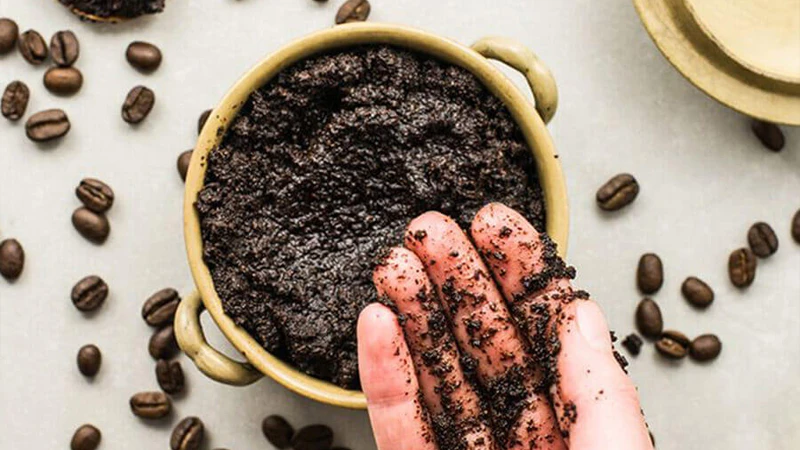
You can turn used coffee grounds into a simple, natural body scrub. When you massage coffee grounds onto your skin, you get gentle exfoliation that removes dead skin cells and reveals smoother, brighter skin. Dermatologists say coffee scrubs work as physical exfoliants. The caffeine in coffee may boost blood flow, giving your skin a healthy glow and even making cellulite look less noticeable for a short time. Some studies suggest coffee’s caffeic acid could help your skin make more collagen and fight signs of aging.
Coffee scrubs have some advantages over commercial exfoliants:
You avoid harsh chemicals and drying soaps.
Coffee scrubs, especially when mixed with sugar and glycerin, leave your skin soft but not greasy.
The caffeine can tighten skin and reduce puffiness.
Many people notice clearer skin and fewer breakouts.
Tip: Use your coffee scrub once or twice a week. If you have sensitive skin, test a small area first and use gentle pressure.
Hair Treatment
Coffee grounds can also give your hair a boost. When you massage them into your scalp, they help remove product buildup and exfoliate dead skin. Some people find their hair feels softer and looks shinier after a coffee treatment. The caffeine may even help stimulate your scalp.
However, you should watch out for a few risks:
Coffee grounds might cause allergic reactions or scalp irritation.
Light-colored hair can stain.
Overuse may dry out your hair.
If you have sensitive skin or caffeine sensitivity, test a small patch first.
For best results, use a hydrating conditioner after rinsing out the coffee grounds.
Soap Additive
Adding coffee grounds to homemade soap gives you a gentle scrub and a fresh scent. The grounds act as a natural exfoliant, helping you wash away dead skin cells and leaving your skin feeling soft. Coffee grounds also help remove strong odors from your hands, like garlic or onion. The rich, energizing aroma of coffee makes your soap smell amazing. If you add a little vanilla, you get a warm, balanced scent that many people love.
Benefit | Coffee Grounds in Soap |
|---|---|
Exfoliation | Gentle, natural scrub |
Odor Removal | Removes cooking smells |
Scent | Energizing, rich aroma |
Texture | Adds scrubbing quality |
Coffee Grounds for Pet and Household
Flea Control
You can use coffee grounds as a natural flea repellent for your pets. After you bathe your dog, try rubbing damp coffee grounds into their fur. The gritty texture helps dislodge fleas and may even discourage them from coming back. Many pet owners like this method because it avoids harsh chemicals. Your dog’s coat might also feel softer and smell fresher after a coffee ground rub. Just remember, coffee grounds work best for dogs. Cats can be sensitive to caffeine, so skip this trick for your feline friends.
Tip: Always rinse your pet thoroughly after using coffee grounds. Keep the grounds away from open wounds or irritated skin.
Litter Box Odor
Tired of unpleasant smells from your cat’s litter box? Coffee grounds can help you tackle that problem in a natural way. Sprinkle a thin layer of dry, decaffeinated coffee grounds at the bottom of the litter box before adding fresh litter. The nitrogen in coffee grounds acts as a natural deodorizer, trapping odors without any added chemicals or artificial fragrances. You get a pleasant coffee scent instead of harsh perfumes. Decaf grounds are safe for cats, even if they accidentally ingest a small amount.
Coffee grounds offer:
Natural odor control with no chemicals
A gentle coffee aroma
An eco-friendly, lightweight, and dust-free solution
Easy clumping for simple cleaning
Commercial litters often rely on artificial fragrances or chemical additives. Coffee grounds give you a greener, healthier option for your home and your cat.
Air Freshener
You can freshen up any room with coffee grounds. Fill a small breathable bag, like a sock or cheesecloth pouch, with dry used grounds. Place it in your closet, car, or bathroom. The grounds absorb unwanted odors and release a subtle coffee scent. This DIY air freshener works well in gym bags, drawers, or even near pet beds. Replace the grounds every week or two for the best results.
Coffee grounds make your home smell inviting and keep the air clean—no need for synthetic sprays or plug-ins!
Crafts and Upcycling
Natural Dye
You can turn your used coffee grounds into a beautiful natural dye for paper, fabric, or even Easter eggs. Coffee grounds contain chlorogenic acid and other polyphenols, which give them their rich color and strong fiber-binding ability. These compounds act as natural pigments and help the dye stick to fabric or paper. Just simmer the grounds in water, strain, and soak your material. You’ll get warm, earthy tones that look great on cotton, linen, or recycled paper. This method also adds a touch of vintage style to your crafts.
Tip: Try dyeing old t-shirts, tote bags, or homemade cards. The color is unique every time!
Candles
Making candles with coffee grounds is a fun way to recycle coffee grounds and add a cozy scent to your home. Mix dried grounds into melted wax before pouring it into a mold or jar. The grounds create a speckled look and release a gentle coffee aroma when the candle burns. You can use leftover jars or mugs as candle holders. This project is simple, and you don’t need special tools.
Candle-making steps:
Melt wax in a double boiler.
Stir in dry coffee grounds.
Pour into a container with a wick.
Let cool and enjoy!
Coffee Packaging Bag Crafts
Don’t toss those shiny coffee bags! You can upcycle them into wallets, lunch bags, or even plant pots. Coffee packaging is durable and water-resistant, making it perfect for crafts. Cut and sew the bags into new shapes, or use glue for simple projects. This keeps more waste out of landfills and gives you unique, eco-friendly items.
Craft Idea | What You Need | Why It’s Green |
|---|---|---|
Wallet | Coffee bag, thread | Reduces plastic waste |
Lunch tote | Coffee bag, handles | Replaces single-use bags |
Plant pot cover | Coffee bag, scissors | Upcycles packaging |
Recycle Coffee Grounds Art
You can use coffee grounds as a medium for art. Sprinkle them on glue to add texture to paintings or mix them with water to “paint” with coffee. This is a great way to experiment with natural materials and create eco-friendly artwork. Kids love using coffee grounds for crafts, and you help the planet by keeping grounds out of the trash.
Recycling coffee grounds for crafts helps reduce landfill waste, lowers methane emissions, and supports a greener lifestyle. Every creative project makes a difference!
When you recycle coffee grounds at home, you help cut down on landfill waste and lower harmful methane emissions. Households that recycle coffee grounds often see up to a 40% drop in general waste disposal costs. These small changes make your home greener and your routines more sustainable. Why not share your favorite ideas with friends or family? Don’t forget to upcycle coffee packaging bags for even more eco-friendly impact. 🌱