What is ABA Home-Compostable Certified Coffee Bags
Winnie
Table of Contents
ABA home-compostable certified coffee bags let you dispose of your coffee packaging in your own backyard compost. The Australasian Bioplastics Association (ABA) certification proves that these bags break down safely in home composting conditions, unlike some packaging that needs special industrial facilities. You can trust ABA certification because it follows strict local standards in Australia and New Zealand, protecting you and the environment from harmful substances.
Certification Type
Composting Environment
Breakdown Timeframe
Consumer Impact
Industrial Compostable
Industrial facilities
~12 weeks
Not suitable for home composting
Home-Compostable
Home/garden compost
90-120 days
Safe and easy for home use
Coffee brands now use more home-compostable packaging because you want to make eco-friendly choices and reduce waste.
ABA Certification
What is ABA?
You may wonder what ABA stands for. The Australasian Bioplastics Association (ABA) is an independent organization that sets strict standards for compostable packaging in Australia and New Zealand. ABA works to make sure that products labeled as compostable truly break down in real-world conditions. When you see the ABA logo on a coffee bag, you know the packaging has passed tough tests for safety and compostability. ABA certification gives you confidence that your coffee bag will not harm your garden or the environment.
ABA certification helps you make eco-friendly choices with trust and transparency.
Certification Standards
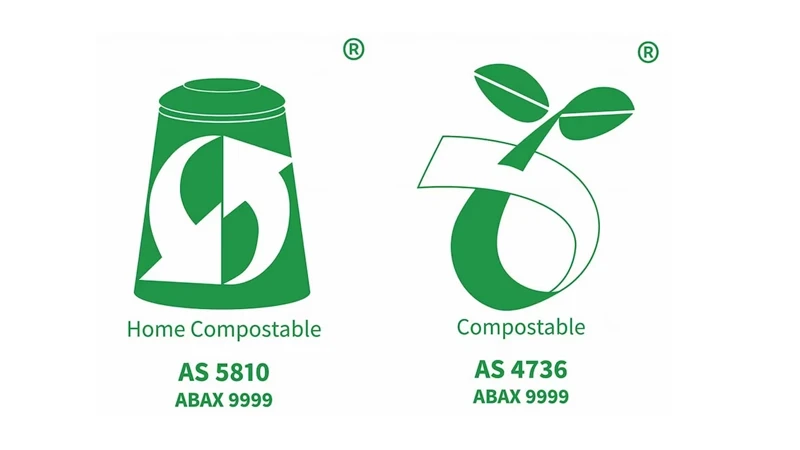
To earn ABA home-compostable certification, a coffee bag must meet the Australian Standard AS 5810-2010. This standard checks if the bag can break down in a typical home compost system, which runs at lower temperatures than industrial composting. The process includes several important tests:
Biodegradation Test: The bag must convert at least 90% of its carbon into carbon dioxide at 28°C within one year.
Disintegration Test: At least 90% of the bag must physically break apart within six months.
Ecotoxicity Test: The compost left behind must not harm plants or earthworms. This includes a special “worm test” to make sure the material is safe for soil life.
Chemical Analysis: The bag must not contain heavy metals or harmful chemicals above safe limits.
All parts of the coffee bag, including layers, zippers, and valves, must pass these tests. ABA uses trusted labs like Normec OWS to check every detail. You can feel confident that ABA-certified bags will protect your coffee and the planet.
Home-Compostable Materials
Plant-Based Components
You might wonder what makes a coffee bag truly home-compostable. The answer lies in the materials. Most home-compostable coffee bags use plant-based components that come from renewable resources. These materials break down naturally in your backyard compost, leaving no harmful residue behind.
Paper, especially kraft paper, forms the outer layer of many coffee bags. It comes from responsibly managed forests and is both recyclable and compostable.
Cornstarch is another common ingredient. Manufacturers turn it into bioplastics that look and feel like regular plastic but break down much faster.
Cellulose, which comes from plant fibers, adds strength and flexibility.
PLA (polylactic acid) is a bioplastic made from corn or sugarcane. It is often used in combination with kraft paper for laminated coffee bags.
PHA (polyhydroxyalkanoates) is a newer material. It is 100% plant-based and breaks down completely in home composting, leaving no microplastics.
These plant-based materials come from sources like corn, sugarcane pulp (bagasse), and other plant fibers. They offer a renewable alternative to fossil-fuel plastics. When you compost these bags at home, you help reduce landfill waste and support a healthier planet.
Note: Home-compostable coffee bags decompose much faster than traditional plastic packaging. While plant-based materials like starch and natural fibers break down readily in home composting, some bioplastics such as PLA may need higher temperatures to degrade quickly. Still, these materials outperform regular plastics, which can last for hundreds of years and often leave microplastics behind.
BN PACK’s Eco Solutions
BN PACK leads the way in eco-friendly packaging by using advanced home-compostable materials for coffee bags. You benefit from packaging that protects your coffee and the environment at the same time.
BN PACK’s coffee bags are OK COMPOST HOME certified and meet ASTM D6400 standards. This means you can trust them to break down safely in your home compost.
The company uses plant-based films made from corn starch and sugarcane. These films carry the USDA BioPreferred label and degrade in soil within six months.
Kraft paper from FSC-certified forests forms the outer layer. It is unbleached, recyclable, and compostable, helping to reduce your carbon footprint.
PLA and starch-based bioplastics add strength and barrier protection. These materials keep your coffee fresh while supporting sustainability.
All materials meet strict international standards, including ISO 9001, ISO 14001, EN 13432, and FDA approval for food safety.
BN PACK’s home-compostable coffee bags decompose naturally within 12 weeks under the right conditions. You do not have to worry about toxic residues or microplastics. The company also uses biodegradable inks and carbon-neutral logistics to further support your eco-friendly choices.
Tip: Look for certifications like OK COMPOST HOME, BPI, and FSC on your coffee bags. These marks show that the packaging meets high standards for compostability and environmental safety.
By choosing BN PACK’s home-compostable solutions, you help close the loop in the circular economy. You support packaging that keeps your coffee fresh and the planet clean.
Disposal Guide
Home Composting Steps
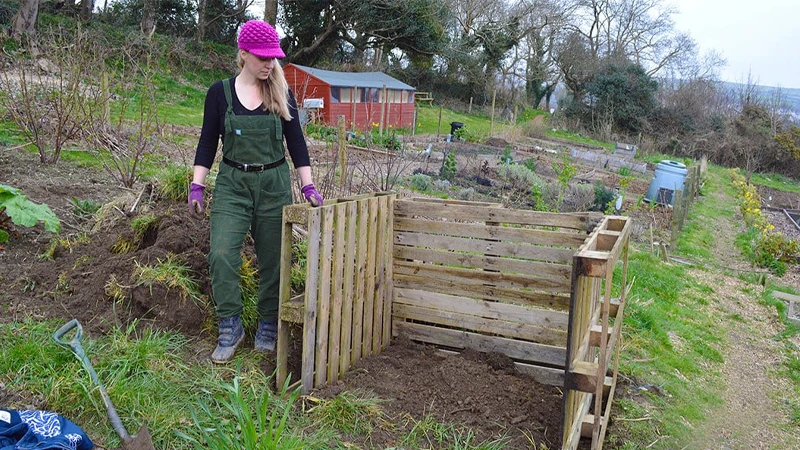
You can easily dispose of ABA home-compostable certified coffee bags in your backyard compost. Follow these steps to make sure the bags break down safely and support a healthy compost system:
Check the coffee bag for the ABA home compostable certification logo (AS5810) and the company’s sub-licence number. This ensures you have a true home-compostable product.
Remove any non-compostable parts, such as metal ties or plastic valves, if present. Most certified bags use compostable zippers and valves, but always double-check.
Make sure the bag is clean and free from contaminants like food residue or grease. This helps the composting process work smoothly.
Place the coffee bag directly into your home compost bin or pile. Do not put it in your kerbside recycling bin, as soft bioplastics are not accepted in mixed recycling streams.
Mix the bag with other compostable materials, such as fruit peels, leaves, and grass clippings. This helps speed up decomposition.
Monitor your compost regularly. Turn the pile every few weeks to provide air and keep moisture balanced.
Check with your local council or resources like Compost Connect for tips on composting practices in your area.
Tip: Home composting works best when you keep your pile moist and well-aerated. Shredding the coffee bag into smaller pieces can help it break down faster.
If Composting Isn’t Available
If you do not have access to home composting, you still have options for disposing of your home-compostable coffee bags:
Use a municipal or industrial composting facility. These facilities operate at higher temperatures and break down compostable packaging more quickly and completely than home systems.
Some local councils offer food waste collection services that accept compostable packaging. Check with your council or visit Compost Connect to find services near you.
Do not place home-compostable coffee bags in recycling bins. These materials are not recyclable and can contaminate recycling streams.
Municipal composting facilities use advanced screening and temperature control to process certified compostable products efficiently. They help divert waste from landfills and produce nutrient-rich compost for soil health.
Benefits and Considerations
Environmental Impact
You help protect the environment when you choose ABA home-compostable certified coffee bags. These bags use plant-based, renewable materials that break down in your backyard compost. They meet strict Australian standards, so you know they will not leave toxic residues. By composting at home, you reduce plastic waste and keep packaging out of landfills. This process returns nutrients to the soil, supporting a healthy ecosystem. Coffee producers and consumers both benefit from less plastic pollution and a smaller carbon footprint. The shift to compostable packaging supports a circular economy, where products return safely to nature instead of becoming waste.
Home-compostable packaging supports a closed-loop system, helping you and your community minimize waste and promote ecological balance.
User Advantages
You gain several advantages when you use ABA home-compostable certified coffee bags. You can dispose of the packaging easily in your home compost, saving trips to special facilities. The bags decompose within weeks, so you do not have to wait long for results. You also support brands that care about sustainability and innovation. Many companies now use compostable labels and inks, making the entire package safe for composting. As more people demand eco-friendly options, you help drive positive change in the coffee industry.
Simple disposal in home compost
Fast decomposition compared to traditional plastics
Support for sustainable brands and practices
Contribution to cleaner communities
Limitations
You may face some challenges with home-compostable coffee bags. Not every area has strong composting infrastructure, so you might need to learn about composting at home. Some bags require specific conditions, like moisture and warmth, to break down quickly. If you do not compost properly, the bags may take longer to decompose. Consumer education and clear instructions are important for the best results. As technology advances, you can expect even better solutions, such as edible pods and packaging made from new plant-based materials.
Tip: Always check for certification logos and follow disposal instructions to maximize environmental benefits.
You make a positive impact when you choose ABA Home-Compostable certified coffee bags. These bags use renewable materials and meet strict standards for safe composting at home.
You support sustainability by removing non-compostable parts and composting the bag in your backyard.
BN PACK offers innovative packaging that keeps your coffee fresh and helps reduce waste. By following proper disposal steps, you help protect the environment and encourage a cleaner future for coffee lovers everywhere.
FAQ
What does ABA home-compostable certification mean for coffee bags?
ABA home-compostable certification means you can compost the bag in your backyard. The bag will break down safely without leaving harmful residues. You help protect the environment by choosing certified packaging.
Can you compost the whole coffee bag at home?
You can compost most certified coffee bags at home. Always check for non-compostable parts like metal ties. Remove these before composting. Most certified bags use compostable zippers and valves.
How long does it take for a home-compostable coffee bag to break down?
Most ABA home-compostable coffee bags break down in 90 to 120 days in a healthy compost pile. Warmer temperatures and regular turning help speed up the process.
Are home-compostable coffee bags safe for plants and soil?
Yes, these bags pass strict tests for ecotoxicity. They do not harm plants, earthworms, or soil life. You can use the finished compost in your garden with confidence.
What should you do if you do not have a compost bin?
You can use a local composting facility if you do not have a home compost bin. Some cities offer food waste collection for compostable packaging. Do not put compostable bags in recycling bins.
Winnie is a specialty coffee educator and the lead content creator at BN Pack.
With years of experience exploring the entire coffee journey—from unique processing methods to the nuances of a perfect roast—she understands what makes a coffee special.
At BN Pack, Winnie channels this expertise into helping coffee brands choose ideal packaging solutions, ensuring the story of quality that begins at the farm is perfectly preserved all the way to the final cup.