

In today’s fast-paced, on-the-go world, single-serving packaging is more than just a convenience; it’s a market necessity. From instant coffee and nutritional supplements to protein powders and liquid flavorings, brands across countless industries are leveraging the power of the single dose to meet consumer demand for portability, convenience, and precise portion control. This powerful trend has made flexible packaging a cornerstone of modern product development.
When it comes to designing these single-use products, two dominant formats emerge: the stick pack and the sachet pack. While they may appear to serve a similar purpose, they possess distinct differences in their design, manufacturing, and user experience that can significantly impact production costs, consumer interaction, and overall brand perception.
We will explore the unique characteristics of each format, compare them head-to-head across key business metrics, and help you determine the ideal choice for your specific product and brand.
What is a Sachet? The Classic Four-Sided Pouch
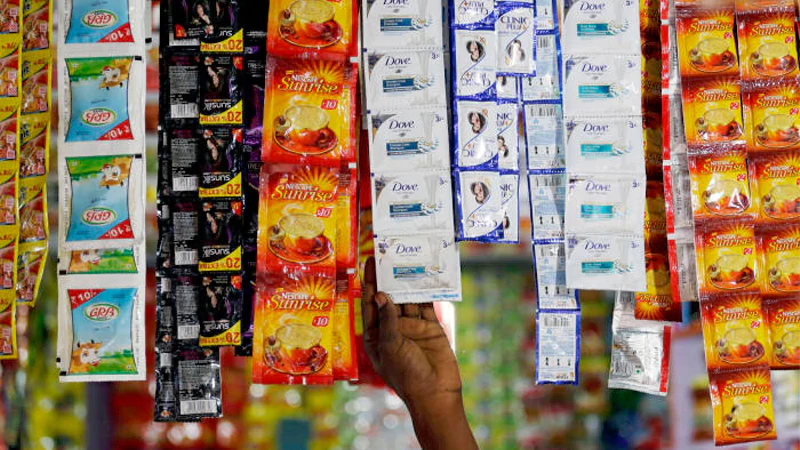
A sachet packet is a small, flat, flexible pouch that is typically sealed on three or four sides. It is one of the most classic and recognizable forms of single-serve packaging, used for decades across a huge range of industries. Made from a single sheet of film that is folded and sealed, the sachet pouch is most often square or rectangular in shape, creating a flat packet that is easy to pack and distribute.
The design of the sachet provides several key advantages that have made it an enduringly popular choice for brands.
- Large Branding Canvas: The wide, flat surface of a sachet acts as a miniature billboard. It provides ample, uninterrupted space on both the front and back for high-impact graphics, detailed product information, and compelling branding.
- Ultimate Versatility: This is arguably the sachet’s greatest strength. Its simple pouch design makes it suitable for an incredibly diverse range of products, including powders, granules, liquids, gels, creams, and even single flat items like wet wipes or cosmetic face masks.
- Consumer Familiarity: From sugar packets in cafés to shampoo samples in magazines, consumers instantly understand what are sachets and how to use them. This inherent familiarity can be a significant advantage, requiring no extra explanation for the end-user.
What is a Stick Pack? The Modern, Slender Pouch
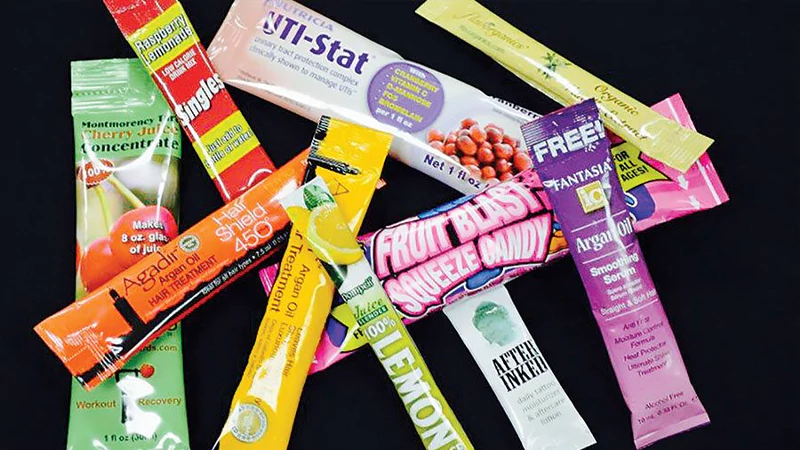
While the sachet is a classic, the stick pack has emerged as the modern, go-to format for a new generation of on-the-go products. So, what is a stick-pack? A stick pack is a long, narrow, tube-shaped flexible pouch. It features a seal at the top and bottom, with a single vertical seam running down the back of the package.
This unique, slender design is the source of its popularity and its key functional advantages, especially within the nutrition, supplement, and beverage-mix industries. The stick pack packaging format is engineered for precision and portability.
Effortless Dispensing: The long, narrow shape with a small tear notch at the top is designed for clean, easy, and directional pouring. This allows a consumer to dispense the product directly into the narrow neck of a water bottle with one hand, without spills or mess.
Material Efficiency: A key business advantage of the stick pack is its efficient use of materials. For the same volume of product (especially for powders and granules), a stick pack generally requires 10-40% less packaging material than a traditional four-sided sachet. This not only reduces material costs but also contributes to a smaller environmental footprint.
Modern, Sleek Appeal: The stick packet has a modern and convenient aesthetic that strongly resonates with today’s consumers. It looks efficient, is easy to carry in a pocket or gym bag, and is strongly associated with active, health-conscious lifestyles.
The Head-to-Head Comparison: Sachet vs. Stick Pack
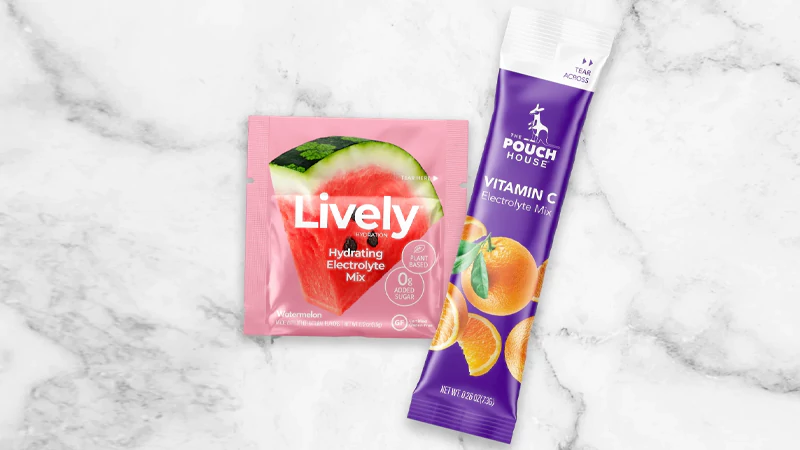
Choosing the right single-serve format requires a clear understanding of how these two options stack up against each other in key business areas. The sachet vs. stick pack decision will impact everything from your production costs to how a customer interacts with your product. Here’s a direct comparison.
Form Factor & User Experience
The most obvious difference is the shape, which directly influences how the consumer uses the product. A sachet pack is wide and flat, typically with a tear notch on the side. This creates a wider opening, which is ideal for products that might be scooped out with a small spoon or poured into a wide-mouthed container like a bowl or mug.
A stick packet, on the other hand, is long and narrow. Its design is optimized for a “tear and pour” motion, allowing the user to neatly funnel the contents into the narrow neck of a water bottle. This makes it the superior choice for any product, like an electrolyte or energy powder, that is intended to be mixed with a bottled beverage. The user experience is cleaner, faster, and more portable.
Material Usage & Cost-Effectiveness
This is a critical consideration for any brand producing at scale. Due to its efficient, tubular design, a stick pack uses significantly less packaging material than a sachet to hold the same volume of product—often between 10% and 40% less. This reduction in material translates directly into lower packaging costs per unit. Furthermore, less material usage leads to a smaller environmental footprint, a powerful marketing advantage with today’s eco-conscious consumers. The compact shape of stick packs can also lead to savings in secondary packaging (like cartons) and shipping, as more units can fit into a smaller space.
Branding & Shelf Presence
When it comes to branding, the sachet has a distinct advantage. Its wide, flat surface acts as a miniature billboard, providing a large, uninterrupted canvas for high-impact graphics, logos, and detailed text. This is a major reason why sachets are so popular for cosmetic samples and products with complex instructions.
The stick pack has a smaller, vertically-oriented branding space. However, stick packs packaging excels in multi-unit sales. They are perfectly designed to be stood upright in a custom dispenser carton on a retail shelf, creating a clean, organized, and high-impact presentation that encourages customers to grab one.
Production & Machinery
It’s important to note that each format requires a different type of Vertical Form-Fill-Seal (VFFS) machine. The machinery for sachet packing is designed to handle the four-sided seal of a wider pouch, while stick pack machinery is specifically engineered to form and fill the narrow, tubular format. The choice of packaging will therefore dictate your equipment investment or your selection of a co-packing partner.
Ideal Applications: Choosing the Right Format for Your Product
With a clear understanding of the differences, the final choice comes down to aligning the package’s strengths with your product’s specific needs and your target customer’s lifestyle. Here is a practical guide to help you decide.
Choose a Sachet When…
The classic sachet excels in situations where its versatility and wide format are key advantages. Opt for a sachet if:
- Your product is flat or has a unique shape. Sachets are the only choice for single-use items like cosmetic face masks, cleansing towelettes, or patches.
- Your branding is complex and requires a large canvas. For promotional samples or products with detailed instructions, the sachet’s large, flat surface is invaluable for communicating your message effectively.
- Your product is a high-viscosity liquid or cream. Thick condiments, sauces, lotions, or gels are much easier to dispense from the wider opening of a sachet. This makes it ideal for many types of sachet food.
- The product is intended for a wide container. If your user is emptying the contents onto a plate or into a wide bowl, the precision of a stick pack is unnecessary.
Choose a Stick Pack When…
The modern stick pack is the champion of convenience and efficiency. Opt for a stick pack if:
- Your product is a powder or granule meant for a beverage. This is the primary use case. Instant coffee, electrolyte powders, collagen supplements, and drink flavorings are perfect for the stick pack’s “tear and pour” functionality into a water bottle.
- Material cost and sustainability are primary concerns. The significant material savings offered by stick packs make them a more cost-effective and eco-friendly choice for high-volume products.
- Your brand targets a modern, on-the-go demographic. The sleek, portable, and user-friendly nature of the stick pack is perfectly aligned with active, health-conscious, and convenience-seeking consumers.
Manufacturing Your Vision: Partnering with an Expert

Choosing between a sachet and a stick pack is a critical strategic decision, but it’s only the first step. The ultimate success of your single-serve product depends on the quality, reliability, and visual appeal of the final package. To be effective, both formats require precise manufacturing with high-quality materials and perfect seals to protect your product’s integrity from the factory to your customer’s hands.
Whether you decide the classic packaging sachet or the modern stick pack packaging is the right fit for your brand, BN Pack has the expertise to bring your vision to life. We specialize in manufacturing custom-printed flexible packaging solutions. Our advanced printing technology ensures your branding is vibrant and compelling, and our high-barrier materials protect your product from moisture, oxygen, and light. We partner with you to create the perfect single-serve package that is durable, user-friendly, and flawlessly represents your brand’s commitment to quality.
Conclusion
Ultimately, the sachet vs. stick pack debate has no single winner, only a strategic choice. Each format offers a distinct set of advantages. The classic sachet provides unmatched versatility and a broad canvas for branding, making it a powerful and flexible tool. The modern stick pack, in contrast, is the champion of efficiency, portability, and on-the-go convenience, perfectly aligning with today’s fast-paced consumer lifestyles. The best choice is always the one that best serves your specific product, your unique brand identity, and your customer.