
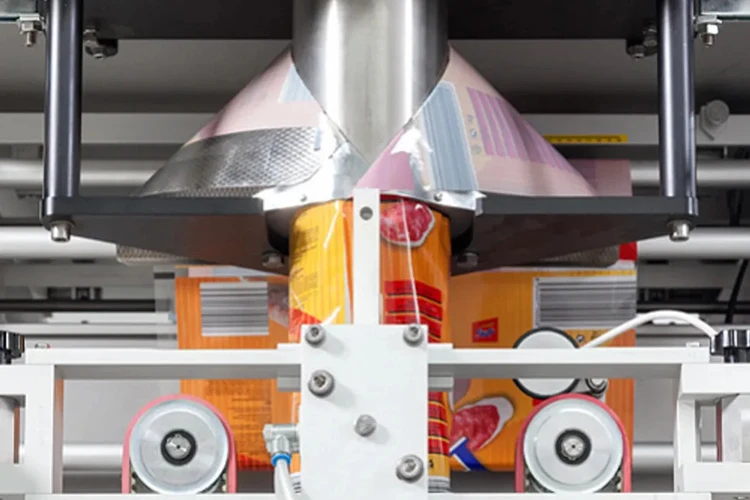
Modern food, beverage, nutraceutical, and daily chemical brands rely heavily on automated packaging systems to improve efficiency and reduce production costs. Among the most widely used systems are VFFS (Vertical Form Fill Seal) and HFFS (Horizontal Form Fill Seal) machines. Both technologies require high-quality rollstock film to ensure stable sealing performance, smooth machine operation, and excellent product protection.
For manufacturers looking to scale production while maintaining packaging consistency, selecting the right packaging film roll is just as important as selecting the filling machine itself. The right structure improves machine speed, reduces downtime, protects products from moisture and oxygen, and creates attractive shelf presentation.
If your brand is exploring custom flexible packaging solutions, you can also learn more about roll stock packaging film for automated packaging lines.
What Is Rollstock Film for VFFS and HFFS Machines?
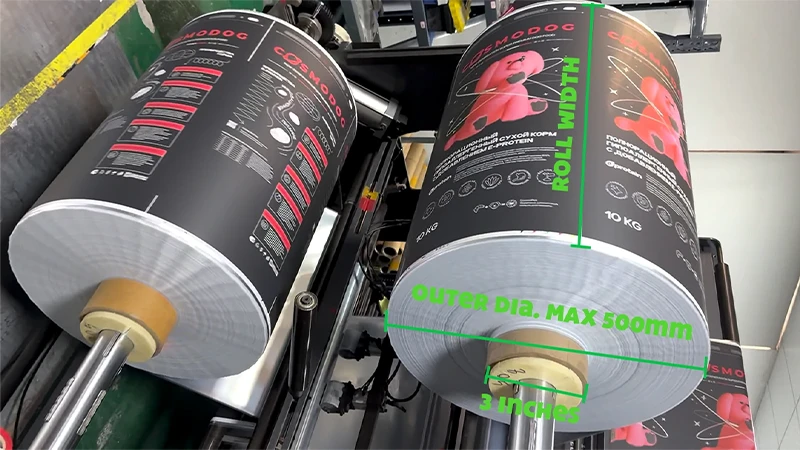
Rollstock film is a flexible packaging material supplied in continuous rolls and designed for automatic packaging systems. During production, the film is fed into the packaging machine, formed into a pouch or package shape, filled with product, and sealed in one continuous process.
VFFS systems typically form bags vertically and are commonly used for powders, granules, snacks, coffee, frozen foods, and pet food. HFFS systems form packages horizontally and are often used for candy bars, bakery products, medical products, sauces, and single-serve sachets.
Unlike pre-made pouches, rollstock film offers higher production efficiency and lower packaging costs for large-volume manufacturing. It also allows manufacturers to customize package dimensions, seal structures, printing designs, and barrier performance according to the product requirements.
Difference Between VFFS and HFFS Packaging Applications
Although both systems use packaging film rolls, the packaging process and application scenarios are different.
| Feature | VFFS Machines | HFFS Machines |
| Packaging Direction | Vertical | Horizontal |
| Typical Products | Powders, grains, coffee, snacks | Bars, liquids, bakery products |
| Common Package Types | Pillow bags, gusset bags, stick packs | Sachets, flow wraps, trays |
| Production Speed | High-speed bulk filling | Precision horizontal sealing |
| Product Feeding Method | Gravity filling | Conveyor or pump filling |
VFFS machines are highly efficient for free-flowing products and bulk packaging, while HFFS machines are ideal for products requiring more stable positioning or complex package structures.
To support both machine types, flexible packaging manufacturers develop specialized laminated films with controlled friction, strong seal integrity, and excellent machinability.
Key Material Structures Used in Packaging Film Rolls
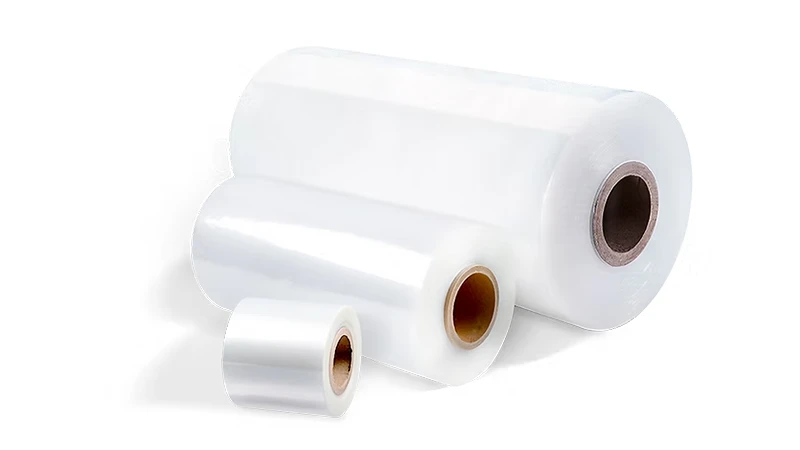
The performance of a rollstock film largely depends on its material structure. Different products require different barrier properties and sealing characteristics.
For dry food and snacks, PET/PE structures are commonly used because they provide strong printability and reliable heat sealing. For products sensitive to oxygen and moisture, aluminum foil laminates or metallized films are often preferred.
Common material combinations include:
- PET/PE
- BOPP/CPP
- PET/VMPET/PE
- PET/AL/PE
- NY/PE
Each structure offers different levels of puncture resistance, transparency, gloss, and barrier protection.
For example, coffee packaging usually requires high oxygen barriers and aroma retention. In these applications, manufacturers often use multilayer laminated films similar to those used in coffee packaging bags.
Why Barrier Performance Matters in Automated Packaging
Barrier performance directly affects product shelf life. Poor-quality packaging film can allow oxygen, moisture, UV light, or odors to penetrate the package, reducing product freshness and increasing spoilage risks.
For industries such as food, protein powder, pharmaceuticals, and supplements, maintaining product stability is critical.
High-barrier rollstock films help manufacturers:
- Preserve flavor and aroma
- Prevent moisture absorption
- Extend shelf life
- Protect against contamination
- Reduce product waste
As consumer demand for freshness and portability continues to grow, high-performance flexible packaging materials have become essential for automated packaging operations.
Seal Strength and Machine Compatibility
One of the most important factors in VFFS and HFFS film selection is seal consistency. Weak or unstable seals can lead to leakage, contamination, and production downtime.
A properly engineered packaging film roll should maintain stable sealing performance across different machine temperatures and operating speeds.
Important sealing considerations include:
| Packaging Requirement | Recommended Film Characteristic |
| High-speed operation | Stable heat seal layer |
| Heavy products | Strong puncture resistance |
| Liquid filling | Leak-proof sealing |
| Powder packaging | Anti-static performance |
| Frozen food | Low-temperature durability |
Film friction coefficient is another important factor. If the film surface is too slippery or too rough, it may affect feeding accuracy and sealing alignment during production.
Professional flexible packaging manufacturers usually test films on actual filling machines to ensure compatibility before mass production.
Printing Quality for Retail Packaging
In modern retail environments, packaging is not only a protective layer but also a branding tool. High-quality rotogravure or digital printing on rollstock film allows brands to create visually attractive packaging designs while maintaining production efficiency.
Custom printed packaging film helps products stand out on crowded shelves and improves consumer recognition.
Today’s brands often integrate:
- Matte and glossy finishes
- Metallic effects
- Transparent windows
- Soft-touch coatings
- QR codes and variable printing
Because VFFS and HFFS systems operate continuously at high speeds, print registration accuracy is extremely important. Poor print alignment may affect machine sensors and reduce packaging consistency.
If you are developing custom printed flexible packaging, you may also explore custom printed pouches for retail packaging projects.
Sustainable Rollstock Film Trends
Sustainability has become a major trend in the packaging industry. More brands are now looking for recyclable or mono-material packaging solutions compatible with automated filling systems.
Traditional multilayer laminates offer excellent barrier properties but are difficult to recycle because different material layers are bonded together.
To address this challenge, packaging manufacturers are developing:
- Recyclable PE mono-material films
- Recyclable PP structures
- PCR (Post-Consumer Recycled) packaging films
- Reduced-thickness flexible packaging
- Solvent-free laminated films
However, sustainability must be balanced with machine performance. Recyclable materials sometimes behave differently during sealing and forming, requiring machine adjustments and additional testing.
Many global food and consumer brands are already transitioning toward recyclable rollstock packaging to meet sustainability goals and regulatory requirements.
Industries Using VFFS and HFFS Packaging Film Rolls
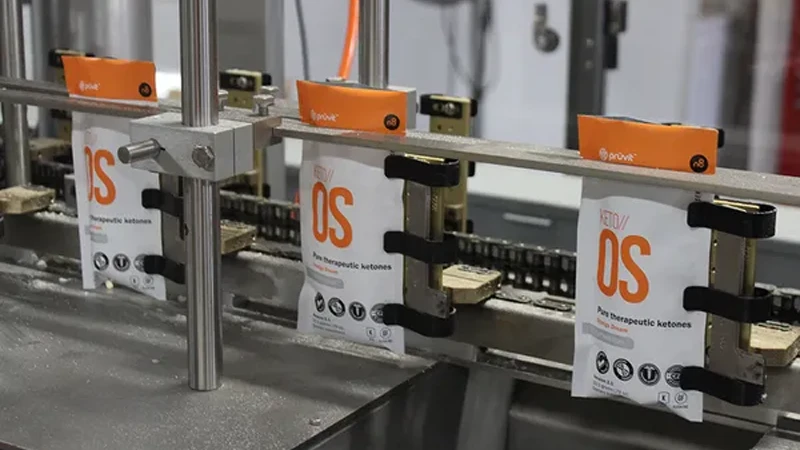
Packaging film rolls are used across a wide range of industries because of their flexibility, efficiency, and scalability.
In the food industry, VFFS systems dominate snack packaging, frozen food packaging, rice packaging, and coffee applications. HFFS systems are widely used for candy bars, bakery items, sauces, and single-dose food products.
Outside of food packaging, automated rollstock films are also commonly used in:
| Industry | Typical Products |
| Nutraceuticals | Protein powder, supplement sachets |
| Pharmaceuticals | Medical pouches, powder sachets |
| Personal Care | Wet wipes, facial masks |
| Pet Food | Dry kibble, treats |
| Household Products | Detergent powder, cleaning wipes |
As packaging automation continues to expand globally, the demand for customized rollstock film solutions continues to increase.
How to Choose the Right Packaging Film Supplier
Choosing the right flexible packaging supplier is essential for maintaining stable production and product quality.
An experienced supplier should not only provide customized material structures but also understand machine compatibility, sealing performance, and packaging line efficiency.
When evaluating a packaging film manufacturer, consider the following:
- Experience with VFFS and HFFS systems
- Ability to customize barrier structures
- Printing quality and color consistency
- Food-grade certification compliance
- Production lead time
- Technical support and testing capabilities
Reliable suppliers usually provide film samples and machine testing support before large-scale production begins.
You can also explore additional flexible packaging solutions for different automated packaging applications.
Future of Automated Flexible Packaging
The future of flexible packaging is closely connected to automation, sustainability, and smart manufacturing.
As brands continue to seek faster production speeds and lower packaging costs, VFFS and HFFS systems will remain critical technologies for modern packaging operations.
At the same time, demand for recyclable materials, lightweight packaging, and premium shelf appearance will continue driving innovation in rollstock film design.
Advanced packaging films are becoming thinner, stronger, and more functional while maintaining compatibility with increasingly sophisticated filling machines.
For manufacturers, investing in high-quality packaging film rolls is no longer simply a packaging decision. It is a strategic investment in production efficiency, product protection, and long-term brand growth.
Conclusion
VFFS and HFFS packaging film rolls play a critical role in modern automated packaging systems. From material structure and barrier performance to seal consistency and printing quality, every aspect of the film directly impacts packaging efficiency and product protection.
Whether you are packaging coffee, protein powder, snacks, pharmaceuticals, or personal care products, choosing the right rollstock film can help improve machine performance, reduce waste, and strengthen your brand image.
As the packaging industry continues evolving toward sustainable and high-speed production, customized flexible packaging films will remain one of the most important components of successful automated packaging operations.