
In a world increasingly conscious of sustainability, kraft bags have emerged as a remarkably versatile and eco‑friendly packaging solution. These sturdy, natural‑looking bags—crafted from kraft paper processed via the powerful kraft method—combine strength, simplicity, and environmental mindfulness in one package. From shopping bags and gourmet food pouches to gift packaging and shipment wraps, their applications span across industries big and small.
But what exactly are kraft bags, and why are they gaining such widespread popularity among both consumers and businesses? Beyond their charming rustic aesthetic, kraft bags boast impressive practical advantages: they are fully recyclable, biodegradable, and compostable, making them a compelling alternative to single-use plastic. Moreover, their strength and customizable design make them equally suitable for heavy-duty commercial use and refined retail branding.
What Is a Kraft Paper Bag?
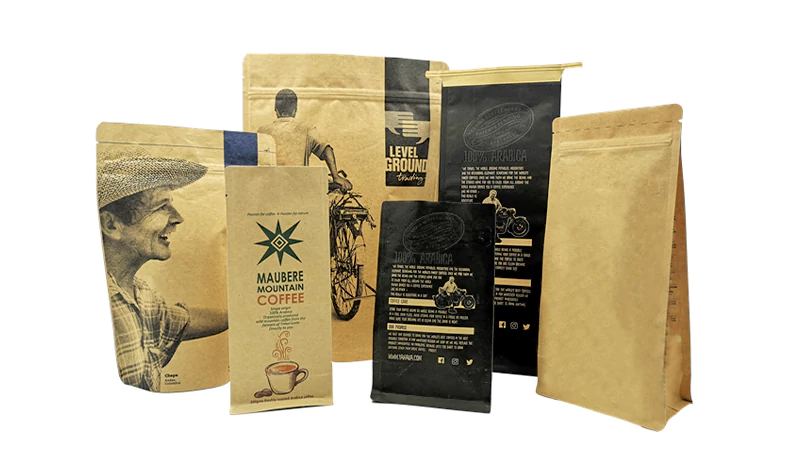
A kraft paper bag is a bag made from kraft paper, which is a robust, natural-looking paper generated by the kraft process. This is a chemical pulping method that gets its name from the German word for “strength.” This method, which was originally used in the 1880s, uses certain chemicals on wood pulp to keep long cellulose fibers from breaking down. This makes paper that is much stronger than regular paper.
The Kraft Paper Process
- Wood (often softwood like pine or spruce) is chipped and treated with sodium hydroxide and sodium sulfide, breaking down lignin while keeping fibers long and strong.
- The pulp is washed, pressed, dried, and optionally microcreped—a method to create elasticity and tear resistance by allowing the paper to shrink slightly.
- The result is a highly durable, heavy-duty paper.
Characteristics That Define Kraft Paper Bags
- Strength & Durability: With high tensile strength and inherent elasticity, kraft paper bags resist tearing and are ideal for carrying heavier loads.
- Natural Appearance: The signature brown shade comes from unbleached wood pulp; bleached variants (white kraft) offer a cleaner look but may sacrifice some strength.
- Eco-Friendly: Because kraft paper undergoes minimal processing, it remains recyclable, biodegradable, compostable—and often composed of recycled fibers
Variations in Kraft Paper Bags
- Brown kraft bags: Rustic and natural, often unbleached, conveying a strong eco-conscious feel.
- White kraft bags: Bleached for a clean appearance, with surfaces better suited to high-quality printing—though bleaching uses more energy and chemicals .
- Functional types: Including flat bags, gusseted paper sacks, lunch squires, grocery carriers, stand-up pouches, and multi-wall sacks with water-resistant coatings for heavy-duty uses.
Why Are Kraft Paper Bags Popular?
Kraft paper bags have surged in popularity among both consumers and businesses, and several compelling factors drive this trend:
1. Environmental Appeal
- Eco-friendly materials: Made from renewable wood pulp and often lightly processed or unbleached, kraft bags are biodegradable, recyclable, and compostable—typically decomposing within a few weeks to months compared to plastic’s centuries-long footprint.
- Extended recyclability: Kraft fibers can be recycled 5–7 times (versus ~4 for regular paper), reducing resource usage and waste.
- Lower carbon footprint: Their carbon footprint can be more than 60% lower than plastic alternatives, making them ideal for ESG‑focused businesses .
2. Strength & Durability
- High tensile strength: The kraft process retains long cellulose fibers, creating tear-resistant paper that can hold loads of 8–12 kg—comparable to or better than ordinary paper bags.
- Reusable and reliable: Many kraft bags can be used 10+ times, and they withstand outdoor exposure better than plastic, maintaining about 80% of their strength in humid conditions.
3. Design & Branding Flexibility
- Wide format range: Available in small, gusseted, stand‑up, or large sizes—meeting the needs of everything from jewelry packaging to large‑scale shipping .
- Customizable aesthetics: They can feature twisted or flat handles, die‑cuts, full‑color printing with water-based inks, embossing, and foil stamping—turning packaging into a brand statement
4. Cost-Effectiveness
- Affordable raw materials: Wood pulp typically costs 15–20% less than plastic resins, and chemical recovery in the kraft process further reduces production costs.
- Lower total cost: Fewer breakages mean lower replacement and return costs, while many regions offer tax breaks or incentives for eco‑friendly packaging.
5. Consumer Perception & Market Trend
- Instant eco‑recognition: Approximately 78% of consumers identify kraft packaging as sustainable within just 3 seconds—making it a powerful visual cue for brand values.
- Rustic yet modern aesthetic: The organic, “crafty” look appeals to eco-minded shoppers, and many brands now use custom colors (black, white, gray) for upscale appeal .
Environmental Benefits of Kraft Paper Bags
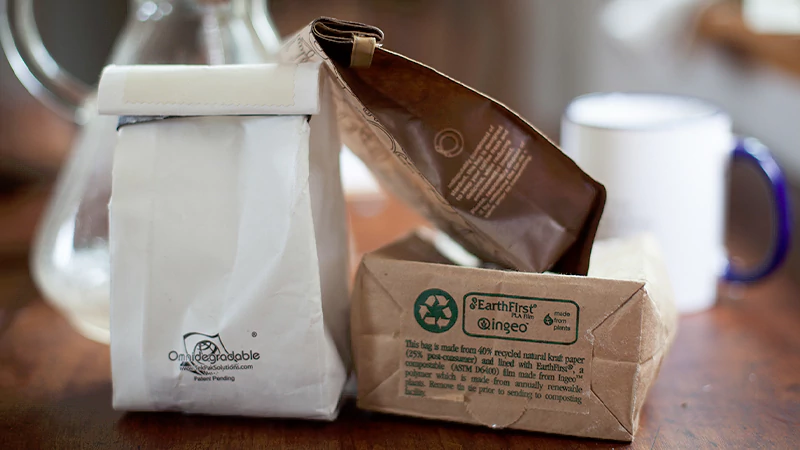
| Environmental Benefit | Kraft Paper Bags Deliver |
| Biodegradable | Breaks down naturally without pollution |
| Recyclable | Reused up to 7 times; widely accepted in recycling |
| Sustainably Sourced | Comes from managed forests with minimal chemicals |
| Low Carbon Footprint | Less CO₂ released in production and transport |
| Regulatory-Friendly | Meets legal and ethical sustainability standards |
Biodegradability and Compostability
Kraft paper bags are good for the environment since they break down naturally. Kraft paper breaks down naturally in a few weeks or months, unlike plastic, which can stay in the environment for hundreds of years. When you throw these bags out, they break down into safe organic matter that doesn’t leave behind any dangerous chemicals or microplastics.
This makes them a good choice for firms that want to be more environmentally friendly and for customers who want packaging that fits with their ideals of sustainability.
Also, kraft paper can be composted at home, so people can safely throw it away with food and garden waste, which puts nutrients back into the soil.
Recyclability
Another big plus is that kraft paper can be recycled. The kraft pulping process makes strong cellulose fibers that are lengthy and strong. This means that the paper can be recycled several times, sometimes five to seven times. This lessens the demand for new raw materials and relieves some of the stress on forest resources.
Some kraft paper bags are even made from paper that has already been used, which helps the economy keep going. Because they work with regular recycling systems, it’s easy for both people and businesses to responsibly get rid of trash without having to do anything extra or pay extra.
Sustainable & Lower Carbon Footprint
When it comes to getting raw materials, kraft paper is known for being environmentally friendly. The paper is usually created from wood pulp from managed forests that fulfill the standards set by certification groups like the Forest Stewardship Council (FSC). This makes sure that for every tree cut down, another one is planted, which keeps biodiversity and the balance of the ecosystem.
Kraft paper bags are also good for the environment because they have a little carbon imprint. Making kraft paper instead of plastic bags releases a lot less greenhouse gases, especially when recycled paper or renewable energy sources are employed in the process.
Kraft paper bags are also light but strong, which cuts down on emissions from shipping and distribution. When kraft bags are done with their lives, they may either be recycled again or composted, both of which are much better for the environment than throwing them away in a landfill.
What Are Custom Kraft Paper Bags Used For?
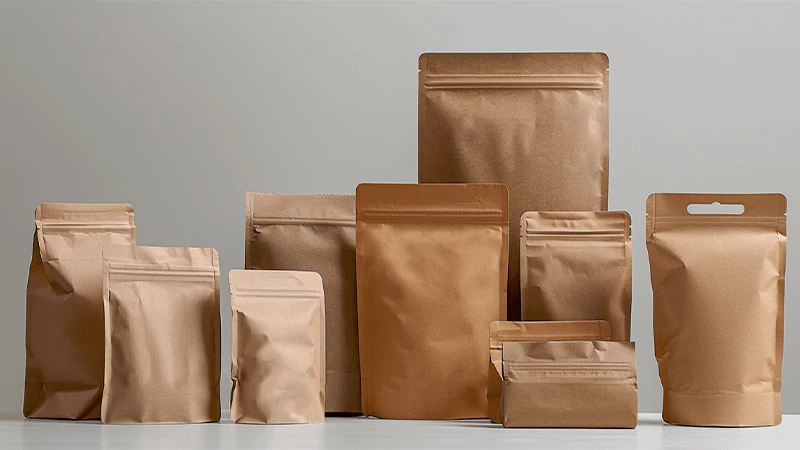
Kraft Paper Coffee Bags
Kraft paper is one of the most popular materials for making coffee packaging bags. Its natural, rustic appearance resonates with specialty coffee brands that want to convey a sense of authenticity and eco-consciousness. Kraft coffee bags can be combined with inner aluminum foil or PLA linings to protect coffee beans from moisture, oxygen, and light.
These bags are often designed with degassing valves and resealable zippers to maintain freshness and aroma. Whether used for whole beans or ground coffee, kraft paper coffee bags provide a balance of functionality, brand appeal, and environmental responsibility.
Kraft Food Packaging Bags
Kraft bags are widely used in the food industry to package a variety of dry goods and snacks. They are ideal for products like nuts, dried fruits, cookies, candies, spices, grains, and powdered ingredients. Many food-grade kraft paper bags are equipped with inner linings to ensure hygiene and extended shelf life.
Their strong structure makes them suitable for both retail display and bulk food sales. Businesses that choose kraft food packaging can present a clean, natural brand image while using materials that are recyclable and often compostable.
Kraft Tea Bags
For tea brands, kraft paper packaging offers a great combination of freshness protection and visual appeal. Kraft tea bags or pouches are commonly used for loose leaf tea, herbal blends, or tea powder. They can include resealable zip locks, aluminum linings, and moisture-proof barriers to preserve the delicate flavors and aromas of tea. The natural kraft paper finish complements the organic and calming identity many tea products aim for. Bulk ordering of kraft tea packaging helps tea brands maintain consistency while keeping packaging costs under control.
Gift & Retail Packaging Bags
Kraft paper gift bags are popular for both retail and advertising. They are great for custom printing, stamping, or embellishing because they are a neutral color and have a clean surface. They are also great for giving away, packaging for events, or showing off products.
Boutiques, sellers of handcrafted goods, and eco-friendly firms that want to give their products a high-end but natural look often utilize these bags. Kraft gift bags can be customized for holidays, seasonal events, or corporate promotions by adding rope handles, windows, or foil stamping.
Conclusion
Kraft paper bags have quickly become a cornerstone of modern, sustainable packaging. More than just a rustic alternative to plastic, they embody a growing global shift toward materials that are both functional and environmentally responsible. From their origins in the kraft process to their widespread use across retail, food service, agriculture, and e-commerce, kraft bags offer a powerful blend of strength, recyclability, and visual appeal.
Their eco-friendly characteristics—such as biodegradability, compostability, and recyclability—make kraft bags an excellent choice for businesses that aim to reduce their environmental impact without sacrificing quality or performance. Additionally, the flexibility of kraft bags in terms of size, shape, printability, and finish allows brands to maintain both aesthetic standards and packaging efficiency.
As more governments restrict single-use plastics and consumers demand greener packaging, kraft paper bags present an opportunity for businesses to stay ahead of regulations and market expectations. Whether you’re a small café, a fashion retailer, or a large-scale manufacturer, purchasing kraft bags wholesale can help you reduce costs while maintaining a consistent and sustainable packaging strategy.
If you’re looking for reliable kraft bag wholesale suppliers, choosing a manufacturer that understands your industry’s unique needs is key. At BN Pack, we specialize in high-quality, customizable kraft bags for diverse industries—delivering eco-conscious solutions that match your brand values and operational requirements.
Make the switch to kraft. Make the switch to sustainability.
Contact us today to explore kraft paper bag options tailored to your business.
FAQs of Kraft Paper Bag
What are kraft paper bags made of?
Kraft paper bags are made from kraft paper, produced through a chemical pulping process that creates strong, durable paper from wood pulp. This material is natural, recyclable, biodegradable, and often compostable.
Why are kraft paper bags popular for coffee packaging?
Kraft paper bags are favored for coffee packaging because they provide a natural, rustic look, excellent strength, and can be combined with inner linings and degassing valves to keep coffee fresh while being eco-friendly.
Are kraft paper bags environmentally friendly?
Yes, kraft paper bags are biodegradable, recyclable, and often made from sustainably sourced materials, making them an eco-friendly alternative to plastic bags.
What types of products are typically packaged in kraft bags?
Kraft bags are commonly used for coffee, food products like snacks and grains, tea leaves, gift packaging, and more due to their versatility and strength.
Can kraft paper bags be customized for branding?
Absolutely. Kraft paper bags can be printed with logos, designs, and customized finishes such as embossing or foil stamping, making them ideal for businesses looking to enhance brand visibility.