
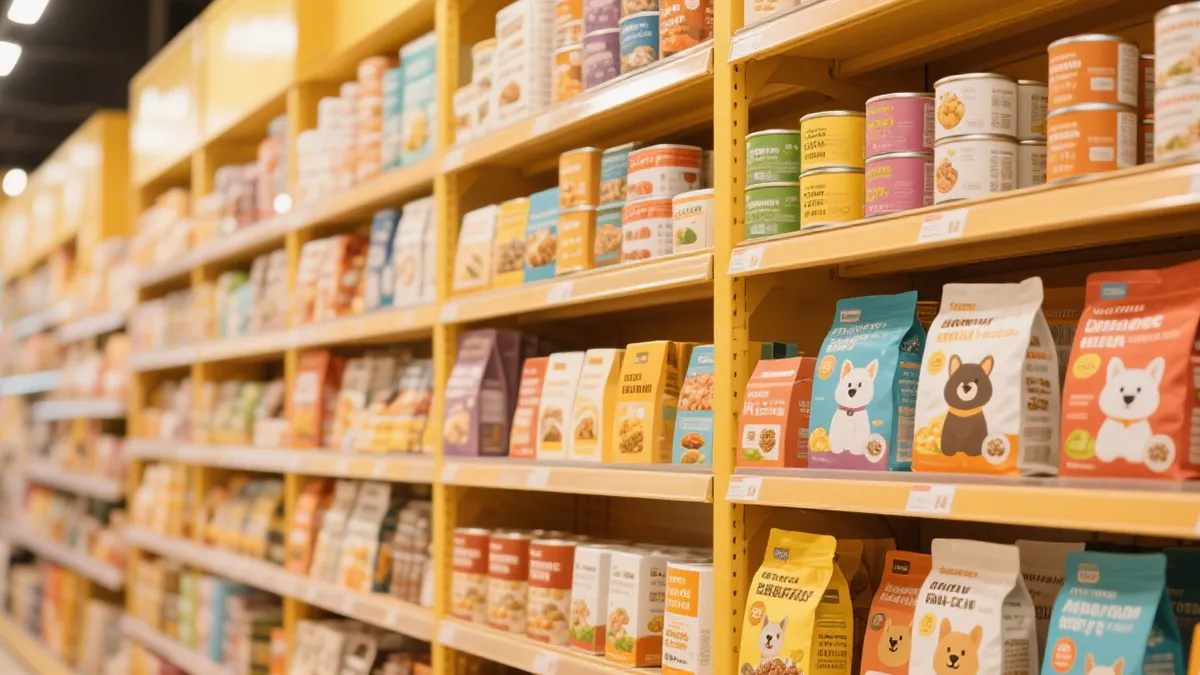
What Are Pet Food Bags Made Of?The material selection of pet food bags is related to the freshness of food, as well as the convenience and environmental friendliness of use. Common pet food bags are mostly made of multiple layers of materials, the core purpose of which is to take into account barrier properties, strength and sealing properties.
In this article, we will explore the different materials used in pet food bags, their benefits, and how they contribute to preserving the quality of your pet’s food.
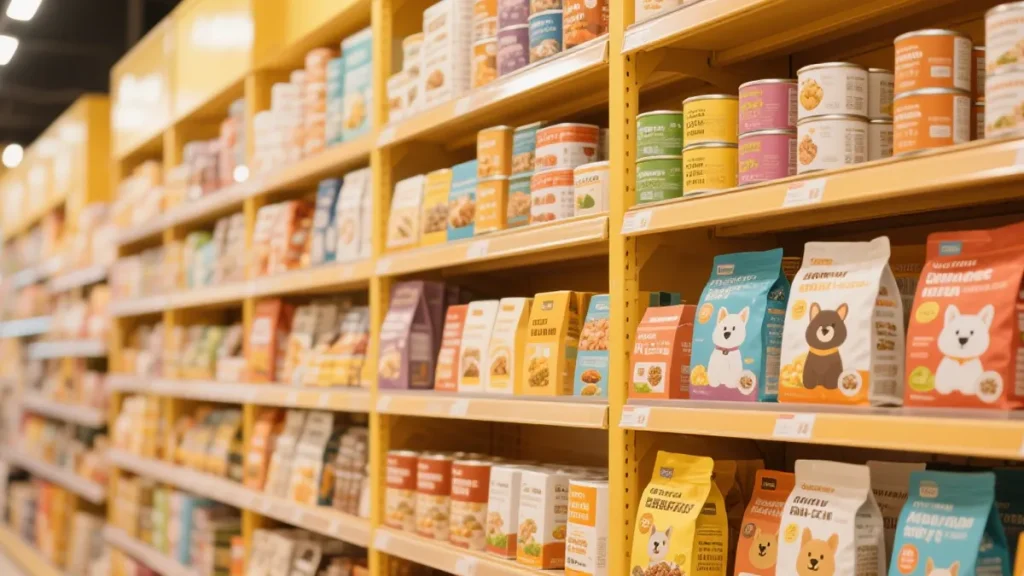
Key Materials Used in Pet Food Bags
Pet food bags are typically made from a combination of materials to offer enhanced protection, durability, and sustainability. Here are the main materials that go into making pet food bags:
| Material | Description | Benefits |
|---|---|---|
| Polyester Film (PET) | A plastic film often used as an outer layer for strength and durability. | Offers resistance to moisture, light, and air; keeps food fresh. |
| Aluminum Foil | Thin sheets of aluminum used in combination with other materials for food protection. | Provides excellent air and moisture barriers, maintaining freshness. |
| Kraft Paper | A biodegradable paper often used in eco-friendly packaging. | Renewable, recyclable, and compostable. |
| Lamination | A thin coating of plastic applied to paper or other materials for enhanced durability. | Provides additional strength and prevents damage. |
| Ziplock Closure | A resealable feature for convenience. | Preserves food by keeping it airtight after opening. |
Polyester Film (PET)
Polyester film (PET) is one of the most common materials used in the production of pet food bags. PET offers a variety of benefits such as moisture, air, and light resistance. These qualities make PET ideal for extending the shelf life of dry foods like kibble. Additionally, PET is durable and lightweight, making it easy to handle during storage and transportation.
PET is often used in combination with other materials like aluminum foil to create a multi-layer barrier that protects the contents.
Aluminum Foil
Aluminum foil is a popular choice for pet food bags due to its excellent protective properties. It provides a barrier against air, moisture, and light, all of which can degrade the quality of pet food. When combined with materials like polyester film, aluminum foil ensures that pet food stays fresh and maintains its nutritional value for longer periods.
Eco-Friendly Kraft Paper
Sustainability is becoming an important factor in the pet food packaging industry. Kraft paper, made from wood pulp, is a biodegradable material that is also recyclable. Many pet food brands have started to use kraft paper for the outer layer of their bags to appeal to eco-conscious consumers.
While kraft paper doesn’t provide as much moisture protection on its own, it is often combined with other materials to provide additional durability and resistance to environmental factors.
Specialized Features for Pet Food Bags
Biodegradable Packaging
As consumers demand more eco-friendly products, biodegradable packaging is becoming more popular. Biodegradable materials, such as plant-based plastics and compostable films, are designed to break down over time, reducing environmental waste.
Child-Resistant Packaging
Some pet food products, particularly those that contain supplements or treats, include child-resistant features. These are designed to prevent children from accidentally opening the packaging, ensuring safety.
Vacuum Sealing for Freshness
Vacuum-sealed bags are commonly used for dry food packaging. The vacuum process removes excess air from the bag, helping to preserve the food and maintain its freshness. This process is especially useful for foods that can lose flavor or become stale when exposed to oxygen.
The Importance of Durability and Protection in Pet Food Bags
Pet food bags need to be durable and protective, especially given the rough handling they may undergo during transportation and storage. The materials used in the bags are designed to protect the food from various environmental factors such as moisture, air, and light.
| Protection Type | Role in Pet Food Packaging | Materials Used |
|---|---|---|
| Moisture Protection | Prevents the food from absorbing moisture, which could lead to spoilage or mold growth. | Laminated films, aluminum foil, PET |
| Air Barrier | Protects food from oxidation, which could degrade flavor and nutritional value. | PET, aluminum foil, laminated coatings |
| Light Barrier | Prevents exposure to light, which can cause nutrients in pet food to degrade. | Aluminum foil, PET |
Moisture Protection
One of the main threats to dry pet food is moisture. Packaging materials that resist moisture are essential in preventing mold or spoilage. This is why multi-layered packaging, often including PET and aluminum foil, is commonly used to create a moisture-proof barrier.
Air Barrier Properties
Oxidation, caused by exposure to oxygen, can reduce the shelf life of pet food. Packaging materials like PET and aluminum foil provide excellent air barriers to protect food from oxidation, ensuring that the food stays fresh for a longer period.
Customization Options for Pet Food Bags
Customization in pet food packaging allows brands to meet specific needs, whether that’s for branding purposes or for accommodating various pet food types. Customized bags can be tailored to fit the food’s size and shape, as well as to reflect the brand’s image.
| Customization Option | Description | Benefits |
|---|---|---|
| Custom Size & Design | Bags can be made in different sizes and designs to fit product needs. | Enhances brand recognition and allows packaging flexibility. |
| Full-Color Printing | High-quality printing for logos, ingredients, and other info. | Helps create a professional image and attracts consumer attention. |
Custom Size and Design
Pet food bags can be customized to accommodate different product quantities, making them suitable for various types of pet food—whether it’s small bags for retail or large bags for bulk packaging.
Full-Color Printing
High-quality, full-color printing on pet food bags not only helps in branding but also provides clear product information, nutritional labels, and ingredients. This is essential for attracting customers and ensuring transparency.
Why Are Pet Food Bags Not Recyclable?
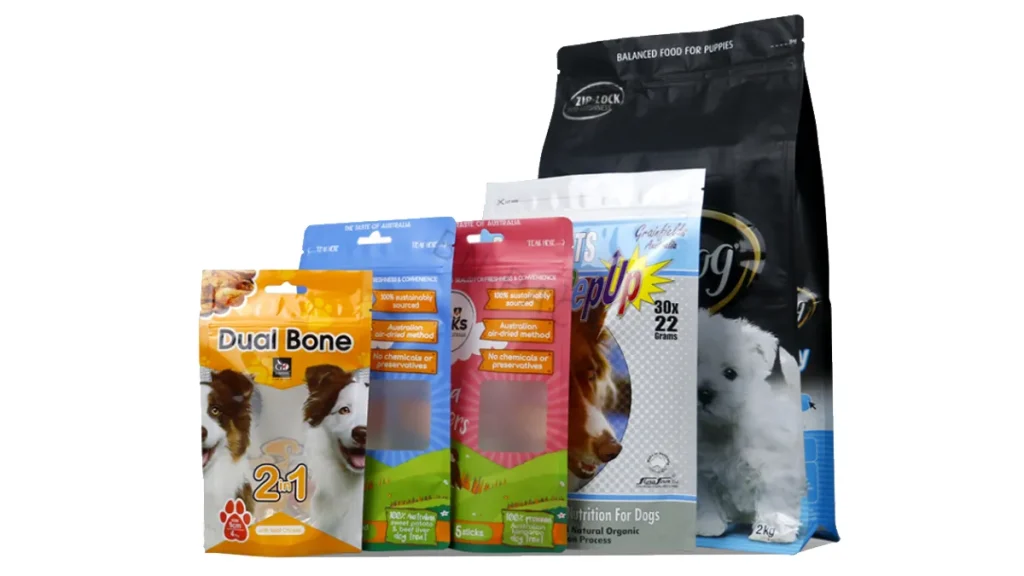
Despite the growing interest in sustainability, many pet food bags are not recyclable. The combination of multiple materials such as PET, aluminum foil, and plastic laminates makes it difficult for recycling facilities to process them effectively.
The Future of Pet Food Packaging
With increasing consumer awareness about environmental issues, the pet food packaging industry is evolving. New sustainable alternatives and innovations, such as biodegradable plastics, are being explored.
Sustainability Trends
More pet food brands are making the shift towards sustainable materials. Plant-based plastics, recyclable materials, and reduced packaging are trends that will likely shape the future of pet food bags.
Technological Advancements
Smart packaging that includes features like freshness indicators or RFID tags may soon become a regular part of pet food packaging. These innovations could help improve freshness, convenience, and traceability.
Conclusion
Understanding what goes into pet food bags—and why certain materials are used—helps consumers make more informed decisions. With innovations in sustainable packaging and advanced technology, the future of pet food packaging is looking much greener.
If you are looking for a suitable packaging solution for pet food, whether you need to customize a packaging bag with a specific material combination or want to optimize the performance and cost of existing packaging, please feel free to contact us. Let us work together to create safe, reliable and market-attractive packaging for your products and win the trust of pet owners together.
FAQs
Why are pet food bags made from multiple materials?
Pet food bags are made from multiple materials to offer a combination of benefits that enhance the protection and preservation of pet food. Multi-layer packaging typically includes materials like polyester film (PET), aluminum foil, and paper or plastic laminates. Each material serves a unique purpose:
- PET (Polyester Film): Provides strength and durability, protecting the food from external damage.
- Aluminum Foil: Acts as an air and moisture barrier, which helps maintain the freshness and nutritional value of the food.
- Paper and Laminates: Enhance the bag’s structure and provide additional protection against environmental factors.
By combining these materials, pet food bags ensure the product stays fresh, safe, and protected throughout its shelf life, while also being functional and lightweight.
Are pet food bags recyclable?
The recyclability of pet food bags is a complex issue due to the combination of materials used. Most traditional pet food bags are not easily recyclable because they combine multiple materials like polyester film, aluminum foil, and plastic laminates, which are difficult to separate during recycling processes. Additionally, the presence of coatings, inks, or additives may complicate the recycling procedure.
However, some brands are exploring more recyclable alternatives, and certain specialized recycling programs may accept specific types of packaging, particularly those made from single materials like polyethylene. It’s essential for consumers to check the packaging labels to see if the bags are recyclable in their local area.
Can biodegradable pet food bags be composted?
Yes, biodegradable pet food bags can be composted—but it depends on the materials used. To be compostable, the bags need to be made from certified biodegradable materials that break down naturally in a composting environment. Common biodegradable options include bags made from plant-based plastics or certain types of paper.
However, not all biodegradable bags are suitable for home composting. Some require industrial composting conditions to break down effectively. Always check the manufacturer’s guidelines to determine whether the bags are compostable and whether they are suited for home composting or require a commercial composting facility.
Why is aluminum foil used in pet food bags?
Aluminum foil is commonly used in pet food bags due to its superior barrier properties. Aluminum provides an effective shield against light, air, moisture, and odors, which are the primary culprits in the deterioration of pet food. This helps to:
- Preserve Freshness: Aluminum foil protects the pet food from exposure to oxygen, which can cause oxidation and spoilage.
- Maintain Nutritional Value: By preventing moisture and light from entering the bag, aluminum helps preserve essential nutrients in the food.
- Improve Shelf Life: The barrier properties of aluminum foil contribute to a longer shelf life for the pet food, ensuring it stays fresh until opened.
Are there eco-friendly alternatives to traditional pet food bags?
Yes, there are several eco-friendly alternatives to traditional pet food bags. Some of the most popular alternatives include:
- Biodegradable Packaging: Made from plant-based plastics or other biodegradable materials, these bags break down over time, reducing environmental impact.
- Recyclable Packaging: Some manufacturers are opting for packaging made from a single material like polyethylene (PE) or recycled PET that can be more easily processed by recycling facilities.
- Compostable Bags: Made from materials that break down naturally in composting conditions, these bags provide an eco-friendly solution.
- Kraft Paper Bags: Many brands are switching to kraft paper bags, which are recyclable and biodegradable. These bags are often used in combination with a thin film of biodegradable plastic for extra protection.
As consumer demand for sustainable packaging grows, more brands are exploring these eco-friendly alternatives to reduce their environmental footprint.
How do vacuum-sealed bags help preserve pet food?
Vacuum-sealed bags are an excellent way to preserve pet food for an extended period. The process works by removing excess air from the bag, which helps:
- Prevent Oxidation: Removing air reduces the risk of oxidation, which can cause the food to spoil, lose its flavor, or lose essential nutrients.
- Maintain Freshness: With less exposure to air and moisture, vacuum-sealed bags help keep the food fresh and crunchy, particularly for dry foods like kibble.
- Extend Shelf Life: The vacuum-seal method ensures that pet food remains safe for longer, reducing the likelihood of spoilage due to air or moisture contact.
- Preserve Flavor: With fewer chances for air or moisture to affect the food, vacuum-sealed bags help keep the flavors intact, providing a better eating experience for your pet.
Vacuum-sealing is particularly useful for foods that are highly sensitive to air, such as treats or dry foods that need to remain fresh until the bag is opened.