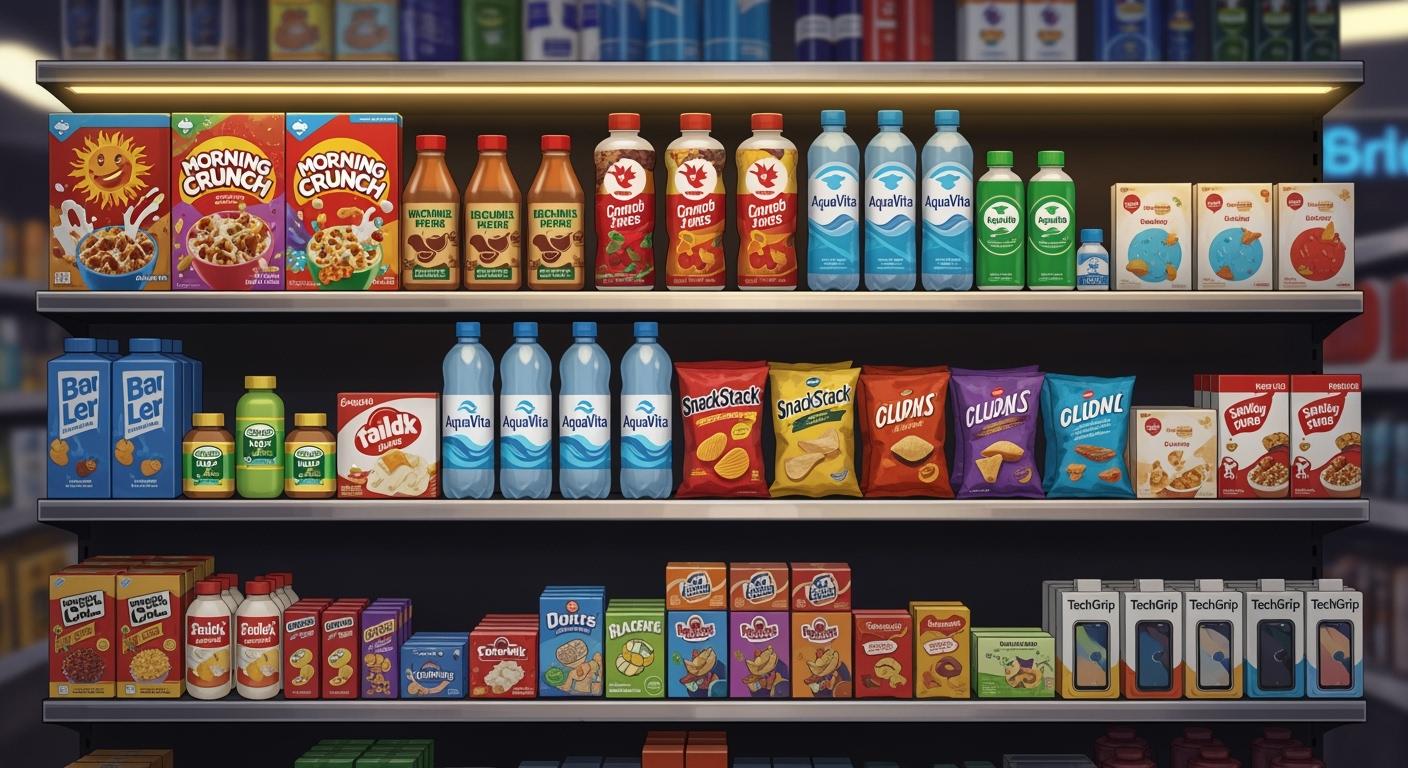
Planograms show you how to put products on shelves. When you use a planogram, your items look better and get noticed. You can sell more, up to 25 percent, with good merchandising. Planograms help you set up shelves so people see products and stores make more money. Research says 76% of shoppers choose what to buy after they see products in the store.
Planograms Meaning and Purpose
What Is a Planogram
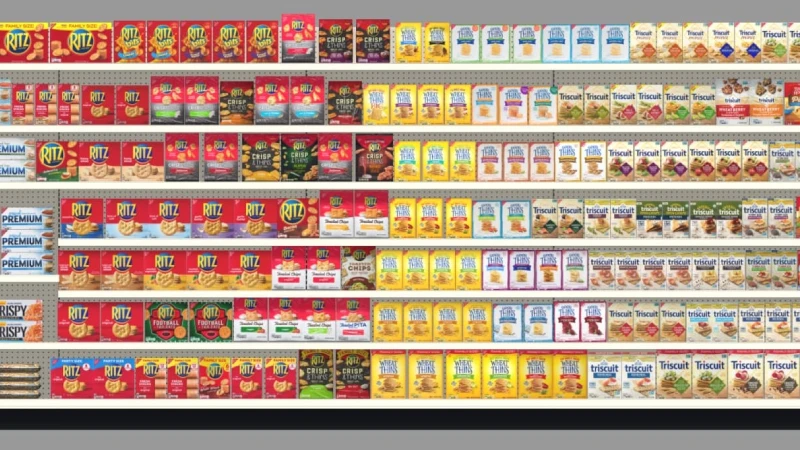
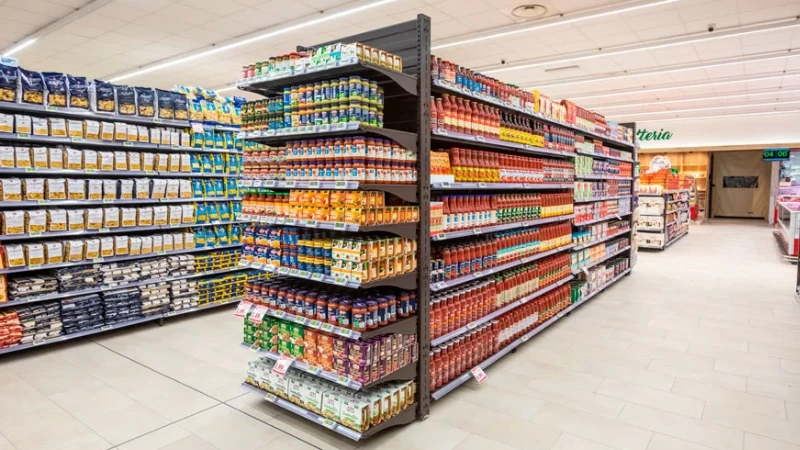
A planogram is a picture that shows where to put products on shelves. It works like a map for setting up items in a store. The planogram tells you which shelf each product goes on. It also shows how many of each item to put out. You can see the order for the products too. This makes the shelf look neat and nice. It helps people notice the products.
A planogram is a drawing that helps stores show products to sell more.
It is a diagram that shows where to put things on shelves.
Planograms are pictures that show the exact spot for each product.
A planogram shows how to set up products to sell more and save space.
When you know what planograms mean, you see why they help your brand. They let you use all the shelf space and make your products stand out.
How Planograms Work
Planograms give you easy steps to set up shelves. You follow the planogram to put each product in the right place. This helps you:
Sell more by putting popular items where people look first.
Make shelves neat so shoppers find things fast.
Use shelf space well and keep it tidy.
Make all your stores look the same, so your brand is strong.
Planogram compliance means you set up shelves just like the planogram shows. This makes every store look the same and gives shoppers a familiar feeling.
When you ask how planograms work, you learn they do more than organize. They help you look at sales and how people shop. You can put items where they sell best. You can also put similar products together. This helps shoppers find things and buy more.
Here are some main reasons to use planograms:
Use shelf space better by knowing what sells.
Sell more by making products easy to see and buy.
Make shopping easier by keeping stores simple to walk through.
Track how much stock you have.
Make all stores look the same for a strong brand.
When you use planograms, shoppers find things faster. Your shelves look good. You can sell more by putting each product in the best spot.
Types of Planograms
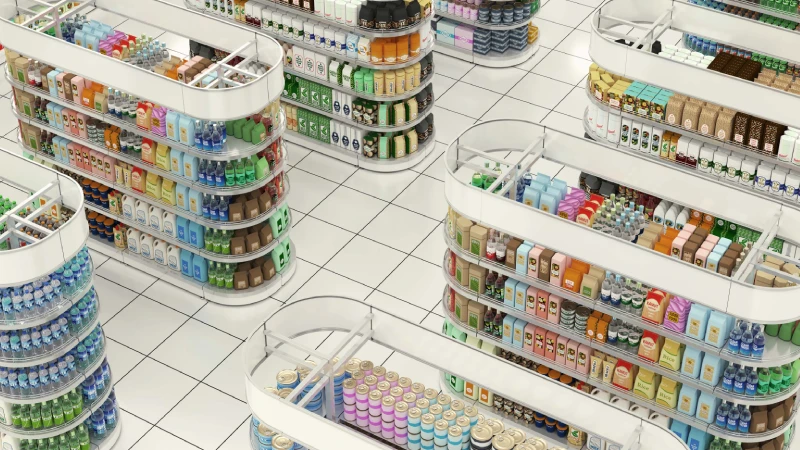
There are different kinds of planograms in stores. Each kind helps you set up products in its own way. If you know about these types, you can pick the best one for your store and brand.
Schematic and Image Planograms
Schematic planograms use simple shapes and lines. You see boxes that show where each product should go. These planograms help you plan shelf space fast. They focus on how items are spaced and arranged.
Image planograms use real pictures or computer images. You see exactly how the shelf should look. This type helps every store match the same display. Your team gets a clear guide to set up shelves.
Floor Plan and Display Planograms
Floor plan planograms show the whole store’s layout. You use them to decide where shelves and aisles go. This type helps shoppers move easily and find things.
Display planograms focus on special displays in busy areas. You use them to make setups that catch people’s eyes and help sell more.
Floor plan planograms help you plan the store’s layout and how people walk around. Display planograms help you design special product displays in important spots.
Type of Planogram | Purpose | Focus Area |
|---|---|---|
Floor Plan Planogram | Make the store layout better so customers move easily and buy more. | Whole store layout and how people walk |
Display Planogram | Make displays look good in places where lots of people go. | Special product displays in busy spots |
Analysis and 3D Planograms
Analysis planograms use data to help you decide what works best. You can see which products sell most and where to put them. These planograms let you change layouts using sales and shopper info.
3D planograms show shelves and displays in a lifelike way. You see products from all sides. This helps you see how everything fits together.
Analysis and 3D planograms give you more ways to interact and use real-time data.
You can test how shoppers act and change things using what you learn.
3D planograms let you try new layouts before you change the store.
Benefit | Description |
|---|---|
Better Space Understanding | 3D models show how things fit together in the store. |
Smarter Product Placement | Real views help you pick the best spots for products. |
Good Use of Space | Try different layouts on the computer to use space well. |
Fast Testing and New Ideas | Test new setups quickly without moving real products. |
Teamwork Made Easy | Share models with your team to plan better. |
Smart Choices with Data | Use data and 3D models to choose the right mix of products. |
When you know about planogram types, you can pick the best one for your brand. This helps you make better displays, sell more, and make shopping easier for everyone.
Planogram Merchandising Benefits
Sales and Shelf Efficiency
You want your shelves to do a good job. Planogram merchandising helps you use all your shelf space. When you follow a planogram, you put each product in the right place. This lets you show your best sellers and move slow items away. Planogram analytics show you which products sell well and which do not. You can move products to better spots to sell more and not waste space.
Planogram merchandising checks if your shelf setup works well.
You find items that do not sell and give more space to top products.
Compliance checks help you find empty spots and fix them quickly.
When you use planograms, you make better choices. You keep shelves full and neat, so you do not lose sales from empty shelves.
Evidence Type | Description |
|---|---|
Planogram Accuracy | Good planograms help you manage products and stop running out. |
Demand Forecasting | Knowing what people want helps you keep shelves full and sell more. |
Customer Satisfaction Impact | Empty shelves make shoppers unhappy and hurt sales in the long run. |
Brand Consistency
You want your brand to look the same in every store. Planograms make this happen. They show you where each product should go. This keeps displays looking the same, no matter the store. Shoppers trust your brand more when they see the same setup every time.
Planograms help store owners follow your rules.
Matching displays help your ads and make your brand stronger.
Putting products in the same place makes shopping easy and builds trust.
Planograms link your brand story to your displays, so shoppers understand your message.
Shopper Experience
You want shoppers to find things quickly. Planograms help you put popular items where people can reach them. Neat shelves help shoppers move around without getting lost. Good product placement makes displays look nice and makes people want to shop.
Shoppers see nice displays and want to buy more.
Putting products at eye level or in busy spots makes people buy on impulse.
Grouping things, like snacks with drinks, helps shoppers buy more.
Special displays for holidays get attention and help sales.
Planograms also help you keep shelves from being empty. You keep products in stock, so shoppers leave happy. When you use planograms, you make shopping easy and bring customers back.
Why Planograms Matter for Brands
Brand Visibility
You want people to notice your products first. Planograms help you put items where shoppers look most. You can place your best products at eye level. This spot gets the most attention and helps you sell more. You can also use themed displays near the checkout. These displays catch shoppers who buy things at the last minute.
Here is how planograms help your brand get seen and sell more:
Evidence Type | Impact on Sales |
|---|---|
Sales Boost from Planograms | 20 to 30 percent |
Eye-Level Product Placement | Significant sales increase |
Themed Displays Near Checkout | Drives impulse purchases |
Smart product placement makes a big difference. When you use a planogram, your brand stands out on busy shelves. Shoppers see your products and remember your brand. This helps you sell more and build a strong brand image.
Tip: Put your top products at eye level and in busy spots to get noticed.
Retail Compliance
You want every store to follow your display rules. Planogram compliance means your products look the same everywhere. This helps shoppers trust your brand because they know what to expect. It also makes your products easy to find.
Planogram compliance helps you:
Make your brand stronger and build trust with shoppers.
Make products easy to see and shopping simple.
Keep shelves full and stop products from running out.
Use shelf space well and keep things neat.
When you keep planogram compliance high, you make sure stores show your products the right way. If something is wrong, you can fix it fast. Most stores lose planogram compliance by 10% each week. Bad displays can cost stores a lot of money every year. You want to stop these problems and keep your brand strong.
Note: Good planogram compliance means fewer empty shelves and happier shoppers.
Competitive Advantage
You want your brand to stand out in a busy store. Planograms help you beat other brands. You can pick the best spots for your products and reach more shoppers. When you use a planogram, you can test what works best for your shoppers.
Here are ways planograms give you an advantage:
Example | Description |
|---|---|
Product Placement | Planograms help you pick the best spots for your products and boost sales. |
Customer Understanding | You can adjust displays for different shoppers, like families or luxury buyers. |
Shoppers with more money like special displays with fancy products.
Families want easy-to-find items and good prices.
Planograms also help you keep products in stock and waste less. You can use technology to check inventory and keep shelves full. This saves money and stops products from going missing. If you do not use a planogram, you might lose sales, upset shoppers, and hurt your brand.
Cost Implication | Description |
|---|---|
Lost Sales Opportunities | Not using planograms can mean missing out on sales. |
Disrupted Shopper Flow | Bad placement can make shopping hard and upset shoppers. |
Diminished Brand Trust | Messy displays can make shoppers trust your brand less. |
Planograms help you win in the store. You get better shelf spots, keep shoppers happy, and protect your brand’s name.
Remember: A good planogram strategy helps you sell more and stay ahead of other brands.
Planogram Implementation
Software Solutions
You need good tools to set up your store shelves. Planogram software helps you make, share, and change shelf plans fast. Many stores use this software to make work easier and more exact. Some programs let you move items with drag-and-drop, edit plans right away, and use smart data. These tools show you how shelves will look before you set them up. You can test different shelf layouts, check space, and see if products fit.
Planogram software usually has:
Pictures to help you set up shelves
Tools to measure shelf and product sizes
Ways to track sales and how products move
Choices to share plans with your team
Tip: Use planogram software to keep displays fresh and change them quickly when needed.
Compliance and Execution
You want every store to follow your planogram the right way. To do this, you need clear steps and teamwork. Train your staff so they know how to use the plan. Give them easy pictures to follow. Check stores often to see if they match the plan. Use tech tools to watch how well stores follow the planogram.
Good ways to keep compliance:
Train your team often
Use simple pictures as guides
Check displays with audits
Use remote tools to track progress
You might have problems like different shopper needs, small shelf space, or new products. Measure shelves and products carefully. Change your planogram when you add new items. Keep your data correct so you do not make mistakes.
Note: Good compliance means your brand looks the same everywhere, and shoppers always know where to find your products.
Planograms help your brand do well in stores. They can help you sell more and keep your displays looking the same. You can also beat other brands with a good planogram plan. When you check if stores follow your plan, you see what works and what needs fixing. Many brands work better together, sell more, and make shoppers happy by using planograms. Start looking at your planogram plan now to help your brand get noticed.