
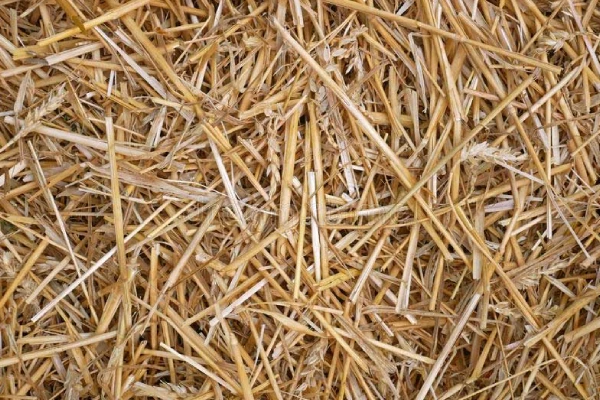
You see wheat straw material as a clever zero-waste option. It is made from leftover stalks after wheat is harvested. This eco-friendly choice helps fix environmental problems. It does this by using less plastic and causing less harm to nature. Businesses and people now like solutions such as wheat straw. The need for sustainable packaging has gone up a lot. The global market has grown quickly in the past few years.
What Is Wheat Straw Material
Wheat straw material is made from stalks left after wheat is picked. These stalks are a natural resource that would be thrown away. Instead of burning or tossing them, companies turn them into useful things. Wheat straw material is special because it can grow back, break down in nature, and is safe for the earth.
How Wheat Straw Material Is Made
You might wonder how wheat straw material changes from a stalk to something you use. There are a few main steps:
Farmers pick wheat and gather the leftover straw.
Workers keep the straw dry so it stays clean.
The straw gets cleaned to take out dirt and bad parts.
Factories use pulping to pull the fibers apart. They can use chemicals like sodium hydroxide or just machines.
The pulp is bleached to get rid of anything left.
The clean pulp is used to make paper, packaging, or shaped into new things.
Tip: Wheat straw fiber takes less energy to process than wood, so it is better for the planet.
Wheat straw material uses things we already have. This helps cut down on waste and keeps pollution lower.
Wheat Straw Fiber Properties
Wheat straw fiber gives wheat straw material its special features. If you look at the fiber, you will see it has cellulose, hemicellulose, lignin, and a little ash. These parts make the fiber strong and bendy.
Here is a quick look at what is in wheat straw fiber:
Component | Percentage (%) |
|---|---|
Cellulose | 40.69 |
Hemicellulose | 28.16 |
Lignin | 23.04 |
Ash | 3.53 |
Wheat straw fiber has a lot of cellulose and lignin. This makes it almost as strong as other plant fibers, like rape straw. The fiber is also lighter, but it still keeps its shape.
You might see that wheat straw fiber is not the same as wheat straw plastic. Wheat straw fiber comes right from the plant and keeps its natural form. Wheat straw plastic mixes wheat straw fiber with things like polylactic acid (PLA). This mix makes a product that looks and feels like plastic but breaks down faster in nature.
Here is a table to show the difference:
Component | Wheat Straw Fiber Composition | Wheat Straw Plastic Composition |
|---|---|---|
Cellulose | 30-45% | 50-70% (as part of PLA) |
Hemicellulose | 20-30% | N/A |
Lignin | 15-25% | N/A |
Silica and Minerals | 5-10% | N/A |
Polylactic Acid (PLA) | N/A | 50-70% |
Additives and Plasticizers | N/A | Various (e.g., glycerol, fillers) |
Wheat straw fiber makes products strong and bendy. Wheat straw plastic makes things last longer and lets them break down in compost. You can use wheat straw material for many things, like paper and green packaging. This makes it a smart pick for people who want to help the earth.
Why Wheat Straw Material Is Popular
Environmental Benefits and Compostable Nature
You want packaging that is good for the earth. Wheat straw material is a green choice. It uses wheat straw fibre from leftover stalks after harvest. Using these stalks helps cut down on waste. It also supports farming that is better for nature.
Wheat straw material can break down in the environment. It goes away when it gets wet, warm, and has tiny living things around. You do not need to worry about it staying in landfills for a long time. Compostable items made from wheat straw follow tough rules like ASTM 6400 and ASTM 6868. These rules make sure the products will break down in special compost places.
Note: Compostable wheat straw products can turn into rich compost in about 180 days, but it depends on the place.
Here is a table that shows how long wheat straw products take to break down:
Source | Decomposition Time |
|---|---|
Swheat Bottle | 6-9 months to 2 years |
Tangieco | 6-9 months to 2 years |
The Ocean Straw | As little as 180 days |
When you pick wheat straw material, you help lower your carbon footprint. Wheat straw material makes less pollution than regular plastic. Bioplastics made from wheat straw fibre also help cut down on gas from trash. You help the planet and fight climate change.
Wheat straw fibre works well in compost piles. Studies show that using small pieces and adding fungi can make compost better. You get better compost with wheat straw fibre, and it can even help carry plant food.
You want packaging that is green, breaks down, and is safe for nature. Wheat straw material does all these things. It helps farmers, cuts waste, and is good for the earth.
Here are some rules and labels for wheat straw material:
Certification/Standard | Description |
|---|---|
FDA | U.S. Food and Drug Administration safety |
LFGB | German Food Safety Standard |
EN 13432 | EU Compostability Standard |
ASTM D6400 | U.S. Compostability Standard |
You can trust wheat straw material to be green and break down. It follows world rules for safety and composting.
Safety and Food Contact
You want packaging that is safe for food. Wheat straw material lets you feel calm. The FDA says wheat straw plastic is safe for food. You can use it for snacks, drinks, and other foods.
Wheat straw products are not toxic. They do not have BPA or phthalates. You do not need to worry about bad chemicals getting in your food. Good products follow safety rules from groups like the FDA and LFGB. You get packaging that is safe, not toxic, and you can trust it.
You might wonder if wheat straw products are bad for your health. Studies say wheat straw products are safe and not toxic if used right. You can use them for food and drinks without worry.
Here is a list of safety features you get with wheat straw material:
Not toxic and BPA-free
No phthalates
Safe for food
Follows FDA and LFGB rules
Breaks down and can be composted
You want packaging that is green, safe, and good for the earth. Wheat straw fibre gives you all these good things. You help your health and the planet when you pick wheat straw products that break down and can be composted.
You make a smart choice when you pick wheat straw material. It is green, safe, breaks down, can be composted, and is not toxic. You get packaging that is safe for food and follows strict safety rules.
Wheat Straw Products in Everyday Life
Common Wheat Straw Products
You can find wheat straw products almost everywhere now. These things help you make better choices for the earth at home and work. There are plates, bowls, and cups made from wheat straw. People use these for parties and events because they break down in nature. You can also get forks, spoons, and knives made from wheat straw. These items do not hurt the planet when you throw them away.
Here are some wheat straw products you might use:
Plates, bowls, and cups for eating
Cutlery that breaks down in nature
Packaging that is good for the earth
Tableware for everyday meals
Building materials for houses
More people want to use things that are good for the earth. Each year, more people buy wheat straw products. When you pick these items, you help stop plastic pollution. You also help people live in a way that is better for the planet.
Practical Uses for Businesses and Consumers
Businesses use wheat straw products to show they care about the earth. BN PACK sells bags and packaging made from wheat straw that break down. You see these things in food, coffee, stores, and pet food. Companies pick dinnerware and packaging that break down and are safe to use.
Here is a table that shows how different businesses use wheat straw products:
Industry | Main Reasons for Adoption |
|---|---|
Packaging | Good for the earth, breaks down, follows rules |
Printing | Green choice, works like normal paper, helps branding |
Personal Care | Soft, breaks down, good for sensitive skin |
Construction | Keeps heat in, saves energy, good for building |
You get many good things from wheat straw products. You spend less money on trash and help new recycling jobs grow. You also use less plastic made from oil. Businesses look better to customers and meet the need for green products.
BN PACK lets you pick the size, shape, and look of your dinnerware and packaging. You get strong and safe items that match what you want. These products help you and the earth.
Tip: Using wheat straw products means less trash in landfills and helps the earth reuse things.
You make a smart choice for your business and home when you use dinnerware and packaging made from wheat straw.
Advantages of Wheat Straw Plastic and Biodegradable Bags
Durability and Performance
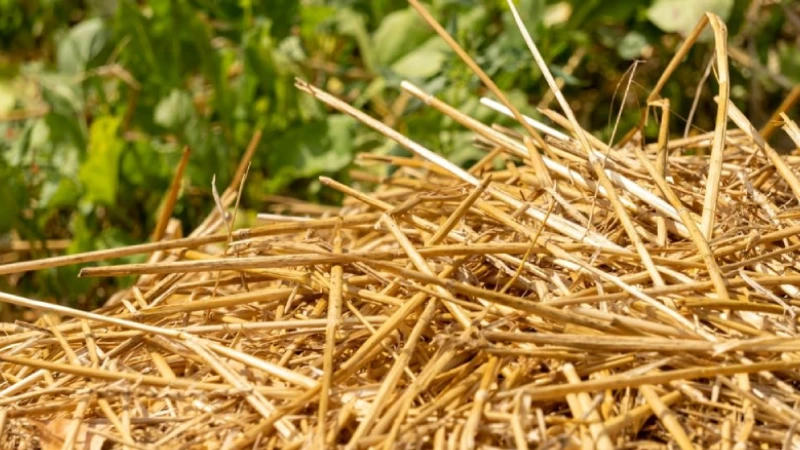
You want packaging that is strong and keeps things safe. Wheat straw plastic is light but also tough. It does not break easily, so you can use it for many things. BN PACK Biodegradable Bags are also light, so you can carry and store them without trouble. These bags are made from things that can grow back, and they last through daily use.
Scientists test wheat straw plastic to see how it works compared to normal plastic. They look at its structure, how much water it takes in, and how it handles heat. The table below shows what the tests check:
Test Type | Description |
|---|---|
Structural Characterization | Looked at how wheat straw is built and compared it to regular plastic. |
Water Absorption Behavior | Checked how much water wheat straw takes in compared to other bioplastics and bamboo straws. |
Morphological Properties Analysis | Used special microscopes to see what the surface looks like. |
Thermal Degradation Analysis | Tested how well the material holds up when it gets hot. |
Wheat straw plastic is light and does not soak up much water. It keeps its shape and does not break when it gets hot. BN PACK uses new ways to make sure every bag is good quality. You can trust these plant-based plastics to keep your food, coffee, or store items safe.
Compostable and Sustainable Packaging
You want packaging that is good for the planet. Wheat straw plastic and BN PACK Biodegradable Bags break down all the way. You can put them in special compost places, and they turn into soil fast. They do not leave behind anything bad for nature. These bags are a smart choice if you want to help the earth.
BN PACK makes sure every bag follows strict rules for composting and safety. You will see these labels:
EN 13432
ASTM D6400
ISO certifications
Food-grade compliance
Recyclability certifications
You can use these bags for food, coffee, or pet food. They are light and easy to use. You get a bag that breaks down and fits what you need. BN PACK makes these bags from things that can grow back. This helps cut down on plastic trash and helps the earth reuse things.
When you pick wheat straw plastic and BN PACK Biodegradable Bags, you make a smart choice. You get light, plant-based plastics that break down all the way. You help the planet and show people you care about being green.
Tip: If you compost wheat straw plastic and biodegradable bags in special centers, they turn into good soil.
Comparing Wheat Straw Material with Other Eco Options
Wheat Straw vs. Traditional Plastics
You may wonder how wheat straw compares to plastic. Wheat straw comes from plants. Plastic is made from oil. This makes a big difference for the earth.
Wheat straw breaks down in nature. Plastic stays for a long time.
Wheat straw comes from crops that grow every year. Plastic uses oil that takes millions of years to form.
Making plastic causes pollution and greenhouse gases. Using wheat straw helps lower pollution.
Wheat straw uses farm leftovers, so it cuts down on waste. Plastic adds more trash to landfills and oceans.
Wheat straw gives nutrients back to the soil when it breaks down. Plastic can leave behind tiny pieces that are bad for nature.
If you pick wheat straw, you help keep land and water clean. You also help turn farm waste into something useful.
Wheat Straw vs. Other Compostable Materials
You have other green choices too. Wheat straw, PLA, and bagasse all break down in compost. Each one has good points.
Feature | Wheat Straw | PLA | Bagasse |
|---|---|---|---|
Source | Wheat stalks | Corn or sugarcane | Sugarcane fiber |
Cost | Lower | Higher | Higher |
Biodegradability | High | High | High |
Production Impact | Low | Moderate | Moderate |
Strength | Good | Good | Good |
Wheat straw usually costs less than PLA or bagasse.
PLA and bagasse need more energy to make, so they cost more.
All three break down in compost, but wheat straw uses farm waste that would be burned or thrown away.
BN PACK gives you wheat straw and other green packaging. You get strong, safe, and earth-friendly products. These help your business and the planet. When you choose BN PACK, you pick a partner who cares about quality and nature.
Common Concerns About Wheat Straw Products
Safety and Allergens
You might ask if wheat straw products are safe for all people. Most wheat straw items use safe materials. They go through cleaning and processing to take out dirt and other things. Some people worry about wheat allergies or gluten problems. Wheat straw comes from the stalk, not the grain. The stalk does not have gluten. So, compostable products made from wheat straw are safe for people who cannot eat gluten.
Here are some facts about allergens in wheat straw products:
Wheat straw products can have small amounts of wheat protein. This might be a problem for people with wheat allergies.
Cleaning and pulping try to remove most proteins. But sometimes, not all protein is gone.
The FDA does not make companies put allergen labels on wheat straw products. If you have allergies, ask the company before using them.
Straws and packaging made from wheat stalks do not have gluten. People with celiac disease can use them safely.
BN PACK follows strong safety rules. Their products meet FDA and world food safety standards. You can trust BN PACK packaging for safe, compostable food and drink products.
Composting and End-of-Life
You may want to know what happens after you use wheat straw products. Compostable wheat straw products break down in nature. You can put them in your home compost or send them to a big compost center. The natural fibers do not give off bad stuff, so they help the earth.
Here is a table that shows how you can compost wheat straw products:
Composting Method | Suitable For Wheat Straw Products | Time to Decompose |
|---|---|---|
Home Composting | Yes | Several months |
Industrial Composting | Yes | 3-6 months |
You help keep trash out of landfills when you pick compostable products. BN PACK biodegradable bags and packaging meet composting rules like EN 13432 and ASTM D6400. These labels show the products break down safely and help the planet stay clean.
Tip: Always check your local composting rules to make sure you throw away compostable products the right way.
You make a good choice for your health and the earth when you use safe and compostable products from trusted brands like BN PACK.
You can see that wheat straw material and BN PACK Biodegradable Bags are smart choices for a cleaner world. These green materials use things from nature and help cut down on trash. Research shows they break down fast and help make a system where things get reused:
Key Benefit | Description |
|---|---|
Decomposition | Becomes soil in about 180 days |
Versatile Use | Used for food, packaging, and other things |
Economic Advantage | Cuts waste costs and gives people new jobs |
When you pick green materials, you help the planet. In the future, people will find even more ways to use wheat straw for packaging and everyday things.