
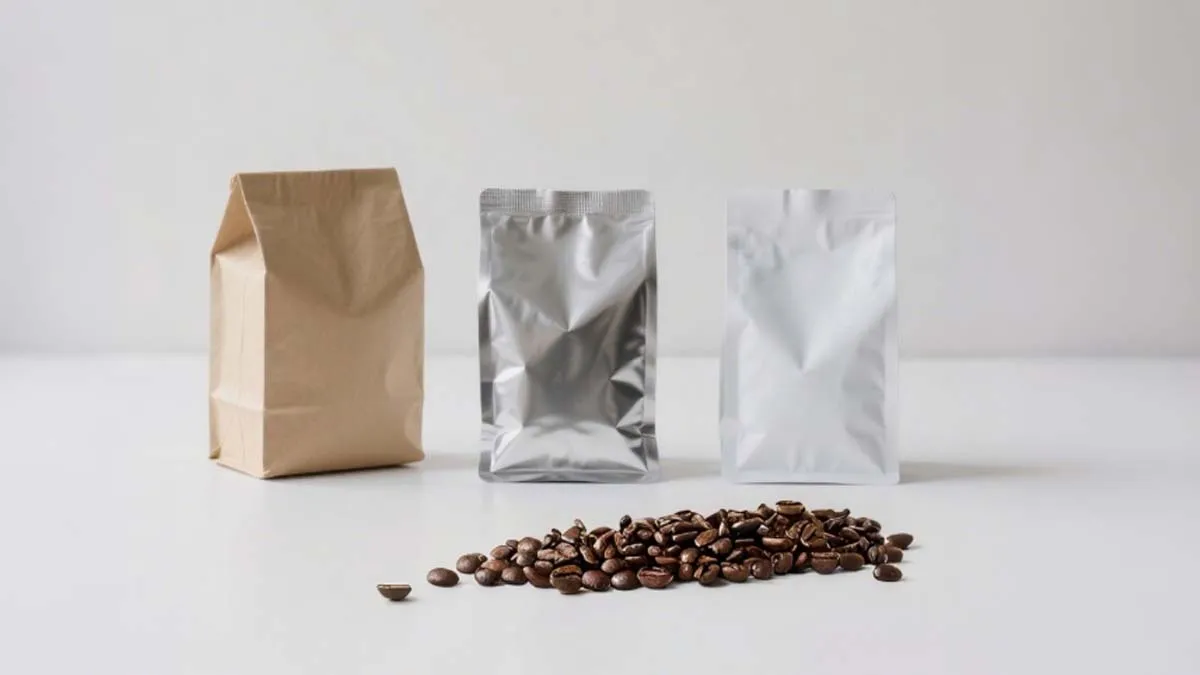
The main function of a coffee bag is to protect coffee beans from external environmental factors. Different types of packaging materials are directly related to the freshness, aroma, and taste of coffee. When considering what material is used for coffee bags, it’s important to note that the choice of material plays a crucial role in preserving the quality of the coffee, as well as impacting the brand image and environmental footprint. Understanding the characteristics, advantages, disadvantages, and appropriate use cases for various coffee bag materials will help both manufacturers and consumers make more informed and rational choices.
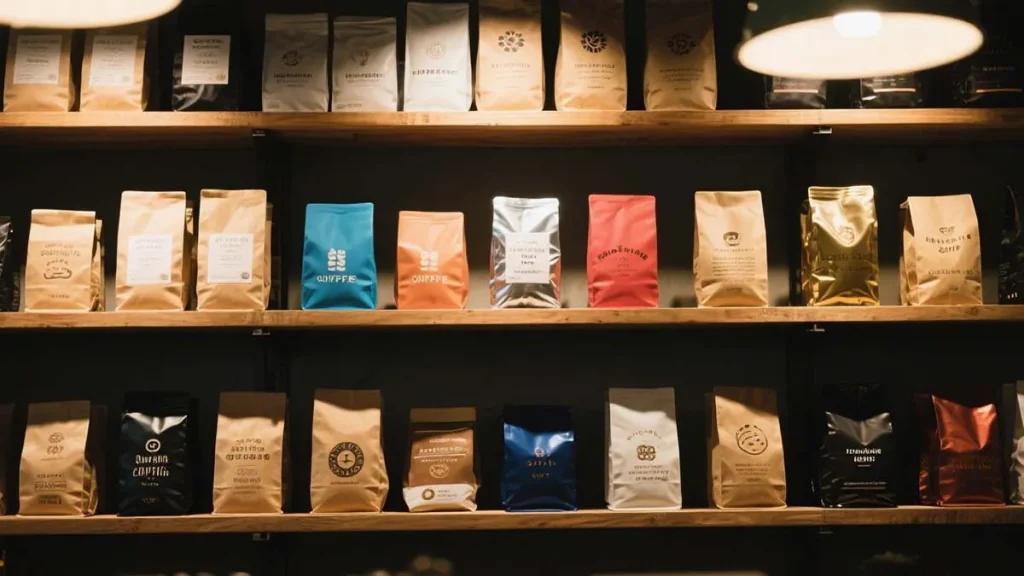
Common Coffee Bag Materials
There are many materials used for coffee packaging on the market, the most common of which include paper bags, plastic bags, aluminum foil bags and reusable bags. Each material has its own unique function and applicable environment, and choosing the right material is crucial to the freshness of coffee.
Paper Bags: Classic but Imperfect
Paper bags are typically made from unbleached kraft paper or coated paper, presenting a natural and eco-friendly choice. Many specialty coffee brands prefer to use paper bags to convey their artisanal and natural image. However, paper bags have relatively poor breathability and moisture resistance, making them less than ideal for long-term coffee storage.
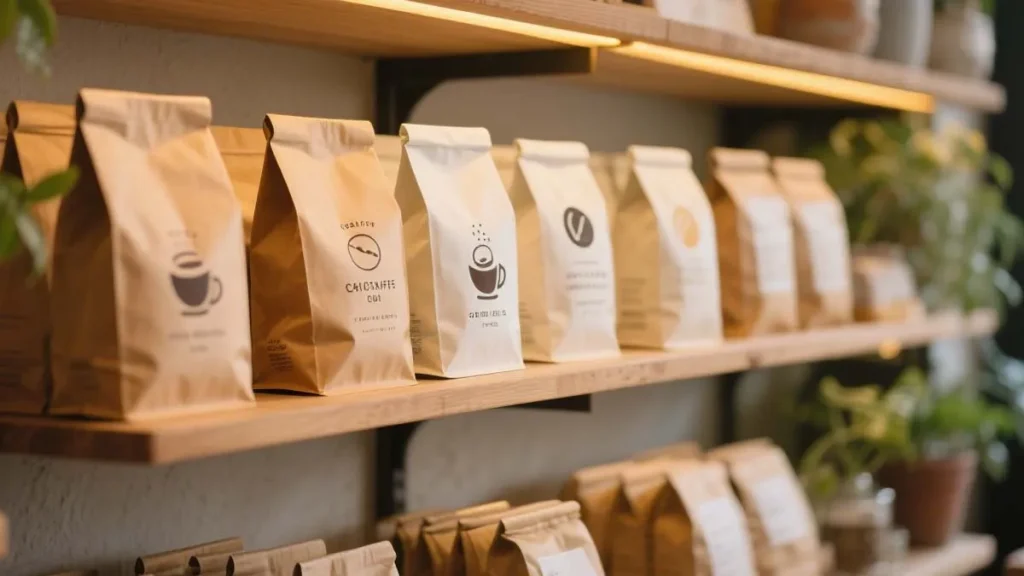
Advantages of Paper Bags:
- Eco-Friendly: Paper is biodegradable and recyclable, making it a great choice for environmentally-conscious consumers and businesses.
- Brand Appeal: The natural aesthetic of paper bags aligns with artisan coffee brands, evoking a sense of craft and authenticity.
- Breathability: The slight breathability of paper bags allows gases released by freshly roasted coffee beans to escape, preventing the build-up of excess pressure.
Disadvantages of Paper Bags:
- Poor Moisture Protection: Paper bags do not offer an effective barrier against moisture, which can cause coffee beans to lose their flavor quickly.
- Limited Shelf Life: Due to the lack of airtightness, paper bags are not ideal for long-term storage. Coffee beans may lose their freshness faster in paper bags compared to more sealed options.
As a traditional packaging material, paper bags are environmentally friendly and have good brand value. However, their shortcomings in freshness preservation limit their applicability, especially for coffee beans that need long-term storage.
Plastic Coffee Bags: Durability Meets Freshness
Plastic is one of the most widely used materials for coffee packaging due to its excellent barrier properties. Most plastic coffee bags are made from materials like polyethylene (PE) or polypropylene (PP), which provide a decent level of freshness preservation.
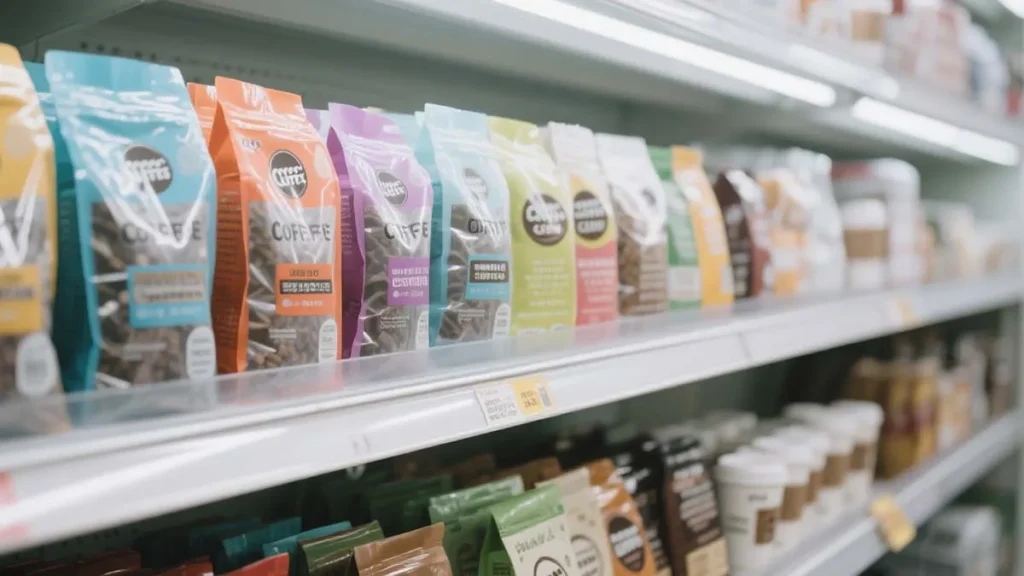
Advantages of Plastic Bags:
- Moisture resistance: Plastic is highly resistant to water, making it an excellent choice for preventing moisture from damaging the beans.
- Light protection: Plastic offers better protection against harmful UV rays that can degrade coffee beans over time.
- Durability: Plastic bags are less prone to tearing, ensuring that your coffee is securely stored.
Disadvantages of Plastic Bags:
- Environmental impact: Plastic bags are not biodegradable and contribute to long-term environmental damage. While some brands use recyclable plastic, it is still a major concern for eco-conscious consumers.
- Limited breathability: Plastic bags are not as breathable as paper bags, which means they can sometimes trap gases inside the bag that can affect the flavor of your coffee.
Although plastic bags have advantages in cost and moisture resistance, their oxygen permeability issues and environmental impact have caused them to be gradually replaced by more efficient packaging materials.
Aluminum Foil Bags: The Gold Standard for Freshness
When it comes to preserving coffee, few materials can beat aluminum foil. These bags are usually made of multiple layers of materials (such as aluminum foil and plastic composite layers), which effectively isolate oxygen, moisture, light and other external factors to ensure the best freshness and flavor of coffee.
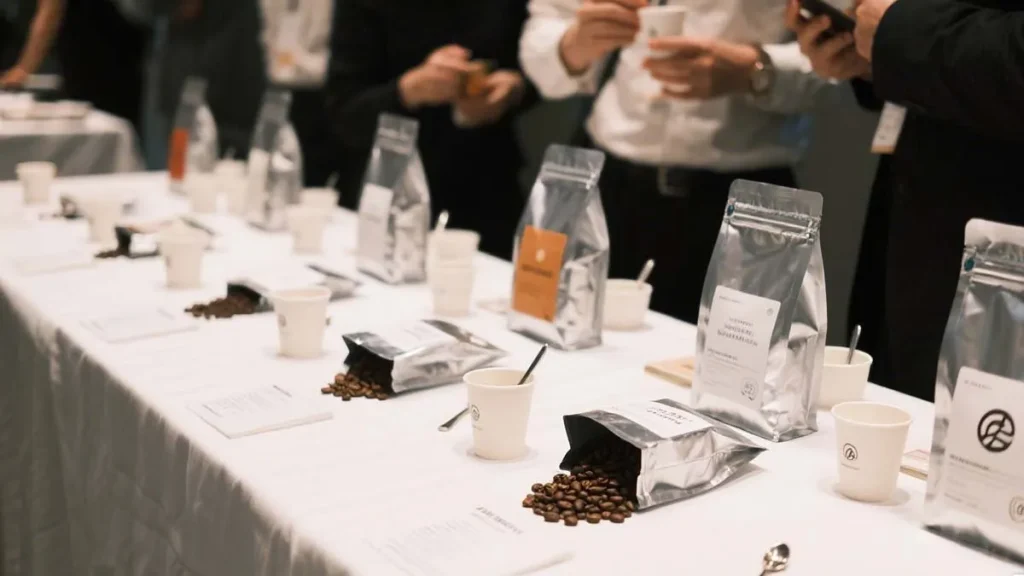
Advantages of Aluminum Foil Bags:
- Superior Barrier Protection: Aluminum foil offers an excellent barrier to oxygen, light, and moisture, all of which can degrade the flavor of coffee.
- Long Shelf Life: Due to their excellent sealing capabilities, aluminum foil bags keep coffee beans fresh for extended periods, making them ideal for long-term storage.
- UV Protection: Aluminum foil blocks harmful ultraviolet (UV) rays, which can break down the oils in coffee and cause flavor degradation.
Disadvantages of Aluminum Foil Bags:
- Cost: Aluminum foil bags tend to be more expensive than other types of bags, which can increase packaging costs for producers.
- Environmental Concerns: While aluminum foil is recyclable, it is energy-intensive to produce, and the recycling process is not always efficient, leading to environmental concerns.
Aluminum foil bags are ideal for high-end coffee and long-term storage of coffee beans due to their excellent preservation properties, but their higher cost and environmental impact need to be considered.
Reusable Coffee Bags: Sustainable Yet Limited in Freshness Protection
As people become more environmentally conscious, reusable coffee bags are becoming the choice of some coffee brands. These bags are usually made of cloth or durable synthetic materials, which are environmentally friendly and can reduce the need for disposable packaging.
Advantages of Reusable Coffee Bags:
- Sustainability: Reusable bags significantly reduce waste, making them an attractive option for environmentally-conscious consumers and businesses.
- Cost-Effective: While the initial investment in reusable bags is higher, they can be used repeatedly, making them more economical in the long term.
- Customizable: Reusable bags can be easily customized with branding, making them an excellent marketing tool.
Disadvantages of Reusable Coffee Bags:
- Limited Freshness Protection: Reusable bags are not as effective at preventing oxygen and moisture from reaching the coffee beans, which can affect the freshness and flavor.
- Cleaning Requirements: These bags need to be cleaned regularly, which may be inconvenient and could impact their longevity if not properly maintained.
While reusable coffee bags meet sustainability requirements, they don’t perform as well as single-use bags at keeping coffee fresh.
Choose the right material for coffee bags
The material you choose for your coffee bag is not only related to the preservation of coffee, but also affects your brand image and environmental responsibility. From traditional paper bags to modern aluminum foil bags to environmentally friendly reusable bags, each material has its own advantages and disadvantages. Consumers and brands can choose the most suitable packaging material based on the storage needs of coffee, brand positioning and environmental considerations.
Whether it is pursuing freshness, saving costs or paying attention to environmental protection, understanding the characteristics and impact of different materials will help you choose the most suitable packaging for your coffee and ensure that every cup of coffee is full of rich aroma.
BN Packaging offers customizable, eco-friendly coffee packaging solutions, including coffee bags made from sustainable materials. With its expertise, fast delivery speeds, and customer-centric service, BN Packaging has become a trusted partner for specialty coffee brands. You can choose from a variety of materials and designs to suit your brand’s values and needs.