

Stand-up pouches have become one of the most versatile packaging options on the market. From food and nutritional supplements to pet supplies and cosmetics, stand-up pouches are now used in a wide range of industries.
A critical packaging decision many businesses face is choosing the right pouch size. The wrong choice can result in unnecessary costs, inefficient shipping, or product loss. Understanding how to choose the right stand-up pouch size is critical for both new and established brands.
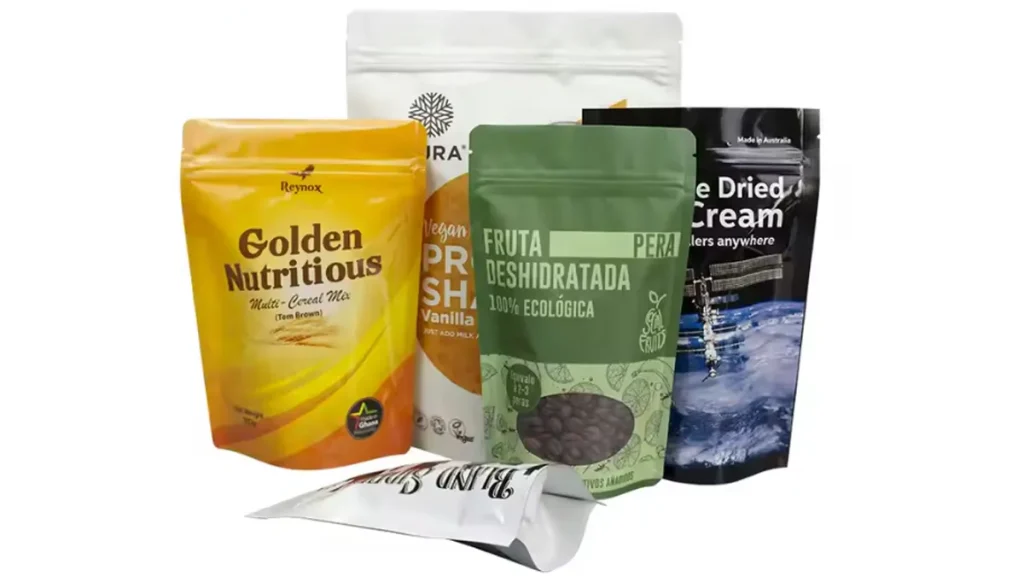
Understanding Stand Up Pouch Dimensions
Stand up pouches are defined using three primary dimensions:
- Width (W) – The measurement from left to right when the pouch is laid flat.
- Height (H) – The full height from the base to the top, including any zipper or tear notch.
- Gusset (G) – The depth or expandable portion at the bottom, which allows the pouch to stand upright.
These dimensions collectively determine how much product the pouch can hold. Depending on the density of your product, two pouches with the same size can hold significantly different weights.
Example: A 6 x 9 x 3 inch pouch is 6 inches wide, 9 inches tall, and has a 3-inch bottom gusset.
What Size Is a 500g Stand Up Pouch
The most commonly requested pouch size is for packaging 500 grams of product. However, there is no one-size-fits-all answer because product density affects the space required.
Here are some estimated sizes for different 500g product types:
| Product | Approximate Pouch Size (WxHxG) |
|---|---|
| Coffee Beans | 6.5 x 10.5 x 3.5 inches |
| Granola | 7 x 11 x 4 inches |
| Whey Protein | 9 x 13 x 5 inches |
| Sugar | 6 x 9 x 3 inches |
| Pet Treats | 7 x 10 x 4 inches |
A pouch that holds 500g of salt may not be large enough for 500g of oats. The only reliable way to determine the right size is to fill sample pouches with your product.
How to Measure a Stand Up Pouch
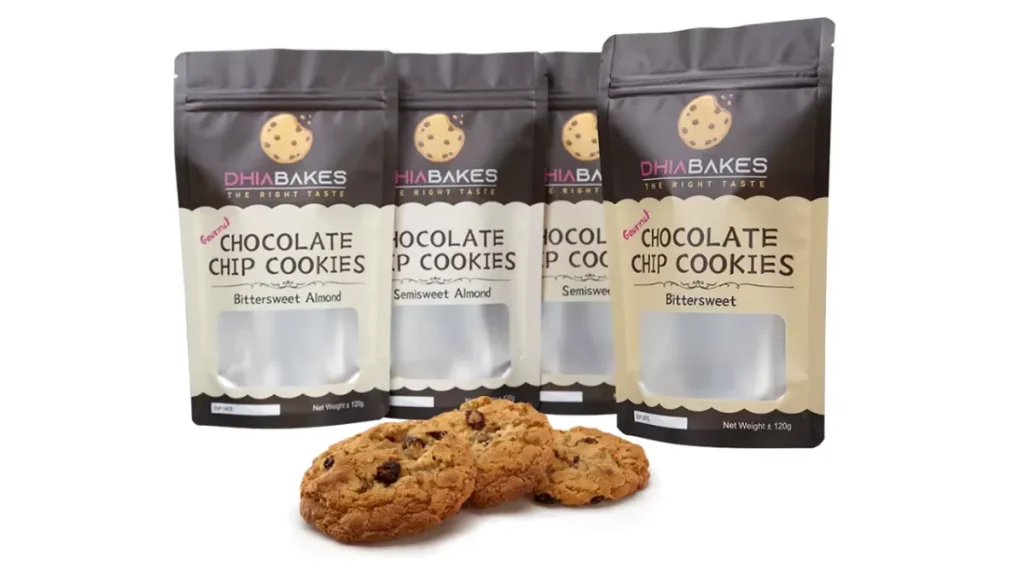
If you have a pouch in hand or want to estimate the size for your product, follow this guide:
Step 1: Measure Width, Height, and Gusset
Use a ruler or caliper to measure:
- Width: Measure side to side when laid flat.
- Height: From the base of the gusset to the top edge.
- Gusset: Open and measure the depth at the bottom fold.
Step 2: Estimate Internal Volume
Use this approximate formula:
Volume = Width x Gusset x Height x 0.8
To convert from cubic inches to milliliters, multiply by 16.387.
Step 3: Add Headspace
Leave at least 10 to 15 percent empty space at the top for sealing, expansion, and product presentation.
Step 4: Perform a Product Fill Test
Place your product into different pouch samples and test for fit, seal, and aesthetics. This ensures accuracy before production.
Common Pouch Sizes by Volume and Weight
Below are typical pouch sizes along with general usage suggestions:
| Pouch Size | Dimensions (WxHxG) | Best For |
|---|---|---|
| 1 oz | 3 x 5 x 1.5 inches | Samples, spices |
| 2 oz | 4 x 6 x 2 inches | Seeds, herbs, dried flowers |
| 4 oz | 5 x 8 x 2.5 inches | Supplements, coffee pods |
| 8 oz | 6 x 9 x 3.5 inches | Coffee, granola, trail mix |
| 16 oz | 7 x 11 x 4 inches | Snacks, pet food, grains |
| 32 oz | 9 x 13 x 5 inches | Protein powders, flour, detergents |
Each pouch size is only a guideline. Final selection should be based on product testing.
Choosing the Right Size Based on Product Type
Different products require different pouch sizes due to shape, texture, and air content.
- Powders such as protein require more headspace due to air and density.
- Liquids need leak-proof materials and tight seals.
- Snacks need extra room to avoid crushing.
- Frozen foods require thicker materials and additional expansion room.
Always use your specific product for test fills to determine the ideal dimensions.
Materials and Their Influence on Size
The material used can affect the pouch’s flexibility, strength, and effective fill capacity.
| Material | Impact |
|---|---|
| Foil Laminate | Strong and protective, adds structure |
| Kraft with PLA | Eco-friendly, breathable, less stretchy |
| Polyethylene (PE) | Flexible and cost-effective |
| Biodegradable Film | Thicker, slightly reduced internal capacity |
Heavier or bulky materials may slightly reduce how much product a pouch can hold, especially if it is rigid or layered.
Stock vs Custom Pouch Sizes
Stock Pouches:
- Fast delivery
- Affordable in small quantities
- Limited design flexibility
Custom Pouches:
- Tailored fit for product volume and branding
- Optimized material and feature selection
- Higher minimum order quantities
Custom sizes are ideal for products that do not fit neatly into standard dimensions or need premium presentation.
Flat Bottom vs Stand Up Pouches
| Feature | Stand Up Pouch | Flat Bottom Pouch |
|---|---|---|
| Shape | Rounded with bottom gusset | Box-like with more support |
| Capacity | Medium | High |
| Shelf Display | Good | Excellent |
| Branding Space | Moderate | Large front and side panels |
Flat bottom pouches are excellent for heavier items or brands seeking a premium appearance.
Labeling and Branding Space Considerations
Pouch size determines available space for:
- Product name
- Nutritional facts
- Certifications and compliance marks
- Brand identity elements
For complex labeling needs, consider slightly larger pouches to ensure readability and design flexibility.
Pouch Size and Retail Display Needs
In retail, space efficiency is critical. Consider:
- Shelf height and width
- Whether the pouch needs a hang hole
- Visibility when standing upright
- Need for transparent windows
Retail success often hinges on first impressions, so choose a pouch size that supports your design goals.
Shipping, Storage, and Cost Factors
Packaging size directly impacts logistical efficiency:
- Oversized pouches increase carton and shipping cost.
- Undersized pouches might not fill the needed weight.
- Standard sizes often stack better on pallets and shelves.
Plan your packaging based on how you will pack, store, and distribute your products.
Regulatory Guidelines on Label and Size
Government and industry standards may require specific display space for:
- Net weight
- Batch number and expiry
- Nutrition and allergen declarations
Ensure the pouch you select has enough room to meet regulations in your market.
Eco-Friendly Size Optimization
Minimizing pouch size helps reduce environmental impact. Key strategies include:
- Choosing the smallest pouch that comfortably holds your product
- Selecting recyclable or compostable films
- Using flat bottom pouches to reduce carton space
Efficient sizing can lead to cost savings and sustainability benefits.
Case Studies by Industry
| Industry | Recommended Pouch Size | Why It Works |
|---|---|---|
| Coffee | 8 to 12 oz | Maintains freshness, strong barriers |
| Pet Treats | 8 to 16 oz | Zipper feature and easy scoop access |
| Spices | 1 to 2 oz | Compact, light-proof, and economical |
| Supplements | 4 to 6 oz | Moisture barrier and space for labeling |
| Granola & Snacks | 8 to 16 oz | Crunch protection and visual branding |
Final Thoughts and About BN Packaging
Selecting the right stand up pouch size takes careful planning. It depends on your product’s shape, density, shelf space, and labeling needs. By following the steps in this guide, you can make a well-informed decision that enhances your packaging strategy.
BN Packaging is a flexible packaging manufacturer offering high-quality, sustainable stand up pouches tailored to businesses worldwide. Our team provides consultation, samples, and manufacturing expertise to help you choose the perfect pouch.
Ready to explore your pouch options? Contact BN Packaging to get started with a consultation.
FAQs about Stand Up Pouch Sizes
Can one pouch size work for all products
No. Product shape and density greatly affect the needed pouch size.
What size pouch holds 500 grams
It varies. Coffee may need a 12 oz pouch, while flour may need a 16 oz or larger pouch.
Is weight or volume more important when choosing a size
Volume is often more critical, especially for light and fluffy products.
Can I test pouch sizes before placing an order
Yes. Most suppliers offer samples for testing with your actual product.
What if I choose the wrong size
You may face waste, poor presentation, or shipping inefficiencies. Always test.
What is the most popular size for food products
8 oz pouches are widely used due to their balance of capacity and shelf appeal.