
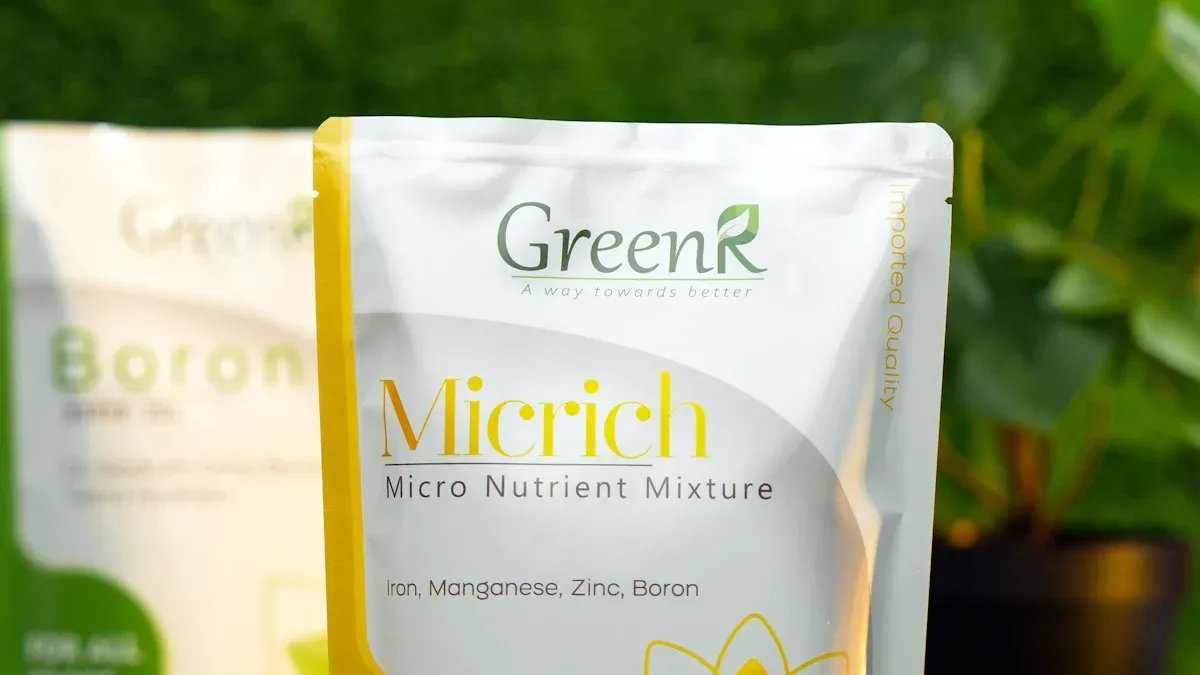
Packaging bags need a degassing valve to prevent gas buildup and keep products fresh. Coffee, for example, releases carbon dioxide after roasting. Without a valve, trapped gas can cause bags to swell or burst, risking product staleness. Studies show that improved valve assembly reduces defects, supporting reliable freshness protection. BN Pack leads in custom flexible packaging, offering eco-friendly materials and dependable degassing valve options for brands seeking quality and sustainability.
Key Takeaways
Degassing valves let gases escape from packaging bags while blocking air, keeping products fresh and preventing bags from swelling or bursting.
These valves extend shelf life by reducing oxidation and spoilage, helping products like coffee maintain aroma and flavor longer.
Degassing valves improve safety by preventing contamination and pressure damage, supporting product quality and consumer trust.
Eco-friendly valve options, such as recyclable and biodegradable materials, help brands meet sustainability goals and reduce environmental impact.
Using degassing valves reduces product waste and returns, making packaging more reliable and supporting better customer satisfaction.
Degassing Valve Basics
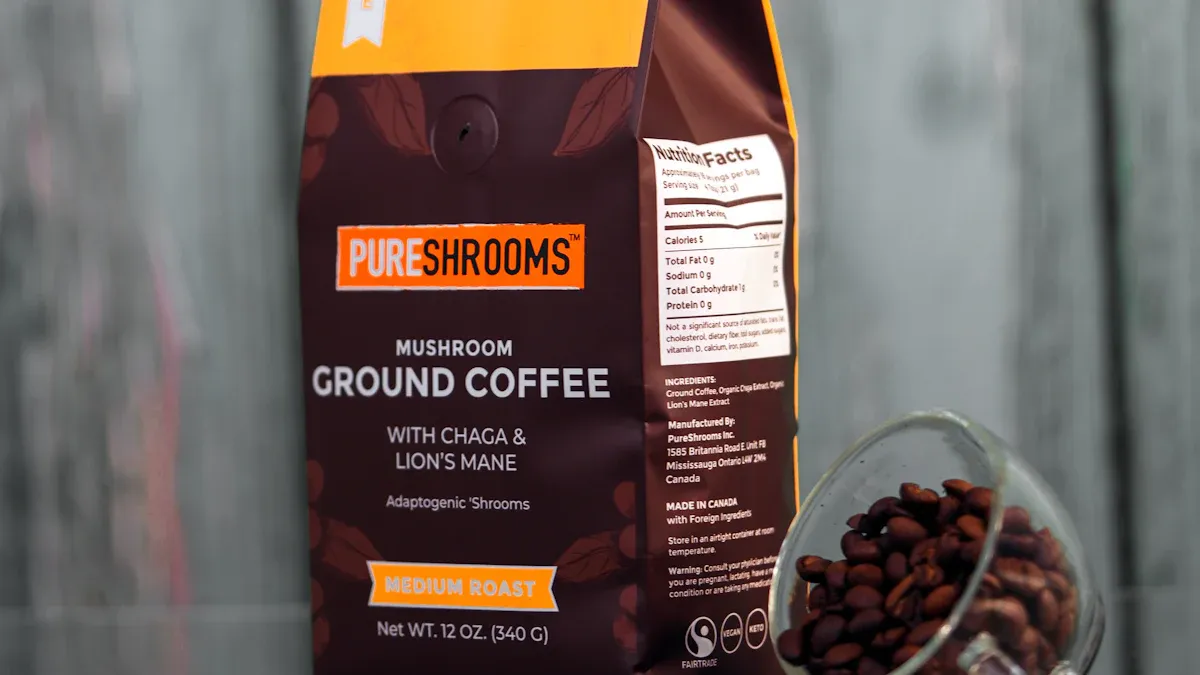
What Is a Degassing Valve
A degassing valve is a small, one-way device built into packaging bags. It lets gases, like carbon dioxide, escape from inside the bag but blocks outside air from getting in. This function is especially important for products such as freshly roasted coffee, which continues to release gas after packaging. If the gas cannot escape, the bag may swell or even burst. The degassing valve keeps the package safe and helps maintain the product’s freshness by stopping oxygen and moisture from entering.
BN Pack specializes in integrating degassing valves into custom flexible packaging. Their expertise ensures that each valve works correctly with different packaging materials, such as polyethylene, polypropylene, and even biodegradable films. This careful integration supports both product safety and sustainability goals.
Many types of packaging can use a degassing valve. Common formats include:
Stand-up pouches
Flat-bottom pouches
Side gusset pouches
Film rolls
Three-side sealed bags
These options allow brands to choose the best fit for their products, whether they package coffee, snacks, pet food, or other items that release gas.
Note: Over 65% of vacuum-packed coffee uses filter-based degassing valves to preserve aroma and reduce oxidation. The global market for degassing valves is growing, with the coffee segment expected to reach $25.1 million by 2035.
How It Works
The degassing valve operates using a simple but effective mechanism. When gas pressure builds up inside the bag, the valve opens and lets the gas out. Once the pressure drops, the valve closes tightly. This one-way action prevents oxygen from entering, which could cause spoilage or staleness.
Technical advances have made these valves more reliable and efficient. For example, laser-perforated valves improve gas flow accuracy, and new materials like bio-based plastics support eco-friendly packaging. Proper valve placement and high-quality sealing also extend shelf life by several weeks. BN Pack uses advanced technology to ensure each valve is placed with 99.97% accuracy, helping brands maintain product quality and reduce waste.
Packaging Type | Valve Compatibility | Shelf Life Extension |
|---|---|---|
Stand-up pouch | High | 4-12 weeks |
Flat-bottom pouch | High | 6-10 weeks |
Side gusset pouch | High | 4-8 weeks |
BN Pack’s flexible packaging solutions with degassing valves help brands deliver fresher products, reduce returns, and build customer trust.
Problems Solved
Preventing Swelling
Packaging bags often face the risk of swelling or bursting when products release gases after sealing. Coffee beans, for example, continue to emit carbon dioxide for days after roasting. Without a degassing valve, this gas accumulates inside the bag, causing it to inflate or even rupture. A real-world case study from EMCO Technologies shows that coffee manufacturers who use degassing valves see a significant drop in packaging failures. The study highlights how these valves prevent deformation and product loss, leading to better shelf presentation and fewer rejections. Other products, such as fermented foods and pet food, also benefit from this technology. By allowing excess gases to escape, the degassing valve maintains the integrity of the packaging and protects the product inside.
Preserving Freshness
Freshness is a top priority for both brands and consumers. The degassing valve plays a crucial role in keeping products like coffee, snacks, and even fresh produce at their best. It lets gases out while blocking oxygen and moisture from entering. This one-way action helps prevent spoilage and oxidation, which can cause staleness and loss of flavor.
Freshness valves enable the escape of excess gases while preventing oxygen from entering, which is vital for perishable products.
The growing demand for high-quality, minimally processed foods drives the adoption of this technology.
Advancements in packaging make it possible to use freshness valves in a wide range of products.
E-commerce and food delivery services rely on packaging that maintains product integrity during shipping.
Reducing food waste and extending shelf life aligns with the benefits of freshness valves.
The use of biodegradable and recyclable materials for valves supports sustainability trends.
Coffee packaging stands out as a key example. The degassing valve helps maintain the aroma and flavor by managing the release of carbon dioxide. This technology also supports the global push to reduce food waste, as better packaging leads to fewer spoiled products.
Enhancing Safety
Safety in packaging goes beyond just keeping products fresh. The degassing valve also protects against contamination and pressure-related damage. It releases excess gases while blocking external contaminants, which is essential for food, beverage, pharmaceutical, and cosmetic products. These valves help maintain package integrity and provide tamper-evident features, which are especially important in the age of e-commerce and strict food safety regulations.
One-way valves prevent outside contaminants from entering, ensuring product safety.
They are critical in environments where pressure buildup could damage packaging or compromise safety.
Technological improvements in valve design support better efficiency and functionality.
Regulatory frameworks in Europe and North America encourage the use of safe, eco-friendly packaging.
Quality assurance tests further validate the performance of degassing valves. Regular system checks show that these valves prevent bubble formation, which can cause inconsistencies and reduce accuracy in both packaging and laboratory instruments. The result is more reliable, high-quality products that meet consumer expectations.
Degassing Valve and Freshness
Product Quality
Aroma and flavor define product quality, especially for coffee and other sensitive foods. The degassing valve plays a key role in protecting these qualities. Laboratory studies using GC–MS and gravimetric techniques show that controlled degassing lets carbon dioxide escape while blocking oxygen. This process keeps aroma compounds stable and prevents flavor loss. Researchers found that coffee packaged with one-way valves maintained a richer aroma and better taste over time. The pressure relief provided by the valve manages CO2 release without harming the product’s aromatic profile.
Controlled degassing preserves aroma and flavor.
Oxygen exclusion prevents staleness and off-flavors.
Stable volatile compounds mean a fresher product.
BN Pack uses advanced quality control and hygiene standards to ensure every package meets strict requirements. Their commitment to international standards supports product safety and integrity.
Shelf Life
Shelf life depends on how well packaging protects against air, moisture, and light. One-way degassing valves allow carbon dioxide to exit while keeping oxygen out. This selective gas exchange reduces oxidation and flavor loss, which helps products stay fresh longer. Active packaging technologies, such as gas absorbers and emitters, work with degassing valves to maintain the right internal environment. Research shows that specialty coffee with oxygen scavengers and degassing valves can keep peak flavor for up to six weeks after roasting. Packages with intact seals and valves maintain low oxygen and high CO2, slowing staling and spoilage.
Consumer Experience
Consumers expect products to taste fresh and look appealing. The degassing valve helps deliver on this promise by keeping products at their best from factory to shelf. Real-time freshness monitoring and smart packaging technologies ensure that every bag meets quality expectations. BN Pack’s packaging complies with international standards, including FDA, EU, and Japanese regulations.
Region | Standard / Regulation | Impact on Freshness Maintenance |
|---|---|---|
European Union | EU 1935/2004, EU 10/2011 | Ensures material safety and sealing integrity |
United States | FDA 21 CFR 177.2600 | Validates safe contact and performance under real use |
Japan | Food Sanitation Act Article 18 | Maintains valve function after sterilization |
Europe | EN 13432 | Supports compostability without compromising valve function |
Note: BN Pack’s commitment to quality and compliance means brands can trust their products to arrive fresh and safe, every time.
Sustainability
Eco-Friendly Valves
Sustainable packaging has become a priority for both brands and consumers. Companies now offer recyclable, compostable, and biodegradable valve options to meet environmental goals. Many manufacturers use materials like kraft paper and rice paper for compostable bags. Some valves feature recyclable plastics, such as polypropylene and polyethylene, which help reduce landfill waste. New designs use smaller and lighter valves, which lower material use and support eco-friendly practices.
Recyclable valves allow consumers to dispose of packaging responsibly.
Compostable materials break down naturally, leaving less impact on the environment.
Biodegradable plastics offer an alternative to traditional materials, supporting a circular economy.
Certifications from sustainability organizations validate environmental claims.
Many brands promote “Go Green” initiatives and complete sustainable packaging solutions.
BN Pack leads the industry by offering flexible packaging with eco-friendly valve options. Their solutions help brands meet strict environmental standards and support ESG (Environmental, Social, and Governance) goals. The company invests in new materials and designs that align with global sustainability trends.
Reducing Waste
Waste reduction remains a key benefit of sustainable packaging. One-way valves help maintain product freshness by releasing excess gases, which prevents packaging damage and extends shelf life. This process reduces the number of spoiled or returned products, supporting waste reduction efforts.
Market research shows a strong trend toward sustainable packaging solutions. The adoption of recyclable and biodegradable materials in valve production continues to grow. Companies like TricorBraun Flex have introduced recyclable bags with one-way valves, making it easier for consumers to recycle packaging. Third-party testing confirms these solutions meet recycling guidelines and support a circular economy.
Industry benchmarks highlight the shift to eco-friendly materials in valve production. Innovations include biodegradable plastics and recyclable variants that enhance sustainability. These advancements reflect the industry’s response to regulatory pressures and consumer demand for responsible packaging.
Note: BN Pack’s commitment to sustainability ensures that brands can offer packaging that protects products, reduces waste, and meets the expectations of eco-conscious consumers.
Packaging bags with advanced valves play a vital role in keeping products fresh, safe, and sustainable. Brands see real benefits, such as up to 18 months of shelf life for coffee and a 35% drop in product returns after switching to BN Pack’s solutions. The table below highlights key industry statistics:
Statistic / Insight | Description |
|---|---|
>65% of vacuum-packaged coffee uses filter-based valves | Preserves aroma and reduces oxidation |
Fastest-growing segment: Fermented food packaging | Driven by health food demand |
Sustainability trends | Eco-friendly materials meet environmental goals |
BN Pack’s custom flexible packaging helps brands protect quality, reduce waste, and stand out on the shelf. Brands seeking to upgrade their packaging can trust BN Pack for reliable, sustainable solutions.
FAQ
What products benefit most from degassing valves?
Coffee, fermented foods, and pet food benefit most. These products release gases after packaging. Degassing valves help maintain freshness and prevent package swelling. Many brands choose this technology for quality and safety.
How does a degassing valve improve shelf life?
A degassing valve lets carbon dioxide escape while blocking oxygen. This process slows down oxidation. Products stay fresher for longer periods. Many coffee brands report longer shelf life with this feature.
Are degassing valves eco-friendly?
Many degassing valves use recyclable or biodegradable materials. BN Pack offers eco-friendly options that support sustainability goals. These valves help brands reduce their environmental impact.
Can degassing valves be used with different packaging types?
Yes. Degassing valves work with stand-up pouches, flat-bottom bags, and side gusset pouches. BN Pack customizes valves for many packaging styles. Brands can choose the best fit for their products.
Why choose BN Pack for packaging with degassing valves?
BN Pack combines advanced technology, strict quality control, and sustainable materials. Brands trust BN Pack for reliable, customizable packaging. The company supports both product freshness and environmental responsibility.