You can balance cost and sustainability in coffee packaging with the right approach. This decision helps your coffee business stay competitive while supporting the environment. Many brands now choose eco-friendly packaging to protect both coffee products and the planet. BN PACK stands out as a leader in cost-effective, sustainable solutions. Your packaging choices shape your brand image and influence customer trust. Think about how each material or design affects your impact.
Why Balance Cost and Sustainability
Business Impact
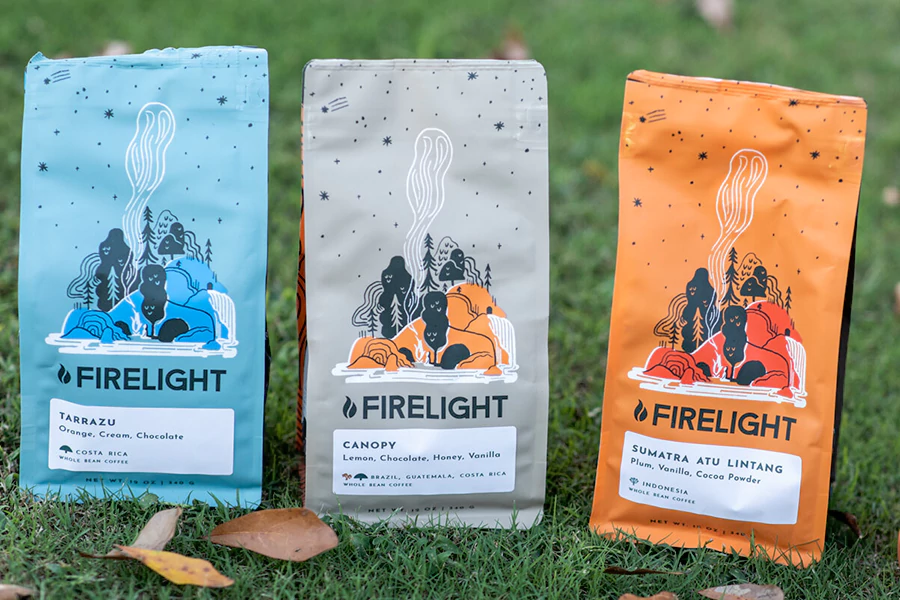
You face many decisions when choosing coffee packaging. Balancing cost and sustainability gives your business a competitive edge. When you use a mix of recycled and traditional materials, you can reduce packaging cost while improving your environmental footprint. Lightweight materials lower shipping expenses and shrink your carbon footprint. Sourcing packaging locally cuts transportation costs and emissions.
Optimizing your packaging design helps you minimize excess materials and waste. Right-sizing your packaging avoids unnecessary material use. Bulk purchasing and working with sustainable suppliers can lower unit costs and bring long-term savings. Refill and return programs encourage customer loyalty and reduce packaging waste. Designing attractive, reusable packaging can boost brand loyalty and increase sales.
Customers notice your choices. Traditional materials like plastic and aluminum may seem cost-effective, but they harm your brand reputation over time because they are hard to recycle. Today’s consumers prefer brands that use sustainable packaging. This preference helps you build an ethical brand image and attract eco-conscious buyers. Educating your customers, offering recycling incentives, and using clear eco-friendly labels all enhance trust and loyalty.
Environmental Benefits
Switching to sustainable packaging for your coffee products delivers real environmental benefits. For example, new plastic-free degassing valve technology removes up to 1 gram of plastic per coffee bag. In the U.S., this change alone prevents over 1,800 metric tons of plastic waste each year. You help maintain coffee freshness while reducing plastic pollution.
Innovations like recyclable, compostable, and bio-based materials lower your environmental impact and help you comply with regulations. Minimalist designs and mono-material bags also reduce waste and simplify recycling. By making these changes, you support a greener future and show your commitment to responsible business practices.
Sustainable Coffee Packaging Options
Compostable and Recyclable Materials
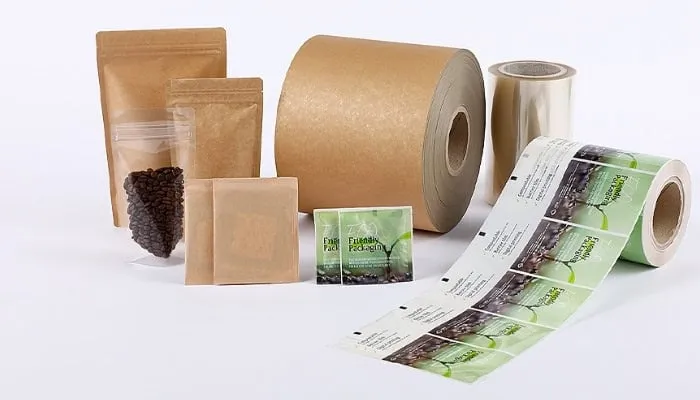
You have many choices when it comes to sustainable coffee packaging. Compostable bags made from kraft paper and PLA are popular. These bags use food-safe, plant-based materials and often include compostable degassing valves and recyclable tin ties. Other options include biopolymers from cornstarch, sugar cane, cellulose, and wood pulp. These compostable materials break down naturally and support your sustainability goals.
The market for compostable and recyclable coffee packaging is growing fast. PLA holds over 70% of the compostable materials market share. Pouches make up more than 33% of compostable packaging revenue. North America and Europe lead this trend because of strong regulations and consumer demand for eco-friendly packaging. Many leading brands now offer recyclable and biodegradable solutions to meet these needs.
Packaging Material | Sustainability Attributes | Key Features for Coffee Packaging |
|---|---|---|
Kraft Paper | Recyclable, biodegradable, home compostable | Good strength, printability; less barrier protection |
Metallized Kraft Paper | Biodegradable under natural conditions | High barrier; needs sealing layer |
Cellulose Film | Biodegradable, compostable, renewable | Transparent, printable; moisture sensitive |
Polyethylene Films | Recyclable; slow to degrade | Flexible; various properties |
Aluminum Foil | Recyclable | Excellent barrier; thin and lightweight |
BOPLA Film | Compostable biopolymer | Strong, clear, compostable |
PLA+PBAT Film | Biodegradable, compostable | Soft, good sealing strength |
PBS Film | Biodegradable, compostable | Good processability, stability |
Mono-Material and Lightweight Designs
Mono-material packaging uses a single type of material, making recycling easier and more cost-effective. You can simplify recycling and reduce waste by choosing these designs. Lightweight packaging uses less material, which lowers raw material costs and reduces shipping expenses. When you use lightweight and mono-material designs, you also support circular economy goals and improve your brand’s image among eco-conscious consumers.
Tip: Switching to mono-material packaging can reduce your processing costs by up to 30% and help you meet new recycling regulations.
BN PACK Coffee Bag Features
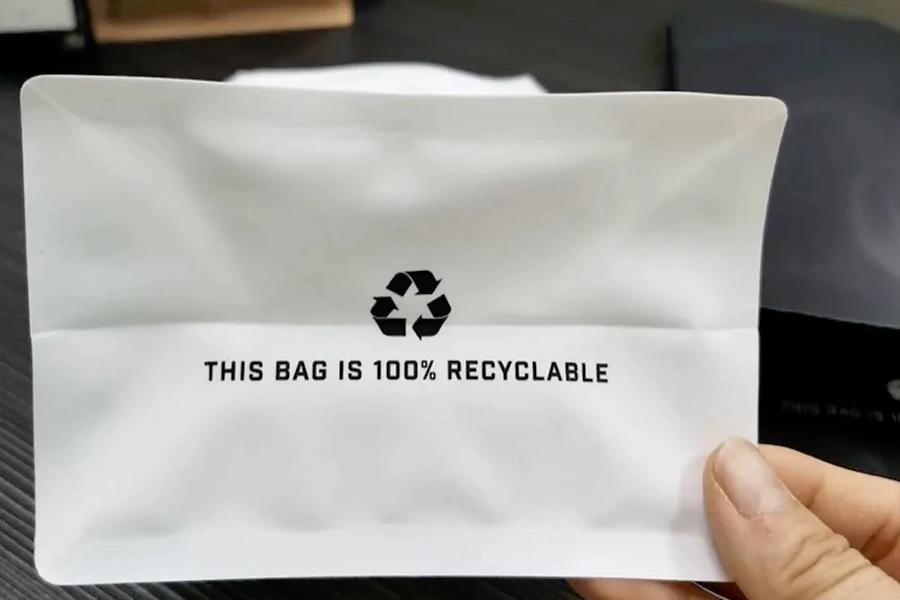
BN PACK offers sustainable coffee packaging that meets high industry standards. You can choose from eco-friendly materials like PCR content, plant-based films, FSC-certified kraft paper, and certified compostable materials. These options reduce your carbon footprint and keep your coffee fresh for up to 12 months. BN PACK’s mono-material structures are 100% recyclable and designed for closed-loop recycling. All materials meet ISO, FDA, and EU safety standards.
You can customize your coffee bags with features like resealable zippers, degassing valves, and clear windows. BN PACK’s flexible order quantities and digital printing help you control costs while maintaining quality. By choosing BN PACK, you get sustainable materials, strong barrier protection, and a packaging solution that supports your brand’s commitment to sustainability.
Cost Comparison: Traditional vs. Sustainable Packaging

Upfront and Long-Term Costs
When you compare traditional and sustainable coffee packaging, you notice differences in both upfront and long-term expenses. Sustainable options often have a higher initial packaging cost. This comes from premium materials, new production processes, and supply chain adjustments. However, these investments pay off over time.
You save money by using less material and reducing waste management fees.
Lighter packaging lowers transportation costs, which helps your bottom line.
Sustainable packaging improves your brand reputation and attracts customers who care about the environment.
Many consumers are willing to pay more for eco-friendly packaging, which can boost your profits.
You may qualify for tax incentives and avoid future penalties as regulations become stricter.
Businesses that invest in sustainable packaging often see a return on investment within 12 to 18 months.
Choosing sustainable packaging is not just about the initial price. It is a strategic move that supports long-term growth and keeps your business competitive.
Hidden Costs and Savings
Traditional coffee packaging can hide extra expenses that add up over time. Petroleum-based inks release harmful chemicals, which can affect worker safety and the environment. Synthetic adhesives make recycling and composting difficult, leading to higher disposal fees. Non-recyclable materials like foil-lined bags often result in extra charges from waste services.
You can avoid these hidden costs by switching to water-based inks and biodegradable adhesives.
Lightweight, sustainable packaging reduces shipping costs and your carbon footprint.
Using local suppliers cuts transportation expenses and supports your community.
Educating your customers about your sustainable choices builds trust and justifies any price difference.
Strong supplier relationships help you manage packaging cost and find efficient solutions.
By focusing on cost and sustainability, you protect your brand and improve your financial outlook. Sustainable coffee packaging helps you avoid hidden fees, reduce waste, and create lasting value for your business.
Strategies to Balance Cost and Sustainability
Bulk Purchasing and Local Sourcing
You can lower your packaging costs and improve sustainability by buying materials in bulk and sourcing them locally. Bulk purchasing helps you secure better prices, especially for sustainable packaging options like biodegradable or recyclable coffee bags. Over time, this approach makes sustainable packaging more affordable, even if the initial price is higher than traditional plastic bags.
Packaging Material | Typical Cost Premium vs Conventional | Bulk Purchasing Impact |
|---|---|---|
Bagasse (Sugarcane Fiber) | 15–25% higher | Bulk buying reduces costs over time |
Reusable Cloth Bags | 20–40% higher | Long-term value offsets upfront cost |
Glass Packaging | 15–30% higher | Premium perception justifies cost |
Metal Packaging | 20–40% higher | Enhances perceived value, supports premium pricing |
Bamboo Packaging | 20–35% higher | Sustainability appeal can justify premium pricing |
When you choose local suppliers, you cut transportation costs and reduce your carbon footprint. Local sourcing also supports your community and ensures a more reliable supply chain. For example, composite tubes made from paper and bio-based membranes offer moisture protection and freshness. These tubes are fully recyclable and, when sourced locally, can be more cost-effective than other sustainable options. Digital printing with local partners further reduces waste and energy use.
Tip: Partner with suppliers who have sustainability certifications. This helps you meet both cost and sustainability goals while building trust with your customers.
Minimalist and Efficient Design
Minimalist packaging design helps you use fewer materials and lower production costs. By focusing on simple graphics, limited color palettes, and negative space, you reduce material consumption and make your packaging lighter. This approach decreases shipping expenses and supports your sustainability efforts.
Minimalist designs use high-quality, eco-friendly materials to reduce waste.
Simple packaging enhances product visibility and brand recognition.
You align with consumer preferences for sustainability, which can boost loyalty and set your brand apart.
Efficient packaging design also means right-sizing your packaging to fit your product. This reduces the need for filler materials and cuts down on shipping weight. Even though coffee packaging only accounts for about 3% of the total carbon footprint of coffee production, improving packaging sustainability has a big impact. Efficient designs lower plastic waste, reduce greenhouse gas emissions, and encourage better recycling habits among your customers.
Reusable and Refillable Solutions
You can further balance cost and sustainability by offering reusable and refillable packaging solutions. Refillable packaging can cut up to 70% of plastic waste in the beverage industry. When you use reusable materials, you lower your carbon footprint and show your commitment to sustainability.
Many consumers want to reduce their environmental impact. In fact, 73% say they are willing to change their habits for the planet. By introducing refill programs, you attract eco-conscious customers and build brand loyalty. These programs also encourage repeat purchases and positive word-of-mouth.
Offer discounts or rewards for customers who use refillable packaging.
Set up interactive refill stations to create a sense of community.
Use technology, such as mobile apps, to make reordering easy and offer personalized deals.
Refillable solutions help you stand out in the market and deepen your relationship with your customers. They also provide measurable benefits, such as higher participation rates, more repeat purchases, and reduced packaging costs.
BN PACK Customization Advantages
BN PACK gives you the flexibility to balance cost and sustainability with custom packaging solutions. You can choose from eco-friendly materials like biodegradable films, compostable papers, recycled plastics, and recyclable pouches. These options help you reduce your environmental impact and control costs.
Select materials with minimal layers to lower both cost and waste.
Optimize packaging size to match your product volume, reducing filler materials and shipping weight.
Use standardized and modular designs to streamline production and minimize waste.
Partner with local suppliers and those with sustainability certifications to further reduce costs and environmental impact.
BN PACK supports your growth with low minimum order quantities starting at 500 units. This allows you to test new products or designs without a large investment. Fast turnaround times and a digital workflow make it easy to approve designs and track orders. Features like 3D previews and physical samples help you avoid costly mistakes.
Digital printing technology from BN PACK eliminates the need for printing plates, reducing material waste and setup costs. Print-on-demand lets you produce only what you need, minimizing obsolete inventory and waste. Sustainable inks and materials used in digital printing consume less energy and emit fewer greenhouse gases.
Note: By leveraging BN PACK’s customization services, you can optimize your supply chain, reduce waste, and create packaging that aligns with your brand values. This approach helps you balance cost and sustainability while delivering high-quality coffee packaging to your customers.
Compliance and Implementation
Regulatory and Certification Needs
You must navigate a complex landscape of regulations when choosing sustainable coffee packaging. Major coffee-consuming countries focus on recyclable and compostable materials. For example, the UK enforces a Plastic Packaging Tax to reduce single-use plastics. The EU Deforestation Regulation requires packaging supply chains to be free from deforestation and illegal harvesting. Traceability and transparency are now essential, with many laws demanding geo-located data to prove compliance. You should engage with suppliers early and stay updated on new laws to avoid fines or disruptions.
Certification | Focus / Recognition | Key Requirements |
|---|---|---|
FSC | Responsible forestry, biodiversity, social factors | Protect biodiversity, prevent deforestation, fair labor |
GRS | Recycled content, supply chain transparency | Certify recycled content, audit supply chain |
TUV | Compostability, biodegradability | Test decomposition, ensure no harmful residues |
ABA | Compostability (home/industrial) | Physical breakdown, no heavy metals |
BPI | Industrial compostability (U.S.) | Breakdown under composting, no toxic residues |
Tip: Certifications like FSC, GRS, and BPI help you build trust and demonstrate your commitment to sustainability.
Auditing and Setting Priorities
You can improve both sustainability and cost efficiency by auditing your packaging supply chain. Start by defining clear goals, such as reducing excess material or switching to eco-friendly options. Map your processes and collect data on material use and waste. Analyze where waste occurs and test solutions like reducing cardboard layers or optimizing transport. Monitor your progress and update procedures regularly.
Align your packaging choices with your brand’s sustainability values and certifications.
Implement waste reduction strategies, such as recycling and reuse programs.
Choose packaging that meets consumer demand for freshness and eco-friendliness.
Evaluate the impact of single-serve products and seek greener alternatives.
Balance costs, customer expectations, and environmental benefits when setting priorities.
Digital traceability tools, such as blockchain, can help you track your supply chain and ensure compliance with regulations.
Customer Engagement
You play a key role in engaging customers with your sustainable packaging initiatives. Refillable packaging schemes and subscription models using kraft paper encourage customers to reduce waste and reuse containers. Educational workshops, virtual coffee classes, and mobile apps with loyalty programs can deepen customer connection and build a passionate community.
Host interactive events and provide educational materials with your products.
Use clear labeling to highlight recyclable or compostable features.
Offer incentives, such as discounts or loyalty points, for customers who choose eco-friendly packaging.
Share your sustainability journey through social media and storytelling.
Customer feedback shapes your packaging strategy. Positive responses on social media and review platforms can boost loyalty and sales, motivating you to continue innovating with sustainable solutions.
You can balance cost and sustainability in coffee packaging by following a few practical steps. Start with a waste audit to identify areas for improvement. Choose suppliers who offer certified eco-friendly materials and train your team on sustainability goals. BN PACK’s coffee bags deliver strong business and environmental benefits:
Recyclable and compostable materials support a circular economy.
Certifications like ASTM, BPI, and FSC ensure compliance and safety.
Custom designs and patented features enhance shelf appeal and freshness.
Take action today by reviewing your current coffee packaging and exploring BN PACK’s sustainable solutions for your brand.
FAQ
What is the most sustainable material for coffee packaging?
You can choose compostable kraft paper, PLA, or mono-material recyclable films. These materials break down naturally or recycle easily. BN PACK offers certified options that protect freshness and support your sustainability goals.
How do I keep coffee fresh in eco-friendly packaging?
Select high-barrier materials and include features like degassing valves. BN PACK’s coffee bags use advanced barriers and resealable zippers. These features lock in aroma and extend shelf life without sacrificing sustainability.
Does sustainable packaging cost more than traditional options?
Sustainable packaging may have a higher upfront price. You save money over time through reduced waste, lower shipping costs, and improved brand loyalty. BN PACK helps you control costs with bulk orders and digital printing.
Can I customize eco-friendly coffee bags for my brand?
You can fully customize eco-friendly coffee bags with your logo, colors, and features. BN PACK offers digital printing, various sizes, and finishes. Customization helps your brand stand out while meeting environmental standards.