
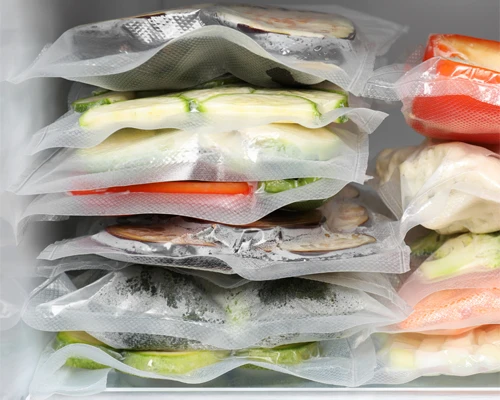
Traditional frozen food packaging primarily relies on materials of frozen foods packaging such as plastics and polystyrene, which resist decomposition and contribute to increased carbon emissions. The industry is under growing pressure to shift towards sustainable materials of frozen foods packaging that protect both the food and the environment.
Innovative materials of frozen foods packaging, including compostable trays, biodegradable films, and recycled paperboard, are gaining popularity due to their lower carbon footprints. Market data indicates that flexible packaging and recyclable solutions dominate the sector, with over 56% of frozen foods utilizing these eco-friendly materials of frozen foods packaging.
Importance of Sustainable Packaging
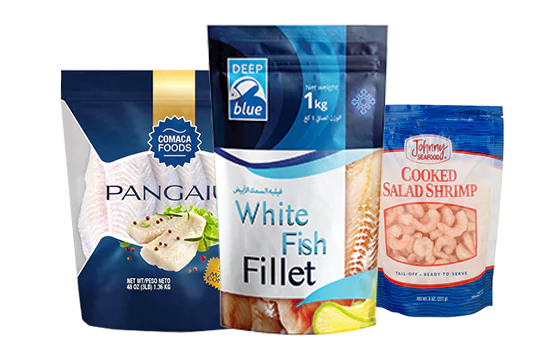
Environmental Impact
Sustainable packaging plays a crucial role in reducing the environmental footprint of the frozen food industry. Eco-design, guided by life cycle assessments, helps companies create packaging that uses less energy and reduces waste. By considering the entire life cycle—from production to disposal—manufacturers can identify ways to lower greenhouse gas emissions and conserve resources. Packaging choices also influence how much food gets wasted. When packaging keeps food fresh longer, less food ends up in landfills, which helps cut down on emissions. Reusable packaging systems, such as vacuum insulated panel boxes, last longer than single-use options and reduce waste in the cold chain. These systems also save energy and support sustainable development. The environmental benefits depend on factors like material type, packaging weight, and transportation distance. Policy changes and industry efforts to use reusable and recyclable materials further drive waste reduction and energy savings. Life cycle assessments confirm that sustainable packaging solutions help lower environmental impacts at every stage, from production to end-of-life.
Note: Packaging often makes up less than 10% of the total emissions for most frozen foods, while food waste can contribute much more to greenhouse gases.
Industry and Consumer Demand
The demand for sustainable packaging continues to grow among both companies and shoppers. Many consumers now look for products with eco-friendly packaging, and brands respond by adopting greener materials and designs. Recent research highlights several ways sustainable packaging benefits the frozen food sector:
Sustainable packaging extends shelf life and reduces food spoilage, which lowers food waste—a major source of greenhouse gas emissions.
Advanced plastic films, such as those combining polyethylene and polyamide, protect food during transport and keep it fresh.
Preventing food waste through better packaging has a greater impact on carbon reduction than simply reducing plastic use.
New recycling technologies help turn plastic waste into valuable resources, tackling plastic pollution.
Optimizing packaging to reduce food waste proves to be one of the most effective strategies for lowering overall carbon emissions.
As more people become aware of environmental issues, the frozen food industry continues to innovate and invest in sustainable packaging solutions. This shift not only meets consumer expectations but also supports a healthier planet.
Materials of Frozen Foods Packaging
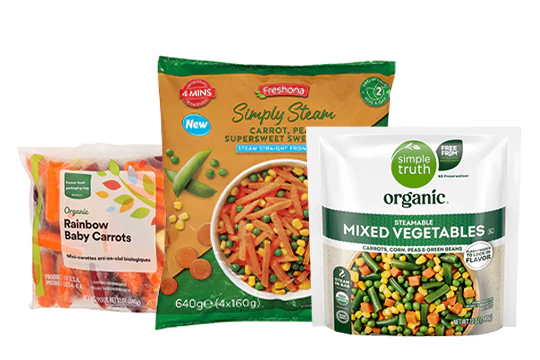
The frozen food industry continues to explore new materials of frozen foods packaging to reduce environmental impact and meet consumer expectations. Each material type offers unique benefits and faces specific challenges. Understanding these options helps companies choose the best solutions for sustainability and product protection.
Biodegradable Plastics
Biodegradable plastics break down naturally under certain conditions, making them a popular choice for eco-friendly packaging. These materials of frozen foods packaging include polylactic acid (PLA) and polyhydroxyalkanoates (PHA). PLA, for example, saves up to two-thirds of the energy required for production compared to traditional plastics. It also emits less greenhouse gas during degradation, with no net increase in carbon dioxide because plants absorb CO2 during growth. However, biodegradable plastics need specific composting environments to decompose efficiently. If disposed of in landfills, they may degrade slowly or release methane, a potent greenhouse gas. Some biodegradable plastics also require agricultural land for production, which can affect food supply and prices.
Tip: Always check if local composting facilities accept biodegradable packaging before disposal.
Plant-Based and Bio-Based Materials
Plant-based and bio-based materials of frozen foods packaging use renewable resources such as corn, sugarcane, or even crab shells and tree fibers. These materials can reduce reliance on fossil fuels and lower greenhouse gas emissions by about 25% or more when replacing conventional plastics. Some novel bioplastics from crab shells and tree fibers also improve food preservation and reduce oxygen permeability. However, producing these materials involves trade-offs:
Repurposing farmland for bioplastics can reduce food supply and raise food prices.
Crop cultivation for bioplastics uses fertilizers and pesticides, leading to higher pollutant emissions and greater ozone depletion than traditional plastics.
Some bio-based plastics, like bio-based PET, may have toxic effects on ecosystems and pose health risks.
Life cycle assessments help evaluate the overall environmental impact, including land use, emissions, and disposal.
Manufacturers must balance these factors when selecting plant-based materials of frozen foods packaging.
Recyclable Plastics
Recyclable plastics remain a major component of materials of frozen foods packaging. PET and HDPE dominate the market for recycled bottles, but only about 21% of consumer packaging in the U.S. gets recycled. Globally, the circularity rate for plastics is just 7.2%. The recycling process involves many steps, and inefficiencies can occur at each stage. Consumer recycling habits also vary by region and demographic. Companies like JR Foods and Plánteus have reduced plastic use by switching to paper-based trays, which still require a thin polymer barrier for durability. The demand for recyclable and biodegradable plastics continues to grow, driven by regulations and consumer awareness. However, technical challenges remain in replacing plastics entirely while maintaining performance.
Paper, Cardboard, and Fiber
Paper, cardboard, and fiber-based materials of frozen foods packaging offer renewable and recyclable options. These materials include fiberboards, molded pulp, composite cans, and fiber drums. They provide cushioning, strength, and protection during transport and storage. For example, molded pulp packaging cushions delicate items like frozen fruits and vegetables. Composite cans are also used for frozen foods. Studies show that these materials protect products well, but direct comparisons with plastics for frozen foods are limited. The main focus remains on their environmental benefits, safety, and suitability for various applications.
Note: Paper and fiber packaging often require a thin plastic or wax coating to improve moisture resistance and durability.
Aluminum and Metal Options
Aluminum and steel cans serve as durable materials of frozen foods packaging, especially for products needing strong barriers. These metals have higher production emissions than plastics due to their weight and energy-intensive manufacturing. However, recycling rates are much higher—about 50% for aluminum and 70% for steel cans. Recycling helps offset some emissions, but the heavier weight of metal cans leads to greenhouse gas emissions about three times higher than plastic multilayer pouches. The environmental impact of aluminum depends on the energy source used in production. Cleaner energy grids, like those in the U.S. and Western Europe, reduce emissions, while coal-based grids increase them. Decarbonizing electricity and increasing recycling rates could make aluminum cans more climate-friendly in the future.
Advantages: High recyclability, strong barrier properties, long shelf life.
Limitations: High production emissions, heavier weight, regional differences in environmental impact.
Compostable and Molded Pulp
Compostable and molded pulp materials of frozen foods packaging are gaining popularity as sustainable alternatives. Compostable packaging appeals to consumers and helps companies comply with strict regulations on plastic waste. These materials reduce carbon footprints and come in various forms, such as bags, boxes, tubs, trays, wrappers, and pouches. Innovations in compostable technology have improved durability and barrier properties, making them more suitable for frozen foods. Molded pulp packaging, while not detailed extensively in recent reports, shares many benefits with compostable options.
Benefits:
Meets consumer demand for sustainability
Reduces carbon emissions
Expands packaging choices for different frozen foods
Supported by growing composting infrastructure
Limitations:
Higher costs than conventional plastics
Limited composting facilities in some regions
Challenges in maintaining product quality and shelf life
Potential issues with barrier properties
Alert: Compostable packaging works best where composting infrastructure exists and when consumers dispose of it correctly.
The materials of frozen foods packaging continue to evolve as companies seek to balance sustainability, performance, and cost. Each material type brings unique strengths and challenges, shaping the future of eco-friendly packaging in the frozen food sector.
Packaging Design Innovations
Flexible Packaging
Flexible packaging has transformed the frozen food industry by reducing material use and improving sustainability. Companies now use stand-up pouches, press-to-close zippers, and lightweight films to package frozen foods. These options use fewer resources than rigid containers and help lower waste. Flexible packaging also extends shelf life and keeps food fresh, which reduces food spoilage. Many brands use recyclable plastics, biodegradable films, and even cardboard boxes to support sustainability goals.
A comparison of flexible and rigid packaging shows clear environmental benefits:
Environmental Impact Category | Flexible Packaging | Rigid Packaging | Impact Difference |
|---|---|---|---|
Water Consumption | Baseline (1x) | Up to 16x more | Uses less water |
Greenhouse Gas Emissions | Baseline (1x) | 4-7x more | Fewer emissions |
Fossil Fuel Consumption | Baseline (1x) | 4.5-5.2x more | Less fossil fuel |
Product-to-Package Ratio | ~96% product | 67-83% product | Higher efficiency |
Transportation Efficiency | Lightweight | Bulky | Fewer trucks |
Food Waste Reduction | Extends shelf life | Less effective | Less food waste |
Flexible packaging also saves freezer space and allows for portion control, which helps reduce both packaging and food waste.
Minimal and Customizable Wrapping
Minimalist and customizable wrapping has become popular among eco-conscious consumers. Brands use fewer materials and avoid unnecessary extras, which supports sustainability. Transparent and simple designs let shoppers see the product, building trust and reducing the need for extra layers. Custom pouches and resealable bags adapt to different freezer spaces and keep food fresh longer. These features help reduce both packaging waste and food spoilage.
Minimalist packaging uses less material and appeals to green-minded shoppers.
Customizable options fit specific needs, cutting down on excess waste.
Resealable and airtight bags allow reuse and keep food fresh.
Thermoforming films offer a low-cost, space-saving solution that generates little waste.
Sustainable Printing Inks
Sustainable printing inks play a key role in eco-friendly frozen food packaging. Many companies now use water-based flexographic inks and polymer-based digital inks. These inks meet FDA safety standards and do not release harmful chemicals into food. Digital printing, especially with carbon-neutral presses, uses less energy and creates less waste than traditional methods. Water-based inks also lower emissions of volatile organic compounds. By switching from solvent-based to water-based or digital inks, brands reduce their environmental impact while maintaining high print quality. These changes help make frozen food packaging safer for people and better for the planet.
Performance and Protection
Insulation and Durability
Frozen food packaging must protect products from extreme temperatures and rough handling during shipping. Companies often use materials like expanded polystyrene (EPS) because it offers strong durability and excellent thermal insulation. EPS is lightweight, moldable, and keeps food at the right temperature for long periods. Polyurethane foam also provides effective insulation, but it is less eco-friendly due to its non-biodegradable nature and flammability concerns. Packaging must meet strict standards to ensure safety and quality:
Withstand shipping and temperature extremes without cracking or becoming brittle
Resist moisture to prevent freezer burn
Maintain strong seals to block contamination
Comply with safety regulations, including flame retardancy
Eco-friendly packaging aims to match these standards while being biodegradable or recyclable. Technical features like proper thickness, low thermal conductivity, and advanced barrier layers help maintain insulation and durability.
Moisture and Barrier Properties
Moisture control is vital for frozen foods. Innovative coatings, such as those developed by Impermea Materials, provide superior water resistance and moisture vapor barriers compared to traditional polyethylene plastics. These coatings are plastic-free, PFAS-free, and fluorine-free, making them safer for the environment. They also support recycling and composting, which helps create a circular economy. Multilayer films with special barrier layers, like EVOH and SiOx, offer excellent protection against oxygen and moisture. Some bio-based films now achieve moisture barrier performance similar to standard plastics. However, materials like PLA can absorb more moisture, which may lead to faster spoilage but also supports biodegradability.
Tip: Choosing packaging with strong barrier properties helps keep frozen foods fresh and safe.
Shelf Life Extension
New packaging materials help extend the shelf life of frozen foods. Active packaging uses antimicrobials, antioxidants, and moisture absorbers to slow spoilage. Nanomaterial-enhanced films add strength and improve gas barriers, reducing oxygen and water vapor that can cause food to degrade. These innovations help maintain texture, flavor, and safety by limiting oxidation and microbial growth. Technologies like modified atmosphere packaging and vacuum sealing further protect food quality. Proper sealing and storage conditions maximize the benefits of these advanced materials, ensuring frozen foods stay fresh longer and reducing food waste.
Smart and Intelligent Packaging
Freshness Monitoring
Smart and intelligent packaging now plays a key role in keeping frozen foods safe and fresh. Companies use several advanced systems to monitor freshness in real time. Oxygen sensors, freshness indicators, and time-temperature indicators help track the condition of frozen foods from factory to freezer. Commercial products like O2 Sense™ and Novas® act as integrity indicators, while Ageless Eye® works as an oxygen scavenger. Freshtag® serves as a freshness indicator that alerts users if the product has lost quality.
Some packaging uses smart films made from chitosan and natural compounds like anthocyanins and curcumin. These films change color when they detect spoilage markers such as ammonia, pH changes, or other chemicals that signal food is going bad. Silver nanoparticles in edible films can also help reduce bacteria and extend shelf life, especially in frozen meats. These technologies do not just monitor freshness—they help prevent waste by letting people know when food is still safe to eat.
Note: While these systems show promise, researchers continue to improve their sensitivity and reliability for frozen foods.
Controlled Release Features
Controlled release features in smart packaging help maintain food safety and quality. These systems respond to changes in the environment, such as pH, humidity, temperature, or gases produced during spoilage. When triggered, the packaging releases antimicrobial or antioxidant agents that slow down bacteria growth and reduce oxidation.
Packaging adapts the release rate based on storage conditions, giving longer protection.
Enzyme-responsive materials release active agents only when spoilage enzymes are present.
Changes in the microenvironment, like acidic or alkaline gases, trigger the release of preservation agents.
Many of these smart packages use bio-based, non-toxic materials such as chitosan or sodium alginate. This approach avoids harmful chemicals and supports food safety. By delivering active substances only when needed, controlled release packaging helps keep frozen foods safe during storage and thawing. This technology reduces the risk of spoilage and foodborne illness, making it a valuable tool for the frozen food industry.
Regulatory and Market Drivers
Regulations and Standards
Regulations play a major role in shaping the adoption of eco-friendly packaging in the frozen food industry. The FDA’s Food Contact Notification (FCN) program requires that every substance used in packaging must be approved to ensure it poses no toxicological risk. Packaging materials must withstand low temperatures, mechanical stress, and chemical degradation. These requirements are essential for frozen food safety. Labeling regulations from the FDA and USDA also require accurate nutrition facts, allergen information, and storage instructions. These rules influence both packaging design and material selection.
Regulation | Description |
|---|---|
21 CFR Part 177 | Governs safety and suitability of plastic materials and resins for food-contact applications. |
21 CFR Part 178 | Lists food-contact additives like antioxidants and stabilizers to prevent contamination. |
21 CFR Part 181 | Defines substances Generally Recognized as Safe (GRAS) for food use. |
21 CFR Part 186 | Regulates polymers and similar substances as indirect food additives in packaging. |
21 CFR Part 189 | Lists prohibited food ingredients to protect consumer health. |
Companies must follow several steps to comply with these regulations:
Identify relevant FDA regulations for packaging materials.
Select safe, FDA-approved substances.
Conduct in-house safety and migration testing.
Submit documentation to the FDA.
Maintain compliance through regular audits.
Manufacturers also prevent cross-contamination by following Good Manufacturing Practices (GMPs). They ensure traceability with clear labeling and lot numbers. Many companies now use compostable films and PCR-based packaging that meet both safety and sustainability standards.
Consumer Trends
Consumer preferences drive rapid changes in frozen food packaging. People want convenient foods that fit busy lifestyles, so ready-to-eat frozen meals have become more popular. Many shoppers now prefer sustainable and eco-friendly packaging options. Technological advances help companies create packaging that protects food and supports the environment.
Demand for packaging that extends shelf life and reduces food waste continues to grow.
E-commerce growth increases the need for durable, sustainable packaging.
Shoppers look for packaging that supports clean-label and nutritional transparency.
Health-conscious consumers choose frozen fruits, vegetables, and meals marketed as healthier options.
Many buyers, including those in Canada, show willingness to pay more for sustainable packaging.
Regulatory changes now allow recycled plastics in food packaging, supporting a circular economy.
Regional markets innovate with fiber-based, recyclable, and compostable materials to replace fossil-based plastics.
These trends show that both regulations and consumer expectations push the frozen food industry toward safer, greener packaging solutions.
Challenges and Future Directions
Cost and Scalability
Companies face several challenges when scaling up eco-friendly packaging for frozen foods. High costs for advanced sustainable materials and supply constraints on bio-based resins often limit adoption. Many businesses must invest in new equipment to handle innovative packaging formats. Price swings in oil-based polymers add budget uncertainty. Smaller processors struggle to access high-end barrier protection technologies. Regulatory policies, such as the EU Circular Economy Action Plan and plastic reduction mandates in North America, push companies to invest more in sustainable solutions. Major corporations like Amazon and Tetrapak commit to net-zero carbon targets, which require significant capital.
High costs for sustainable materials
Supply shortages of bio-based resins and specialty films
Large investments needed for equipment upgrades
Price volatility in oil-based polymers
Limited access for smaller companies to advanced technologies
To address these barriers, companies collaborate to secure reliable supply chains and achieve cost efficiencies. They invest in recyclable materials and circular economy principles. Partnerships with recycling facilities help enable closed-loop programs. Many brands pursue sustainability certifications to boost reputation and justify premium pricing. Modular packaging designs and technology optimize logistics and reduce waste.
Circular Economy and Logistics
Circular economy principles encourage reduction, reuse, and recycling of packaging materials. These ideas influence packaging design and supply chain logistics. Companies must balance food protection with waste reduction. Logistics teams adapt to manage reusable packaging return systems or collection services, which adds complexity. Waste management faces barriers such as consumer behavior, hygiene concerns, and regulatory frameworks. The shift toward single-use packaging, smaller package sizes, and portioned products increases packaging waste. The EU now requires all packaging to be reusable or recyclable by 2030, which demands changes in materials, supply chains, and consumer habits.
Packaging optimization remains critical to ensure food safety while minimizing environmental impact.
Emerging Materials and Research
The future of frozen food packaging will focus on biodegradable, recyclable, and compostable materials like bioplastics, plant-based films, and aluminum foil. Smart packaging with QR codes, RFID tags, and sensors will improve traceability and food preservation. Digitalization and personalized packaging designs will enhance consumer experience. E-commerce growth increases demand for packaging that protects products during shipping and remains sustainable. Collaborations between packaging and technology companies will drive innovations such as self-sealing and easy-open features. The market will see more nanomaterials and intelligent packaging that extend shelf life and reduce waste. Stricter regulations and consumer demand will continue to accelerate the shift toward sustainable solutions.
Adopting innovative materials of frozen foods packaging supports environmental sustainability and meets consumer demand for greener products.
Eco-Friendly Packaging Type | Environmental Sustainability Impact | Additional Benefits |
|---|---|---|
Post-Consumer Recyclable (PCR) Materials | Reduce environmental impact by using recycled consumer waste; support circular economy; lower landfill waste | Maintain durability and product quality under frozen conditions; meet retailer recyclability standards |
Compostable Packaging | Breaks down in composting facilities; supports zero-waste initiatives | Protects product freshness and quality; appeals to eco-conscious consumers |
Ongoing research and collaboration, such as industry events and new bio-based films, drive progress. The future promises even more innovation as brands and consumers work together for a sustainable frozen food industry.
FAQ
What are the most eco-friendly materials for frozen food packaging?
Plant-based bioplastics, recycled paperboard, and compostable trays lead the way. These materials break down faster than traditional plastics. Many companies now use them to reduce waste and lower carbon emissions.
Can compostable packaging go in regular trash?
Compostable packaging needs special composting facilities. If placed in regular trash, it may not break down properly. Always check local composting options before disposal.
How does recyclable packaging help the environment?
Recyclable packaging reduces landfill waste and saves resources. When people recycle, companies can use old materials to make new packaging. This process lowers pollution and supports a circular economy.
Does eco-friendly packaging keep frozen food fresh?
Yes. Many sustainable materials, like advanced bioplastics and coated paper, offer strong barriers against moisture and air. These features help maintain food quality and extend shelf life.
Are there any drawbacks to using sustainable packaging?
Some eco-friendly materials cost more or need special recycling or composting systems. Not all regions have these facilities. Companies must balance performance, cost, and environmental benefits.