

Selecting the right Frozen Chicken Packaging Bags plays a crucial role in keeping your chicken fresh, safe, and flavorful. Poor packaging increases the risk of problems like freezer burn, contamination, and loss of texture or taste. According to recent studies, nearly 25% of frozen chicken products lose quality due to inadequate packaging. You face risks such as:
Contamination by bacteria like Salmonella or Campylobacter
Freezer burn from air exposure
Improper labeling or temperature abuse during storage
Matching the right packaging type and features to your specific frozen chicken needs helps you avoid these issues.
Packaging Role
Quality and Freshness
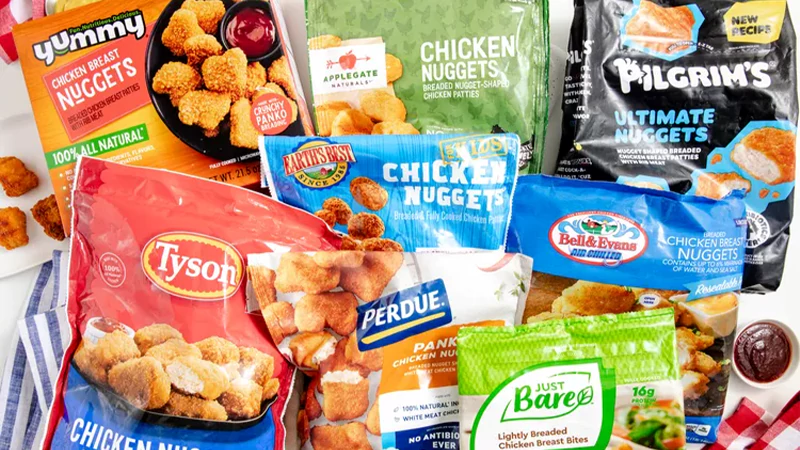
You want your frozen chicken to stay fresh and tasty until you are ready to cook it. The right packaging plays a big part in making this happen. Packaging bags with strong barriers against oxygen and moisture help keep chicken from drying out or losing its flavor. When you use vacuum packaging, you remove most of the air, which slows down the growth of bacteria and prevents oxidation. This keeps the chicken’s color, texture, and taste for a longer time.
Vacuum packaging creates an oxygen-poor space, which limits the growth of microbes and slows down spoilage.
Packaging materials with low oxygen transmission rates act as shields, keeping out air and locking in freshness.
Studies show that vacuum packaging can extend the shelf life of broiler chickens by about 50%.
Advanced packaging methods like modified atmosphere packaging (MAP) also help. MAP reduces oxygen inside the bag, which helps keep the chicken juicy and flavorful. These methods work together to stop off-flavors, color changes, and texture loss. You get chicken that looks and tastes better, even after weeks in the freezer.
Tip: Choose packaging that offers strong seals and barrier properties to keep your chicken at its best.
Safety and Contamination
Keeping frozen chicken safe means stopping bacteria and other contaminants from getting in. Frozen Chicken Packaging Bags protect your food by sealing out air, moisture, and germs. When you use airtight, food-grade bags, you lower the risk of cross-contamination and keep harmful bacteria like Salmonella and Campylobacter away.
Contamination Source | How Packaging Helps |
|---|---|
Human contact | Reduces direct exposure to bacteria |
Cross-contamination | Prevents leaks and keeps raw chicken separate |
Improper storage | Maintains cold chain and stops bacteria from growing |
Processing equipment | Protects chicken after processing |
Packaging also supports food safety by meeting strict government standards. Bags must be made from food-grade, non-toxic materials and have proper labels with cooking instructions. This helps you handle and prepare chicken safely at home. By choosing the right packaging, you help prevent foodborne illnesses and keep your meals safe for everyone.
Frozen Chicken Packaging Bags
Types of Bags
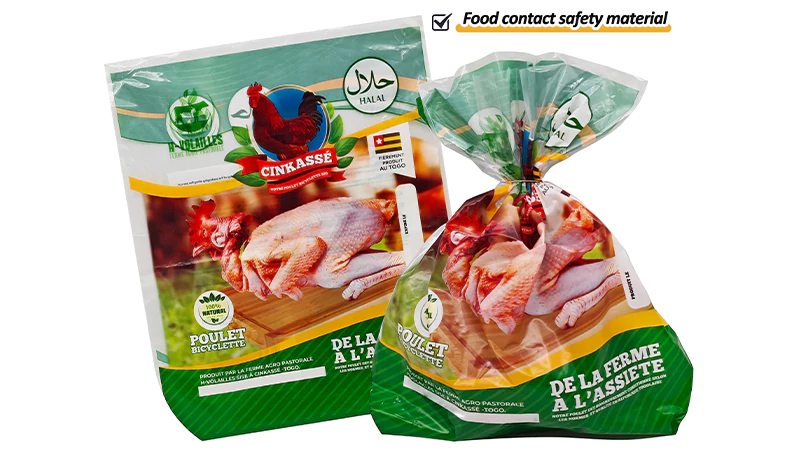
When you choose Frozen Chicken Packaging Bags, you have several options. Each type of bag offers unique benefits for different needs in the frozen chicken market. Flexible packaging dominates the industry because it is lightweight, cost-effective, and easy to use. You will find these main types:
Packaging Type | Description & Structure | Best Use Cases for Frozen Chicken | Features & Benefits |
|---|---|---|---|
Flat Bags | Simple, flat plastic bags | Bulk packaging, food service, processors | Cost-effective, easy to seal, space-saving |
Zipper Bags | Flat or stand-up bags with resealable zippers | Portion control, retail, home use | Resealable, convenient, reduces waste |
Stand-Up Pouches | Bags with a bottom gusset to stand upright | Retail display, ready-to-cook products | Good shelf presence, branding opportunities |
Quad-Seal Bags | Four-side sealed, box-like structure | Premium retail, heavy or large portions | Strong, leak-resistant, excellent protection |
Note: Flexible packaging, including bags and pouches, accounts for over 56% of global frozen food packaging. Vacuum-sealed bags are especially popular, used in more than 63% of frozen chicken products to extend shelf life and freshness.
You will also see rigid packaging like trays and corrugated boxes, but these are less common for direct chicken contact. Flexible bags and pouches remain the top choice for both bulk and retail frozen chicken.
Here is a quick comparison of the main bag types for frozen chicken:
Packaging Type | Stability & Structure | Capacity & Product Holding | Shelf Presence & Visibility | Protection & Suitability | Additional Features |
|---|---|---|---|---|---|
Quad-Seal Bags | Very stable, keeps shape | High | Excellent | Leak-proof, strong | Customizable, resealable |
Less stable, lies flat | Moderate | Low | Basic protection | Simple, traditional | |
Zipper Bags | Moderate stability, resealable | Moderate | Good | Reusable, easy to open | Resealable, portion control |
Stands upright, moderate stability | Moderate | High | Good protection | Often resealable, eye-catching |
Tip: If you want to keep chicken fresh and prevent leaks, quad-seal bags offer the best protection. For convenience and portion control, zipper bags or stand-up pouches work well.
Material Properties
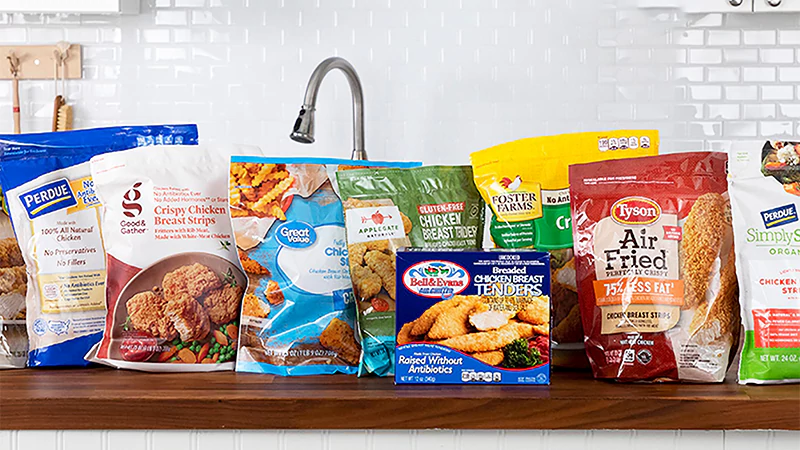
The material you choose for Frozen Chicken Packaging Bags matters just as much as the bag type. Food-grade plastics like PE (Polyethylene), PET (Polyethylene Terephthalate), Nylon, CPP (Cast Polypropylene), and multi-layer laminates each have special properties that help protect frozen chicken.
Material Type | Cold Resistance | Sealing Ability | Durability / Mechanical Strength |
|---|---|---|---|
PE (Single-layer bags) | Lower cold resistance; can get brittle | Basic sealing; good for light packaging | Lower durability; may puncture or break in frozen state |
PET/PE Laminates | Good moisture and cold resistance | Good low-temperature sealing | Moderate durability; better than PE alone |
Nylon-containing Laminates | Excellent cold resistance; flexible | Strong sealing at low temperatures | High puncture and impact resistance |
CPP and BOPP/CPP Laminates | Excellent moisture and cold resistance | Strong low-temperature seal strength | Good durability; economical |
Multi-layer Co-extruded Laminates | Highest cold resistance; stays flexible | Enhanced sealing from multiple layers | Superior strength and barrier properties |
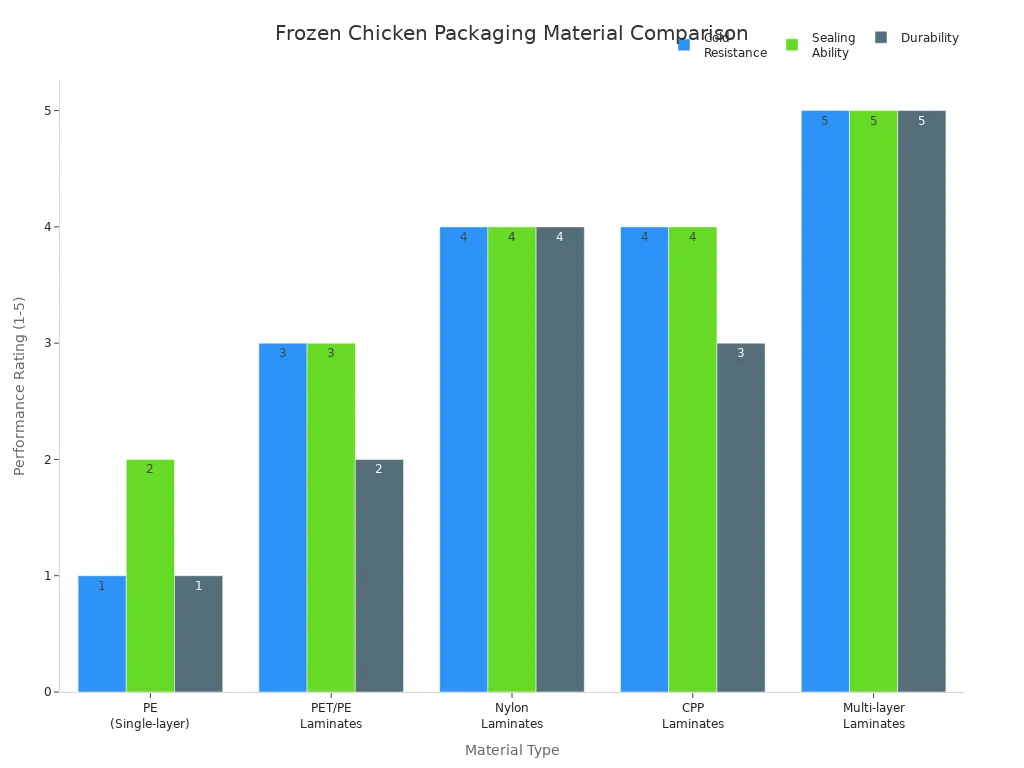
Multi-layer laminates combine the strengths of different materials. You get excellent cold resistance, strong seals, and high durability. These bags keep out oxygen and moisture, which helps prevent freezer burn and keeps chicken fresh longer. Nylon layers add extra toughness, so the bag resists punctures from bones or sharp edges.
Note: Always look for packaging that is BPA-free and suitable for freezing. The right material keeps your chicken safe and maintains quality during storage and transport.
Multi-layer laminated packaging provides a strong barrier against oxygen, moisture, and UV light. This helps preserve freshness and extend shelf life.
Laminated bags are lightweight and flexible, making them easy to transport and store.
Resealable closures and easy-tear features are more common with laminated packaging, adding convenience for you.
When you select Frozen Chicken Packaging Bags with the right materials and structure, you protect your product from damage, spoilage, and contamination. This ensures your chicken stays safe, tasty, and appealing from the freezer to the table.
Benefits
Shelf Life
When you use high-quality Frozen Chicken Packaging Bags, you help your chicken last longer in the freezer. These bags create a strong barrier that keeps out air and moisture. This barrier stops bacteria from growing and slows down spoilage. You can keep your chicken fresh for weeks or even months.
Vacuum packaging removes oxygen, which prevents spoilage and bacterial growth.
Modified atmosphere packaging changes the air inside the bag to slow down enzymes that cause food to go bad.
Heat shrink bags and puncture-resistant materials protect against leaks, freezer burn, and contamination.
Airtight seals stop moisture loss, so your chicken does not dry out.
Resealable and portion-controlled bags make it easy to use only what you need, keeping the rest safe.
Proper packaging also helps you avoid food waste. When your chicken stays fresh longer, you can buy in bulk and store it with confidence.
Flavor and Texture
You want your frozen chicken to taste as good as fresh. The right packaging makes a big difference. Good bags keep out air and moisture, which helps preserve the original flavor and texture of your chicken.
Packaging prevents freezer burn, which causes dry, tough, and discolored spots on the meat.
Moisture-proof and vapor-proof materials keep the chicken juicy and tender.
Removing air from the bag stops off-flavors and keeps the chicken tasting fresh.
Durable bags protect the meat from damage during freezing and thawing.
Freezing chicken in the form you plan to use, and separating pieces with freezer paper, helps maintain quality.
Always use freezer bags instead of store wrap for long-term storage. Label your bags with the date to track freshness and avoid spoilage.
With the right Frozen Chicken Packaging Bags, you lock in taste and texture, making every meal enjoyable.
Key Features
Durability
When you select packaging for frozen chicken, durability should be a top priority. Durable bags protect your chicken from physical damage, temperature changes, and contamination during storage and transport. You want packaging that resists punctures from sharp bones and does not crack in freezing temperatures. High-strength polyethylene blends and advanced co-extrusion technology increase bag strength, making them less likely to break if dropped. Thicker films and puncture-resistant materials help prevent leaks and keep your chicken safe from freezer burn. Moisture loss can reach up to 6.15% in unpackaged meat, but strong packaging helps maintain weight and quality. Always look for food-grade, toxin-free materials that comply with safety standards.
Tip: Choose packaging with freezer resistance to avoid cold cracking and ensure your chicken stays protected in subzero conditions.
Barrier Protection
Barrier protection is essential for keeping frozen chicken fresh and safe. Effective packaging blocks oxygen, moisture, and light, which can cause spoilage and freezer burn. Vacuum sealing and modified atmosphere packaging (MAP) create environments that slow bacterial growth and preserve flavor. Airtight packaging prevents moisture loss, keeping your chicken juicy and tender. Polyethylene films offer strong barriers and resist damage from ice crystals or rough handling.
Barrier Feature | Description |
|---|---|
Oxygen and Moisture Barrier | Prevents freezer burn and maintains taste and texture of frozen chicken. |
Sealability | Strong heat-sealing stops air and moisture from entering the bag. |
Puncture Resistance | Protects against damage from ice or sharp edges during storage and transit. |
Seal Performance
Seal performance plays a major role in preserving the quality of frozen chicken. Airtight seals prevent freezer burn, moisture loss, and contamination. Vacuum packaging with high-barrier films extends shelf life and keeps your chicken safe from bacteria. Flexible packaging options like stand-up pouches and zipper bags offer strong seals and resealable features for added convenience. Press-to-close zippers help you organize portions and reduce waste. Cook-in shrink bags allow you to cook chicken directly in the package, improving safety and saving time. Reliable seals ensure your chicken stays fresh from the freezer to your table.
Note: Always check for packaging with optimized seal strength and resealable designs to maintain protection after opening.
Sustainability
Eco-Friendly Options
You have more choices than ever when it comes to eco-friendly frozen chicken packaging. Many brands now use packaging that reduces plastic waste and supports recycling. For example, Sainsbury’s switched to trayless packaging for whole chickens. This move cut single-use plastic by at least 50% and saved about 140 tons of plastic each year. The flexible film they use is recyclable at store collection points, making it easier for you to help the environment.
Here is a comparison of popular sustainable packaging options for frozen chicken:
Packaging Option | Description & Features | Environmental Impact & Benefits |
|---|---|---|
Thermoformed Saddle Packs | Vacuum-sealed, leak-proof, portion control, prevents freezer burn | Cuts landfill mass by 50%, reduces plastic and food waste, improves preservation |
Chub Packaging | Lightweight multilayer films, no secondary packaging, extends shelf life up to 6 months | Saves energy and greenhouse gases, reduces shipping weight and material use |
Vacuum Skin Packaging (VSP) | Uses recyclable materials, vacuum seals product | Eco-friendly, reduces plastic use, extends shelf life, reduces waste |
Trayless Packaging | Removes single-use trays, uses flexible recyclable film | Reduces single-use plastic by at least 50%, supports recycling, saves tons of plastic annually |
Brick Packs | Vacuum-sealed, leak-resistant, uses registered film for branding | Reduces processing plastics and carbon footprint, cost-effective storage and transport |
You can also find innovative packaging like stand-up pouches and spout pouches. These use less material than rigid containers and offer better transport efficiency. Some brands use recyclable polyethylene (PE) shrink films and PET/Nylon PE bags. These options provide puncture resistance and resealable features while supporting vivid branding. Companies now offer biodegradable and recyclable packaging that protects your chicken and helps the planet.
Tip: Look for packaging labeled as recyclable or biodegradable. Choosing these options helps reduce your environmental footprint.
Balancing Performance
You want packaging that keeps your chicken safe and fresh, but you also care about the environment. Balancing sustainability and performance is important. Some materials, like recycled PET (rPET), use over 95% post-consumer recycled content. These materials align with sustainability goals and still offer strong protection. PET provides excellent gas barriers and clarity, which helps extend shelf life and reduce food waste.
Here is how different packaging choices compare:
Aspect | Sustainability Considerations | Performance Considerations | Trade-offs / Insights |
|---|---|---|---|
Material Choice | rPET aligns with sustainability goals | PET extends shelf life, reduces waste | PET balances sustainability and performance, but needs careful selection for efficiency and protection |
Plastic Bags (Polyethylene) | Preferred for moisture resistance and freshness | Convenient, maintains freshness | Balances cost, convenience, and environmental impact |
Paper and Woven Bags | More sustainable for bulk packaging | Lower durability and barrier performance | Trade-off between environmental benefits and protection |
Packaging Innovations | New tech reduces environmental footprint | Improves product protection and shelf life | Innovations can enhance both sustainability and performance |
Consumer Expectations | Demand for recyclable, resealable, portable packaging | Needs high barrier, durability, and convenience | Must balance convenience with sustainability without losing protection |
You can see that some sustainable materials may not offer the same durability as traditional plastics. However, new innovations like moisture-adsorbing solutions and vacuum packaging help bridge this gap. Many brands now use PET and polyethylene to meet both sustainability and performance needs. You get packaging that protects your chicken, extends shelf life, and supports your environmental values.
Note: When you choose eco-friendly packaging, you support a cleaner planet without sacrificing food safety or quality.
Selecting the right Frozen Chicken Packaging Bags helps you keep chicken fresh, safe, and flavorful. You should look for food-grade materials, airtight seals, and features like resealable closures.
Durable, temperature-resistant bags prevent leaks and freezer burn.
Clear labeling and smart packaging improve food management.
Eco-friendly options reduce waste and support sustainability.
Remember, your choice protects both your food and the environment. Make informed decisions for better meals and a healthier planet.
FAQ
What features should you look for in frozen chicken packaging bags?
You should check for strong seals, food-grade materials, and cold resistance. Resealable closures add convenience. Look for puncture resistance and clear labeling. These features help keep your chicken safe and fresh.
How do packaging materials affect chicken quality?
Packaging materials like PE, PET, and multi-layer laminates block air and moisture. These materials prevent freezer burn and keep chicken juicy. High-quality materials also stop contamination and protect flavor.
Can you recycle frozen chicken packaging bags?
Some bags use recyclable materials like PE or PET. Always check the recycling symbol on the package. Many stores offer collection points for flexible plastic films. Recycling helps reduce waste and supports the environment.
Why does seal strength matter for frozen chicken?
Strong seals keep air and moisture out. This prevents freezer burn and spoilage. You get longer shelf life and better-tasting chicken. Weak seals can lead to leaks and contamination.
What is the best way to store frozen chicken at home?
Place chicken in airtight, freezer-safe bags. Remove as much air as possible. Label each bag with the date. Store at 0°F (-18°C) or lower. This method keeps chicken safe and maintains quality.