
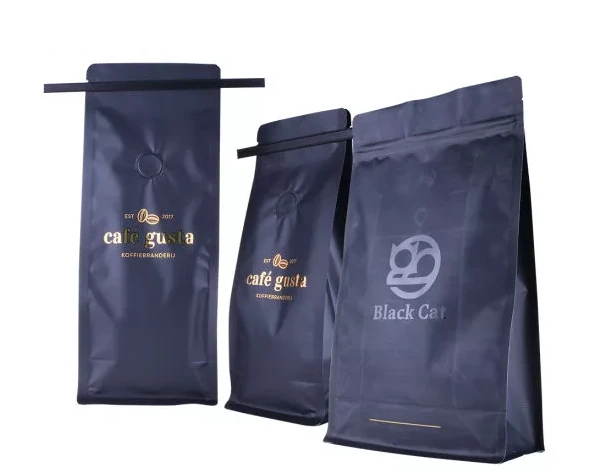
When you want to keep coffee fresh, airtight resealable zippers usually outperform tin ties. Packaging plays a major role in how long your coffee beans stay flavorful. Scientific research shows that impermeable, high-barrier packaging helps prevent early chemical changes in coffee, protecting quality and taste for longer periods. BN Pack specializes in sustainable, customizable packaging solutions that help you maintain freshness and stand out on the shelf. Think about how you use coffee at home or for your brand before picking the right closure.
Key Takeaways
Zipper closures provide a stronger airtight seal than tin ties, keeping coffee fresh longer by blocking air and moisture effectively.
Zippers offer easy and reliable resealing, making them ideal for frequent use and long-term storage, while tin ties suit short-term use and quick consumption.
Tin ties are cost-effective and give a classic, hands-on feel, perfect for small batches or customers who prefer simple packaging.
Both closures now come in eco-friendly materials, but zippers often support better sustainability with recyclable and compostable options.
Choose the closure that fits your coffee use, budget, and brand image: zippers for premium freshness and convenience, tin ties for simplicity and lower cost.
Comparison
Airtightness
When you want to keep coffee fresh, airtightness matters most. Zippers create a strong seal by pressing interlocking tracks together. Packaging industry tests show that zippers maintain this airtight seal even after you open and close the bag many times. This helps block out air and moisture, which can spoil coffee. Tin ties, on the other hand, do not provide the same level of airtightness. You close them by folding and pressing the tie, but small gaps can let air in. As a result, zippers have become more popular, especially with new packaging designs like box bottom bags and tab zippers that offer even better protection.
Tip: If you want to keep your coffee beans fresh for a longer time, choose packaging with a zipper closure for the best airtightness.
Resealability
You probably open your coffee bag more than once. Resealability helps keep each cup tasting fresh. Zippers stand out for their easy open-and-close design. You simply press the zipper tracks together, and the bag seals tightly. This makes zippers perfect for products you use often, like snacks or coffee. They also resist leaks and keep out oxygen and moisture.
Zippers:
Easy to open and close with plastic tracks.
Provide a secure, airtight seal.
Some types include tamper-evident features.
Allow repeated resealing without losing strength.
Slider zippers add extra convenience and safety.
Tin ties:
Used mainly for coffee, flour, tea, and other dry goods.
You reseal the bag by rolling it down and folding the tie.
They help prevent contamination and keep out moisture and odors.
The closure is simple and effective for short-term storage.
While both options let you reseal your coffee, zippers offer a more reliable and secure seal every time you close the bag.
Freshness
Freshness is the reason you care about airtightness and resealability. Coffee loses flavor when exposed to air, moisture, or odors. Zippers help lock in freshness by creating a barrier that keeps out unwanted elements. This is why many premium coffee brands use zipper closures. Tin ties work well for short-term storage or when you finish coffee quickly. However, they do not protect against air and moisture as well as zippers.
Coffee packaging trends now focus on sustainability, user-friendliness, and new materials. Many brands use paper-based pouches with zipper closures. These bags are lightweight, flexible, and reduce material use. You can see this trend in new products like sustainable drip bags and recyclable mono-material pouches.
Here is how consumer preferences for coffee packaging closures vary by region and market segment:
Region/Market Segment | Consumer Preferences for Coffee Packaging Closures |
|---|---|
North America | High demand for sustainable, premium, and convenient closures; preference for resealable stand-up pouches made with eco-friendly materials; emphasis on recyclable, biodegradable, and compostable closures; premiumization and high-barrier pouches to maintain freshness |
Europe | Similar to North America with strong emphasis on sustainability; preference for resealable and eco-friendly closures; driven by stringent regulations and consumer environmental awareness |
Asia-Pacific | Fastest growth region; preference for convenient, single-serve packaging formats; growing interest in sustainable paper-based pouches; rapid adoption of convenient and eco-friendly closures driven by rising disposable incomes and coffee consumption |
Coffee Powder Segment | Preference for flexible pouches with resealable closures to maintain freshness and convenience; compatibility with single-serve and bulk packaging formats |
General Trends Across Regions | Innovations such as resealable zippers, smart packaging features (e.g., QR codes), and enhanced barrier properties are important but vary in adoption based on local consumer awareness and regulations |
You can see that freshness, convenience, and sustainability drive packaging choices around the world. Zippers meet these needs by offering strong protection and easy use, while tin ties remain a simple option for certain products.
Tin ties
How They Work
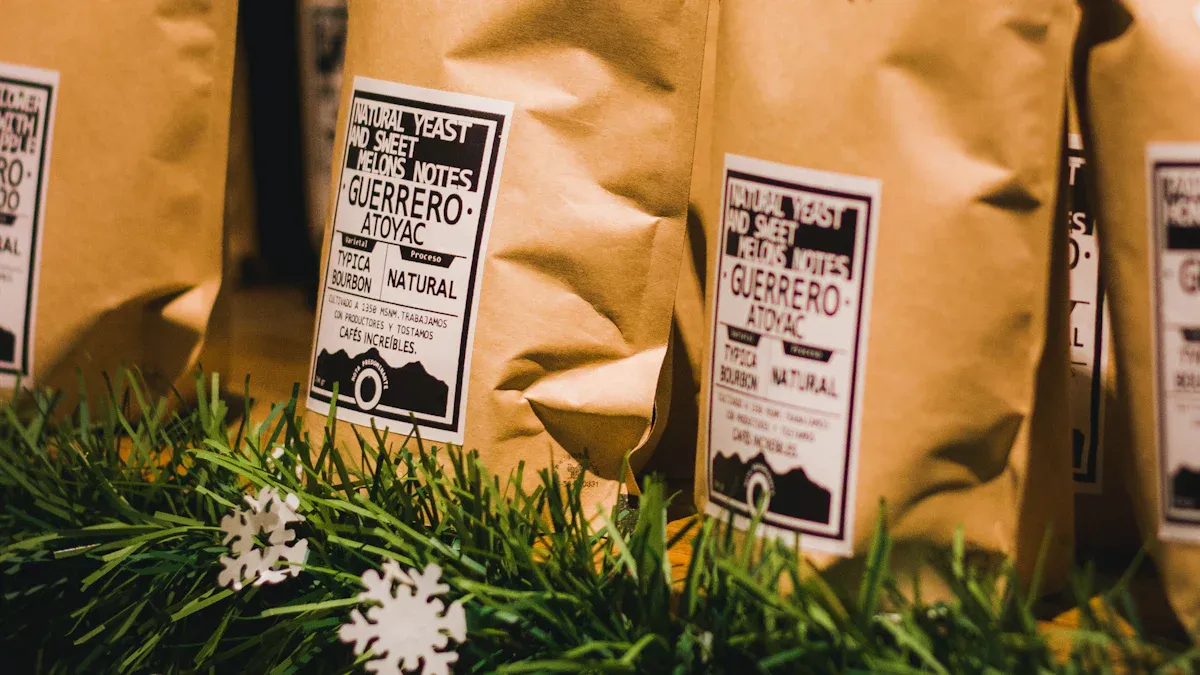
Tin ties use a simple but effective mechanism to help you keep your coffee fresh. You will find a thin, flexible metal strip—often tin-plated steel—attached to the top of the coffee bag. After you open the bag, you fold down the opening and bend the tin tie over the fold. This action creates a tight, physical seal that helps block out air and moisture. The metal strip bends easily and holds its shape, so you can reseal the bag many times without losing effectiveness. When you compress the bag before sealing, you push out extra air, which slows down oxidation and helps preserve the coffee’s aroma and flavor. Many users find this method easy and convenient for daily use.
Tin ties form a physical airtight layer by folding and pressing the strip.
The resealable design allows you to open and close the bag multiple times.
This closure helps retain carbon dioxide and aromatic compounds inside the bag.
The lightweight design reduces the carbon footprint compared to some plastic closures.
Pros and Cons
You will notice several advantages when you use tin ties for coffee packaging:
Easy to open and reseal, making them user-friendly.
Durable and less likely to wear out quickly.
Cost-effective for both brands and consumers.
Customizable with different colors and logos for branding.
Often recyclable and use less plastic, supporting eco-friendly goals.
However, tin ties have some limitations:
They may not provide a fully airtight seal, so air and moisture can still enter over time.
Moisture protection is lower than with hermetically sealed bags.
Repeated use can reduce the strength of the seal.
Note: Tin ties work best for short-term storage and everyday convenience, rather than long-term preservation.
Best Uses
You will often see tin ties on side-fold pouches, quad-seal bags, and flat-bottom coffee bags. These closures are especially popular for smaller packages where you want quick access and easy resealing. Industry professionals recommend tin ties for situations where you need a simple, effective way to keep coffee fresh after opening. They are a great choice for home use, small-batch roasters, and retail settings where customers value convenience and freshness.
Zippers
How They Work
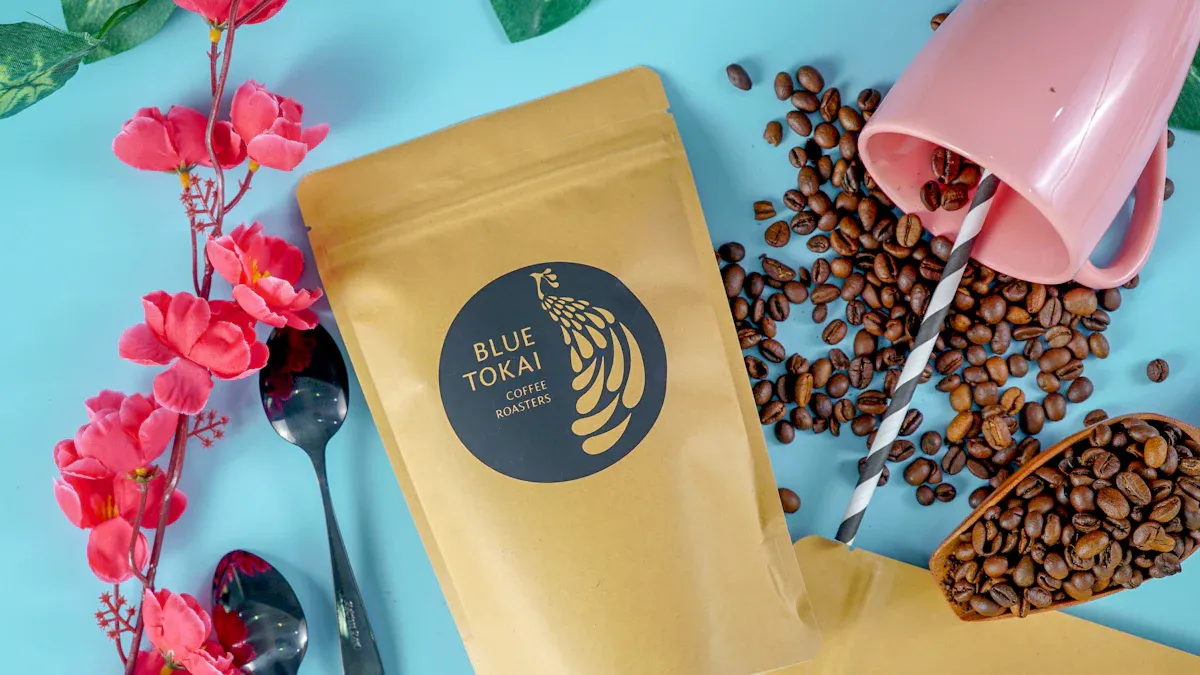
Zippers on coffee bags give you a simple way to keep your coffee fresh after every use. When you press the zipper tracks together, you create a tight seal that blocks out air and moisture. This seal helps prevent your coffee from losing its flavor and aroma. Most zipper pouches use high-barrier films that protect against oxygen, light, and odors. Some bags also include a one-way degassing valve. This valve lets carbon dioxide escape from freshly roasted beans but stops oxygen from getting in. You can open and close the bag many times without losing the airtight seal. This technology appears in many pouch styles, such as stand-up pouches, flat bottom pouches, and Doypacks. You get both convenience and strong protection for your coffee.
Tip: Always press along the entire zipper track to make sure the bag is fully sealed. This keeps your coffee fresher for longer.
Pros and Cons
Zipper closures offer several advantages for coffee packaging:
You can reseal the bag easily after each use.
The airtight seal helps preserve freshness and flavor.
Zippers work well with high-barrier packaging films.
You get added convenience for daily use.
Many zipper bags include degassing valves for extra freshness.
A few things to consider:
Zipper bags may cost a bit more than basic closures.
You need to seal the zipper carefully each time for best results.
Best Uses
Zippers shine when you want to keep coffee fresh between uses. They work best for products that need repeated access and long-lasting flavor. You often see zipper closures on these packaging types:
Packaging Type | Key Features and Closure Options | Suitable Coffee Products and Benefits |
|---|---|---|
Resealable zippers, rigid base | Great for whole beans and ground coffee that need freshness and easy access | |
Flexible, zipper closure, one-way valve | Popular for specialty coffee and retail display, offering convenience | |
Doypacks | Zipper closure, stands upright | Ideal for consumer use, easy to reseal, fits many coffee types |
Choose zipper closures if you want to enjoy fresh coffee every time you open the bag. This option works well for both home brewers and coffee brands that value quality and convenience.
Cost and Convenience
Price
When you choose coffee packaging, price often plays a big role. Zipper closures usually cost more than tin ties. This happens because zippers require extra materials and more complex manufacturing. If you run a small coffee business or want to keep costs low, tin ties offer a budget-friendly option. You can find them on many standard coffee bags. They work well for short-term storage and smaller batches.
Here is a simple comparison:
Closure Type | Average Cost per Bag | Best For |
|---|---|---|
Tin ties | Lower | Small batches, retail |
Zippers | Higher | Premium, long-term use |
Tip: If you want to balance cost and freshness, consider your sales volume and how quickly your customers use the coffee.
User Experience
You want packaging that feels easy and reliable every time you open it. Zipper closures give you a smooth, secure seal with just a press along the track. You can open and close the bag many times without losing freshness. This makes zippers a favorite for people who value convenience and want to keep coffee fresh for weeks.
Tin ties offer a simple way to reseal your bag. You fold the top and bend the tie over. This method works well if you finish your coffee quickly or enjoy a hands-on approach. Many customers like the classic look and tactile feel of tin ties. You may find them easier to use for small bags or when you want to avoid plastic.
Zippers: Quick, airtight, and user-friendly.
Tin ties: Simple, classic, and cost-effective.
Remember: Your choice affects both your daily routine and your coffee’s shelf life. Pick the closure that matches your habits and your brand’s image.
Sustainability
Eco-Friendly Options
You have many choices when you want eco-friendly coffee packaging. Both tin tie and zipper bags now come in sustainable materials. These options help you reduce your environmental impact while keeping your coffee fresh. Many brands use compostable films, kraft paper, and plant-based plastics. These materials break down naturally and leave no toxic residue. You can also find packaging made from post-consumer recycled content, which supports a circular economy.
Here is a quick look at sustainable coffee bag options:
Feature | Details |
|---|---|
Materials | Compostable kraft paper, PLA bioplastic, post-consumer recycled materials |
Bag Types | Stand-up pouch, flat bottom bag, side gusset bag |
Properties | 100% compostable, biodegradable, food safe, moisture-proof, smell proof |
Certifications | DIN, BRC, ISO, FSC |
Source of Materials | Renewable resources (cornstarch, cassava, sugarcane) |
Sealing | Heat sealable, compostable zipper and valve available |
Environmental Benefit | Made from renewable plant-based materials, compostable without residue |
BN Pack leads the way in sustainable packaging. You can choose biodegradable, compostable, or recyclable coffee bags that meet strict global standards. BN Pack’s kraft paper is FSC-certified, so you know it comes from responsibly managed forests. The company’s packaging also meets FDA and ISO requirements for food safety.
Tip: Choosing certified compostable or recyclable bags helps you support a cleaner planet and meet customer demand for green products.
Reusability
You can reuse many coffee bags, especially those with zipper closures. Zipper bags let you open and close them many times without losing their seal. This feature helps you reduce waste and get more value from each package. Some brands design their bags for secondary uses, such as storing snacks or dry goods after the coffee is gone.
BN Pack’s commitment to sustainability goes beyond materials. The company holds certifications for biodegradable, compostable, and recyclable packaging. These include:
OK COMPOST HOME and ASTM D6400 for compostable bags
USDA BioPreferred for plant-based materials
ISO and FDA for food-grade safety
FSC for sustainable paper sourcing
BN Pack serves customers in over 100 countries. The company complies with international regulations like the EU’s Single-Use Plastics Directive and California’s SB-54. You benefit from fast delivery, regional production hubs, and packaging that meets local recycling and composting standards. BN Pack’s innovations, such as compostable valves and QR codes for composting info, help you stay ahead in sustainability.
By choosing reusable and certified eco-friendly packaging, you help protect the environment and show your customers you care about the future.
Summary Table
Key Differences
You want to choose the best closure for your coffee packaging. Understanding the main differences between tin ties and zippers helps you make the right decision for your needs. The table below highlights how each closure performs in important areas like cost, freshness, sustainability, and user experience.
Aspect | Tin Ties | Zippers |
|---|---|---|
Cost per unit | 2 to 4 cents | 4 to 8 cents; premium types 10+ cents |
Brand Image | Artisanal, nostalgic, heritage | Modern, premium, reliable |
Freshness Preservation | Basic reseal; slows oxygen/moisture ingress but less effective | Robust seal; reduces oxygen/moisture ingress better |
Appear natural but less recyclable due to wire core and glue | Evolving recyclable/compostable materials; better lifecycle impact | |
Resealability | Adequate for quick turnover (cafes, wholesale) | Superior for retail, long-term use, e-commerce |
Business Suitability | Cost-effective for wholesale, quick consumption | Preferred for retail, DTC, subscription, premium market |
User Experience | Fold-and-tuck, nostalgic ritual | Smooth track-and-click, engineered precision |
Note: Both closure types use high-barrier materials and one-way degassing valves to keep coffee fresh. You get convenience and reusability with each option, but zippers offer a stronger seal for long-term storage.
You might prefer tin ties if you value a classic look and want a cost-effective solution for quick turnover. Zippers work best when you need a modern, premium feel and want to maximize freshness for longer periods. Both closures support multi-layer barrier bags that block air and moisture, helping your coffee stay fresh from the first cup to the last.
Tin ties give you a nostalgic, hands-on experience.
Zippers provide a smooth, reliable seal every time.
Choose the closure that matches your brand’s image and your customers’ expectations.
Choosing the Right Closure
Small-Batch vs. Long-Term
When you choose coffee packaging, you need to think about how you plan to use or sell your coffee. Small-batch packaging works best for limited runs, seasonal blends, or sample sizes. You might want to keep costs low and use simple closures like tin ties. These closures make it easy for you to open and reseal the bag, which helps maintain freshness for a short time. Tin ties also give your packaging a classic look that many customers enjoy.
For long-term storage or larger retail sales, you need packaging that keeps coffee fresh for weeks or even months. Zipper closures give you a strong, airtight seal that protects against air, moisture, and light. This helps preserve the flavor and aroma of your coffee for a longer period. Zippers also add convenience, letting you reseal the bag many times without losing the seal’s strength.
You should also consider the cost-benefit balance. Resealable features like tin ties and zippers may increase packaging costs, but they improve customer satisfaction and encourage repeat purchases. For small batches, you might focus on cost and ease of use. For long-term storage, you should prioritize durability and freshness.
Packaging size matters too. Smaller packs work well for samples or small-batch sales. Larger, high-barrier bags with zippers suit bulk sales and long-term storage. Material durability also plays a role, especially if you ship your coffee or display it on store shelves.
Packaging experts agree that zippers give you the best seal for preserving coffee freshness, especially for larger volumes and repeated use. Airtightness and resealability slow down oxidation, keeping your coffee’s aroma and flavor longer. BN Pack supports you with eco-friendly materials, custom designs, and advanced resealable options.
For small batches or quick use, tin ties offer a simple, cost-effective choice. For long-term freshness and frequent opening, choose zippers. BN Pack helps you match the right closure to your needs and sustainability goals.
FAQ
How do I know if my coffee bag is sealed properly?
You should press along the entire zipper track or fold the tin tie tightly. Check for gaps or loose spots. If you feel resistance when pressing, the seal works. A properly sealed bag keeps air and moisture out.
Can I recycle coffee bags with tin ties or zippers?
Many coffee bags use recyclable or compostable materials. You should check the recycling symbols or instructions on the packaging. BN Pack offers eco-friendly options that meet global recycling and composting standards.
Which closure is better for travel or on-the-go use?
Zipper closures work best for travel. You get a secure, airtight seal that prevents spills and keeps coffee fresh. Tin ties offer convenience but may not protect as well during movement.
Do resealable closures affect the taste of coffee?
Resealable closures like zippers and tin ties help preserve flavor by blocking air and moisture. You keep your coffee tasting fresh longer when you use a strong, airtight seal.