
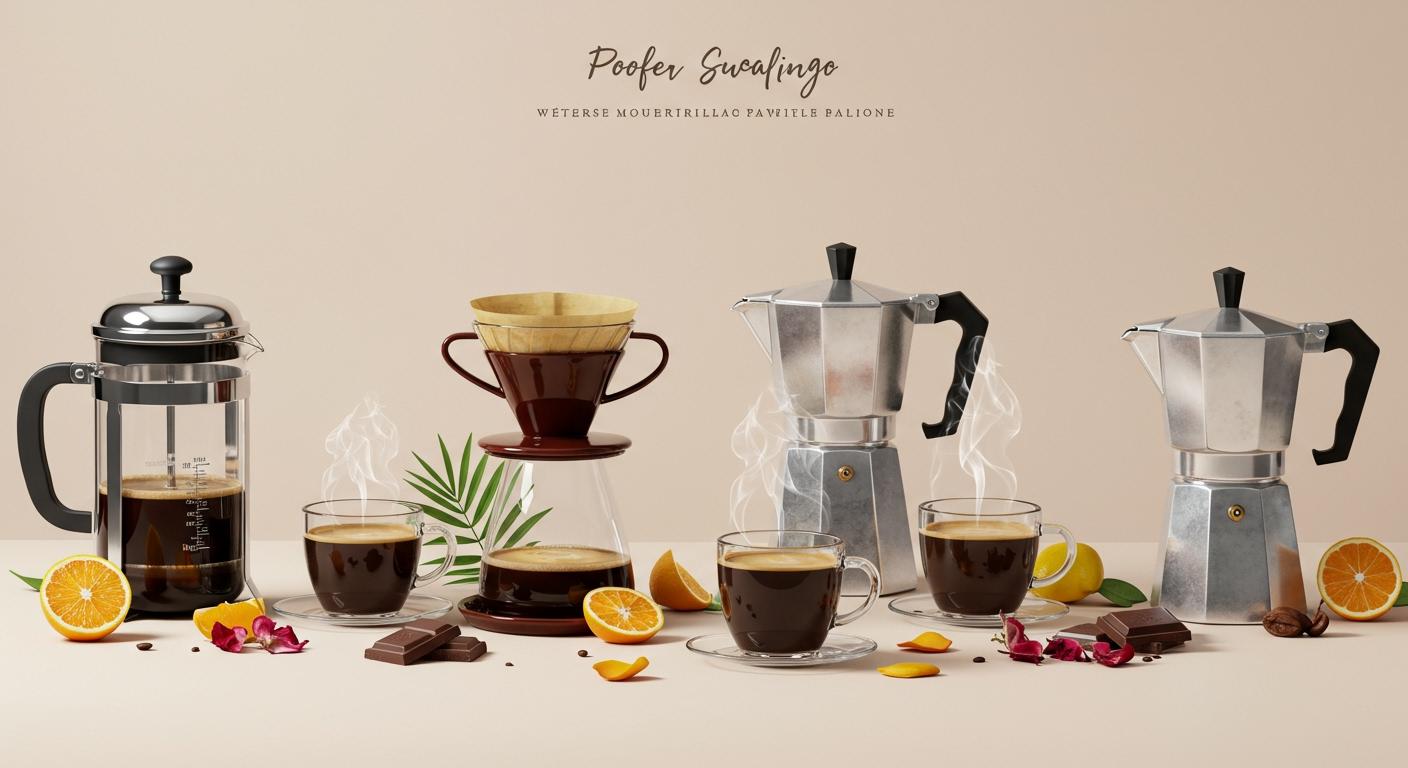
Did you know that the way you brew your coffee changes its flavor in a big way? Extraction, water temperature, and grind size all play important roles. Scientific studies show that different Coffee Brewing Methods can bring out unique aromas and tastes by changing how compounds dissolve. Even factors like altitude and the chemical makeup of beans affect the final cup. If you want to brew better coffee and keep it fresh, try experimenting with both your brewing style and packaging, like BN PACK coffee bags.
Coffee Brewing Methods
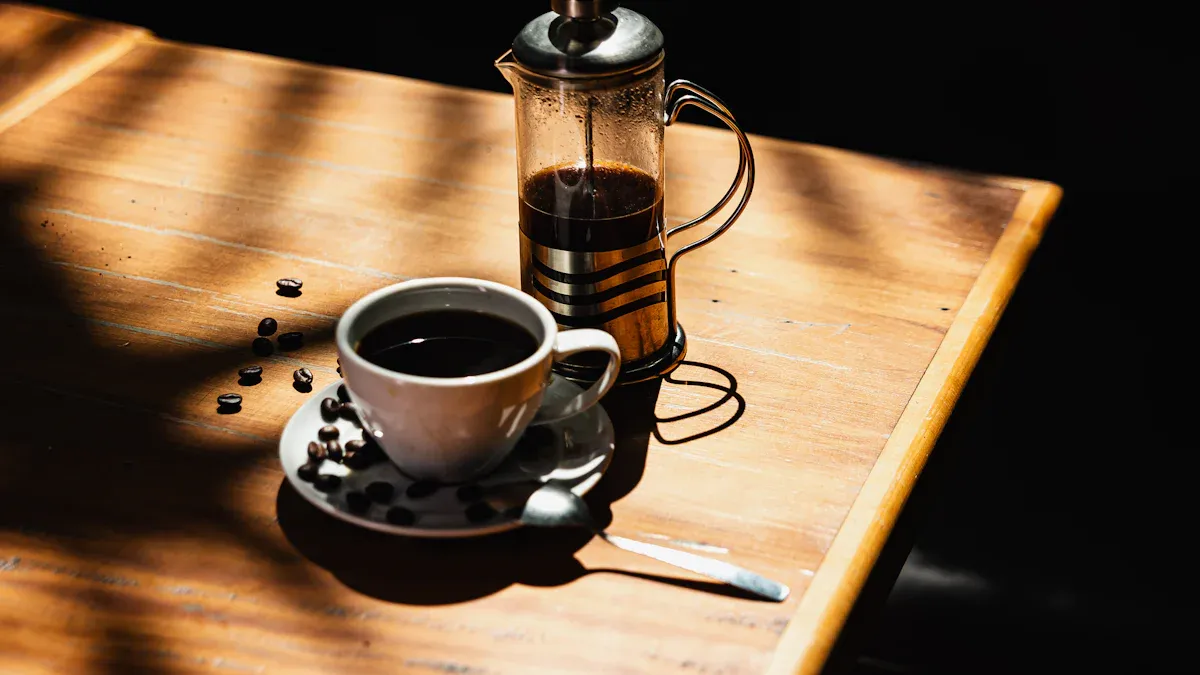
You have many choices when it comes to coffee brewing methods. Each one brings out different flavors and aromas in your cup. Let’s look at the most popular brewing methods and see how they shape your coffee experience.
Pour Over
Pour over is a favorite for many coffee lovers. You pour hot water over ground coffee in a filter. This method gives you control over water flow and temperature. The result is a clean cup with bright, light flavors. The filter traps many oils, so you taste more of the coffee’s natural notes. If you enjoy floral or fruity coffees, pour over is a great choice.
Immersion
Immersion brewing, like using a French press, means you steep coffee grounds in hot water for several minutes. This longer contact time pulls out more oils and compounds. You get a fuller body and a richer, bolder flavor. Many people love immersion brewing methods for their deep, smooth taste.
Espresso
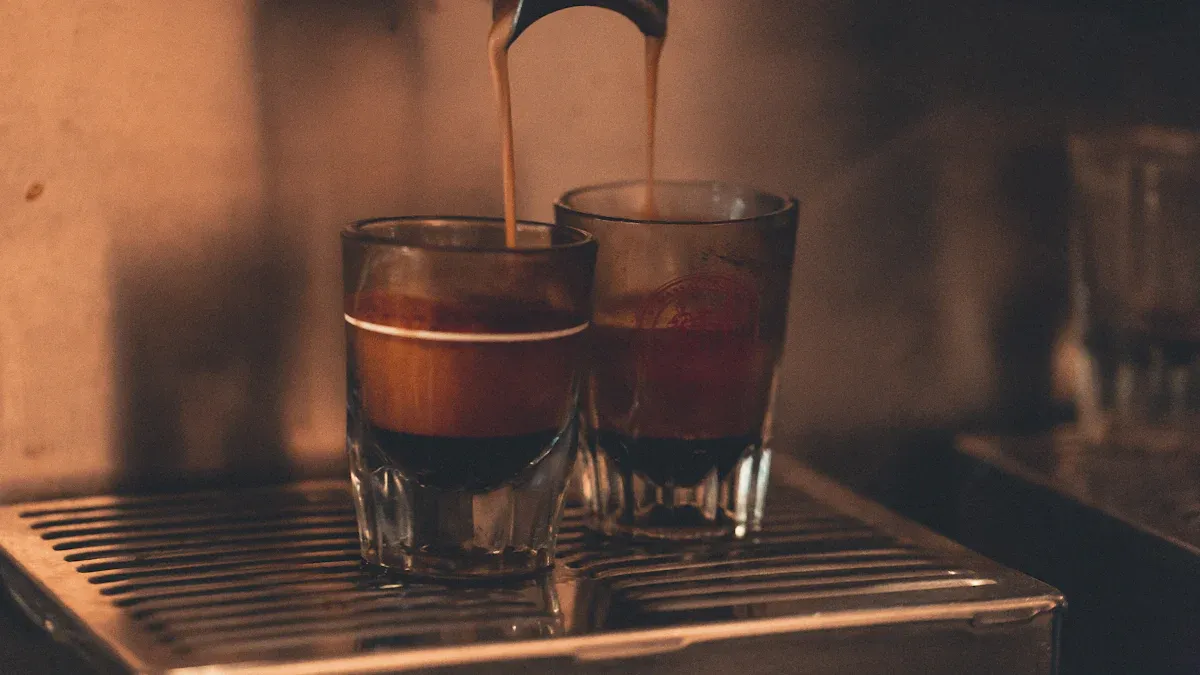
Espresso uses high pressure to force hot water through finely ground coffee. This process is quick and intense. You get a small, concentrated shot with a strong flavor and thick crema on top. Espresso stands out from other brewing methods because of its bold taste and creamy texture.
Drip
Drip brewing is common in homes and offices. You add water to a machine, which drips it over coffee grounds. This method is easy and consistent. The flavor is balanced, but you have less control over the process. Drip brewing methods give you a reliable cup, though sometimes with less complexity.
Tip: No matter which coffee brewing methods you use, keeping your coffee fresh matters. BN PACK coffee bags help lock in flavor and aroma after brewing. Their airtight seals and one-way valves keep your coffee tasting great for longer.
Packaging Method | Key Features | Effectiveness in Flavor Preservation |
|---|---|---|
BN PACK Coffee Bag | Airtight seals, one-way valves, nitrogen-flushed options | Maintains freshness and flavor effectively |
Vacuum-Sealed Bags | Removes air to create a vacuum, protecting from oxygen and moisture | Significantly extends shelf life |
One-Way Valve Bags | Allows gases to escape while preventing air from entering | Maintains aroma and flavor for fresh coffee |
Nitrogen-Flushed Bags | Replaces oxygen with nitrogen to prevent oxidation | Protects from moisture, air, and light, maintaining flavor |
Trying different brewing methods lets you discover new flavors in your coffee. Pair your favorite method with the right packaging, like BN PACK coffee bags, to enjoy the best taste every time.
Coffee Extraction and Flavor
Extraction Process
When you brew coffee, you start a process called coffee extraction. This is where hot water pulls flavors, aromas, and compounds from the ground coffee. The way you brew changes how much and what kind of flavors end up in your cup. You might notice that pour-over, French press, and espresso all taste different. That’s because each method changes the coffee extraction process.
Coffee extraction is a solid-liquid process. Water moves through the coffee grounds and dissolves compounds like acids, sugars, and oils. The structure of the coffee bean changes as water enters, which affects how easily flavors come out. Roasting also plays a big role. It creates new compounds and breaks down acids, which changes the final taste.
Here’s a quick look at what happens during coffee extraction:
Aspect | Description |
|---|---|
Extraction Process | Water dissolves flavors from coffee grounds. |
Brewing Parameters | Time, temperature, pressure, and ratio all matter. |
Chemical Transformations | Roasting and brewing change the compounds in coffee. |
Different brewing methods change the extraction yield. For example, espresso uses high pressure and fine grounds for fast coffee extraction, while French press uses coarse grounds and longer steeping. Uniform extraction helps you get more of the good flavors and less bitterness or sourness. Finer grounds extract faster because they have more surface area. Coarser grounds take longer, which can lead to under-extraction if you don’t steep long enough.
Factors Affecting Flavor
You control many factors that shape the flavor of your coffee. Let’s break down the most important ones:
Water Temperature: The right water temperature helps you get the best flavors. For light roasts, use water between 195°F and 200°F. Medium roasts do well at 200°F to 205°F. Dark roasts need 205°F to 210°F. If your water is too hot, you get bitterness. If it’s too cold, your coffee tastes weak.
Brewing Temperature: This is the temperature of the water during brewing. Keeping it in the ideal range (195°F to 205°F) helps you reach optimal extraction. Too high or too low can ruin the flavor.
Grind Size: Coarse grinds work for French press and slow extraction. Fine grinds are best for espresso and quick extraction. If your grind is too fine, you get bitterness. If it’s too coarse, your coffee tastes sour.
Brew Ratio: This is how much coffee you use compared to water. A higher ratio gives you a stronger cup. A lower ratio makes it lighter. The brew ratio affects total dissolved solids (TDS), which changes the taste.
Extraction Time: Longer extraction pulls out more flavors, but can lead to bitterness. Shorter extraction keeps things light, but may leave your coffee sour.
Tip: If your coffee tastes sour, try a finer grind or a longer brew time. If it’s bitter, use a coarser grind or shorten the extraction time.
Water quality also matters. Minerals like calcium and magnesium affect mouthfeel and extraction. Too much hardness makes coffee bitter. Too little makes it thin. Alkalinity controls acidity. Chlorine and chloramine add bitterness, so filtered water is best.
Here’s a table showing how water components change your coffee:
Water Component | Impact on Coffee |
|---|---|
Hardness (Calcium + Magnesium) | Affects extraction and mouthfeel; too much leads to bitterness, too little results in thin brews. |
Alkalinity | Controls acidity; high alkalinity flattens flavor, low makes coffee sour. |
TDS | Low TDS means weak extraction, high TDS makes coffee muddy. |
Chlorine/Chloramine | Adds bitterness, dulls sweetness. |
Coffee professionals say you should balance all these factors for optimal extraction. Adjust grind size, brew ratio, and brewing temperature to get the flavor you want. If you experiment, you’ll find your perfect cup.
Role of Packaging (BN PACK Coffee Bag)
After you brew your coffee, you want to keep those flavors fresh. That’s where packaging comes in. BN PACK coffee bags help you preserve the taste and aroma of your coffee. These bags use airtight seals and one-way valves to keep oxygen and moisture out. This means your coffee extraction results stay fresh longer.
BN PACK coffee bags come in different styles and sizes. You can choose stand-up pouches, flat-bottom bags, or side gusset bags. The materials are high-barrier, so they block light and air. Some bags have degassing valves, which let gases escape without letting air in. This keeps your coffee from going stale.
If you care about sustainability, BN PACK offers eco-friendly options. You can pick recyclable or compostable materials. The design also helps your brand stand out, with custom printing and finishes.
Note: Using BN PACK coffee bags after brewing helps you lock in the results of your coffee extraction. You get fresh, flavorful coffee every time.
Coffee extraction doesn’t stop at brewing. How you store your coffee matters just as much. With the right packaging, you protect your hard work and enjoy every cup at its best.
How Brewing Methods Affect Flavor
Comparing Flavor Profiles
When you try different brewing methods, you notice how each one brings out a unique coffee flavor and profile. Let’s break down what you can expect from each style:
Pour over coffee gives you a lighter body and a crisp, clear profile. You taste bright acidity and delicate notes, which makes this method perfect if you love a clean cup with a refined flavor.
Immersion brewing, like French press, creates a full, rounded profile with a heavy body. You get more oils and sediment, which leads to a bolder, more intense coffee flavor. This method suits darker roasts and anyone who enjoys a rich, robust taste.
Espresso stands out for its concentrated, intense coffee flavor. The high pressure and fine grind produce a thick crema and a strong, aromatic profile. You taste deep chocolate, nutty, or caramel notes, depending on the beans.
Drip coffee offers a balanced profile. It sits between pour over and immersion, giving you a medium body and a smooth, approachable taste. You get a reliable cup that highlights both acidity and sweetness.
You might wonder how these differences affect the taste. Pour over coffee feels lighter and less dense, while immersion methods deliver a more robust mouthfeel. Espresso packs a punch with its concentrated flavor, and drip coffee gives you a familiar, comforting taste.
Here’s a quick look at how people around the world prefer their coffee flavor:
Market Region | Preferred Flavor Profile |
|---|---|
Northern Europe | Lighter roasts, higher acidity |
Southern Europe | Darker, roast-dominant profiles |
Asian Markets | Sensitivity to subtle floral notes |
North America | Strong preference for chocolate and nutty characteristics |
No matter where you live, the brewing method you choose affects the taste and profile of your coffee. You can experiment to find the one that matches your favorite flavor.
Choosing Your Preferred Method
Picking the right brewing method depends on what you want from your coffee experience. Ask yourself a few questions: Do you like a bright, crisp taste or a deep, bold flavor? Do you want to brew a single cup or a whole pot? How much control do you want over the process?
Here’s a table to help you decide:
Factor | Description |
|---|---|
Convenience and Time | Some methods are quick, like espresso, while others, like immersion, take longer. |
Flavor Profiles | Each method brings out different notes and body in the coffee flavor. |
Quantity and Serving Size | Pour over and espresso are great for single servings. Drip and immersion work well for larger batches. |
Desired Control Level | Pour over gives you the most control. Drip machines are more automated and convenient. |
You should also think about your budget and how durable you want your equipment to be. Some brewers cost more but last longer. Others are affordable and easy to use.
Don’t forget about the beans. Dark roasts are easier to extract and work well with immersion or drip. Light roasts shine in pour over or espresso, where you can highlight their acidity and floral notes. Adjust your grind size and water temperature to match the roast and method. For dark roasts, use a coarser grind and lower temperature. For light roasts, go finer and hotter.
Once you brew your perfect cup of coffee, you want to keep it fresh. That’s where BN PACK coffee bags come in. These bags have one-way degassing valves that let carbon dioxide out but keep oxygen from getting in. The high barrier materials protect your coffee from moisture, light, and air. This means your coffee flavor and aroma stay locked in, so every cup tastes as good as the first.
Practical Tips for Home Brewing
You can make every cup taste better with a few simple steps. Here are some expert tips to help you get the most out of your coffee flavor and profile:
Always use high-quality, freshly roasted beans. Freshness affects the taste more than you might think.
Grind your beans just before brewing. A consistent grind size helps you control extraction and flavor.
Use filtered water and keep the temperature between 195°F and 205°F. This range brings out the best in your coffee flavor.
Measure your coffee and water with a scale. Accurate ratios lead to a balanced taste and profile.
Clean your equipment regularly. Old coffee oils can affect flavor and make your brew taste stale.
Store your beans in BN PACK coffee bags. These bags keep out oxygen, moisture, and light, so your coffee flavor stays fresh and vibrant.
Watch out for common mistakes that can ruin your coffee flavor:
Skipping the scale and guessing measurements.
Using an inconsistent grind size.
Brewing with stale or poorly stored beans.
Using tap water instead of filtered.
Letting your water get too cold or too hot.
Pouring coffee into a cold cup, which affects the taste.
Drinking from the wrong kind of cup, which can change the aroma and profile.
Tip: Try different brewing methods and adjust your coffee-to-water ratio until you find the taste you love. Don’t be afraid to experiment—sometimes the best coffee flavor comes from a little trial and error.
Remember, the way you brew and store your coffee affects the taste and profile more than you might expect. With the right method and BN PACK coffee bags, you can enjoy an intense coffee flavor or a delicate, floral cup—whatever suits your mood. Every step, from brewing to packaging, helps you create the perfect cup of coffee at home.
You shape every cup of coffee with your brewing method and how you store it. If you want your coffee to stay fresh, pay attention to water quality and use airtight packaging like BN PACK coffee bags. Remember, coffee loses its aroma fast when exposed to air, light, or moisture.
Use airtight containers and store your coffee in a cool, dark place.
Grind just before brewing for the best flavor.
Focus on water quality and temperature for a smooth cup.
“Grind size and water pressure matter most for consistent coffee quality. Try different brewing styles and storage methods to find what you love.”
Experiment with your coffee routine. You might discover a new favorite way to enjoy a fresh cup every morning.