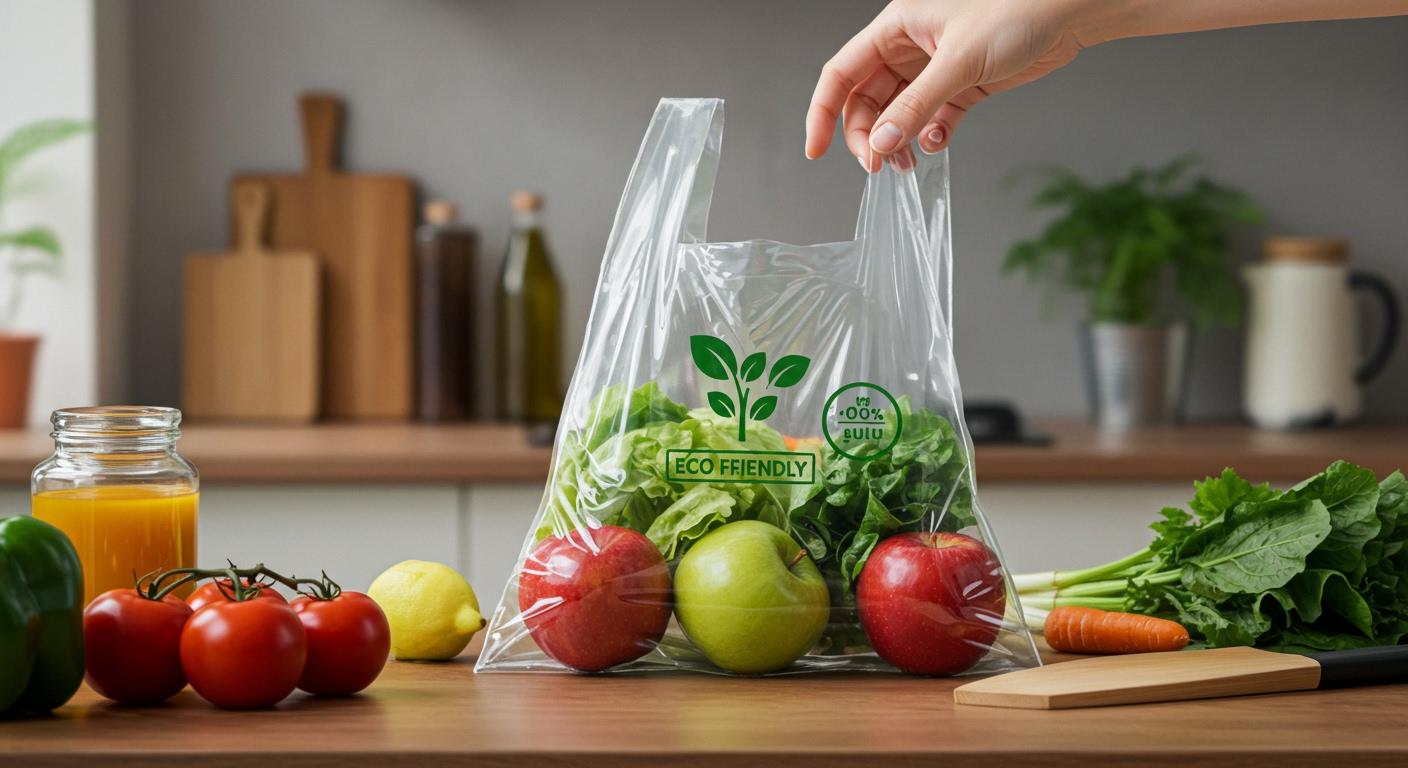
If you’re looking for safer ways to pack food, eco friendly poly bags such as HDPE, LDPE, and PP are a smart choice—they keep food safe and support your health. Compostable and plant-based eco friendly poly bags help protect the environment and promote responsible stewardship of nature. These eco friendly poly bags are ideal for direct food contact and help reduce waste. By choosing eco friendly poly bags, you’re supporting both food safety and the planet. Leading brands like BN PACK continue to innovate with new eco friendly poly bag solutions for a better world.
Eco Friendly Poly Bags
What Makes Poly Bags Eco-Friendly
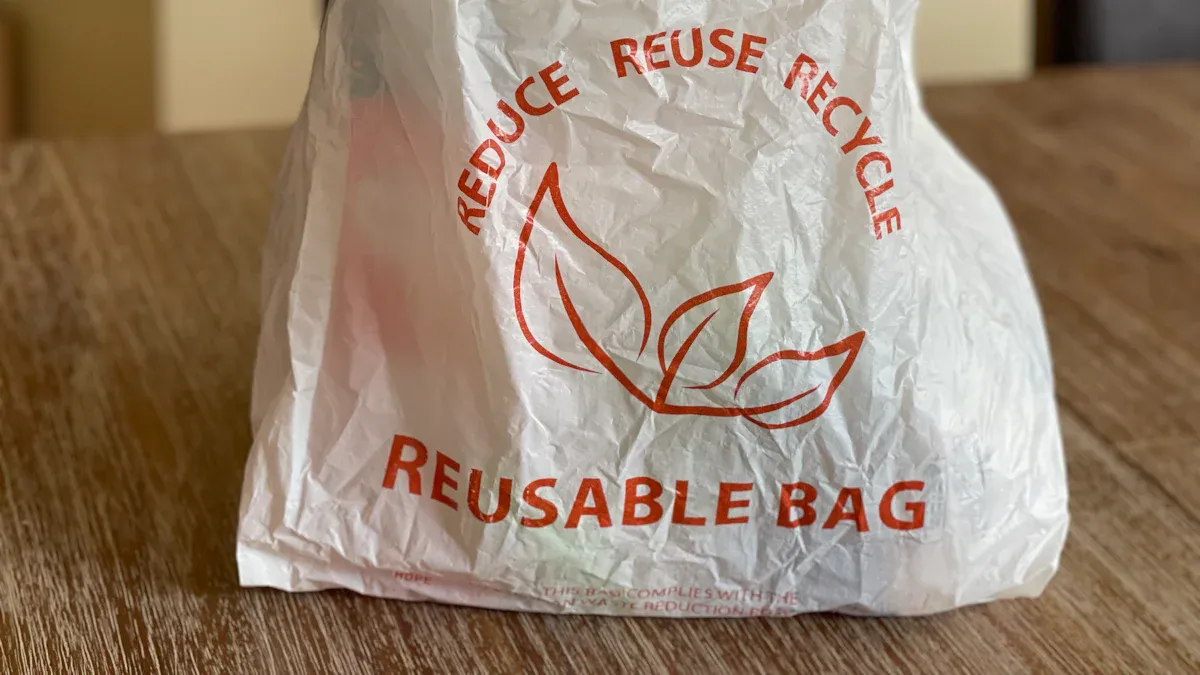
You may ask what makes eco-friendly poly bags different from regular plastic bags. Eco-friendly bags use materials that break down on their own and help the planet. Many of these bags are made from plants or can break down in nature. Some common materials are:
Plant-based polymer plastics
Biodegradable options
Cornstarch
PLA (Polylactic Acid)
Oxo-biodegradable plastics
Eco-friendly poly bags often use things that can be replaced, not oil-based plastics. These bags help the earth by making less trash and helping with recycling. Some bags use recycled stuff and can be recycled again, which helps keep resources in use.
Here is a table that shows what makes a poly bag eco-friendly:
Criteria | Description |
|---|---|
Compostability | Made from things that break down in compost. |
Sustainable Materials | Uses resources that can be replaced, not oil-based plastics. |
Lightweight and Durable | Strong but light, so shipping makes less waste. |
Versatility in Use | Good for many uses like food and online shopping. |
It is important to know that thin-film recycling is not easy in most places. Most home recycling does not take thin-film plastics, so fewer of these bags get recycled.
Food Safety Benefits
Eco-friendly poly bags have big benefits for food packaging. You want your food to stay fresh and safe, and these bags help with that. Bioplastics and regular plastics are about the same for toxicity, but the chemicals can be different. The raw materials are usually safer than the finished bags.
Eco-friendly bags keep your food safe from germs and protect it when you move it. Compostable and plant-based poly bags are made to touch food, so they are safe to use. Certified compostable materials might leave some leftovers, but they follow strict safety rules.
You can count on eco-friendly bags to keep food safe and help the planet. As more people learn about this, more companies use eco-friendly packaging to help you and the earth.
Biodegradable Poly Bags
PLA and Plant-Based Options
You can pick PLA and other plant-based choices for safe food packaging. PLA is made from cornstarch. It is good for clear containers and single-use things. The U.S. FDA and the European Food Safety Authority say PLA is safe for food in some cases. PLA and PHB break down fully in special composting places. These materials break down much faster than normal plastics.
Material Type | Biodegradation Rate | Conditions Required |
|---|---|---|
PLA/PHB | Fully Biodegradable | EN 13432 standard, 55–60 °C, ~60% water, oxygen present |
Conventional Plastics | Poor Biodegradability | Not suitable for composting |
Biodegradable plastics like PLA and PHB work better than regular plastics in composting. Sometimes, if they do not break down all the way, they can make microplastics. Microplastics can hurt the environment.
Starch-Based and PBAT Bags
Starch-based bags use starch from corn or potatoes. These bags are cheap and easy to get. They break down fast in compost, usually in 8 to 12 weeks. They help make soil better. PBAT is another biodegradable material. It is often mixed with starch to make bags stronger and bendy. Studies show PBAT makes more greenhouse gases than LDPE. But PBAT and starch bags are better for the climate than PE and bio-PE bags.
Study | Findings |
|---|---|
Schrijvers et al. (2014) | PBAT causes greater GHG emissions than LDPE. |
Saibuatrong et al. (2017) | PBAT/starch bags have least climate impact compared to PE and bio-PE. |
Choi et al. (2018) | PLA/PBAT pellets have higher global warming potential than LDPE pellets. |
Moutousidi and Kookos (2021) | Bio-based BDO reduces GWP by 53–83% vs. fossil-derived BDO. |
Kang et al. (2022) | Bio-based AA helps reduce fossil resource use and climate change impact. |
Other Biodegradable Materials
There are other biodegradable materials for food packaging. Polyhydroxyalkanoates (PHA) are made by tiny living things. They are good for films and cutlery. Starch-based polymers keep out oxygen well. They can be used as edible coatings for fruits and vegetables. These materials come from things like corn and sugarcane. They are strong, keep their shape, and are not very toxic.
Biodegradable aliphatic polyester
High mechanical strength
Easy processing
Good as edible coatings for foods that breathe a lot
Bioplastics and other biodegradable choices help you pick safer and greener ways to pack food.
Compostable Packaging for Food
Advantages of Compostable Bags
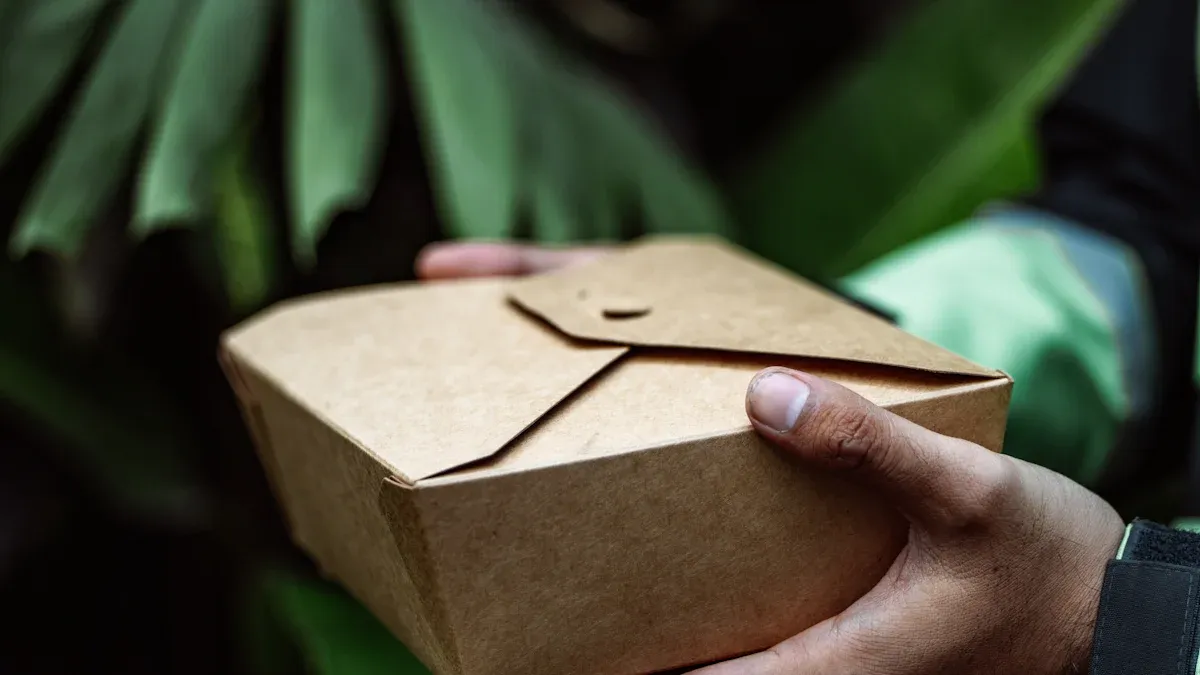
When you pick compostable packaging for food, you help the earth. Compostable bakery bags and compostable films use materials that break down fast. These bags are good for the planet because you can throw them away with food scraps. This means less trash goes to landfills. You also help stop plastic pollution and keep food waste out of landfills. Compostable bakery bags are made from plants, so they are safe for food and better for nature.
Compostable packaging uses plant-based materials that break down easily.
Compostable bakery bags and films break down in compost piles, so they do not cause pollution.
Choosing eco-friendly bags helps the planet by making less carbon.
Compostable packaging makes it easier to compost at home or at work.
Compostable bakery bags do not leak and many composting centers accept them.
Compostable films and bakery bags help fight plastic pollution and make recycling simple.
You can use compostable packaging for food and bakery goods. These bags are both recyclable and compostable, so you help cut down on waste and pollution.
Certifications and Standards
It is important to look for trusted certifications when you choose compostable packaging for food. These rules show that compostable bakery bags and films are safe and good for the environment. The table below lists some important certifications and what they mean for compostable materials:
Certification/Standard | Description |
|---|---|
BPI Certified | Meets ASTM D6400 and D6868 standards for compostability in commercial sites. |
TÜV Austria | Verifies compostability under EN 13432, no harmful leftovers. |
Compost Manufacturing Alliance | Checks ASTM standards with lab and field tests. |
DEBIO Certified | Norwegian standard for use in organic farming after composting. |
ASTM D6400 | Requires breakdown in 180 days, final product is non-toxic. |
CAN/BNQ 0017-088 | Canadian rule for compostable plastics and compost quality. |
EN 13432 | European rule for disintegration in 12 weeks, biodegradation in six months. |
Seedling logo | Shows industrial compostability under EN 13432, certified by TÜV Austria. |
When you pick compostable packaging with these certifications, you make a smart choice. Compostable bakery bags and films with these labels show they are safe for food and good for the planet. You help lower plastic pollution and make the world cleaner.
Comparing Eco-Friendly Poly Bags
Food Safety and Compliance
You want food packaging that keeps food safe and fresh. Eco-friendly bags must follow strict food safety rules. Top brands use certifications like HACCP, BRCGS, and FSSC 22000. These show their packaging is safe for food contact. Certifications help you trust your food packaging. They make sure it will not harm you.
Here is a table that shows how top brands make sure their eco-friendly poly bags follow food safety rules:
Certification | Benefits |
|---|---|
HACCP | Finds food risks, sets control points, checks safety steps, meets market needs |
BRCGS | Known worldwide, fewer complaints, saves money |
FAMI–QS | Cleaner, better tracking, stronger risk management |
SQF | Better process, known worldwide, more business chances |
AIB | Spots food hazards, keeps things healthy |
FSSC 22000 | Makes sure food products are good quality |
Not all eco-friendly poly bags have the same food safety. Biodegradable bags may not be safe for food unless tested. Compostable packaging can be safe if it meets certain standards. These include FDA guidelines or EU Regulation 10/2011. Regular poly bags are usually safe, but some may let bad things into food.
Bag Type | Food Safety Compliance | Certifications Required |
|---|---|---|
Biodegradable | Might not be safe for food unless tested; often not checked for food contact | Varies, not always needed |
Compostable | Can be safe if certified; must meet special rules for food contact | FDA guidelines, EU Regulation 10/2011 |
Conventional Poly | Usually safe, but depends on what it is made of; might let harmful things into food | Varies, often no special food safety standards |
BN PACK follows international safety rules and gets certifications. You can trust BN PACK’s eco-friendly bags for safe food packaging.
Biodegradability and Environmental Impact
Eco-friendly poly bags help you protect the planet. Compostable and biodegradable bags break down faster than regular plastics. Studies show bio-based polyethylene breaks down better than regular polyethylene in compost. Special germs and the right conditions help this happen faster.
Researchers found PBAT/PLA mulch films lost most of their surface after 56 days in compost. These materials can turn 90% of their carbon into CO2 in 180 days. This matches composting rules for these materials. You should pick eco-friendly bags that meet these rules to help the earth.
Standard tests, like the meshbag method, check how much bag is left after composting. These tests show how well eco-friendly poly bags break down in real life. Compostable packaging uses plant-based materials. These leave less waste and less pollution.
Tip: Using sustainable packaging can lower pollution. Recycled cardboard can cut carbon emissions by almost 40%. Biodegradable and compostable packaging has a much smaller impact at the end of its life.
Eco-friendly bags help you make better choices for food packaging and the planet.
Durability and Performance
You want food packaging that lasts and keeps food safe. Eco-friendly poly bags are made to be as strong as regular plastics. How long these bags last depends on the compostable materials used. Some compostable bags last as long as regular plastic bags. Others break down faster.
Here is a table that compares eco-friendly poly bags and conventional plastic bags:
Feature | Eco-Friendly Poly Bags | Conventional Plastic Bags |
|---|---|---|
Durability | Made to be as strong as regular plastics | Usually very strong |
Shelf Life | Depends on compostable materials | Often lasts a long time |
Environmental Impact | Better for the earth at the end of use | Does not break down, adds to pollution |
Eco-friendly bags keep food fresh and safe. Compostable packaging works well for bakery goods, snacks, and produce. You can pick packaging that is both strong and good for the earth.
BN PACK gives you eco-friendly poly bags that meet tough safety and strength rules. You get packaging you can trust that also helps the planet.
Choosing the Right Food Packaging
Assessing Your Needs
When you pick food packaging, think about keeping food safe. First, decide what food you want to pack. Some foods need protection from air or water. Other foods need packaging that stops them from getting squished. Good packaging keeps food fresh and stops it from spoiling.
Here is a table to show what matters when picking food packaging:
Factor | Description |
|---|---|
Material Selection | The right materials help food stay fresh and not spoil. |
Product Integrity | Strong packaging keeps food safe from germs and damage. |
Compliance with Regulations | Packaging must follow safety rules to keep you healthy. |
Consumer Experience | Easy packaging makes eating and storing food simple. |
You can use special packaging types too. Modified atmosphere packaging uses safe gases instead of air. This slows down bacteria. Vacuum packaging takes out air to stop food from going bad. Barrier packaging blocks oxygen and water, so food lasts longer.
Tips for Sustainable Choices
You can choose packaging that is safe and good for the earth. Try these steps to find the best eco-friendly food packaging:
Look at your current packaging and see if it works well.
Choose materials that fit your food and how you deliver it.
Work with suppliers who sell eco-friendly packaging.
Teach your team and customers how to use green packaging.
When you shop for packaging, check the brand and look for certifications. Certifications mean the packaging is safe and good for the planet. Trusted brands like BN PACK have certified eco-friendly choices and custom designs for your food.
Tip: Eco-friendly packaging makes your brand special. Many people want green packaging, so certified options help build trust.
You might have some problems, like new materials not working as well. Sometimes, costs are higher, and recycling is not easy everywhere. But government rules and people wanting green packaging help companies find better ways.
By thinking about what you need and picking certified, eco-friendly packaging, you help keep food, people, and the earth safe.
BN PACK and Real-World Success
Case Studies in Food Packaging
BN PACK is a leader in eco-friendly food packaging. The company works with big brands all over the world. Their packaging helps keep food fresh and safe. You can find BN PACK’s packaging in stores like Walmart and Spar. These stores trust BN PACK to protect food and care for the planet.
BN PACK uses new technology and checks quality carefully. Their packaging meets safety rules from around the world. It passes ISO tests and food safety checks. BN PACK also has recyclability certifications. This means your food is safe from germs and damage.
Here are some awards and certifications BN PACK has:
ISO certifications
Food-grade compliance
Recyclability certifications
SGS
TUV
FSC
BN PACK’s packaging helps cut down on waste. You see less plastic trash and more compostable bags. Their solutions make food packaging safer for you and better for the earth.
Expert Recommendations
Experts give advice on picking food packaging. They say you should look for strong certifications. BN PACK’s bags meet tough safety rules. You can see ISO, SGS, and TUV labels on their products. These show the packaging is safe for food.
Experts also say to pick packaging that helps the planet. BN PACK uses plant-based and compostable materials. When you choose these, you help nature. You also keep your food fresh and safe.
Here is a table that shows why experts trust BN PACK:
Reason | Benefit for You |
|---|---|
Global reach | Reliable supply for your needs |
Strong certifications | Safe food packaging |
Eco-friendly options | Supports sustainability |
Custom solutions | Fits your food perfectly |
Choosing BN PACK is a smart move for your food packaging. You keep food safe, help the earth, and support big brands.
You can pick safer food packaging by using eco friendly poly bags. These bags are made from compostable and plant-based materials. They help keep your food fresh and safe. Eco-friendly bags also support compostable packaging and help the planet. The table below shows how compostable packaging is good for food safety and the environment:
Aspect | Food Safety Benefit | Environmental Sustainability Benefit |
|---|---|---|
Biodegradability | Lowers the chance of harmful leftovers | Breaks down on its own, no microplastics |
Shelf Life Extension | Keeps food fresh longer | Helps stop food from being wasted |
Waste Management | Makes it easy to compost food scraps | Makes soil better for plants |
Renewable Resources | Uses materials that come from plants | Makes less harm to nature |
If you choose eco-friendly bags from trusted brands like BN PACK, you help cut down on plastic trash. You also lower carbon pollution and keep food safe. This helps your brand look better, attracts people who care about the earth, and follows the rules set by the government.