
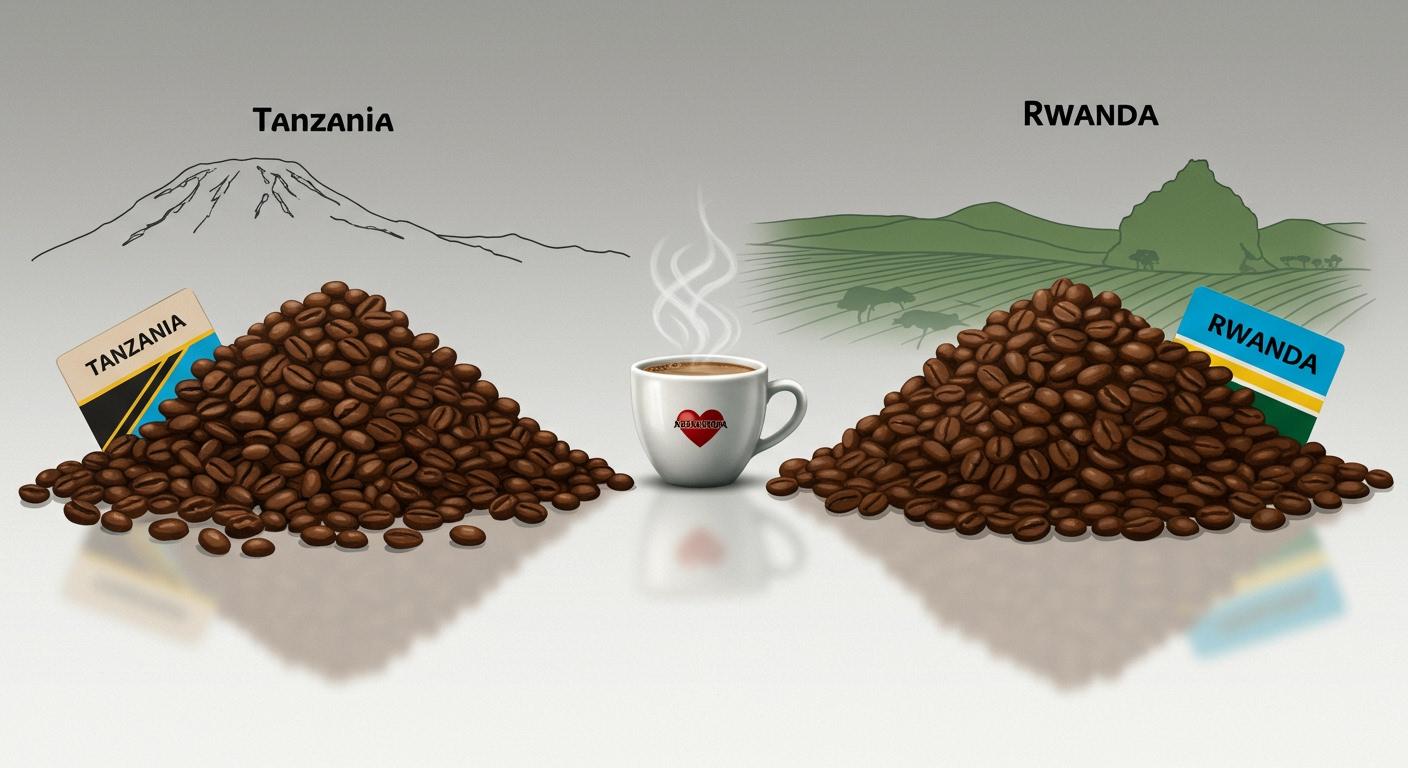
Tanzania coffee and Rwandan coffee are both unique. Each one gives your cup a special taste. Rwandan beans are getting more popular around the world. People want coffee that is high-quality and comes from good sources. Many people like to compare these coffees. They do this when picking beans for home use or as nice gifts. The way the coffee is packed is important for both. A BN PACK coffee bag keeps your beans fresh. It also keeps the smell strong.
Feature | Importance |
|---|---|
One-Way Valve | Lets CO2 out but stops oxygen from getting in. This keeps the beans fresh. |
Resealable Capability | Keeps flavors and smells safe by letting in less air. |
Local Legal Requirements | Follows rules and helps people trust and buy the coffee. |
Key Differences
Tanzania Coffee Traits
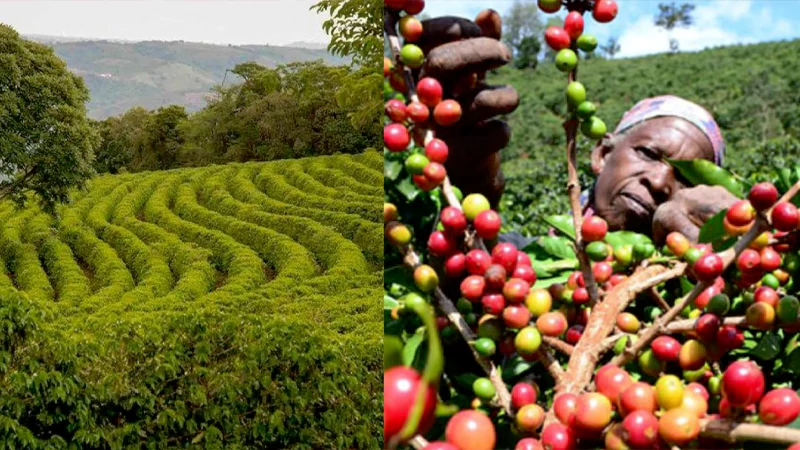
When you learn about tanzania coffee, you find a bean with a long story. Most tanzania coffee grows high up on mountains like Mount Kilimanjaro and in the Southern Highlands. These places have rich volcanic dirt and cool weather. This helps the beans get a strong taste and a tangy, wine-like sourness. You might taste black currant, citrus, and dark chocolate in your drink. Many people say it feels smooth and has a soft aftertaste.
Here is a table that lists the main traits of tanzania coffee:
Coffee Type | Flavor Notes | Body Type | Acidity Type |
|---|---|---|---|
Tanzanian | Black currant, citrus, dark chocolate | Full body | Wine-like acidity |
You can also find these flavors in tanzania coffee:
Flavor Notes | Description |
|---|---|
Fruit Flavors | Black cherry, tangerine |
Undertones | Chocolate, molasses, caramel |
Body | Silky |
Acidity | Gentle |
Citrus Flavors | Hints of caramel, lively but gentle acidity |
Chocolate Notes | Hidden chocolate notes full of spice |
Peaberry Characteristics | Bright yet mellow acidity, fruity, chocolaty flavors |
Aroma | Fragrant |
Cup Quality | Superior cup quality |
Aftertaste | Gentle aftertaste |
Additional Notes | Light brown bread sweetness, muted acidity, spices, wine, dark chocolate, medium body with creamy mouthfeel |
Tanzania coffee comes from many places. Some well-known ones are Arusha, Moshi, Oldeani, Pare, and Songea. These areas are high up, between 1,200 and 2,500 meters. The height and good soil make the beans very good. Beans from the north taste less bitter. The south is better for drying, which makes the coffee taste better.
Farmers in tanzania grow types like N39, KP423, and Bourbon. Tanzania sells more coffee to other countries than rwanda. Recent numbers show Tanzania sent out 201 tons, while Rwanda sent out 113 tons. This means tanzania coffee is important in east africa.
Rwandan Coffee Traits
Rwandan coffee is known for its bright, lively taste and flowery smell. When you drink rwandan coffee, you might taste citrus, red berries, and a sharp, clean sourness. The beans feel lighter, almost like tea. You may also taste rose, orange blossom, lemon, and berry. Some cups end with a tart taste like pear or white grape.
Here is a table that compares the main traits of rwandan coffee:
Coffee Type | Flavor Notes | Body Type | Acidity Type |
|---|---|---|---|
Rwandan | Citrus, floral, red berry | Lighter, tea-like | Bright acidity |
Rwandan coffee grows high up in places with volcanic dirt. These places are the Virunga Mountain Region, Akagera, Kivu Lave, Kizi Rift Valley, and Muhazi Lake. The land is 4,200 to 7,000 feet high. The cool weather and rich dirt help the cherries ripen slowly. This gives the beans special flavors and a nice smell.
You find different types in rwandan coffee, like Bourbon, Jackson, Mbirizi, and RAB C15. Coffee groups say rwandan coffee tastes like cherry, grape, lime, chocolate, cantaloupe, mandarin orange, nectarine, candy, apricots, and plum. You may also taste dates, caramel, and a smooth body. The sourness is bright and clean, so every sip feels fresh.
Tip: If you like coffee with flowery and fruity flavors, rwandan coffee is a good pick. The special places where it grows and the way it is made give it a taste that is different from other east african coffees.
Tanzania Coffee Overview
Growing Regions
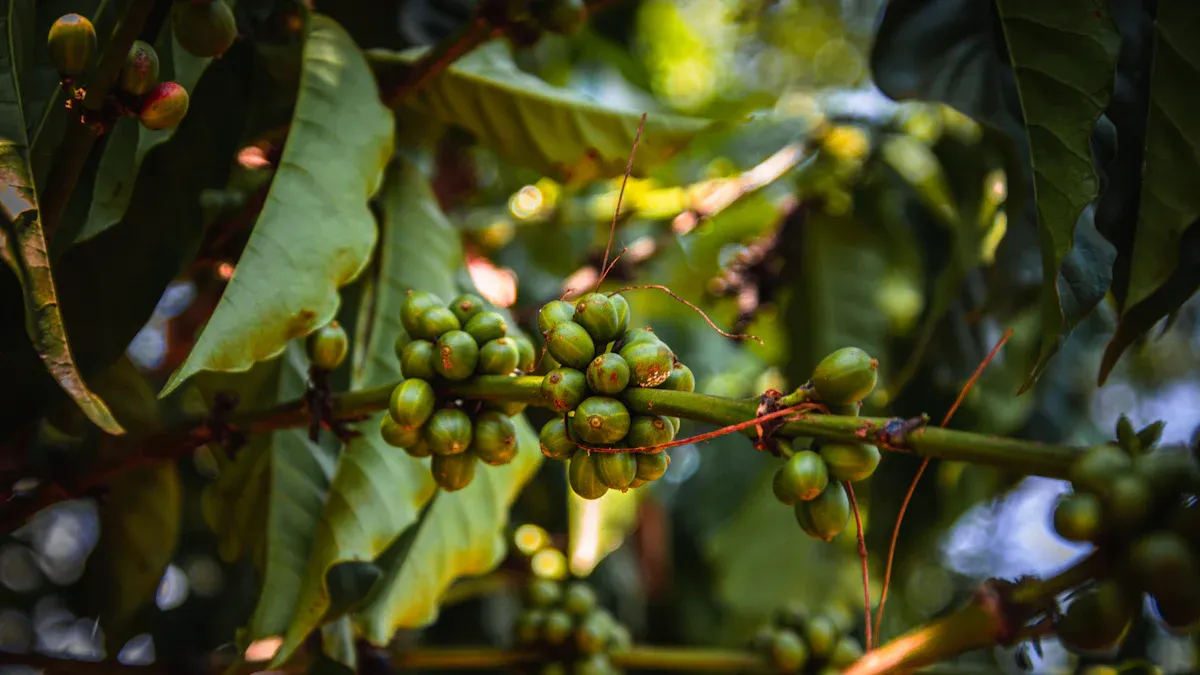
Tanzania coffee grows in many different places. Each place gives the beans a special taste. The main coffee areas go from north to south. Mount Kilimanjaro and the Southern Highlands are important. These places have rich volcanic soil and are high up. This helps the beans taste complex and be high quality.
Here is a table that shows the main coffee regions and how much they make:
Region | Type | Production Volume (bags) |
|---|---|---|
Kilimanjaro | Arabica | N/A |
Arusha | Arabica | N/A |
Tanga | Arabica | N/A |
Iringa | Arabica | N/A |
Mbeya | Arabica | N/A |
Njombe | Arabica | N/A |
Mbinga | Arabica | N/A |
Kagera | Robusta | 700,000 |
Total | 1,450,000 |
Most places grow arabica, but Kagera grows robusta. The weather in these areas is mild. It stays between 64 and 73 degrees Fahrenheit. Each year, about five feet of rain falls. The dry season lasts two to four months. This helps the beans get their best taste.
Flavor Profile
Tanzania coffee is known for its bright and complex flavors. When you drink it, you taste fruit and a sweet body. Many people who love coffee like these special flavors from east africa.
Coffee experts say tanzania coffee tastes like:
Fruity notes
Sweetness
Caramel
Strawberry
Pineapple
Black currant
Chocolate
Sweet, fruity aftertaste
Juicy sweet peaberry
Pineapple aftertaste
Sweet and sour candy
Malt
Ginger
Malty undertones
You taste both sweet and sour in the cup. The coffee feels smooth, and the aftertaste lasts a while. The land and height in tanzania help make these flavors.
Note: If you want coffee with lots of flavors and a lively taste, tanzania coffee is a good pick.
Processing
How the beans are processed changes the taste a lot. Most tanzania coffee uses washed processing. This makes the coffee taste clean and bright. Groups of farmers often use central pulping units for this. Some beans use natural processing. This can give the coffee an earthy taste.
Common ways to process the beans are:
Washed (mild arabica): Makes the coffee clear and bright.
Natural (hard arabica): Gives the coffee a heavier feel and earthy taste.
Drying on patios: Can add special earthy flavors.
Processing changes how the coffee smells and tastes. Washed tanzania coffee often gets higher scores for quality. How the beans are handled after picking changes the final taste and feel in your cup.
Rwandan Coffee Overview
Growing Regions
Rwandan coffee grows in places with tall mountains and rich dirt. The main areas are Virunga, Kivu, Akagera, and the Kizi Rift Valley. These places are high up, between 4,200 and 7,000 feet. The cool air and height help the beans ripen slowly. This slow ripening gives rwandan coffee its bright taste and special sourness.
Here is a table that shows how the land affects coffee in rwanda:
Environmental Factor | Impact on Coffee Quality |
|---|---|
Altitude | More caffeine in C. arabica beans |
Phytomelatonin | Not found in rwandan coffee beans |
The volcanic dirt and steady rain help the beans taste clean and smooth. Each area gives the coffee different flavors in your cup.
Flavor Profile
When you drink rwandan coffee, you taste bright lemon and orange. You also smell flowers like rose and orange blossom. Sweet tastes like caramel or cane sugar make it richer. Some cups have a little clove or cinnamon, which makes the flavor more interesting.
Rwandan coffee feels smooth and sometimes buttery in your mouth. The finish is clean and fancy. You might taste red currants, white chocolate, honey, and pecans. Beans from Akagera can taste like black tea, cardamom, black pepper, and blackberry. The sourness is bright and lively, and the body is medium. Many people like the creamy feel and fresh finish.
Tip: If you like coffee with fruit and flower flavors, rwandan coffee is a great choice for a lively and fancy drink.
Processing
In rwanda, farmers use different ways to process coffee. They use natural, honey, washed, and anaerobic methods. The SIAF method is special. These ways let tiny local germs work with the coffee. This makes good things that help the coffee taste better.
Training at cooperatives helped Gasharu Coffee get higher scores.
The group now makes anaerobic, natural, honey, and washed coffees, all better than before.
Cyubahiro says, “After all of those lessons, I can make a clean cup of coffee by using good steps and checking for problems.”
These careful steps help keep the fruity and flowery tastes. You get a cup that is always clean and fresh.
Coffee Comparison
Taste and Aroma
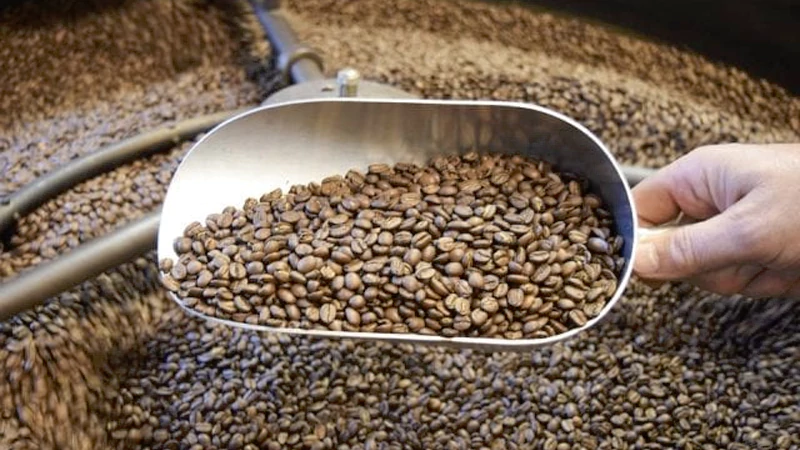
When you taste Tanzania coffee and Rwandan coffee, you notice they are different. Tanzania coffee has a bright, citrus-like sourness and a balanced feel. You can taste fruit, flowers, and a little wine flavor. The flavors are lively and have many layers, so each sip is fun. Rwandan coffee tastes sweet and smells strong. The beans from Rwanda are known for their sweet and flowery flavors. You might taste red berries, citrus, and a bit of honey.
Here is a table that shows how the acidity and body are not the same:
Coffee Origin | Acidity Type | Body Type |
|---|---|---|
Tanzania | Citrus acidity | Well-balanced body |
Rwanda | Pleasant acidity | Full aroma |
Rwandan coffee, especially the fully washed Bourbon kind, has a nice sourness.
The way it is made makes Rwandan coffee smell even better.
If you like special coffee with lots of flavors, you will enjoy both types. Tanzania coffee gives you more flavors to taste. Rwandan coffee is sweeter and has more flower notes. Both are high quality and taste special.
Tip: Try both coffees at the same time. See how the smell fills the air and how the taste changes as it cools.
Altitude and Climate
How high the coffee grows matters a lot. In Tanzania, coffee grows between 1,400 and 2,000 meters up. The cool air at these heights makes the beans grow slowly. Slow growth helps the beans get more flavors and a balanced feel. Rwanda grows coffee even higher, from 1,707 to 2,194 meters. The high land in Rwanda gives the beans a special taste and great quality.
Here is a table that shows the height and what it does:
Region | Altitude Range (meters) | Effect on Bean Development |
|---|---|---|
Tanzania | 1,400 – 2,000 | Slows maturation, enhances flavor complexity due to cool climate |
Rwanda | 1,707 – 2,194 | High altitude contributes to unique flavor profiles and quality |
The weather also changes the coffee. Tanzania has high land, volcanic dirt, and cool air. These things make the coffee taste bright, fruity, and flowery. Rwanda has hills, rich dirt, cool nights, and warm days. The beans grow slowly, so they get packed with flavor and sweetness.
Region | Key Factors | Flavor Profile Description |
|---|---|---|
Tanzania | High altitudes, volcanic soil, cool climate | Well-balanced coffee with bright acidity, fruit notes, floral undertones, and hints of wine. |
Rwanda | Rolling hills, rich soil, moderate climate, cool nights, warm days | Beans with distinct sweetness and packed with flavor due to slow maturation. |
You can see how the land and weather make each coffee special. Looking at both places shows how nature helps make the coffee you love.
Processing Impact
How the beans are made changes the taste a lot. In Tanzania, most farmers wash the beans. This makes the coffee taste clean, bright, and clear. Some people use natural ways, which give the coffee earthy flavors and a heavier feel. Drying beans on patios can add new flavors too.
Rwanda uses many ways to make coffee. They use washed, honey, natural, and anaerobic methods. Washing the beans in Rwanda brings out the nice sourness and flower flavors. Honey and natural ways make the coffee sweeter and more fruity. Anaerobic processing uses special steps to make new flavors and stronger smells.
Washing the beans in both places gives a clean, bright cup.
Natural and honey ways make the coffee sweeter and more interesting.
Anaerobic processing in Rwanda makes special flavors and strong smells.
You can taste how the making process changes each cup. The way beans are made helps each place have its own taste. When you try different styles, you find new flavors and smells in specialty coffee.
Note: If you want to taste everything these beans can give, try coffee from both Tanzania and Rwanda made in different ways.
Choosing Coffee
For Different Preferences
You have many choices when picking coffee from Tanzania or Rwanda. If you enjoy a bright, fruity taste, Tanzanian coffee may suit you best. This coffee often has notes of citrus and black currant. Rwandan coffee gives you a lighter body with floral and berry flavors. Some people like a creamy cup, while others want a lively, tangy sip. Think about what flavors you enjoy most. Try both types to find your favorite.
Tip: Sample small amounts before buying a large bag. This helps you discover which coffee matches your taste.
Brewing Methods
The way you brew coffee changes how it tastes. You can use different methods to bring out the best in each type.
Pour-over (Chemex or Hario V60) works well for Tanzanian coffee. It highlights the bright acidity and complex flavors.
French press makes a rich, full-bodied cup. This method brings out the creamy qualities in Rwandan coffee.
Espresso gives you a strong, concentrated drink. Both Tanzania and Rwanda beans show bold flavors with this method.
Try different brewing styles to see which one you like most. Each method lets you taste new things in your coffee.
Packaging with BN PACK Coffee Bag
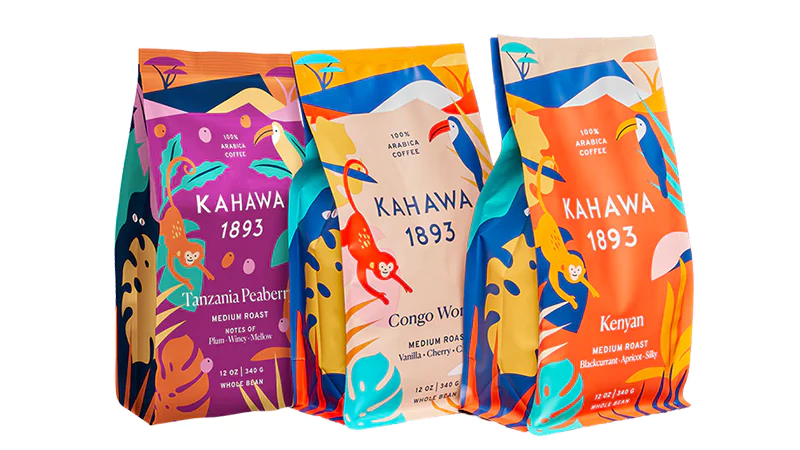
Proper packaging keeps your coffee fresh and full of aroma. BN PACK coffee bags use airtight seals to block oxygen and moisture. This helps keep the original flavor and smell of your beans. You get a better cup whether you brew at home or serve guests.
Packaging Benefit | Description |
|---|---|
Quality retention | Maintains coffee aroma and flavor integrity |
Export-grade packaging | Ensures quality for global export |
Eco-friendly options | Reduces environmental impact |
Vacuum-sealed bags protect coffee better than regular storage. Sensory tests show that these bags help keep the aroma and flavor strong. You can choose from different sizes and eco-friendly materials. BN PACK lets you pick the right bag for your needs, so your coffee stays fresh from the first scoop to the last.
Expert Insights
Coffee Professionals
When you choose specialty coffee, you want to keep it fresh and full of flavor. Coffee professionals agree that packaging plays a big role in this. You can look for these features in a good coffee bag:
Protection from oxygen, moisture, and light helps your coffee stay fresh longer.
Foil-lined and valve bags keep the aroma and taste strong.
Resealable bags make it easy for you to open and close, so your coffee stays clean and tasty.
Many people now prefer bags made from recyclable or compostable materials. These options help the environment and show you care about sustainability.
Functional designs, like easy-to-use zippers, improve your experience and make you want to buy again.
A BN PACK coffee bag offers all these features. You get a bag that keeps your beans clean and fresh, whether you store them at home or give them as a gift.
Tip: Always store your coffee in a sealed bag to protect its flavor and aroma.
Roaster Tips
Roasting brings out the best in Tanzania and Rwandan coffee. Experts share these tips to help you enjoy every cup:
Start with a high charge temperature. This helps you reach the first crack quickly and avoids baking the coffee.
Give enough time in the developing phase. This step lets the flavors grow and become more balanced.
Use a longer roasting curve. This method brings out the sugars and balances the acidity with fruity notes.
For Rwandan coffee, try a light roast. You will taste more floral notes and bright acidity.
A medium roast works well if you want a fuller body in your cup.
City Roast highlights herbal and floral aromas. Lighter roasts bring out fruit flavors and acidity. Medium and dark roasts show off sweeter notes.
You can experiment with different roast levels to find what you like best. Each method gives you a new way to enjoy your coffee.
You can find special things in both Tanzania coffee and Rwandan coffee. Tanzanian beans taste strong with black currant and a hint of wine. Rwandan beans have a flowery smell and taste like cherries. BN PACK coffee bags help keep coffee fresh and hold in the smell. This packaging keeps the flavors and quality safe. Try both coffees to see which taste you like best. Enjoy the good quality each one gives you.
BN PACK coffee bags:
Keep coffee fresh and smelling good
Help the planet and let you choose your style
Make every cup taste better
Experts say you should try both kinds to enjoy their special tastes and good quality.