
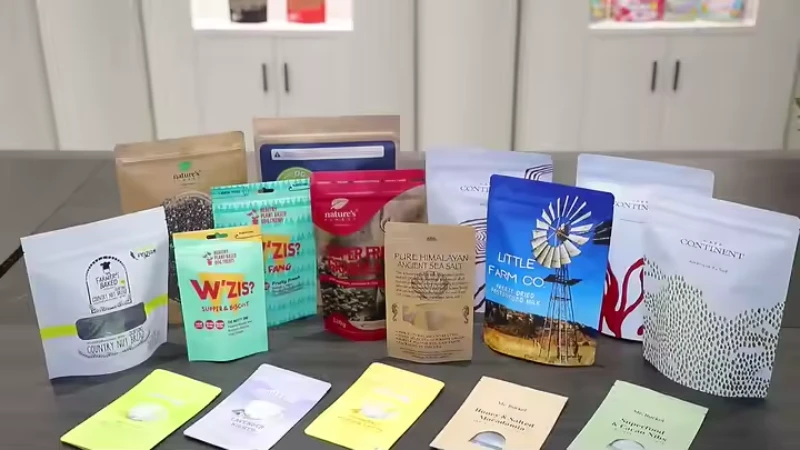
You want your products to stay fresh and safe. Mistakes with stand-up pouches can lead to leaks or contamination. Even if you pack items every day, you might face Common Pitfalls that damage your brand reputation. BN PACK’s team sees these problems often and helps clients solve them. Use these tips as your checklist before your next packaging project.
Common Pitfalls in Pouch Selection
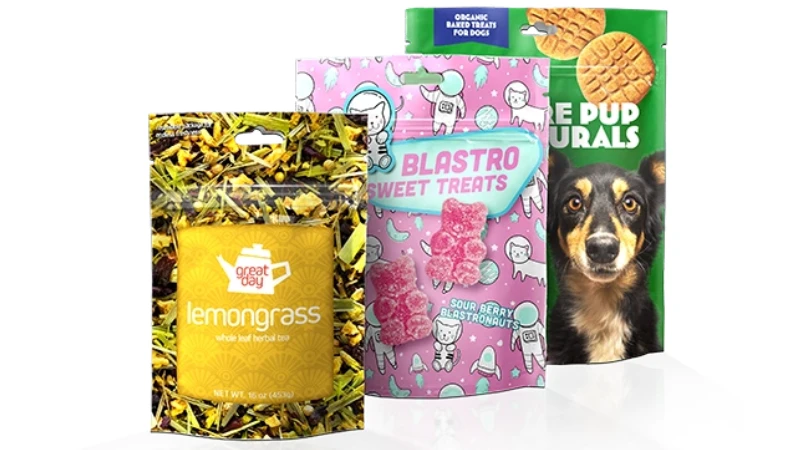
Picking the right stand-up pouches is very important. It helps keep your product safe and your brand strong. Many companies make mistakes when choosing pouches. You can stop these mistakes by using the tips below.
Wrong Size Stand-Up Pouch
Some people think any pouch size will work. This is a common mistake. Product density changes how much fits inside. If you pick the wrong size, you might get leaks or wasted space. Your product could even get crushed. Here are some ways to help:
Measure your product’s volume and weight first.
Try out samples to see if your product fits.
Check where the zipper, valve, and tear notch are.
Ask BN PACK for help to find the right pouch.
Incompatible Materials for Products
Choosing the wrong material can cause big problems. If your pouch does not block moisture, your product can spoil. Non-airtight pouches let in air. This can make food stale or bring in bugs. Here are some ways to avoid these mistakes:
Pick materials that block moisture, air, and light.
Ask about food safety and allergen protection.
Use BN PACK’s multi-layer pouches for more safety.
Overlooking Barrier Protection
Barrier protection keeps your product fresh and safe. Most stand-up pouches have two or three film layers. Each layer blocks moisture, air, or light. The outside layer is strong and shows your brand. The middle layer keeps out things from outside. The inside layer touches your product and keeps it safe. Here are some tips:
Always check how many layers your pouch has.
Choose the right barrier for your product.
Test if the pouch is strong and does not tear.
Tip: Sometimes products get recalled because of contamination or weak barriers. Use these tips to stop expensive mistakes.
Environmental Impact | Description |
|---|---|
Recyclability | Some pouches cannot be recycled. This makes more waste and pollution. |
Manufacturing Footprint | Making pouches uses energy and makes greenhouse gases. This hurts the environment. |
End-of-Life Disposal Challenges | Throwing pouches away the wrong way causes litter and pollution. This makes environmental problems worse. |
If you use these tips, you can avoid the most common mistakes with stand-up pouches. BN PACK can help you pick the best pouch for your product.
Artwork and Print File Pitfalls
Good artwork is important for stand-up pouches. You want your packaging to look neat and professional. If you make mistakes with artwork or print files, your product may look messy. Customers might get confused or you could break rules.
Low-Quality or Misaligned Artwork
You may think any picture will work. But low-quality artwork can make colors look faded or blurry. If graphics are not lined up, important words can get cut off. Your logo might not be in the right place. These problems can hurt your brand and make your product less attractive.
BN PACK uses special digital printing. This puts ink right onto the pouch. You get bright colors and clear pictures every time. Digital printing lets you change artwork fast between batches. You can print small amounts with lots of detail. This helps stop mistakes and keeps your packaging looking good.
Tip: Always check your artwork files before printing. Ask for a digital proof to see how your design will look.
Missing Regulatory or Branding Elements
You must put all needed information on your pouch. If you forget things like ingredients, nutrition facts, or safety warnings, you could get in trouble. If you leave out your logo or brand colors, people may not know your product.
Make a checklist for your packaging design. Add all rules and branding items. BN PACK’s digital system helps you keep track of your files and changes. You can update your design easily and make sure you do not miss anything.
Regulatory Element | Why It Matters |
|---|---|
Nutrition Facts | Follows the law |
Ingredients List | Builds trust |
Safety Warnings | Keeps your business safe |
Brand Logo | Helps people know you |
When you check your artwork and print files, you protect your product and brand. Good packaging design helps your pouch stand out and follow the rules.
Filling Stand-Up Pouches Mistakes
Filling stand-up pouches looks easy, but it is not. If you skip steps, you can make mistakes. These mistakes can cause leaks, spills, or even make food unsafe. BN PACK makes stand-up pouches that are easy to fill and seal. But you still need to be careful with each step.
Overfilling or Underfilling
You should not put too much or too little in the pouch. If you fill too much, it can spill or leak. If you fill too little, the pouch looks empty and wastes space. The best way is to fill the pouch about two-thirds or three-quarters full. This leaves room to seal it right and stops spills. Always look at how full the pouch is before you seal it.
Using Unsuitable Filling Equipment
It is important to use the right machine for filling. The wrong machine can cause spills, leaks, or bad seals. Here are some machines for different products:
Vibratory weigh-filling machines are good for dry foods like oatmeal and jerky.
Powder-filling machines work for spices and powders using a spiral system.
Liquid filling machines, manual or automatic, are best for drinks and sauces.
The right machine makes filling faster and helps stop mistakes. BN PACK’s pouches work with many machines, so you can pick what you need.
Not Removing Air Properly
If you leave air in the pouch, your food can spoil. Oxygen helps germs grow and can change how food tastes or feels. Taking out air keeps your food fresh and safe. If you do not remove air, gas can build up and make the pouch leak or burst. Always check for air before you seal the pouch.
Tip: Try filling a few pouches before you start a big batch. This helps you find problems like leaks or spills early.
If you make mistakes when filling pouches, you can lose product and upset customers. Use these tips and BN PACK’s strong pouches to stop spills and keep your food safe.
Sealing and Quality Check Pitfalls
Sealing stand-up pouches is very important. It keeps your product safe from germs and damage. If you skip checks or use bad sealing, your product can go bad. Customers may stop trusting your brand. BN PACK uses strong quality checks and special barrier layers to help you avoid these issues.
Poor Seal Integrity
A strong seal keeps your product safe. If the seal is weak, air or germs can get in. This can spoil your product. Always check the seal before you send out products. There are different ways to test seals:
Destructive tests, like water bath or peel tests, show if the seal is strong.
Non-destructive tests, like VeriPac vacuum decay or ultrasound, find leaks without hurting the pouch.
Seal-Sensor technology gives fast results, so you can fix problems quickly.
A good seal keeps out air and water. This is very important for liquids. Always make sure sealing is done right.
Ignoring Puncture Resistance
If you do not check for puncture resistance, pouches can tear during shipping. This can cause leaks and spoil your product. Strong films and tough materials help stop tears. Multi-layer barriers give more protection. They block UV light, air, and water. Here is what each layer does:
Layer | Protection Type | Benefit |
|---|---|---|
Outer | UV barrier | Stops light from hurting the product |
Middle | Oxygen barrier | Blocks air from getting in |
Inner | Moisture barrier | Keeps water out |
Always pick pouches that are hard to puncture. This is extra important for liquids and fragile items.
Skipping Shelf Life Testing
If you skip pouch testing, you can have big problems. You might not see spoilage or changes until it is too late. Follow these steps to test your pouches:
Store your product in real-life conditions, like room or cold temperatures.
Make a list of things to check, like taste, feel, and if the pouch is still strong.
Test your product often to find changes early.
Use taste panels to spot small changes.
Look for signs of spoilage, like mold or bad smells.
When you seal and test pouches the right way, you keep your product and brand safe.
Overcomplicating Stand-Up Pouch Features
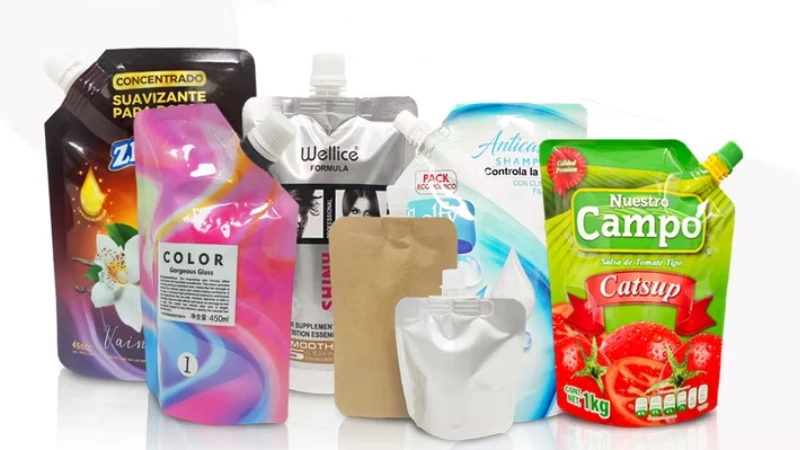
When you design stand-up pouches, you might want to add lots of features. But adding more is not always better. You should think about what your product and customers really need.
Adding Unnecessary Features
You might believe special features like embossment or foil stamping will help your pouch stand out. These extras can look cool, but they cost more money. You need special machines and skills for these features. This makes your packaging cost more and takes longer to make. Some things, like handles or extra pockets, can help people use the pouch. But they also make it harder to produce.
BN PACK has many options you can pick from. You can choose the size, shape, and material that fits your product. Flexible packaging materials like polyethylene and polypropylene protect your product and keep costs down. If you only add what you need, your packaging stays simple and works well.
Tip: Always ask if a feature helps your customer or just adds cost.
Neglecting User Convenience
Customers want packaging that is easy to use. If you forget about this, people may not like your product. Features like tear notches, zippers, and resealable closures make pouches easy to open and close. Lightweight and portable designs help people take your product anywhere. Eco-friendly choices are important to many buyers too.
Here is a table showing what users care about most in stand-up pouch packaging:
Feature | Description |
|---|---|
Functionality | Gives convenience and good value. |
Portability | Easy to carry and use anywhere. |
Ease of Use | Tear notches and zippers make opening and closing easy. |
Sustainability | Uses eco-friendly flexible packaging materials. |
You can also pick single-serve sizes or add spouts for liquids. These choices make the pouch better for users and help your product get noticed. Custom flexible packaging materials let you match your pouch to your product and your brand’s goals.
You can stop expensive mistakes if you follow good steps when packing with stand-up pouches. Planning ahead and checking your work helps you avoid pouch problems and keep quality high. The table below explains how planning helps you:
Benefit | Description |
|---|---|
Cost Reductions | Planning well cuts down on costs and waste. |
Increased Output | Good steps help you make more and meet needs. |
Reduced Downtime | Fewer mistakes mean machines stop less often. |
Improved Flexibility | You can try new pouch types and still keep quality. |
If you avoid mistakes, you save money and keep your product safe. Good habits like taking out air, using the right heat, and keeping seals clean stop pouch problems and keep quality high. You also make customers happy with space-saving, custom designs, and easy-to-use pouches. BN PACK can help your team learn, train, and check quality at every step. Make good habits your rule to stop mistakes and always give the best quality.