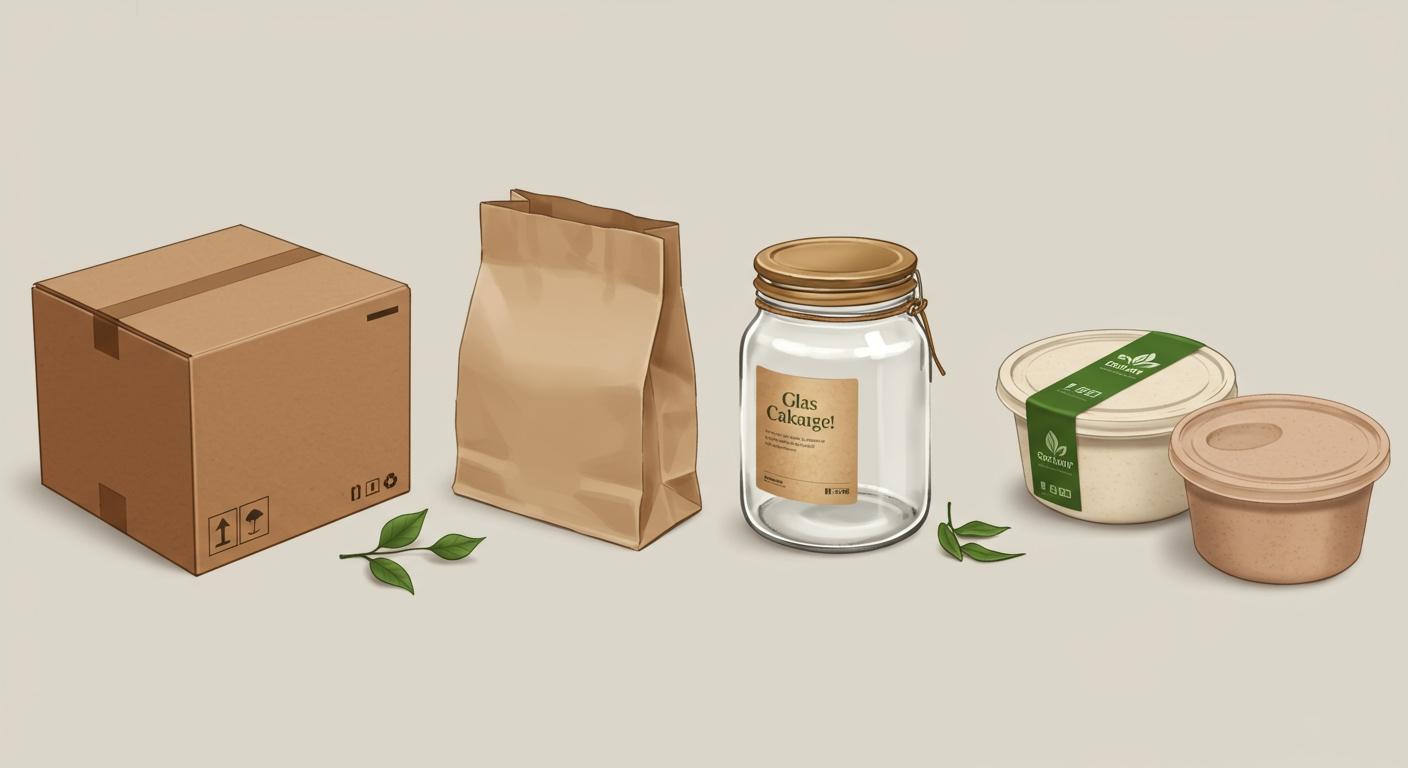
Eco friendly packaging materials are more important than ever in today’s world. You can find them everywhere as both brands and consumers look for better ways to protect products and the planet. The top 5 eco friendly packaging materials include recycled plastic, biodegradable plastics, corrugated cardboard, rice paper bags, and plant-based compostable packaging. Demand for eco friendly packaging materials continues to rise, with 72% of shoppers now purchasing more eco-friendly products than they did five years ago. In addition, over 66% of consumers consider sustainability before making a purchase, and more people are searching online for sustainable goods than ever before.
Top 5 Eco Friendly Packaging Materials
Quick Overview
There are many eco friendly packaging materials to pick from. These choices help keep products safe and protect the earth. Some of the most common types in packaging are:
Recycled plastic packaging
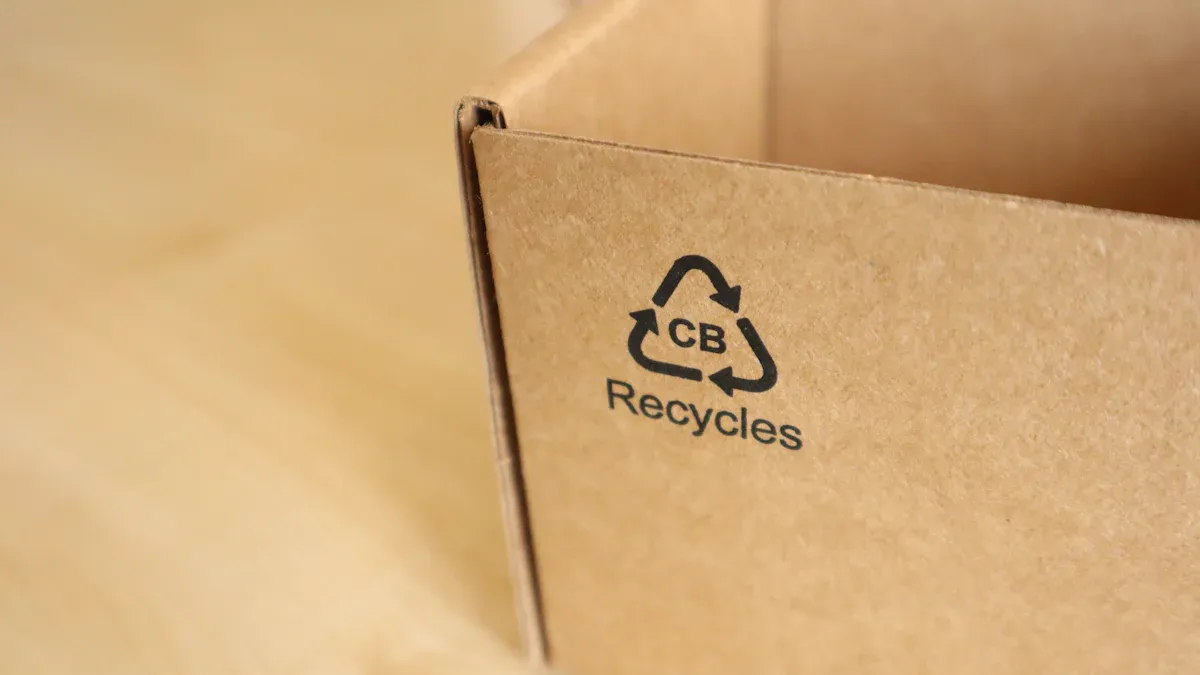
Corrugated cardboard
Rice paper bags
Plant-based compostable packaging
You might also see mushroom packaging, cornstarch packaging, and cellulose packaging. All of these try to cut down on waste and use things that can grow again. Many brands use paper and cardboard mailers. These are easy to recycle and come from things that can be replaced. Some companies use cork or packaging you can use again to avoid single-use items.
Tip: Picking the best eco friendly packaging materials can help your brand get noticed and show you care about the planet.
Selection Criteria
When you choose eco friendly packaging materials, look at a few important things. These points help you pick what works for you and the earth.
Material | Biodegradability | Compostability | Recyclability | Renewable Resource Use |
|---|---|---|---|---|
Biodegradable Packaging | Yes | Yes | No | Yes |
Corrugated Cardboard | Yes | No | Yes | Yes |
Recycled Plastic | No | No | Yes | No |
Partial | No | No | Yes | |
Plant-Based Compostable Packaging | Yes | Yes | No | Yes |
You should also look for certifications like FSC, Cradle to Cradle, or Green Seal. These show the eco friendly packaging materials are good for the environment. Try to find materials that break down on their own, can be composted, or are simple to recycle. Some materials, like recycled paper and cardboard, help lower pollution and keep trash out of landfills. Others, like plant-based choices, use less energy and come from things that can grow back.
Picking the right eco friendly packaging materials means thinking about how they affect the earth, how easy they are to throw away, and if they match your brand’s values.
What Makes Packaging Eco-Friendly
Sustainability Factors
When you want eco-friendly packaging, you need to know what makes it good for the earth. The most important thing is sustainability. This means the packaging uses things that last a long time and do not run out fast. Many companies now use materials from plants or recycled things. These choices help save natural resources for later.
Here are some main things that make packaging more sustainable:
Using renewable or recycled materials
Making it easy to recycle
Keeping materials in use longer
Using fewer new materials
Keeping waste out of landfills
Using raw materials that can grow again
You also want packaging that works well and does not cost a lot. Good eco-friendly packaging keeps products safe and looks nice on shelves.
Note: Studies show people think paper-based packaging is better for the earth than plastic. Many shoppers worry about how plastic packaging hurts the environment.
Environmental Impact
Eco-friendly packaging helps the earth by making less waste, saving energy, and using less water. When you choose packaging made from recycled things, you help lower greenhouse gases. This helps keep the air clean.
A lot of packaging waste ends up in landfills or nature. About 91% of packaging waste goes to these places. Using biodegradable or compostable materials can help fix this. These materials break down faster and do not stay in the ground for many years.
Here’s a quick look at what studies found:
Study Title | Key Findings |
|---|---|
Farm 2 Fork | Eco-friendly packaging cuts waste and uses compostable or edible materials. |
Sustainable Paper-Based Packaging | Paper-based options are better for the planet than plastic. |
Exploring Sustainable Food Packaging | More recycled content means fewer greenhouse gases. |
A packaging life cycle assessment checks how packaging affects the earth at every step. It looks at how much energy, water, and raw material the packaging uses from start to finish. This helps you see which choices are best for the earth.
Tip: Using less plastic packaging is important for protecting nature and keeping our world healthy.
Recycled Plastic Packaging
Pros
Recycled plastic packaging is very common now. It helps use old plastic again instead of throwing it away. This saves energy and makes less pollution. There are many good things about using recycled plastic:
You can lower carbon emissions by at least 30% compared to new plastic.
Some research says recycled plastic can cut carbon emissions by up to 42%.
It keeps plastic out of landfills and oceans.
Recycled plastic packaging is strong and keeps products safe.
You can recycle it again in many places.
BN PACK uses recycled plastic for flexible packaging like pouches and film rolls. This helps brands reach eco-friendly goals and keeps products fresh.
Tip: Using recycled plastic packaging can make your brand look responsible. It can also help you get more eco-friendly shoppers.
Cons
There are some problems with recycled plastic packaging. Sometimes, it does not look as clear or shiny as new plastic. It can cost a little more because recycling takes extra work. Not all plastics are easy to recycle, so you should check local rules. Some recycled plastic packaging is not safe for food unless it meets special standards.
Sustainability
Recycled plastic packaging is good for the earth. When you choose recycled plastic, you save resources and lower greenhouse gases. Here is how recycling rates compare with other materials:
Material Type | Recycling Rate (%) |
|---|---|
Aluminum lids | 50 |
Aluminum cans | 54-70 |
PP | 11 |
EPS | 50 |
HDPE | 43-50 |
PE films | 43 |
PET | 43 |
Recycled plastic types like HDPE, PE films, and PET have recycling rates around 43-50%. This makes them a smart choice for eco-friendly packaging. Using recycled plastic means less new plastic is made. It also helps support a circular economy. BN PACK’s flexible packaging uses recycled materials to help you reach your sustainability goals and show you care about the planet.
Biodegradable Plastics
Biodegradable plastics are changing how we think about packaging. These bioplastics break down much faster than normal plastics. You can find them in food wrappers, shopping bags, and bottles. Many brands use biodegradable materials to show they care about the earth. They want to give people eco-friendly packaging.
Pros
There are many good things about using biodegradable plastics:
They break down into natural parts, so they do not stay in landfills for a long time.
Bioplastics can be made from plants like corn or sugarcane.
You can use them for many kinds of packaging, like bags and trays.
They help lower pollution and keep the earth cleaner.
Most biodegradable plastics break down in special composting places. Over 90% of them fully break down and get certified.
Product Type | Disintegration Degree | Certification Status |
|---|---|---|
Most Biodegradable Plastics | >90% | Certified |
Lid | Not specified | Not certified |
Flower Pot (1) | Not specified | Not certified |
Tip: If you want packaging that goes away fast, biodegradable plastics are a smart pick.
Cons
There are some things to know before you choose bioplastics:
Some biodegradable plastics only break down in special composting centers, not at home.
If you throw them in the trash, they might not break down quickly.
Bioplastics can cost more than regular plastics.
Not all bioplastics are safe for food unless they follow strict rules.
Sometimes, they can change the soil and water when they break down.
Impact on Soil Quality | Description |
|---|---|
Soil Organic Matter Decomposition | Biodegradable plastic pieces help soil break down organic matter. This depends on things like how wet or warm the soil is. |
Soil Structure | Microplastics can change how strong the soil is and how much air it holds. The effect depends on the type of plastic. |
Water-Holding Capacity | Polyethylene plastic film pieces can dry out the soil and make it hold less water. |
Nutrient Composition | Biodegradable plastics can change what nutrients are in the soil. They can help add more carbon, nitrogen, and phosphorus. |
Microbial Diversity | Some things added to biodegradable plastics can lower the number of different microbes in the soil. This can affect soil health. |
Sustainability
Biodegradable plastics help you reach your green goals. They break down faster than normal plastics, especially when the soil is wet. How fast they break down depends on how much water is in the soil.
Soil Water Content | Mineralization Rate | Time to Halve Initial Concentration (DT50) |
|---|---|---|
19% | High | 42 days |
13% | Moderate | 75 days |
6% | Low | 190 days |
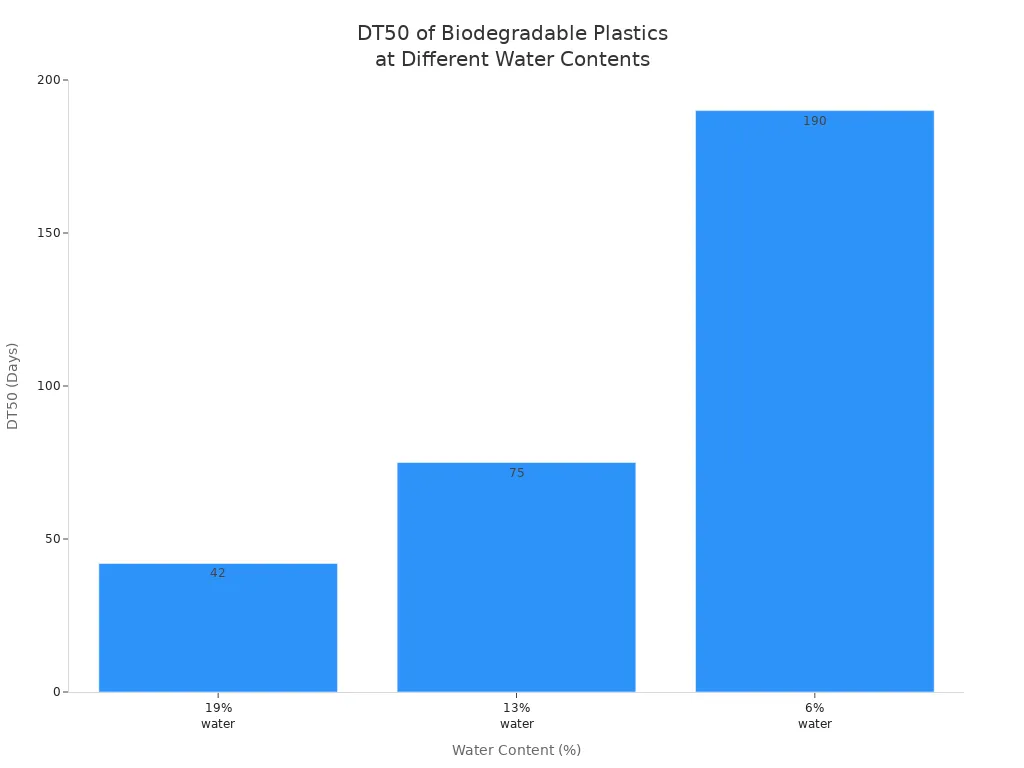
You can see that biodegradable plastics work best when it is wet. When you compare them to recycled plastic or cardboard, bioplastics break down faster and leave less waste. They also help the soil by adding good nutrients. If you want packaging that is good for the earth, biodegradable materials and bioplastics are a great choice.
Corrugated Cardboard
Pros
You see cardboard everywhere. It is one of the most popular choices for packaging. You can use cardboard for boxes, mailers, and even some food containers. Many people like cardboard because it is strong and keeps products safe. You can stack it, fold it, and cut it to fit almost anything. Cardboard is light, so it does not add much weight to your package. You can print on cardboard to show off your brand or add fun designs. Most stores and homes already know how to recycle cardboard, so it is easy to get rid of after use.
Did you know? Cardboard has some of the highest recycling rates in the world. In 2022, the recycling rate for corrugated cardboard packaging reached 93.6%. In 2023, new methods showed rates between 71% and 76%. Some studies say the rate can be as low as 67.44%. That is still much higher than many other materials.
Cons
Cardboard is not perfect. If it gets wet, it can lose its strength and shape. You might need extra layers or coatings to protect it from water. Sometimes, cardboard takes up more space than plastic, so you may need bigger storage areas. Heavy items can crush cardboard boxes if you stack them too high. Some coatings or inks can make cardboard harder to recycle.
Sustainability
Cardboard stands out as an eco-friendly choice. It comes from trees, which you can grow again. You can recycle cardboard many times before it wears out. When you compare energy use, making 1kg of cardboard takes 7 to 14 kWh of electricity. Plastic needs 17 to 32 kWh for the same amount. Cardboard uses more water—about 350 liters for 1kg—while plastic uses 180 liters. To make 1kg of cardboard, you need 3kg of wood. For plastic, you need 2kg of petroleum.
Material | Electricity (kWh/kg) | Water (L/kg) | Raw Material Needed |
|---|---|---|---|
Cardboard | 7-14 | 350 | 3kg wood |
Plastic | 17-32 | 180 | 2kg petroleum |
You help the planet when you pick eco-friendly packaging like cardboard. It is easy to recycle, comes from renewable resources, and supports a cleaner world. Many brands choose cardboard because it is both eco-friendly and practical.
Rice Paper Bag by BN PACK
Pros
The Rice Paper Bag by BN PACK helps your product stand out. It feels soft and looks a little see-through. This makes it different from other bags. You can use it for coffee, tea, or fancy foods. The bag’s design helps show off your brand’s style. Customers feel special when they get this kind of packaging.
You can make the bag fit your needs. BN PACK lets you pick the printing, size, and even add windows or zippers. This means your packaging matches your product and brand. The Rice Paper Bag is great for brands that want to look high-end and show they care about quality.
Here’s what makes this bag special:
Unique Features | Description |
|---|---|
Luxury Design | Gives a premium look and feel, perfect for upscale brands. |
Customizable Features | Lets you choose printing, size, and special add-ons for your needs. |
Commitment to Sustainability | Uses materials that support eco-friendly goals. |
Tip: This bag is a good choice if you want packaging that tells your brand’s story and gets noticed.
Sustainability
BN PACK cares about the earth, and so do you. The Rice Paper Bag uses plant-based materials like quintan tree bark and bamboo. These choices help lower harm to the environment. The bag can have two or more layers. This keeps your products safe and still helps the planet.
Let’s compare it to other packaging:
Feature | BN PACK’s Rice Paper Bag | Traditional Packaging Materials |
|---|---|---|
Material | Renewable, plant-based sources | Mixed, often non-renewable |
Environmental Impact | Lower, thanks to sustainable sourcing | Higher, uses more resources |
Texture | Soft, slightly see-through | Varies |
Protection | Multi-layer for extra safety | Multi-layer for safety |
Picking this eco-friendly packaging helps your brand meet world sustainability goals. You show customers you care about quality and the earth. The Rice Paper Bag by BN PACK protects your products, looks nice on shelves, and helps make the world cleaner.
Plant-Based Compostable Packaging
Pros
Many brands now use plant-based compostable packaging. This packaging is made from things like cornstarch, sugarcane, or cellulose. It feels light and looks very clean. People like it because it breaks down on its own. You can put it in a compost bin, and it will turn into soil. It does not stay in landfills for a long time.
Here are some reasons to pick plant-based compostable packaging:
It helps cut down on plastic waste.
The packaging is biodegradable and safe for the earth.
Compostable packaging turns into compost that helps plants grow.
You can use it for food, snacks, or shipping.
It helps your brand reach eco-friendly goals.
Tip: Compostable packaging works best in a composting center. Home composting takes longer, but it still helps the planet.
Sustainability
Plant-based compostable packaging is good for the earth. It uses things that can grow again, so it saves energy and cuts greenhouse gases. When you compost these materials, you keep methane out of the air. This helps stop climate change and keeps the planet clean.
Aspect | Description |
|---|---|
Carbon Footprint Reduction | Plant-based packaging lowers the carbon footprint when made and thrown away. |
Energy Consumption | Uses things that grow back and need less energy than plastic. |
Composting Benefits | Composting the packaging keeps the carbon footprint small and lowers pollution. |
Compostability rates can change based on the material and where you compost it. Some plant-based packaging breaks down fast in labs, but slower in real compost centers. In some places, like Germany, compostable plastics may not break down all the way, even if they have labels. Sometimes, packaging keeps most of its shape after composting, so check your local compost rules.
Plant-based compostable packaging helps you meet eco-friendly goals. You get packaging that breaks down and helps the earth. When you use compostable packaging, you return nutrients to the soil and keep trash out of landfills.
Choosing Eco-Friendly Packaging
Factors to Consider
When you pick packaging, you want it to work well. It should help your product and the earth. You need to think about more than just how it looks. Here are some things to check:
Does the packaging keep your product safe and fresh?
Is it easy to put together, fill, and seal?
Can you trust your supplier to deliver quality packaging on time?
How much does the packaging cost, and does it fit your budget?
Does the packaging match your brand and help tell your story?
Will the packaging protect your product during shipping and storage?
You also need to see if the packaging follows the rules for your business. Look at this table to see some common rules:
Regulatory Requirement | Description |
|---|---|
Extended Producer Responsibility (EPR) | You must take care of your packaging from start to finish. |
Marking Requirements | Labels must show if packaging is environmentally friendly. |
Single-Use Plastics Use Requirements | Some places limit single-use plastics to help the environment. |
Plastic Taxes | Extra costs may apply to plastic packaging. |
Food Contact Materials | Food packaging must be safe and eco-friendly. |
Reporting Requirements | You may need to share details about your packaging materials. |
BN PACK makes it simple to find packaging that is good for the earth. You can pick different sizes, shapes, and features. This helps your brand and cuts down on waste.
Balancing Cost and Sustainability
You might think eco-friendly packaging costs more than regular kinds. Sometimes, new green packaging does cost extra because of new technology. For example, biodegradable plastics can cost 20-30% more than normal plastics. But prices are changing as more people use these materials.
Think about the good things in the long run. Eco-friendly packaging can help you save money by making less waste. It also helps customers trust your brand. Some companies use recycled packaging to save money and still help the earth. BN PACK has options that help you save money and care for the planet. You can choose packaging that keeps your products safe, helps reduce waste, and shows you care about the earth.
There are lots of eco-friendly packaging choices you can use. Some are compostable, and some are called green packaging solutions. Each type has its own good points. Some containers can be recycled. Others are made from recycled packaging or plants. First, check if your containers can be recycled. Next, look for suppliers who sell eco-friendly containers. Try to pick containers that you can recycle and use again. Tell your customers when you switch to eco-friendly containers. Using recyclable containers helps the earth and makes people trust your brand. Start using eco-friendly packaging now!
Consumer Preference | Impact on Brand |
|---|---|
58% prefer brands with sustainability goals | Boosts loyalty |
73% may switch for better packaging | Grows your customer base |