Quick Answer: What Dog Food Bag Sizes Should You Buy?
The most practical dog food bag sizes run from 1-5 lb trial bags for sampling and toy breeds, through 15 lb bags for single small-to-medium dogs, up to 30-40 lb bags for large breeds and multi-dog homes. The right pick balances three things: how much your dog eats daily, how fast the food goes stale after opening, and how much storage space you have.
Bigger bags cost less per feeding at the premium tier and fewer trips, but kibble starts losing freshness within weeks of opening, so a bag that outlasts your dog’s appetite wastes the savings. The table below compares common dog food bag sizes at a glance, and the guide walks through matching each size to real households.
| Bag size | Suits | Freshness window after opening | Best for |
|---|---|---|---|
| 1-5 lb | Toy breeds, trials, travel | About 2-3 weeks | Testing a new formula |
| 7-15 lb | Single small or medium dog | About 3-4 weeks | Everyday single-pet feeding |
| 20-30 lb | Medium to large dogs | About 4-6 weeks | The value sweet spot for many homes |
| 30-40 lb | Large breeds, two-dog homes | About 4-6 weeks | Bulk buyers with storage space |
| 40 lb and up | Multi-dog households, breeders | About 4-6 weeks | Fast-moving feeding routines |
In this guide:
- Standard dog food bag sizes explained
- Matching dog food bag sizes to your dog
- Freshness windows: how fast to empty a bag
- Storage tips that stretch any bag size
- FAQ
Standard Dog Food Bag Sizes Explained
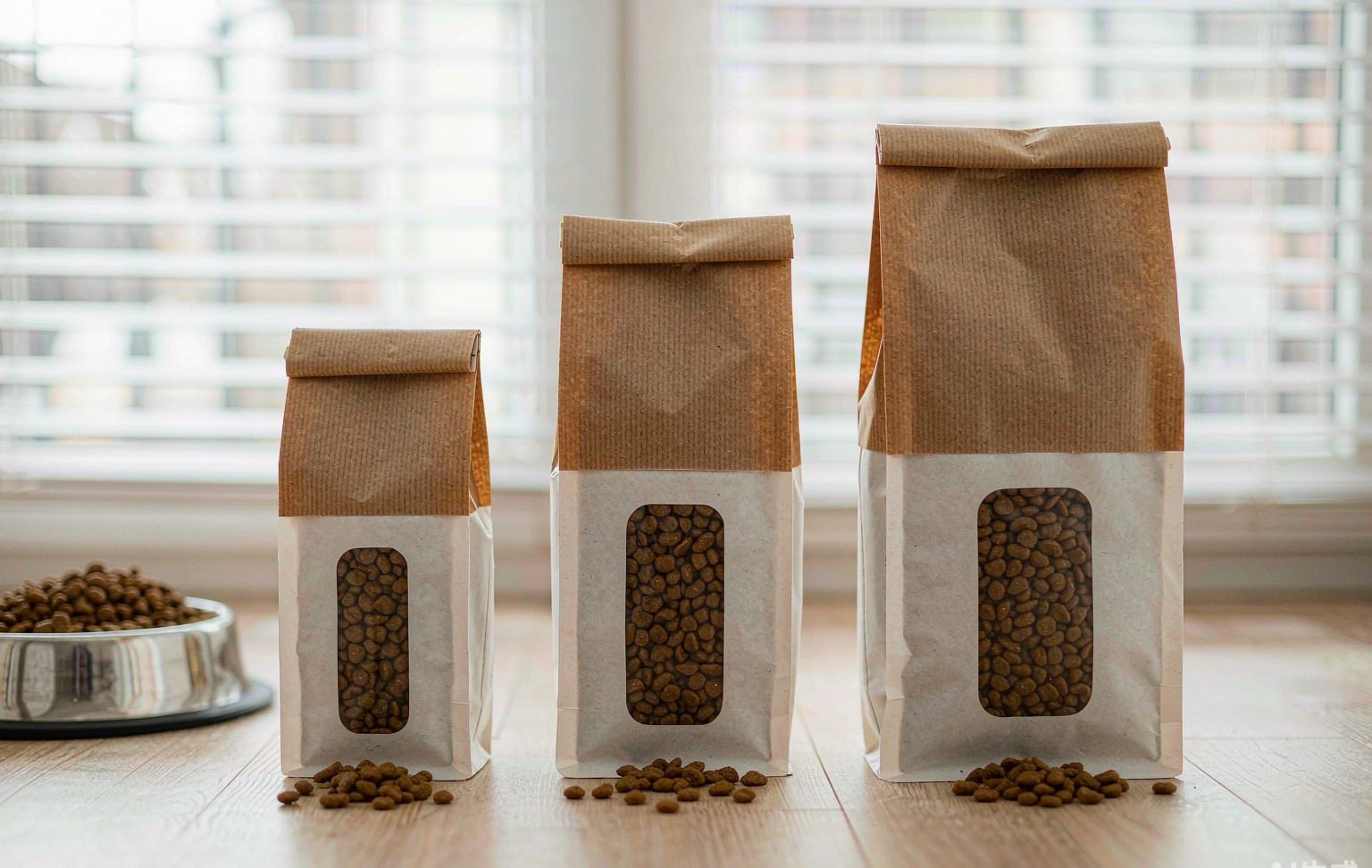
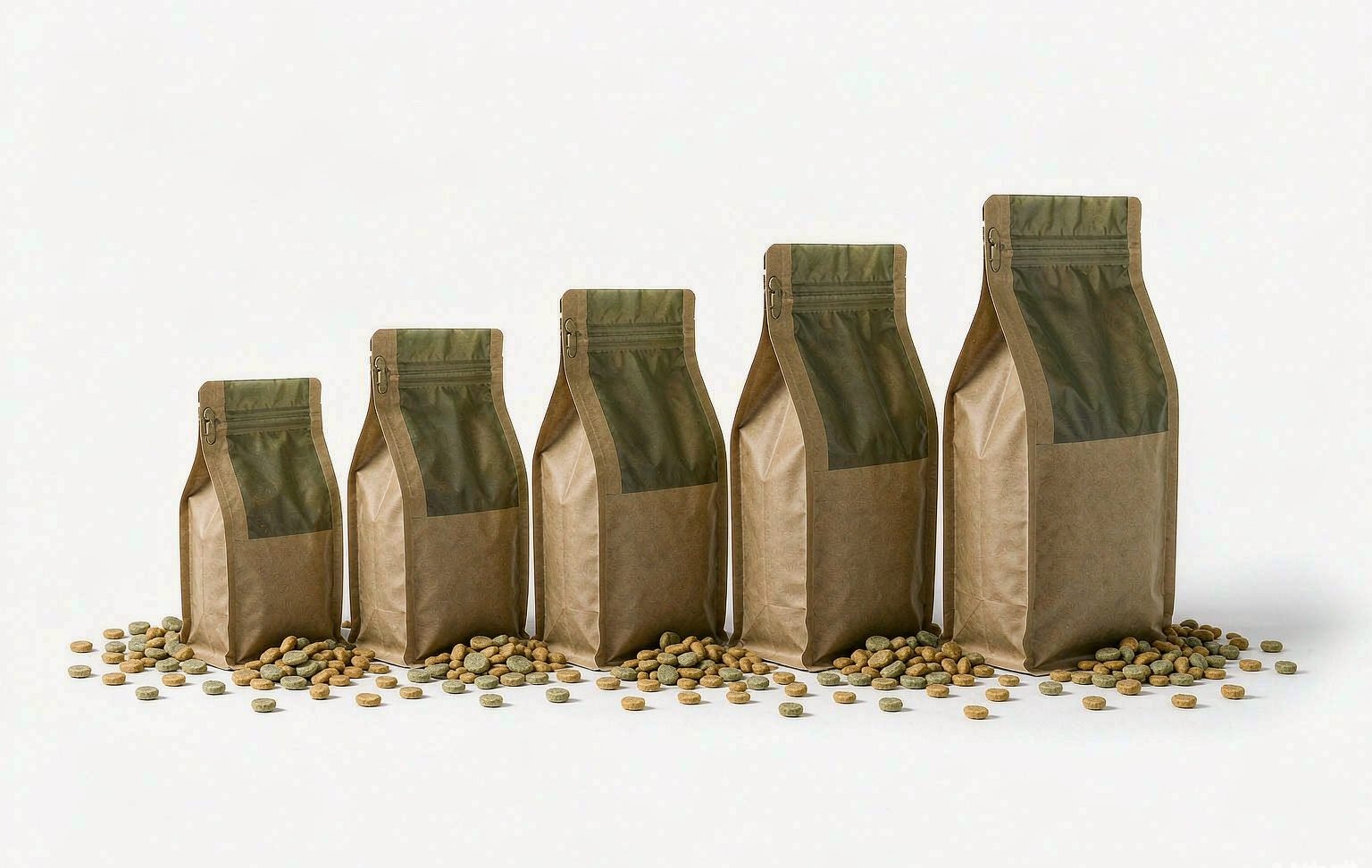
Dog food bag sizes follow a fairly consistent ladder across major brands, which makes comparison shopping easier once you know the rungs. Small bags from 1 to 5 lb exist mainly for sampling a new recipe without committing, for toy breeds whose daily portions are tiny, and for travel. Mid-size bags in the 7 to 15 lb range are the everyday workhorses for single small or medium dogs, heavy enough to feel economical yet light enough to carry and store.
The large tier covers 20 to 40 lb bags, where dog food bag sizes deliver their best per-pound value and where most working-breed and two-dog households settle. Anything above 40 lb targets kennels, breeders, and multi-dog homes that empty a bag fast enough to justify the bulk. As a rule of thumb, a 30 lb bag holds roughly 120 daily cups for an average kibble density, so a large dog eating four cups a day finishes it in about a month, right at the freshness edge. Sizing logic is not unique to pet food: the same freshness-versus-bulk trade-off drives how chip bag sizes are chosen and how protein powder pouch sizes are planned for retail shelves.
Matching Dog Food Bag Sizes to Your Dog
The honest starting point is your dog’s daily ration, printed on every bag as a feeding chart. Multiply the daily amount by the weeks of freshness you can maintain, and the right size falls out of the math. Each scenario below exists because the wrong dog food bag sizes create a predictable problem: waste, staleness, or a cupboard you cannot close. For pouch dimensions before bulk transfers, see our guide on how to measure a stand-up pouch.
- Toy and small breeds (under 20 lb adult weight). Daily rations of a half-cup to one cup mean even a 15 lb bag can outlive its freshness. Stick with dog food bag sizes in the 4-7 lb range so every cup stays aromatic, and keep a small airtight container for the open bag.
- Medium single dogs (20-50 lb). This is where mid-size bags shine. A 15-22 lb bag typically empties inside the freshness window, balancing value against the risk of stale tail-ends.
- Large breeds (50 lb and up). Daily rations of three to five cups justify the 30-40 lb tier, provided you decant into a sealed container, because an open bag of that size sitting loose will fade before the last third.
- Multi-dog homes. Combine daily rations across dogs. Two medium eaters can finish 40 lb inside the window comfortably, which makes the biggest bags genuinely economical rather than just impressive.
- Puppies and switching diets. Buy the smallest bag available whenever a formula is new. Puppies change foods and portions quickly, and a 4 lb trial bag costs far less regret than 30 lb of kibble a growing dog rejects.
Freshness Windows: How Fast Should You Empty a Bag?
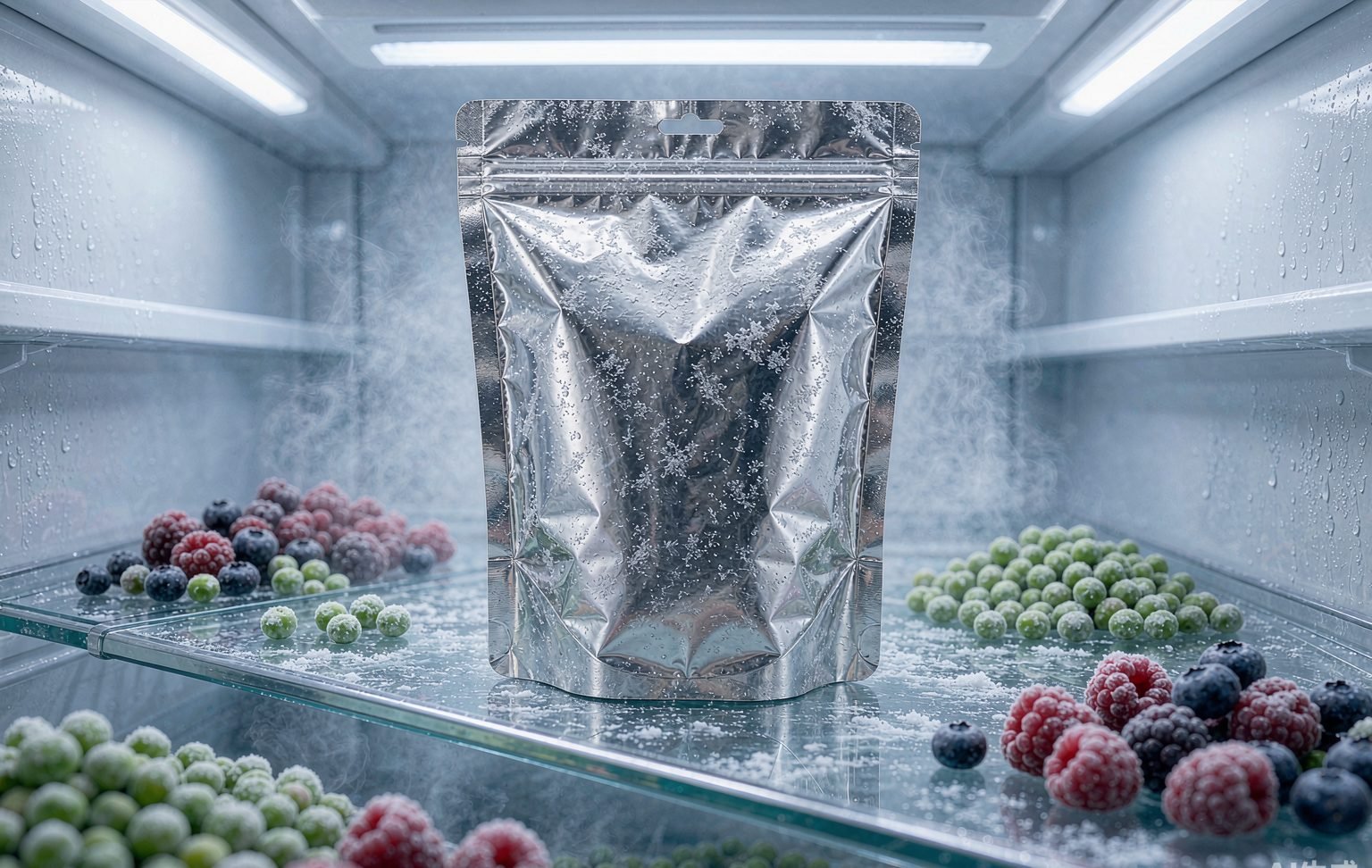
Kibble is engineered for shelf stability while sealed, but the clock speeds up the moment the bag opens. Fat oxidation is the main enemy, and oxygen exposure is exactly what a dog food bag’s multi-layer barrier exists to slow. Most manufacturers and veterinarians converge on the same practical guidance: use an opened bag within roughly four to six weeks, and sooner in hot or humid climates where rancidity accelerates.
| Condition | Practical freshness window | Why |
|---|---|---|
| Sealed bag, cool dark storage | Months to the printed date | Barrier layers keep oxygen out |
| Opened, bag rolled and clipped | About 2-4 weeks | Every opening traps fresh air inside |
| Opened, decanted to airtight bin | About 4-6 weeks | Less air exchange per scoop |
| Opened in heat and humidity | About 2-3 weeks | Warmth speeds fat oxidation |
This freshness math is the real reason bigger is not automatically better among dog food bag sizes. A bag sized to finish in five weeks delivers full aroma and nutrition to the last scoop, while a twice-as-large bag stretched to three months quietly degrades. Pet food packaging structure matters here too, which is why dark barrier films earn their keep; our explainer on why dog food comes in black bags covers how that packaging choice protects fats from light-driven rancidity.
Storage Tips That Stretch Any Bag Size
Whatever size you buy, storage habits decide how much of the freshness window you actually get. Keep the original bag even when decanting, because its foil or high-barrier layers beat most plastic bins, and the printed date and lot code stay with the food. Roll the top down tightly after every scoop and clip it, or fold and seal it with the bag’s zipper where one exists; our guide to zipper types on flexible packaging explains why press-to-close strips differ so much in seal quality.
If you decant into a bin, slide the whole bag in rather than pouring, and wash the bin between bags so old oils do not seed rancidity in the new batch. Store everything cool and dark, off the floor, away from appliances that cycle heat. Buy sizes you can finish in the freshness window rather than sizes that look like a bargain, because the cheapest feeding plan is the one where no cup goes stale. Households that rotate flavors or feed mixed diets do best with several smaller dog food bag sizes rather than one bulk bag, and the same portioning logic that sizes Mylar bag sizes for dry goods applies to treat storage as well.
FAQ: Dog Food Bag Sizes
What size dog food bag should I buy for one dog?
Multiply your dog’s daily ration by four to six weeks of feeding and buy the closest bag under that total. For most single small-to-medium dogs that lands on the 7-15 lb tier, while large breeds land on 20-30 lb. Staying inside the freshness window matters more than the per-pound saving on bigger dog food bag sizes.
Do bigger bags really save money?
Per-pound value rises with bag size across the premium tier, but the saving only counts if your dog finishes the bag while it is still fresh. A half-wasted bulk bag is the most expensive purchase in the aisle, so size to your real consumption first and treat bulk as the bonus, not the goal.
How long does an opened bag of dog food stay fresh?
Plan on roughly four to six weeks for an opened bag stored well in a sealed container, and closer to two or three weeks in warm, humid conditions or when the bag is only rolled and clipped. Aroma fading and a stale or paint-like smell are the signals that fats have oxidized past their best.
Why do bag sizes differ so much between brands?
There is no enforced standard, so brands choose rungs that fit their lines and markets, though the 5, 15, 30, and 40 lb neighborhood repeats widely. Compare brands by cost per daily ration at your dog’s portion, not by bag size alone, since kibble densities and recommended portions vary.
Should I store dog food in the original bag?
Yes, ideally the whole bag inside an airtight bin. The bag’s barrier layers protect better than bare plastic, the date and lot code stay readable for recalls, and double protection limits air exchange every time you scoop. Poring kibble loose into a bin throws away the packaging engineering you paid for.
The Bottom Line on Dog Food Bag Sizes
Dog food bag sizes are a freshness problem wearing a value costume: the best size is the largest bag your household can finish within four to six weeks of opening, decanted into an airtight container and stored cool and dark. Toy breeds do best with 4-7 lb bags, single medium dogs with 15-22 lb, large and multi-dog homes with 30-40 lb, and anyone trying a new formula starts with a trial bag no matter how good the bulk deal looks. Run the daily-ration math once, buy to that number, and every scoop stays as fresh as the first.