Digitally printed flexible packaging delivers several standout benefits for your business and your customers.
| Advantage | Explanation |
|---|---|
| Enhanced Graphic Quality | High-resolution graphics and vibrant colors help products stand out on shelves. |
| Cost-Effective Prototyping | You can test new designs with short runs, reducing risk and saving money. |
| Sustainable Solutions | Digital printing uses less material and energy, supporting eco-friendly goals. |
| Low Minimum Orders | Small batch production lets you respond quickly to market changes. |
| Shorter Lead Times | Fast turnaround means your products reach the market sooner. |
| SKU Diversity | Easily print multiple product variations in a single run. |
| Customization & Personalization | Offer unique packaging that connects with individual customers. |
These advantages impact your operations by increasing speed, flexibility, and efficiency, while your customers benefit from personalization and sustainability.
Branding & Design Flexibility
High-Quality Graphics
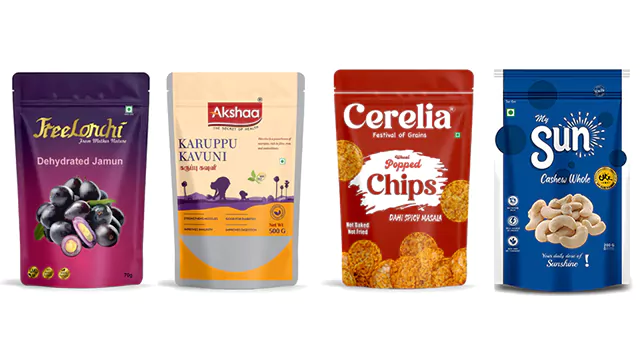
You want your product to stand out on the shelf. Digitally printed flexible packaging helps you achieve this with sharp, vibrant, and precise graphics. Digital printing technology produces images with bright colors and fine details that often look better than those made with traditional methods. Recent advancements allow for photo-realistic images and intricate designs, which are important for brands that rely on visual appeal. You can expect every package to have consistent color and perfect image registration, making your brand look professional and trustworthy.
Digital printing supports a wide range of materials, including plastics and metal, so you can choose the best option for your product. This flexibility means you can create packaging that matches your brand’s style and meets your customers’ expectations.
Easy Design Updates
You need to respond quickly to market trends and customer preferences. Digital printing makes it easy to update your packaging designs without extra setup costs or delays. You can launch seasonal promotions, limited editions, or new product lines with minimal effort. For example, a cake company used digital printing to manage multiple vanilla suppliers, allowing them to change packaging designs quickly for each supplier. In another case, Pelé Coffee in Sao Paolo printed 5,000 packs featuring the same-day newspaper front page, which led to a huge boost in sales and online engagement.
Brands often plan monthly campaigns that match seasonal events, such as Valentine’s Day or summer holidays. With digital printing, you can refresh your packaging to stay relevant and connect with your audience. You can also add QR codes or special messages for different regions or customer groups, making your marketing more personal and effective.
| Aspect | Traditional Printing | Digital Printing |
|---|---|---|
| Design Flexibility | Limited | High |
| Turnaround Time | Slow | Fast |
| Customization | Difficult | Easy |
Digitally printed flexible packaging gives you the power to adapt quickly, keep your branding fresh, and engage customers in new ways.
Customization & Personalization
Multiple SKUs
You face growing demands for more product variations, flavors, and sizes. Digitally printed flexible packaging helps you manage multiple SKUs with ease. You can switch between designs quickly, which reduces changeover time and keeps your production line moving. Unlike traditional printing, you do not need separate plates or long setup times for each SKU. This approach saves you money and cuts down on waste.
- Digital printing only needs one setup for all SKU variations.
- You lower costs by skipping printing plates and using less material.
- You boost production capacity by letting digital presses handle short runs while conventional presses focus on large orders.
- You can redeploy staff because digital presses require less specialized labor.
- You gain the agility to produce seasonal, personalized, or e-commerce packaging on demand.
HP Indigo’s digital presses, like the Indigo 20000, show how you can create cost-effective short runs and personalized packaging. With software tools, you can produce unlimited variations in images, text, and colors. This flexibility supports mass customization and helps you keep up with changing market needs.
Variable Data Printing
Variable Data Printing (VDP) lets you personalize every package. You can print unique labels, messages, or designs based on customer data. This technology uses templates with placeholders and connects to databases, so each package can feature a different name, code, or image without slowing down production.
- You start with a template that has both fixed and variable elements.
- You link the template to a data source, such as customer names or order details.
- The digital press reads the data and prints each package with its own unique information.
Real-world uses of VDP include Coca-Cola’s bottles with individual names, packages with randomized designs, and QR codes that link to recipes or promotions. You can also add codes for product authentication, recycling instructions, or supply chain tracking. These features help your brand stand out and create a stronger connection with your customers.
Consumers, especially younger buyers, want products that reflect their identity and values. Personalized packaging increases engagement and loyalty. Digitally printed flexible packaging makes it easy for you to meet these expectations, even for small batches or direct-to-consumer shipments.
Speed & Efficiency
Fast Turnaround
You want your products on shelves quickly. Digitally printed flexible packaging helps you achieve this goal by removing many of the delays found in traditional printing. You do not need printing plates, so you skip the time and cost of plate creation. You can send your artwork file and start printing almost right away. This process lets you launch new products or update designs much faster.
- Digital printing removes setup fees and delays.
- You can change designs instantly by uploading a new file.
- Fewer production steps mean faster package creation and shipment.
- Companies like ePac deliver orders within five days of artwork approval.
Traditional packaging often takes six to twelve weeks because of setup and minimum order requirements. When you switch to digital printing, you can cut lead times to just two or three weeks. Brands like Nuts About Granola and Fleurir Chocolates have reduced their lead times from months to weeks. This speed helps you respond to market trends and launch products ahead of competitors.
Note: Fast turnaround supports just-in-time supply chains and reduces the risk of holding outdated inventory.
On-Demand Printing
On-demand printing gives you control over your packaging orders. You print only what you need, when you need it. This approach helps you avoid overproduction and lowers storage costs. You can respond quickly to sudden changes in consumer demand or market trends.
- Print-on-demand minimizes storage needs and reduces waste.
- You save money by avoiding large upfront print runs.
- You can produce limited editions, seasonal promotions, or test new products quickly.
- Customization becomes easy, even for small batches.
Digitally printed flexible packaging lets you manage inventory more efficiently. You do not need to worry about obsolete stock. You can print smaller batches and update designs as needed. This flexibility keeps your business agile and ready for new opportunities.
Sustainability Benefits

Less Waste
You can reduce waste significantly by choosing digital printing for your flexible packaging. Traditional printing methods require printing plates, which create material waste every time you update a design or start a new job. Digital printing eliminates the need for these plates, so you avoid this extra waste. You also print only what you need, when you need it. This print-on-demand approach helps you avoid overproduction and keeps your inventory lean.
Note: Research shows that up to 30% of packaging inventory gets destroyed each year because of bulk production. Digital printing helps you avoid this problem by letting you order smaller quantities and update designs quickly.
Here are some key ways digital printing reduces waste:
- No printing plates means no plate-related waste.
- On-demand printing prevents excess inventory and obsolete packaging.
- Sustainable materials, like recyclable films and polymer-based inks, further cut down on environmental impact.
- Carbon-neutral press operations, such as those used by ePac, lower emissions.
A recent industry study found that digital printing can reduce substrate waste by up to 15% compared to flexography. You also avoid the energy and water used in plate production and cleaning.
Eco-Friendly Processes
Digital printing uses several eco-friendly processes that help protect the environment. You benefit from lower energy use, fewer harmful chemicals, and more sustainable materials. Many digital presses, like the HP Indigo 20000, operate with carbon-neutral technology. This means they produce less CO2 and help lower your carbon footprint.
- Digital printing uses water-based, soy-based, or vegetable-based inks, which contain fewer volatile organic compounds (VOCs) than petroleum-based inks.
- You avoid hazardous air pollutants and reduce greenhouse gas emissions.
- Energy-efficient equipment and UV LED curing systems use up to 30% less energy than traditional methods.
- No need for large-scale water cleaning, which saves thousands of gallons each year.
- You can choose recyclable or post-consumer recycled (PCR) films for your packaging.
| Aspect | Digital Printing | Traditional Printing |
|---|---|---|
| Carbon Footprint | Lower | Higher |
| Energy Consumption | Lower | Higher |
| Water Usage | Lower | Higher |
| Chemical Use | Minimal | Significant |
| Waste Production | Less | More |
By switching to digital printing, you support a cleaner, greener future for your business and the planet.
Digitally Printed Flexible Packaging for Cost Savings
Short Runs
You can save money by choosing digital printing for short production runs. Traditional printing methods, like flexography or gravure, require expensive plates and long setup times. Digital printing removes these costs. You do not need to pay for plates or cylinders, which makes small batches more affordable. When you want to test a new product or launch a limited edition, digital printing gives you the flexibility to print only what you need.
Here is a comparison of costs and setup times:
| Aspect | Flexo Printing | Digital Printing |
|---|---|---|
| Minimum Run Size | 1,000+ units | 1 unit |
| Example (5,000 units) | $0.10 per unit ($500 total) | $0.25 per unit ($1,250 total) |
| Setup Time | 2–3 hours (plate creation/setup) | 10–15 minutes (direct-to-printer) |
| Cost-effectiveness | Best for large runs | Best for short runs |
You benefit from fast setup and the ability to change designs quickly. Digital printing is ideal for prototypes and short runs, usually between 2,000 and 5,000 units. You avoid overproduction and reduce waste. Many companies use digital printing for new product launches because it allows for quick changes and lower upfront costs.
Tip: Use digital printing for seasonal packaging or market tests to keep costs low and respond quickly to customer feedback.
Lower Inventory Risk
Digital printing helps you manage inventory more efficiently. You can print packaging on demand, so you only order what you need. This approach reduces the risk of leftover stock and obsolete packaging. For example, if you sell four flavors of jam, you can adjust label orders based on real sales data each month. If one flavor becomes more popular, you can quickly print more labels for that product without waiting for long lead times.
- Order small quantities as needed, avoiding large stockpiles.
- Respond to market changes or new regulations by updating packaging quickly.
- Reduce waste and storage costs by printing only what you need.
Companies often find that digital printing lowers the amount of packaging they must destroy each year. You can measure this improvement by tracking inventory levels and waste reduction. Many brands report that they no longer need to keep large amounts of packaging in storage, which saves money and space. You also gain the ability to update designs for special promotions or compliance needs without extra costs.
Note: Digital printing supports just-in-time production, helping you align packaging orders with real demand and reduce financial risk.
Digitally Printed Flexible Packaging gives you the power to adapt quickly, reduce waste, and connect with customers through unique designs.
- You can launch small runs, test new ideas, and respond to trends with speed and flexibility.
- Experts note that digital printing supports business growth by enabling customization, improving supply chain efficiency, and meeting sustainability goals.
- As the market grows, consider consulting a packaging expert or exploring digital solutions to keep your brand agile and competitive.
FAQ
What types of products work best with digitally printed flexible packaging?
You can use digitally printed flexible packaging for food, snacks, coffee, pet treats, supplements, and cosmetics. This method works well for products that need eye-catching designs or frequent updates.
How does digital printing support sustainability?
You reduce waste by printing only what you need. Digital printing uses less energy and fewer materials. Many presses use eco-friendly inks and recyclable films.
Choosing digital printing helps you lower your carbon footprint.
Can you print small quantities without high costs?
Yes, you can print small batches without paying for expensive plates or setup fees. Digital printing lets you test new products or run limited editions affordably.
How quickly can you receive your packaging?
You often receive your packaging within two to three weeks after artwork approval. Some providers deliver even faster.
Fast turnaround helps you respond to market trends and customer needs.
Is it possible to personalize each package?
You can personalize every package with names, codes, or images. Variable data printing makes it easy to create unique designs for each customer or product.