
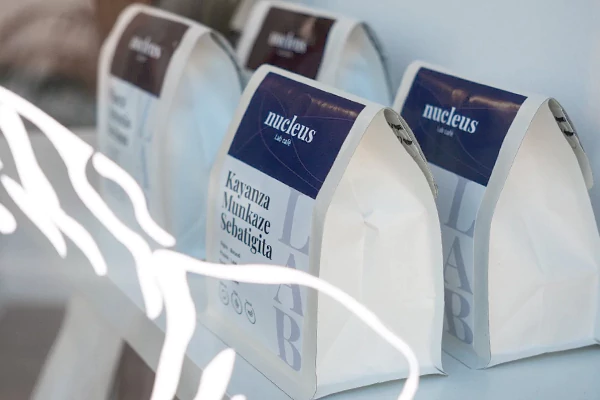
In a world increasingly focused on environmental footprints, the choice of packaging material has become a defining statement for any brand. At the center of this new landscape lies the critical debate of bioplastics vs plastics.
On one side, we have conventional, petroleum-based plastics: the familiar, versatile, and incredibly durable materials that have defined the last century. On the other, we have bioplastics: the innovative, plant-derived materials that promise a greener alternative. But is the choice really that simple? Is one clearly a hero and the other a villain?
This guide will provide a deep, professional comparison. We will move beyond the headlines to analyze the fundamental differences between these two material families—from how they are made and how they perform, to their true environmental impact and their respective places in a sustainable future.
Source & Raw Materials: The Fundamental Divide
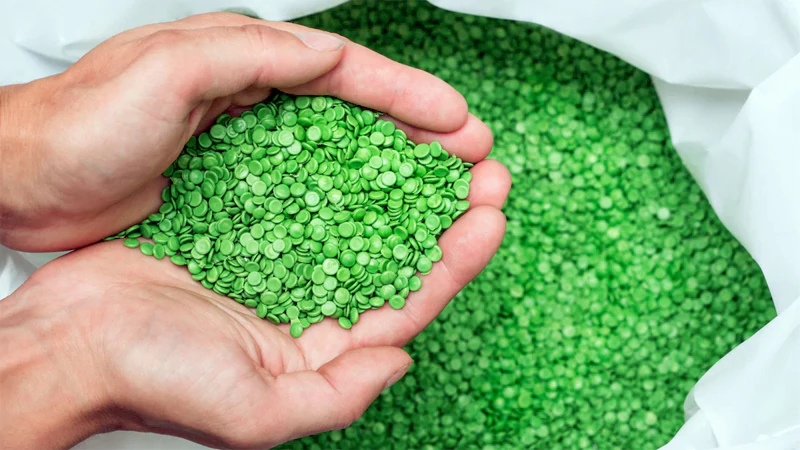
The most fundamental difference in the bioplastic vs plastic debate lies in their origin story. Where a material comes from dictates its entire environmental footprint, from carbon emissions to resource depletion.
Conventional plastics, such as the familiar PET, PE, and PP, are polymers derived from finite fossil fuels. The process begins with the extraction of petroleum or natural gas, which is then refined into the chemical building blocks (monomers) that are linked together to form plastic. Their source is their primary environmental drawback, as it relies on a non-renewable resource and a carbon-intensive industry.
Bioplastics, in contrast, are polymers derived from renewable biomass. This is their core advantage and defining characteristic.
How are Bioplastics Produced?
Instead of drilling for oil, the process for producing bioplastics often starts on a farm. In a process that is sometimes compared to brewing, sugars are extracted from plants like corn or sugarcane. Microbes, such as yeast or bacteria, then ferment these sugars to create new chemical building blocks (monomers) like lactic acid. Finally, these monomers are chemically linked together (polymerized) to form a polymer, such as PLA (Polylactic Acid).
Bioplastics from Agricultural Waste
Furthermore, the industry is advancing rapidly to strengthen its sustainability claims. The innovation of bioplastics from agricultural waste is a critical part of this evolution. These “second-generation” materials utilize non-food sources like corn stover (the stalks and leaves), sugarcane bagasse, or wood chips. This approach directly addresses the “food vs. fuel” debate, creating valuable materials from what was once considered waste and further reducing the environmental impact.
Performance & Application: A Question of Functionality
When choosing a packaging material, a brand’s primary concern is performance. The package must protect the product, function correctly for the consumer, and be compatible with production processes. In this arena, the differences between bioplastic vs plastic are a matter of matching the right material to the right job.
It’s important to acknowledge that conventional plastics dominate the market for a reason. Decades of research and development have made them incredibly versatile, durable, and capable of providing exceptional, high-performance barriers against oxygen and moisture. From flexible pouches that can be retort-sterilized to rigid bottles that are virtually unbreakable, there is a proven, cost-effective fossil-fuel-based plastic for almost any application imaginable.
What are Bioplastics Used For
Bioplastics, while rapidly innovating, have carved out significant markets where their unique properties and sustainable profile provide a clear advantage. Common applications include:
- Single-Use Foodservice: This is a major market. Compostable PLA is an excellent material for disposable items like cold cups, cutlery, straws, and take-out containers.
- Short-Shelf-Life Food Packaging: For products like fresh produce, bakery items, and some snacks, the end-of-life of the package aligns with the short life of the product.
- 3D Printing: PLA has become the go-to material for consumer-grade 3D printing due to its ease of use and low melting point.
- Agricultural Films: Biodegradable films are used as mulch films that can be tilled directly into the soil after the harvest, saving farmers time and labor.
However, it’s also crucial for brands to understand their current limitations. For example, standard PLA has a lower heat tolerance than PP or PET, making it unsuitable for hot-fill applications or microwaveable trays without special modifications. While their barrier properties are good and constantly improving, they may not yet match the extreme, multi-year shelf-life requirements for certain medical or military applications where traditional multi-layer fossil-fuel films still excel.
End-of-Life & Environmental Impact: The Most Critical Comparison
A material’s true environmental cost is revealed not just in its creation, but in what happens to it after its job is done. This is where the philosophical divide between bioplastic vs plastic is at its widest and most complex.
The End-of-Life for Conventional Plastics
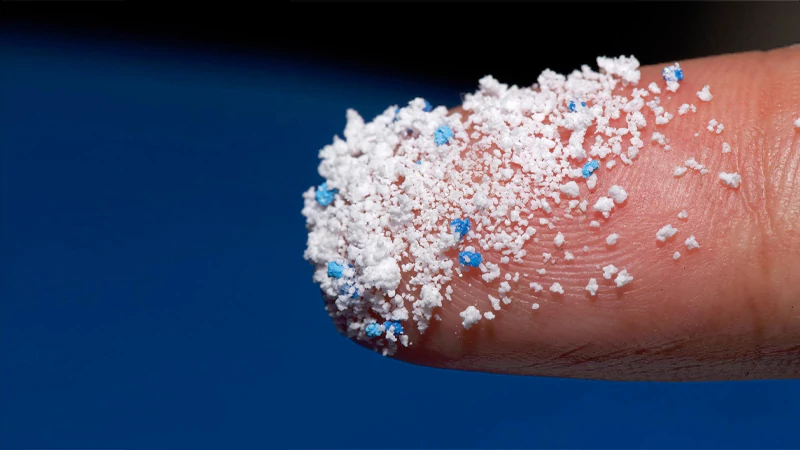
The greatest weakness of conventional plastics is their extraordinary durability. The strong chemical bonds that make them so useful also mean they are not designed to break down in nature. When a traditional plastic package ends up in a landfill or the environment, it will persist for hundreds, or even thousands, of years, slowly fragmenting into harmful microplastics that contaminate our soil and waterways.
The intended solution for this problem is recycling. In theory, this creates a circular system. Materials like PET (used for water bottles) and HDPE (used for milk jugs) are highly recyclable. However, in practice, the global recycling infrastructure is inefficient. Contamination, sorting challenges, and complex multi-layer materials mean that only a small fraction of all plastic produced is ever successfully recycled. The vast majority still ends up as waste.
The End-of-Life for Bioplastics
Bioplastics offer a revolutionary alternative to this linear path: a potential return to the earth through biodegradation and composting. However, this is where a deep and expert understanding is crucial, as the reality is highly specific to the type of bioplastic.
- Compostable Plastics (like PLA): These materials are designed to break down, but they require the specific conditions of an industrial composting facility—sustained high heat, humidity, and a rich microbial environment. PLA will not biodegrade in your backyard compost bin, in the soil, or in the ocean in a practical timeframe. Its environmental benefit is entirely dependent on it being disposed of in the correct organic waste stream that leads to such a facility.
- Biodegradable Plastics (like PHA): This is where the promise becomes more powerful. Many types of PHA are certified to biodegrade in a much wider range of natural environments, including soil and even marine ecosystems, offering a more robust solution to the plastic pollution problem.
- Bio-based but Non-Biodegradable Plastics (like Bio-PET): These “drop-in” plastics must be recycled just like their fossil-fuel counterparts.
Can Bioplastic be Recycled?
This is a critical and common question. The answer is complicated: some can, but most should not be mixed with traditional plastics.
Bio-based “drop-in” plastics like Bio-PET are chemically identical to petroleum PET and can and should be placed in the standard recycling stream.
However, compostable plastics like PLA are a major contaminant in the conventional recycling stream. PLA has a different melting point and chemical makeup than PET or other common plastics. Even a small amount of PLA mixed into a bale of recycled PET can ruin the integrity of the entire batch, rendering it worthless. Therefore, PLA must be kept separate and sent to an industrial composter, not the recycling bin. This necessity for separate and distinct disposal streams is one of the biggest challenges facing the bioplastics industry today.
The Verdict: Are Bioplastics a Good Alternative to Traditional Plastics?
After comparing the source, performance, and end-of-life of these two material families, we can now answer the ultimate question. The verdict is a nuanced but confident “yes, but under the right conditions.” Bioplastics represent a significant and necessary step forward, but they are a tool that must be used correctly to be effective.
Yes, bioplastics are a superior alternative because:
- They fundamentally shift our reliance from finite fossil fuels to renewable, plant-based resources, creating a more sustainable material economy.
- Their production process often results in a lower carbon footprint, contributing to the fight against climate change.
- Most importantly, they offer viable end-of-life solutions like industrial composting and biodegradation, providing a pathway for materials to return to the earth in a circular system—a solution that conventional plastics simply cannot offer.
However, their success is entirely dependent on three critical factors:
- Choosing the Right Bioplastic for the Right Product: A brand must match the material’s properties (e.g., heat tolerance, barrier) to the product’s specific needs.
- The Existence of Proper Infrastructure: The environmental benefits of a compostable plastic like PLA are only realized if a community has access to the industrial composting facilities needed to break it down.
- Clear Consumer Education: Brands have a responsibility to clearly label their packaging, instructing consumers on exactly how to dispose of it correctly to avoid contaminating traditional recycling streams.
When these conditions are met, bioplastics are not just a good alternative; they are a truly transformative one.
Your Partner in Sustainable Innovation
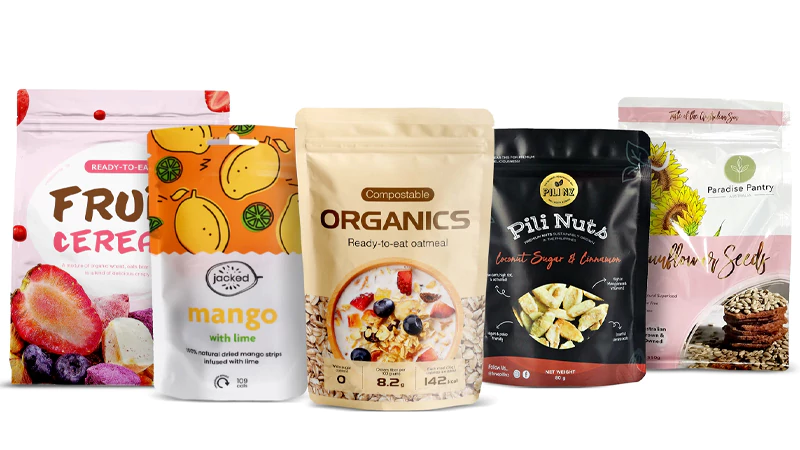
Making the complex choice between the familiar world of conventional plastics and the diverse, evolving landscape of bioplastics requires more than just good intentions—it requires deep expertise. For a brand, navigating the nuances of material performance, end-of-life infrastructure, and consumer communication can be a daunting challenge. This is where a knowledgeable packaging partner becomes essential.
At BN PACK, we are committed to helping brands make truly sustainable packaging choices. We don’t just sell bags; we provide expert guidance. Our team understands the critical differences in the bioplastic vs plastic debate and can help you select the ideal material that aligns with your product’s needs, your brand’s values, and your customers’ expectations. From high-barrier, recyclable mono-materials to innovative, compostable PLA films, we engineer solutions that are both practical and future-focused. Let us be your partner in building a more sustainable brand.
FAQs
Are bioplastics better for the environment?
In most full life-cycle analyses, the answer is yes, they generally offer significant environmental advantages. Their primary benefits come from their source and their end-of-life potential. By using renewable plant resources instead of finite fossil fuels, they reduce our dependency on petroleum and often have a lower carbon footprint during production. Most importantly, they offer a pathway for materials to return to the earth through industrial composting, a circular solution that helps mitigate landfill overflow and plastic pollution.
However, it’s crucial to add that their full environmental benefit is only realized when they are disposed of correctly. A compostable bioplastic that ends up in a landfill, where it lacks oxygen to decompose, does not fulfill its environmental promise.
Are bioplastics better than plastic?
This is a question of “fitness for purpose.” The answer depends on the specific application.
For many products, particularly single-use items in foodservice (like cutlery and cups) and packaging for short-shelf-life foods, bioplastics are often a far superior choice because their compostable end-of-life aligns perfectly with the product’s short lifespan.
However, for a product that requires a multi-year shelf life or extreme heat resistance, a traditional, high-performance plastic might still be the more effective material choice for now. Furthermore, in a region with a highly efficient PET recycling system but no access to industrial composting, a recyclable PET bottle might be a more responsible local choice than a PLA bottle that is destined for the landfill.
The “better” choice is always the one that is best suited for the product’s specific needs and has a clear, achievable, and responsible end-of-life path in the market where it will be sold.
Conclusion
The rise of bioplastics is a powerful and necessary innovation in our global effort to create a more sustainable future. In the bioplastic vs plastic debate, it is clear that bioplastics represent a monumental step away from our dependence on finite fossil fuels and toward a more circular model of manufacturing.
However, they are not a simple, drop-in replacement or a magic bullet that will solve all our problems overnight. Instead, they are a crucial component of a larger, systemic shift. The success of bioplastics depends not only on continued innovation in material science but also on a parallel investment in our infrastructure for collection, composting, and consumer education.
For brands, choosing bioplastics is a commitment to being part of this forward-thinking solution. They are not the final destination, but they are an essential and hopeful step on the journey to a truly circular economy.