Blog
Why Are Side Gusset Pouches So Popular for Snacks
Side gusset pouches offer space efficiency, strong protection, and standout branding, making them the top choice for snack packaging solutions.
Side gusset pouches offer space efficiency, strong protection, and standout branding, making them the top choice for snack packaging solutions.
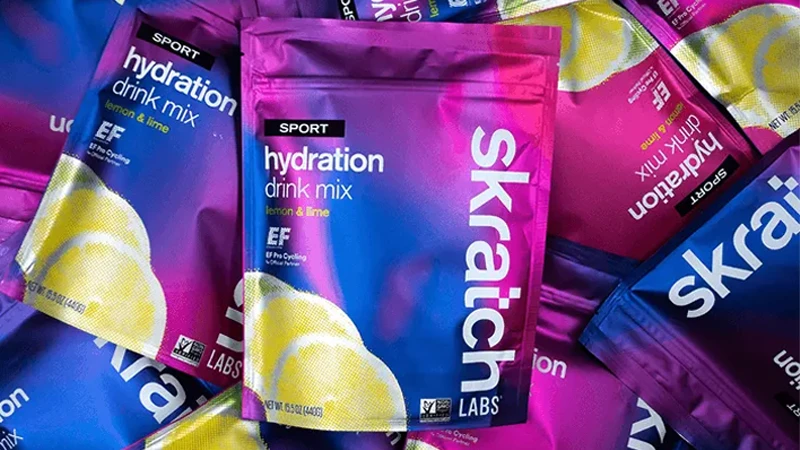
On a crowded supermarket aisle, your packaging is your silent salesman. In the hyper-competitive coffee, pet food, and snack markets, it’s often the vibrant colors
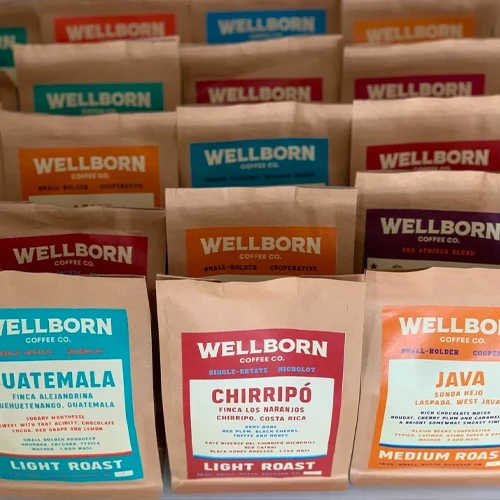
Using different coffee packaging for e-commerce keeps coffee fresh, protects during shipping, and enhances customer experience and brand trust online.
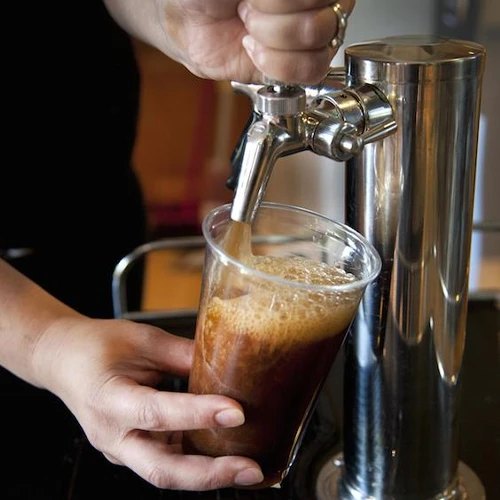
Nitro coffee offers a creamy texture, natural sweetness, and low acidity, making it a smooth, rich, and healthier coffee choice without added sugar or dairy.
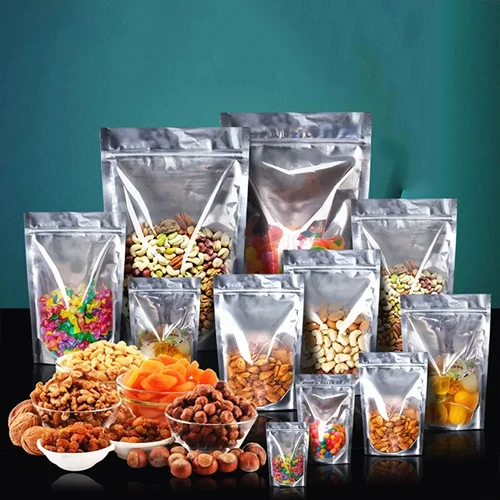
Mylar bags for food storage block oxygen, moisture, and light, extending shelf life and keeping food fresh, safe, and flavorful for years.
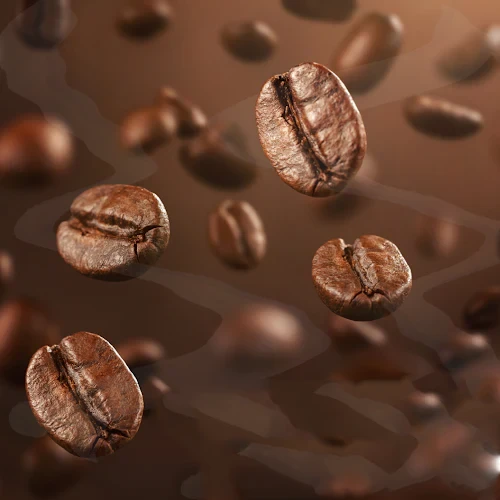
Air roasted coffee offers a cleaner taste, higher antioxidants, less bitterness, and eco-friendly roasting for a healthier, more vibrant cup.
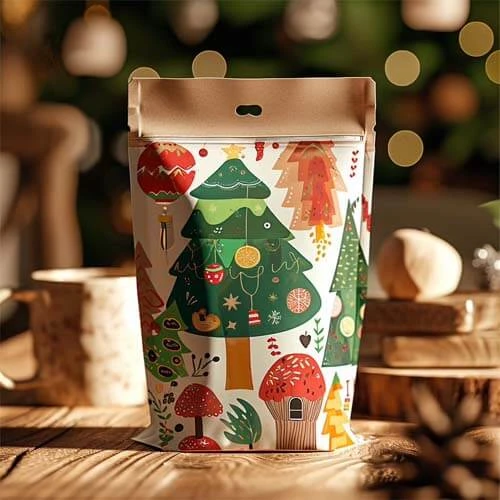
Holiday Packaging Ideas to help your brand stand out with festive designs, sustainable materials, and personalized touches that delight customers.
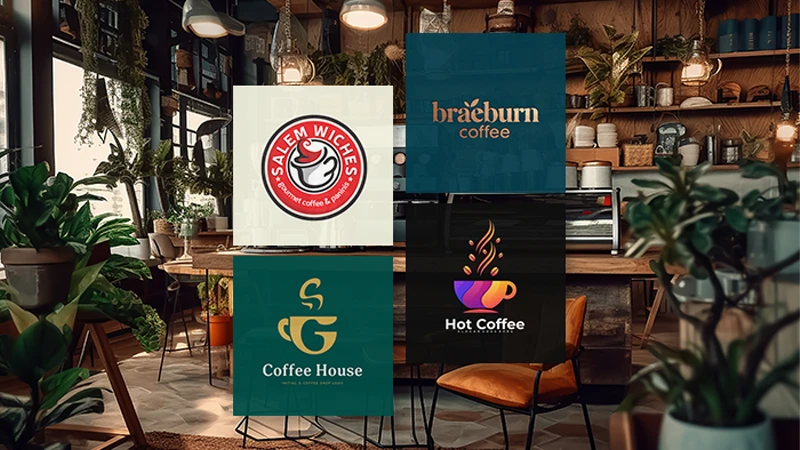
Coffee logo color psychology shapes emotional impact and brand loyalty, influencing how customers perceive and connect with your coffee brand.
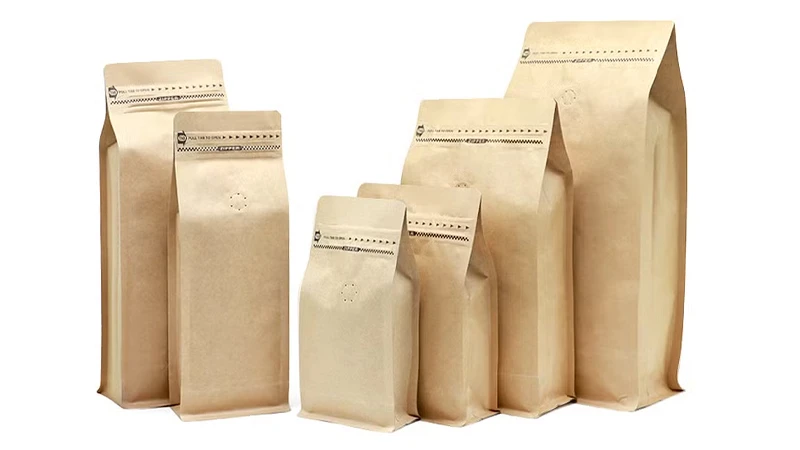
Coffee bag dimensions impact freshness and convenience. Find the best size for your brew by matching bag capacity to your coffee habits and storage needs.
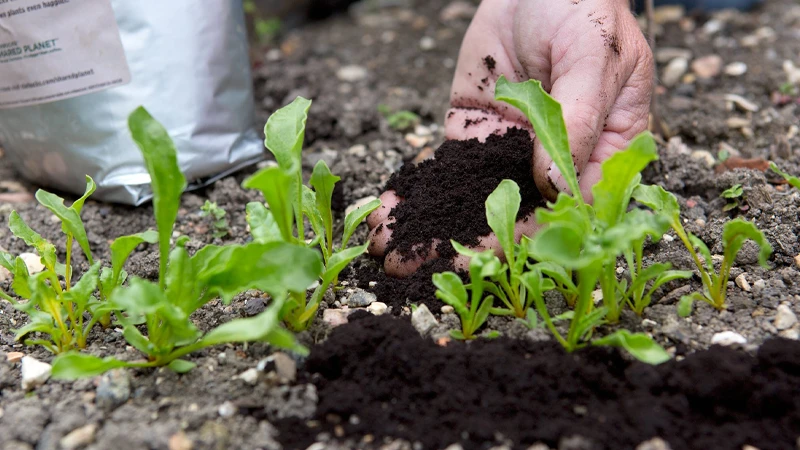
Recycle coffee grounds at home with creative uses for gardening, cleaning, and crafts to reduce waste and support a greener, more sustainable lifestyle.
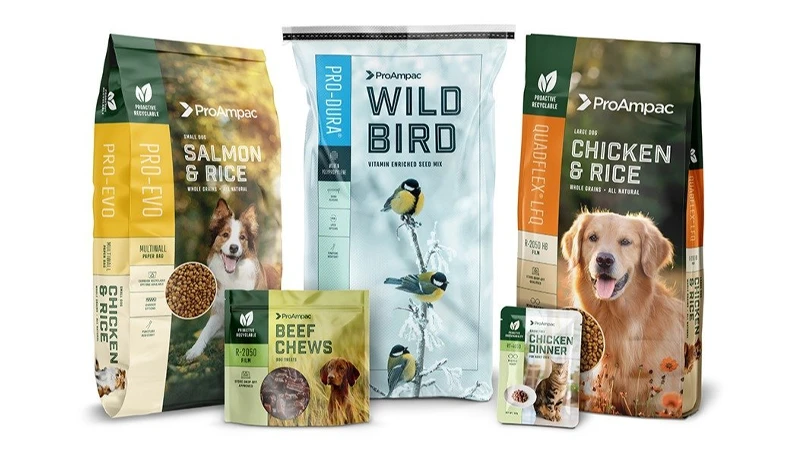
Packaging bioplastic innovations and sustainability trends in 2025 drive eco-friendly solutions, regulatory compliance, and circular economy growth.
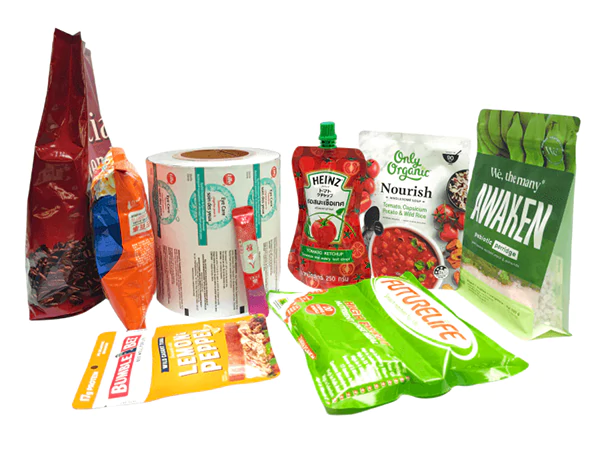
Flexible plastic packaging drives environmental impact through waste and pollution. Solutions include recycling innovations, sustainable materials, and policy changes.