Flexible plastic packaging remains a major driver of waste and pollution worldwide. Each year, about 343 million tonnes of plastic waste are generated, with single-use plastics making up nearly half. Microplastic particles now number in the trillions in oceans, entering food chains and harming ecosystems. Recycling rates for flexible plastics stay alarmingly low, partly due to complex material structures. This creates urgent challenges for consumers, businesses, and policymakers, highlighting the need for responsible choices and solutions to reduce the environmental impact.
Flexible Plastic Packaging
What It Is
Flexible plastic packaging refers to any packaging made from flexible materials that can easily change shape when filled or closed. Manufacturers use a variety of plastic films and laminates to create these packages. The structure often includes a base material, a barrier layer to protect contents from moisture, gas, or light, and a sealant layer that keeps the package closed and secure.
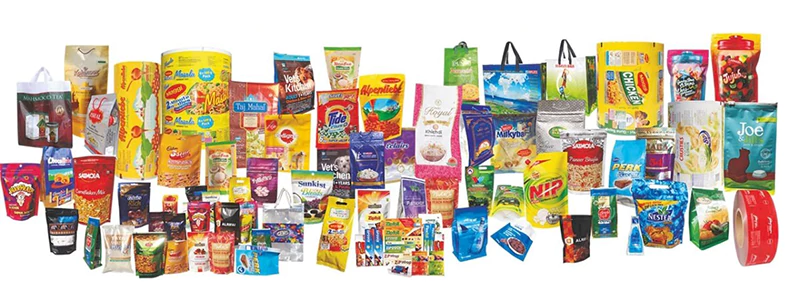
Flexible packaging comes in many forms. Some of the most common types include:
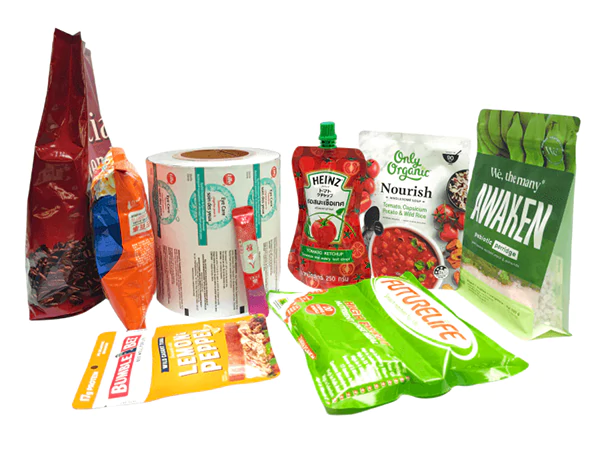
Pouches: Stand-up pouches, stick packs, sachets, gusseted pouches, pillow pouches, zipper pouches, and spouted pouches.
Bags: LDPE, HDPE, PE, BOPP, and non-woven fabric bags.
Films: Polyethylene (LDPE, HDPE, LLDPE), polypropylene (BOPP, CPP), polyethylene terephthalate (PET), nylon, ethylene-vinyl alcohol (EVOH), aluminum foil, PVC, and BOPE.
Protective packaging: Bubble wrap, foams, and packaging tapes.
Each material offers unique properties. For example, LDPE provides flexibility and moisture resistance, while BOPP delivers strength and clarity. Aluminum foil acts as a strong barrier against light and oxygen, making it ideal for sensitive products. The combination of these materials allows manufacturers to tailor packaging to specific product needs.
Note: Flexible plastic packaging structures are designed to balance protection, convenience, and cost efficiency, making them a preferred choice for many industries.
Common Uses
Flexible plastic packaging serves a wide range of industries due to its adaptability and protective qualities. The food industry remains the largest user, relying on flexible packaging for snacks, bakery items, produce, deli meats, pet food, and ready meals. These packages help keep products fresh, extend shelf life, and provide convenience for consumers.
Other industries also benefit from flexible packaging:
Healthcare and Pharmaceuticals: Used for blister packs, medical devices, and pharmaceutical products that require strong barriers and hygiene.
Cosmetics and Personal Care: Packaging for creams, lotions, and toiletries often uses flexible pouches and films for easy dispensing and attractive presentation.
Online Commerce: E-commerce businesses use flexible packaging for shipping goods because it is lightweight and cost-effective.
Industrial and Specialty Sectors: Flexible packaging protects electronic parts, chemicals, and specialty goods from moisture, dust, and damage.
Produce bags made from polypropylene, LDPE, or HDPE are common for fruits and vegetables. Vented pouches keep produce fresh and visually appealing. Stand-up pouches and BOPP bags are popular for snacks, pet food, and deli items. Customization options, such as high-quality printing and resealable features, help brands enhance product appeal and consumer convenience.
Flexible plastic packaging continues to evolve, meeting the diverse needs of modern industries while supporting branding and sustainability goals.
Environmental Impact
Waste and Pollution
Flexible plastic packaging has become a major contributor to the global environmental impact of plastic waste. Packaging accounts for about 40% of the planet’s plastic waste stream. In the United States, packaging makes up 37% of plastic waste, while Europe and China report 38% and 45% respectively. These three regions generate 60% of the world’s packaging waste, highlighting the scale of the problem.
Most flexible plastic packaging is designed for single use. After serving its purpose, it often ends up in landfills or as litter in the environment. Globally, about 85% of single-use plastic food and beverage containers are either landfilled or mismanaged. In total, 46% of plastic waste is landfilled, and 22% becomes litter, polluting landscapes and waterways. This mismanaged waste frequently travels through storm drains and rivers, eventually reaching oceans. Scientists estimate that around eight million metric tons of plastic enter the oceans each year, much of it from packaging materials.
Flexible plastic packaging, including bags and films, persists in both terrestrial and aquatic environments. These materials break down into microplastics, which can harm wildlife and enter food chains. Bioplastics, often marketed as biodegradable, may behave like traditional plastics in marine settings, adding to the environmental impact. Poor disposal practices, especially in developing countries, worsen pollution and threaten ecosystems worldwide.
🌎 Note: The environmental impact of flexible plastic packaging extends beyond visible litter. Microplastics and chemical residues can remain in the environment for decades, affecting soil, water, and living organisms.
Recycling Barriers
Recycling flexible plastic packaging presents significant challenges that limit its positive environmental impact. Globally, only about 9% of all plastic waste is recycled. For flexible plastic packaging, recycling rates are even lower—around 2% in the United States and 6% in the European Union. These figures fall far short of government targets, such as the U.S. goal of 50% plastic recycling by 2050.
Several factors contribute to these low recycling rates:
Complex packaging designs often use mixed materials, colored plastics, and components not intended for recycling.
Lack of suitable regulatory frameworks and delayed implementation of Extended Producer Responsibility (EPR) programs.
Insufficient collaboration among manufacturers, retailers, recyclers, and consumers.
Risk-averse company cultures that resist adopting circular economy practices.
Consumer confusion about which plastics are recyclable, leading to improper sorting.
Inadequate recycling infrastructure and collection systems, especially for lightweight flexible plastics.
Open-loop recycling systems allow plastic materials to leak from the recycling process.
Economic barriers, such as high recycling costs and low market value for certain plastics.
Lack of incentives for reducing virgin plastic production, with ongoing investments in new plastic manufacturing.
Limited corporate efforts that focus on behavior change rather than systemic or design improvements.
Need for better knowledge transfer, training, and motivation among stakeholders.
Flexible plastics are lightweight and efficient for packaging, but their low bulk density and material complexity make them difficult to collect and process. Inks, labels, and adhesives further reduce the quality of recyclate. Restrictions on plastic scrap exports have increased the need for domestic recycling, but many countries still lack the infrastructure to handle flexible packaging at scale. The COVID-19 pandemic disrupted recycling efforts, causing rates to drop in some regions.
♻️ Tip: Improving the environmental impact of flexible plastic packaging requires investment in recycling technology, better collection systems, and clear labeling to guide consumers.
Key Challenges
Material Complexity
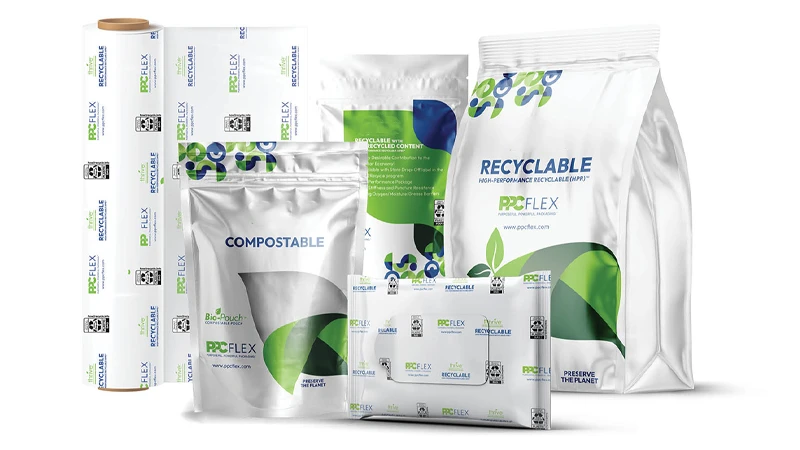
Flexible plastic packaging often relies on multilayer structures that combine different polymers, such as polyethylene terephthalate (PET), polyamide (PA), and polyolefins like polyethylene (PE) and polypropylene (PP). These layers provide strength and barrier properties, making packaging effective for protecting products. However, this same complexity creates major obstacles for recycling. Mechanical recycling plants struggle with flexible films because their high tensile strength can cause machinery jams and contamination in recycling streams. The presence of colored, opaque, or metallized films further reduces the value and recyclability of these materials. When different polymers and additives are mixed, they degrade at different rates and require specialized processing. This makes sorting and recycling both technically and economically challenging. Although new solutions like mono-material packaging and compatibilizing additives are emerging, most flexible packaging remains difficult to recycle, limiting closed-loop systems and increasing environmental impact.
Infrastructure Gaps
Recycling infrastructure for flexible plastic packaging faces significant limitations worldwide. Many waste management systems lack the scale and technology needed to collect, sort, and process these materials efficiently. In rural and less populated areas, recycling facilities are scarce due to low economic returns and high transportation costs. Even in urban centers, advanced sorting equipment is not always available, and contamination from mixed materials remains a persistent issue. For example, in Canada, only 15-20% of flexible plastics are collected, and just 3-4% are recycled. Regional differences also play a role. North America struggles with limited recycling capacity and geographic concentration of facilities, while Europe benefits from more advanced systems and clear labeling. Policy frameworks, such as California’s strict labeling laws, can improve recycling outcomes by reducing confusion and supporting infrastructure development.
Consumer Awareness
Consumer understanding of flexible plastic packaging’s environmental impact remains limited. Many people do not know how to properly dispose of these materials, which leads to low recycling rates. While awareness of sustainability is growing—especially among younger generations—confusion about what is recyclable and how to recycle persists. A 2023 global survey showed that 80% of consumers are willing to pay more for sustainable products, but knowledge gaps still influence purchasing and disposal behaviors. Effective strategies to boost participation include clear in-store signage, consistent public education, and reward-based recycling programs. Brands that communicate transparently and offer accessible recycling options can help bridge the gap, empowering consumers to make more sustainable choices.
Solutions and Innovations
Sustainable Materials
Sustainable materials have become a cornerstone in reducing the environmental impact of flexible plastic packaging. Companies now develop packaging with post-consumer recycled (PCR) content, which lowers the need for virgin plastics. Recycle-ready pouches made from a single type of polyethylene simplify recycling and increase recovery rates. Homogenous packaging designs, using only one material, make sorting and processing more efficient. Digital technologies like QR codes and RFID tags improve supply chain transparency and help track recycling compliance.
Recent life cycle assessments show that using recycled polymers in flexible packaging can cut environmental impacts significantly. For example, recycled HDPE reduces impacts by up to 29% compared to virgin plastics. Recycled PET bottles also perform better environmentally than virgin PET. When packaging contains 50% recycled PET, it narrows the gap between plastic and glass, with plastic often outperforming glass even after multiple reuses.
The table below compares flexible packaging to traditional packaging:
Environmental Aspect | Flexible Packaging Impact | Comparison to Traditional Packaging |
|---|---|---|
Material Use | Uses significantly less material (e.g., 2.5 lbs for 100 lbs beverage) | Glass requires 84 lbs for same volume |
Water Consumption | Much lower (e.g., steel can uses 1605% more water than flexible pouch) | Steel and rigid PET consume far more water |
Fossil Fuel Use | Lower (e.g., rigid pail uses 1429% more fossil fuel than flexible bag) | Rigid containers consume more fossil fuels |
Transportation Efficiency | Requires fewer trucks and pallets due to lighter weight and compactness | One truckload of flat pouches equals 15-25 truckloads of rigid containers |
Carbon Footprint | Lower CO2 and GHG emissions due to less material and transport needs | Flexible packaging reduces carbon footprint compared to glass, steel, rigid PET |
Product-to-Package Ratio | High (e.g., single-serve juice pouch has 97:3 product-to-packaging ratio) | More efficient than rigid packaging |
Shelf Life and Food Waste | Extends shelf life, reducing food waste and associated GHG emissions | Helps reduce methane emissions from landfills |
Recycling Innovations | Development of recycle-ready pouches made from recyclable polyethylene | Improves recyclability compared to multi-material laminates |
Film Technology Improvements | Thinner films with maintained barrier strength; sealant films usable at lower temps | Enhances production efficiency and sustainability |
Major brands have adopted these innovations. IKEA plans to introduce fully biodegradable packaging by 2025. Procter & Gamble uses 100% recyclable materials for products like Tide. Partnerships between brands and suppliers drive the use of recycled and plant-based alternatives, supporting measurable progress in reducing environmental impact.
Recycling Technology
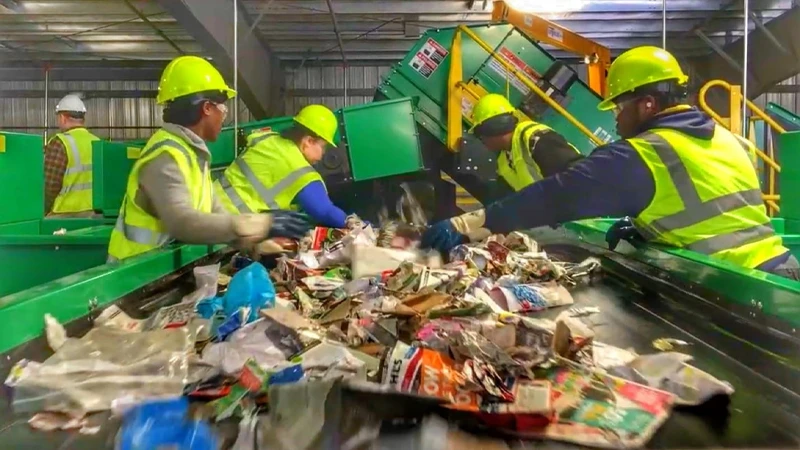
Advancements in recycling technology have made it easier to process flexible plastic packaging. New pre-processing and extrusion methods can filter, wash, and separate layers of multi-material films. These improvements allow the production of recycled polymer flakes and pellets suitable for reuse, even from complex packaging.
Key recycling technologies include:
Selective polymer dissolution, which uses solvents to separate polymers from multilayer films.
Multi-material waste separation, enabling sorting of composite plastics and creating new recycling streams.
Mechanical recycling, involving shredding, washing, drying, and pelletizing, remains scalable and cost-effective for clean, homogeneous plastics.
Chemical recycling, such as solvolysis and catalytic depolymerization, breaks down plastics into monomers for high-quality recycled materials.
Reactive extrusion and polymer upcycling, which improve the properties of recycled polyolefins.
AI and blockchain integration, which enhance sorting accuracy and traceability.
Mechanical recycling works best for single-material packaging but faces challenges with contamination and polymer degradation. Chemical recycling offers a promising solution for mixed or contaminated flexible packaging, producing near-virgin quality polymers. However, it still faces economic and technical hurdles.
Policy and Responsibility
Governments and industry leaders have introduced policies to address the environmental impact of flexible plastic packaging. In the United States, states like California and Colorado have banned certain single-use plastics and mandated compostable packaging. The European Union targets a 55% plastic recycling rate by 2030 and bans many single-use plastics. China and India have also enacted bans and promote compostable and biodegradable packaging.
Extended Producer Responsibility (EPR) schemes play a crucial role. These programs require producers to manage the collection, sorting, and recycling of packaging waste. EPR incentivizes companies to design packaging for recyclability and funds improvements in recycling infrastructure. In the U.S., EPR legislation could triple recycling rates and modernize systems. Globally, EPR drives innovation and supports the shift toward a circular economy.
Businesses respond to these regulations by adopting recyclable and compostable materials. For example, Germany’s Packaging Act encourages mono-material packaging, while North America sees rapid growth in compostable flexible packaging due to regulatory pressure and consumer demand.
Consumer Actions
Consumers have a direct role in reducing the environmental impact of flexible plastic packaging. They can refuse unnecessary plastic items, choose larger or refillable containers, and substitute single-use plastics with reusable alternatives. Proper disposal of essential plastics is critical. Education programs and clear information help consumers make responsible choices and support recycling efforts.
Successful consumer-led initiatives combine direct engagement and education. For instance, the Chilean Plastics Pact ran a house-to-house collection campaign, motivating 67% of participants to recycle more. Integrated marketing campaigns, in-store promotions, and social media outreach prove more effective than on-package sustainability logos alone. Organizations like the Consumer Goods Forum’s Plastic Waste Coalition work globally to improve recycling systems, foster innovation, and promote sustainable packaging through collaborative efforts.
BN PACK Case Study
BN PACK stands out as a leader in sustainable flexible plastic packaging. The company offers a wide range of eco-friendly solutions, including recyclable pouches, biodegradable bags, kraft paper pouches, and compostable packaging. Their materials—such as PLA, PBAT, and recycled PE—are lightweight, customizable, and designed to reduce waste while extending product shelf life.
BN PACK’s commitment to sustainability is evident in its certifications:
Certification / Achievement | Description / Relevance |
|---|---|
ISO9001 | Quality management system certification ensuring consistent product quality. |
FSC Certification | Ensures responsible sourcing of paper materials. |
BRC Global Standard for Food Safety | Certification for food safety compliance. |
FDA Certification | Compliance with US food-grade packaging standards. |
Recyclability of Packaging Certification | Validates packaging is recyclable. |
OK COMPOST HOME Certificate | Certification for home compostable packaging. |
Biodegradable Bags Certificate from OWS | Confirms biodegradability of packaging materials. |
EU EVOH PE Food Grade Certificate | Food-grade certification for packaging materials in the EU. |
Child Resistant Packaging Bag | Safety certification for child-resistant packaging. |
SGS, TUV, QS Food Certification | International certifications ensuring export compliance and quality. |
International Biodegradable Certification | Validates biodegradability of packaging products. |
International Recyclable Certification | Confirms recyclability of packaging products. |
BN PACK’s innovations deliver measurable benefits. Their plastic-free degassing valve technology reduces plastic waste by up to 1 gram per coffee bag, preventing over 1,800 metric tons of waste annually in the U.S. Mono-material, recyclable, and compostable packaging simplifies recycling and lowers carbon footprints. Lightweight designs cut material use and shipping emissions. Refillable and reusable packaging can reduce plastic waste by up to 70% in the beverage sector. Digital printing technology further reduces material waste and energy use.
Real-world results highlight BN PACK’s impact:
Case Study / Example | Product Category / Focus | Key Sustainability Outcomes |
|---|---|---|
Glenroy STANDCAP Pouch vs. Rigid Plastics | Sauces, Condiments, Personal Care | Reduced carbon footprint, fossil fuel use, water consumption, and landfill waste |
Flexible Packaging in Food Waste Reduction | Food Distribution and Retail | Helped reduce food waste and greenhouse gas emissions |
Corporate Adoption by Unilever and Nestlé | Biodegradable Packaging Commitment | Companies committed to biodegradable packaging by 2025, reflecting adoption of BN PACK’s sustainable materials |
General Industry Adoption | Various Industries | Up to 60% less plastic waste and a 30% drop in carbon emissions by companies using BN PACK’s solutions |
BN PACK’s ongoing research explores new materials like algae-based films and water-soluble adhesives, aiming to further reduce reliance on fossil fuels. Their certifications and global reach demonstrate a strong commitment to environmental responsibility and innovation in flexible plastic packaging.
Recent advances in flexible plastic packaging highlight the importance of ongoing innovation and collaboration. Companies now develop recyclable mono-material designs and explore new materials like seaweed-based films. Industry leaders such as BN PACK drive sustainable solutions by offering recyclable, compostable, and reusable packaging that meets evolving market needs. Stakeholders can support eco-friendly practices by sharing resources, investing in education, and promoting transparent sustainability commitments. Together, these efforts move the industry closer to a circular economy and a healthier environment.
FAQ
What makes flexible plastic packaging environmentally challenging?
Flexible plastic packaging often uses multiple layers of different plastics. These layers make recycling difficult. Many facilities cannot process these materials efficiently. As a result, most flexible packaging ends up in landfills or as litter.
How does BN PACK support sustainability in packaging?
BN PACK uses recyclable, compostable, and biodegradable materials. The company holds certifications for food safety and environmental standards. BN PACK also offers customizable solutions that help brands reduce waste and improve shelf life.
Can consumers recycle flexible plastic packaging at home?
Most curbside recycling programs do not accept flexible plastic packaging. Consumers should check local recycling guidelines. Some stores offer drop-off bins for plastic bags and pouches. Proper disposal helps prevent pollution.
What certifications does BN PACK hold for eco-friendly packaging?
Certification | Purpose |
|---|---|
ISO9001 | Quality management |
BRC | Food safety |
OK COMPOST HOME | Compostability |
FDA | Food-grade compliance |
FSC | Responsible sourcing |
Tip: Look for these certifications on packaging to ensure environmental responsibility.