
Imagine the bold aroma of freshly brewed coffee swirling with the malty notes of a cold pint. You might wonder how coffee and beer can work together, but the flavors can create something truly unique. Coffee beer keeps gaining fans every year, especially among craft drinkers.
10% of people have enjoyed coffee beer many times.
38% of craft beer lovers say they’re likely to try it soon.
Brewers now experiment with different coffee types and infusion methods, like cold brew and espresso, for new flavors. Freshness matters, too. That’s why BN PACK provides coffee packaging designed to lock in flavor, so every pairing starts with beans at their best.
Coffee and Beer Flavor Basics
Coffee Flavor Profiles
You might notice that coffee brings a wide range of flavors to the table. Some coffees taste bright and fruity, while others feel rich and chocolatey. Light roast coffee often highlights natural acidity and origin flavors. These pair well with lighter beers like IPAs and blonde ales. Medium roast coffee gives you a nice balance of sweetness, acidity, and body, making it a flexible choice for many beer styles. Dark roast coffee stands out with bold, caramelized flavors and low acidity. This roast works best with darker beers.
Here are some popular coffee profiles used in coffee beer:
Nutty and chocolate notes shine in coffee stouts and porters.
Light-roasted coffee matches well with IPAs, bringing out fruity notes.
Ethiopian coffees offer floral and fruit flavors, perfect for slow sipping.
Cold brewed coffee highlights chocolate notes, making it a great match for milk stouts.
Beer Flavor Profiles
Beer also has its own flavor spectrum. You get everything from crisp and light to deep and malty. Stouts and porters have rich malt flavors, which pair naturally with coffee’s nutty and chocolate notes. IPAs bring out fruity and hoppy flavors, which can blend nicely with light-roasted coffee. Some beers, like wheat beers and lagers, need a gentle touch when adding coffee, so you don’t overpower their delicate flavors.
Here’s a quick look at how beer styles and coffee flavors can work together:
Beer Style | Complementary Coffee Flavor Profile |
|---|---|
Stout | Dark chocolate notes, roasted grain, nutty undertones |
Pale Beer | Unique pairing, creates a special flavor experience |
Wheat Beer | Needs careful balance to keep the beer’s head |
IPA | Must balance coffee bitterness with hop flavors |
Lager/Pilsner | Delicate, needs a light touch with coffee |
How Flavors Interact
When you combine coffee and beer, you create a new experience. The flavors can blend, contrast, or even surprise you. Sometimes, the malt in beer boosts the chocolate notes in coffee. Other times, the hops in an IPA highlight the fruity side of a light roast. Classic coffee-infused beers like Founder’s Breakfast Stout and Kona’s Pipeline Porter show how well these flavors can work together.
Scientists have found that when two drinks share similar aromas, your brain senses more harmony and complexity. This is called a shared flavor network. Both the coffee and the beer change how you taste each one, making the pairing feel richer and more interesting.
You can experiment with different combinations to find what you like best. The world of coffee beer is all about discovery, so don’t be afraid to try new pairings.
Brewing Beer with Coffee
Brewing Methods
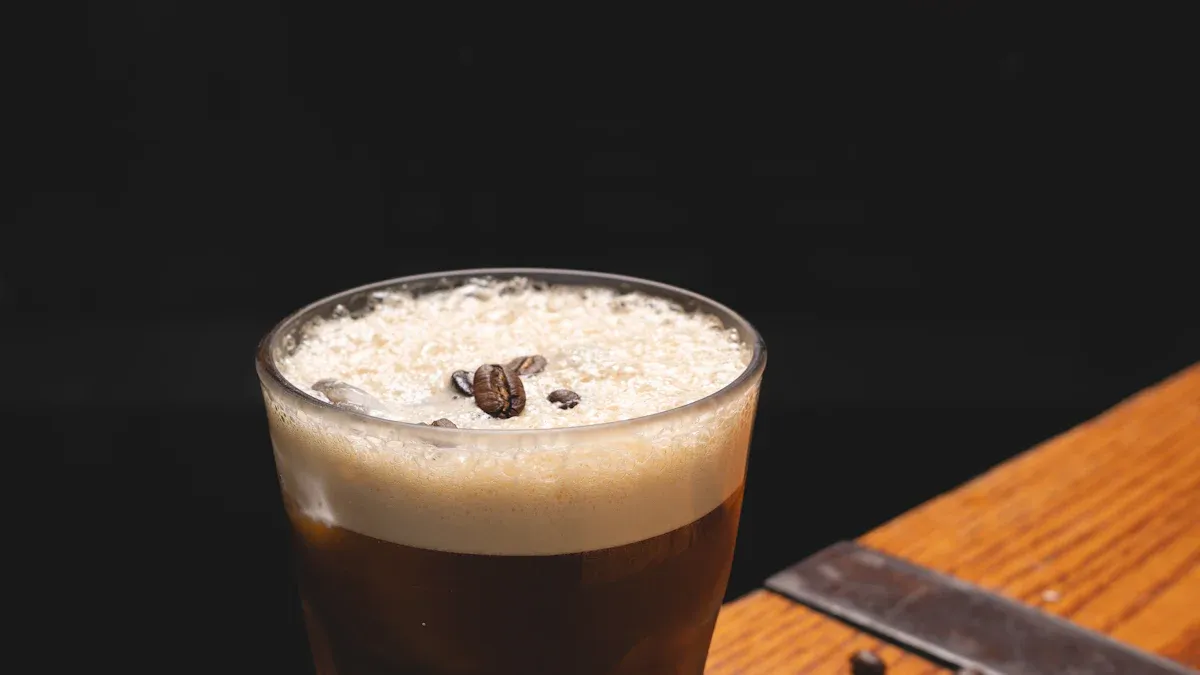
When you start brewing beer with coffee, you have a few popular methods to choose from. Each method brings out different flavors and aromas. Some brewers add ground coffee beans to the boiling wort near the end of the boil. This step gives your beer a gentle coffee flavor without too much bitterness. Others prefer to add coffee after the boil, on the cold side, much like dry hopping. This way, you keep more of the coffee’s natural aroma and avoid harsh notes.
You can also use espresso shots during fermentation or toss in crushed beans before the boil. If you want a bold coffee punch, try combining both methods. Many brewers love using cold brew coffee because it creates a smooth, rich taste without bitterness. Here are some common ways to add coffee to your brew:
Add ground coffee to the wort at the end of the boil.
Steep coffee in the wort after flame-out, around 195-205°F.
Use espresso shots during fermentation.
Add cold brew coffee to the fermenter for a mellow flavor.
Try “dry beaning” by adding whole beans to the fermenter.
Tip: Cold-side additions, like adding coffee during secondary fermentation, often give you the best blend of roasted coffee notes and malt flavors.
Coffee Addition Techniques
You have several techniques for adding coffee to beer, and each one changes the final taste. Steeping coffee in the wort after flame-out is a favorite. You get the best flavor extraction at about 195-205°F. This method keeps the coffee smooth and avoids harsh bitterness. Some brewers add coffee early, like during the boil or steeping with grains. This gives you subtle flavors, but some coffee notes may fade away.
If you want a stronger coffee kick, add it later—during primary or secondary fermentation. This can make the coffee flavor bold, but sometimes it gets too intense. Steeping coffee with grains adds complexity and keeps bitterness low. Adding coffee near the end of the boil lets you extract flavor without overpowering the beer.
Here’s a quick look at how timing affects your beer:
Early additions (boil or steeping): Subtle, mellow coffee flavors.
Late additions (fermentation): Strong, bold coffee notes.
Cold-side additions: Smooth, balanced coffee taste.
You can also try different forms of coffee. Brewed coffee, espresso, cold brew, or whole beans all work. Cold brew is a top pick for many homebrewers. It gives you a smooth roast character without harshness.
Note: Always use fresh coffee for the best results. Store your beans in high-quality BN PACK coffee bags to lock in flavor and aroma until you’re ready to brew.
How Much Coffee to Add to Beer
Now, let’s talk about how much coffee to add to beer. The right amount depends on your beer style and your taste. For stouts and porters, you can start with ten 1.5-ounce shots of espresso for a five-gallon batch. Many recipes suggest using eight to sixteen shots per batch. You can adjust up or down based on how strong you want the coffee flavor.
If you use whole beans or ground coffee, try adding freshly ground beans to the wort after boiling and cooling to about 200°F. Some brewers like to use the “dry beaning” method—add whole beans to the fermenter in a sanitized hop bag and sample the beer every day until you hit the flavor you want. Cold brew coffee is another great option. Soak your beans in room temperature water for 24-48 hours, then add the liquid to the fermenter for a smooth, mellow taste.
Here’s a handy table for homebrewers:
Method | Description |
|---|---|
Dry Beaning | Add whole beans to the fermenter in a sanitized hop bag. Sample daily for desired flavor. |
Cold Brew Integration | Soak beans in water for 24-48 hours, then add the liquid to the fermenter. |
Hot Coffee Addition | Brew coffee, cool it, and add during fermentation or before packaging. Be careful with bitterness. |
The ratio of coffee to beer changes the flavor intensity. Cold-brewed coffee gives a smoother taste. Adjust the coffee-to-water ratio to get the flavor you like. For lighter beers, use less coffee to avoid overpowering the delicate flavors. For dark beers, you can go bolder.
Pro Tip: Always sample your beer as you add coffee. Start small, then add more if you want a stronger flavor. Freshness matters, so keep your coffee in BN PACK coffee bags until brew day.
Coffee Beer Pairing Guide
Matching Coffee and Beer Styles
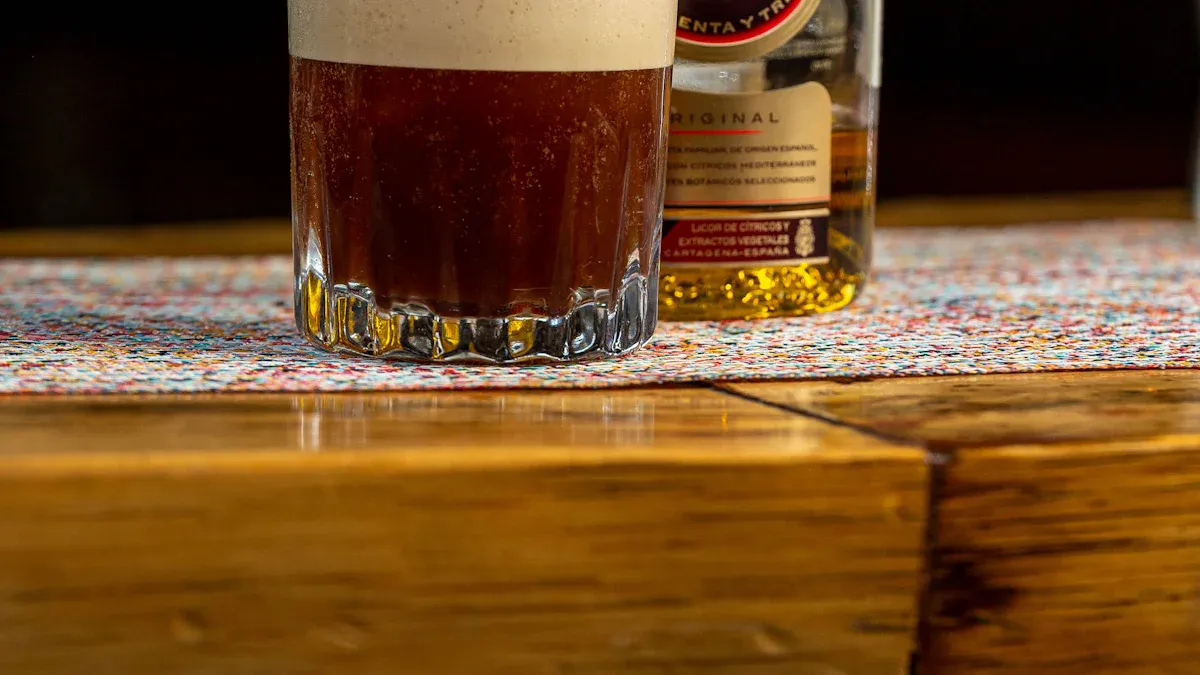
Pairing coffee and beer is a bit like matching food and wine. You want the flavors to work together, not fight each other. Some combinations just click. Here are some classic pairings you can try:
Split Shot Espresso Milk Stout brings creamy sweetness and bold espresso together.
Bear Mug mixes smooth coffee with a malty base for a balanced sip.
Rogue Cold Brew IPA blends citrus hops with cold brew coffee for a refreshing twist.
You can also look at how different coffee types match with beer styles:
Coffee Type | Beer Style | Suggested Pairing |
|---|---|---|
Sumatran coffees | Saisons | Saison Dupont, Boulevard Tank 7 |
Blends | Lagers | Pilsner Urquell, Sixpoint The Crisp |
Experimental processed coffees | Wild and sour beers | Gueuze, Gose |
Stouts and porters love deep, roasted coffee flavors. A coffee stout or coffee porter with nutty or chocolate notes feels rich and satisfying. If you want something lighter, try a light roast coffee with a pale ale or even a coffee ipa. The fruity notes in the coffee can highlight the hops in the beer. Brewing a brown ale with cold-brewed coffee gives you a mellow, slightly sweet drink that doesn’t overpower the beer’s delicate flavors. This shows how the right coffee roast can boost both lighter and richer beer styles.
Pairing by Brewing Method
How you brew your coffee makes a big difference in your coffee beer. Each method brings out different flavors and aromas. Here are some popular ways to blend coffee and beer:
Dry Beaning: Drop whole coffee beans into the fermenter. This method gives you a smooth, gentle coffee flavor. You can taste your beer every day and pull the beans when you hit the flavor you want.
Cold Brew Integration: Soak coffee beans in room temperature water for a day or two. Add the cold brew to your beer for a mellow, chocolatey taste without harsh bitterness.
Hot Coffee Addition: Brew coffee as usual and add it during fermentation or before packaging. Be careful—too much can make your beer bitter.
If you want a coffee-forward stout, cold brew is your friend. It keeps the flavors smooth and lets the chocolate and caramel notes shine. For a porter, dry beaning can add just the right touch of coffee without taking over. A coffee ipa works best with light-roasted beans and cold brew, so the hops and coffee play nicely together.
Tip: Always store your coffee in BN PACK coffee bags. These bags keep your beans fresh and aromatic, so your beer gets the best possible flavor. Freshness matters, especially when you want those subtle coffee notes to come through.
Sensory Pairing Tips
When you taste coffee beer, you use all your senses. The brewing method changes what you smell, taste, and feel. Here’s a quick guide to what you might notice:
Sensory Attribute | Description |
|---|---|
Aroma | The smell of the coffee, which can change with brewing method. |
Flavour | The overall taste, shaped by how you add the coffee. |
Aftertaste | The lingering taste, which can be smooth or sharp. |
Acidity | The brightness or tang, affected by brewing style. |
Body | The thickness or weight, which varies with method. |
Balance | How well the flavors work together. |
Overall Impression | Your final feeling about the drink. |
Try different combinations and see what you like best. Maybe you love a bold coffee porter with a thick, creamy body. Or you might prefer a lighter coffee beer with a crisp finish. Don’t be afraid to experiment. Use BN PACK coffee bags to keep your beans at peak freshness. Good packaging locks in aroma and flavor, so every batch tastes just right.
Note: The right packaging doesn’t just look good—it keeps your coffee and beer pairings tasting their best. Fresh beans make all the difference, so store them well and enjoy the results.
Packaging and Freshness
Role of Coffee Bags
If you want your coffee beer to taste amazing, you need to start with fresh coffee. Packaging plays a huge role in keeping those beans at their best. When coffee gets exposed to oxygen, moisture, light, or heat, the flavors can fade fast. You might notice your coffee losing its punch or even picking up musty notes. That’s why the right coffee bag matters so much.
Coffee packaging shields your beans from oxygen, which can ruin flavor in just a few days.
Moisture-resistant films keep humidity out, so you never have to worry about mold or stale tastes.
Opaque bags block out light, protecting those delicate aromas.
One-way degassing valves let CO₂ escape but stop oxygen from sneaking in, locking in freshness.
If you use poor packaging, you risk losing all those complex flavors before you even start brewing. With the right bag, you keep your coffee vibrant and ready for the perfect beer pairing.
Here’s a quick look at how different packaging methods stack up:
Packaging Method | Benefits | Limitations |
|---|---|---|
Vacuum-Sealed Bags | Keeps oxygen out for long-term storage | Not ideal for freshly roasted coffee (no degassing) |
One-Way Valve Bags | Preserves freshness, lets CO₂ escape | N/A |
Airtight Containers | Durable, reusable, eco-friendly options | Need regular cleaning |
Nitrogen-Flushed Packaging | Prevents oxidation for months | N/A |
Eco-Friendly Packaging | Reduces waste, appeals to green consumers | N/A |
BN PACK Solutions
You want packaging that does more than just look good. BN PACK coffee bags give you the features you need to keep your beans fresh and flavorful. The patented Dual-Zip™ closure system creates an airtight seal, so oxygen stays out and aroma stays in. One-way degassing valves let your coffee breathe without letting in air that could spoil the taste.
BN PACK uses mineral-based barrier films that block UV light and moisture. This means your coffee stays safe from the elements, and you don’t need aluminum, which is better for the planet. You can also choose certified compostable PLA bags if you want an eco-friendly option.
Feature | Benefit for Brewers |
|---|---|
One-way degassing valves | Release CO₂, keep oxygen out, preserve coffee freshness |
Eco-friendly materials | Compostable PLA bags protect against moisture and oxygen |
Dual-Zip™ closure | Double-layer zip locks in aroma and flavor |
Mineral-based barriers | Block UV and moisture, support sustainability |
Whether you brew at home or run a commercial operation, BN PACK coffee bags help you deliver the freshest coffee for your next beer pairing. You get peace of mind knowing your beans are protected, and your beer will always taste its best.
Expert Tips and Mistakes
Pairing Success Tips
Want to make your coffee and beer pairings stand out? Try these expert tips to get the most flavor and fun from every sip:
Pair Ethiopian coffees with IPAs. You get a lively, fruity combo that wakes up your taste buds.
Use cold brewed coffee with milk stouts. The chocolate notes in both create a creamy, smooth treat.
Match Costa Rican coffees with Belgian-style wheat beers. This pairing brings out a balanced, refreshing flavor.
Choose Sumatran coffees for saisons. You’ll notice earthy and spicy notes that make each sip unique.
Enjoy blends with lagers. This combo feels easy to drink and works well for casual gatherings.
Try experimental processed coffees with wild or sour beers. You might discover flavors you never expected.
Tip: Always start with fresh coffee beans. Store them in a high-quality bag, like those from BN PACK, to keep every flavor note locked in until brew day.
Common Pitfalls
Even the best homebrewers run into trouble sometimes. Watch out for these common mistakes when mixing coffee and beer:
Using poor water quality. Bad water can ruin both your coffee and your beer. Always use clean, filtered water for the best results.
Letting fermentation temperatures get too high or too low. This can mess with the flavors and leave your beer tasting off.
Adding coffee the wrong way. If you toss in coffee at the wrong time or use the wrong method, you might end up with bitterness or weak flavor.
Stay mindful of these pitfalls. Taste as you go, and don’t be afraid to experiment. With a little practice, you’ll master the art of coffee and beer pairings in no time!
You can master coffee and beer pairings by choosing the right coffee, picking the best brewing method, and sampling until you find your favorite balance. Try dry beaning or cold brew for different flavors. Use fresh beans and store them in BN PACK coffee bags to keep every note vibrant. Want inspiration? Check out these creative pairings from top breweries:
Brewery Name | Notable Pairings |
|---|---|
Tree House Brewing | Coffee milk stout, barrel-aged coffee stouts |
STEEP Brewing & Coffee | Coconut & Coffee Porter, Coffee Kolsch, Stout |
Modern Times Beer | Oatmeal coffee stout, roastery collaborations |
Go ahead and experiment. Share your favorite combos and discover new flavors!