
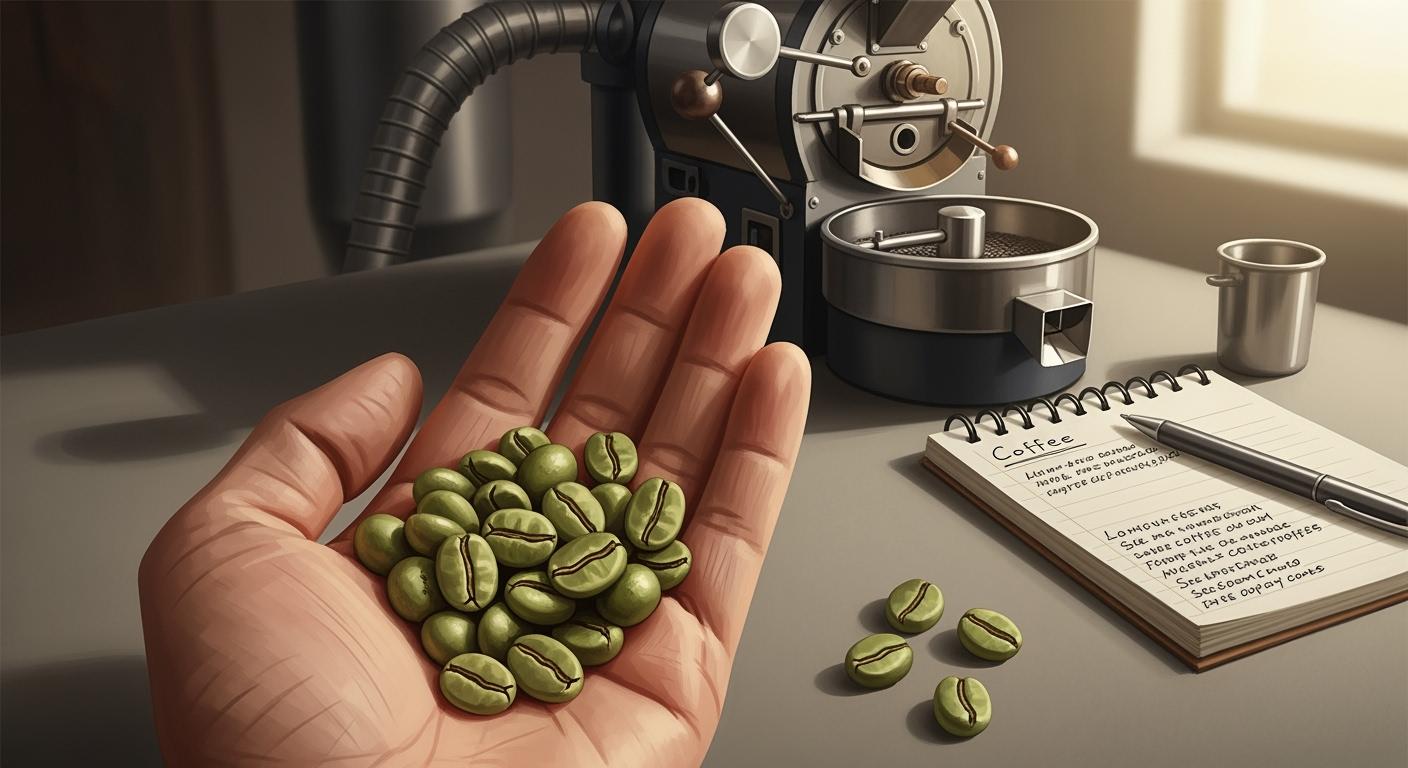
Green coffee beans are the raw seeds inside coffee cherries, and understanding them is essential for any coffee enthusiast. The quality and features of coffee beans before roasting significantly influence the flavor of your roasted coffee. The type of coffee beans, such as Arabica or Robusta, can impart bright, flowery notes or strong, bitter flavors. Factors like the beans’ growing conditions, altitude, and processing methods also affect their sugar content and aroma. By selecting high-quality beans before roasting, you can achieve rich and complex flavors, while low-quality beans often result in a flat or harsh coffee experience.
Understanding Green Coffee Beans
What Are Green Coffee Beans?
Green coffee beans are the seeds inside coffee cherries. They look pale green and smell grassy and earthy. These beans taste mild and have more caffeine than roasted beans. Roasted beans turn brown and smell rich. Roasting changes the beans, but it all starts with green coffee beans.
Characteristic | Green Coffee Beans | Roasted Coffee Beans |
|---|---|---|
Color | Pale green | Light to dark brown |
Aroma | Grassy, vegetal | Rich, aromatic |
Flavor | Mild, earthy | Complex, varied |
Caffeine content | Higher | Slightly lower |
Fresh beans are bright green. If beans look dull or yellow-green, they are old or stored badly. Specialty-grade beans look even in color and are high quality. These beans have what is needed for great flavors after roasting.
Key Properties of Coffee Beans Before Roasting
You should know the main things about coffee beans before roasting. The chemicals in green coffee beans affect the taste and smell of your coffee. Green coffee beans have sugars and amino acids. These help start the Maillard reaction and caramelization when roasting. Chlorogenic acids change the acidity. Caffeine stays about the same and affects taste.
Component | Percentage Range |
|---|---|
Insoluble Polysaccharides | ~50% |
Soluble Carbohydrates | 6–12% |
Lipids | 8–18% |
Proteins and Amino Acids | 9–12% |
Minerals | 3–5% |
Polyphenolic Compounds | N/A |
Caffeine | N/A |
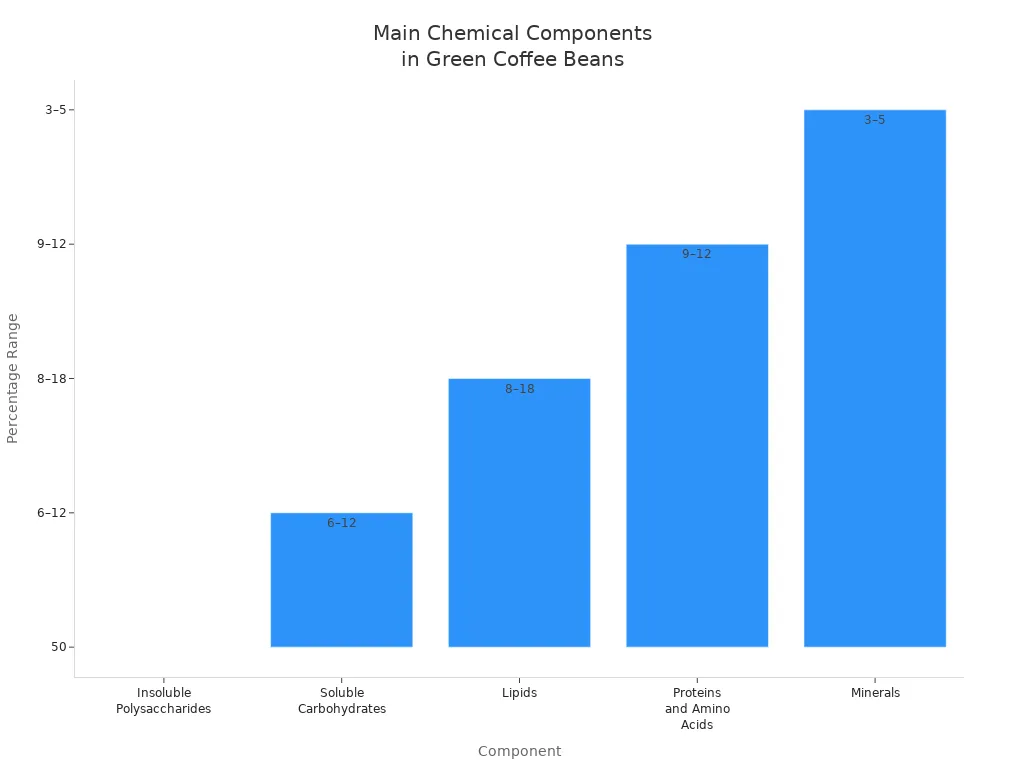
Coffee beans have many important parts before roasting. These include carbohydrates, proteins, lipids, organic acids, and water. The table below explains what each part does:
Property | Description |
|---|---|
Carbohydrates | Mostly polysaccharides like cellulose and starch. |
Proteins | Chains of amino acids that help with Maillard reactions. |
Lipids | Fatty acids and oils that affect flavor and body. |
Organic Acids | Chlorogenic acids, citric acid, malic acid, and more. |
Water | Makes up about 8-12% of the bean’s weight. |
Moisture and density matter when roasting coffee beans. Beans with different moisture levels change in color, weight, and smell. If beans are kept wrong, moisture can change and hurt the taste. Keeping moisture steady helps roasted beans taste the same.
Coffee bean density depends on where they grow, the type, and moisture. Beans with higher density need special roasting. You need to know about density to roast well.
When you roast coffee beans, you see many changes:
The color goes from blue-green to cinnamon, then dark brown as sugars caramelize.
Moisture drops from 12-20% to about 2.5%, and beans lose some parts.
Caffeine drops by about 10% during medium roasting.
The Maillard reaction starts at 150ºC and makes new colors and tastes.
Strecker degradation makes more aroma and flavor by mixing sugars and amino acids.
Sugars caramelize at 170°C, making the coffee taste sweeter.
Tip: Always look at the beans and check their moisture before roasting. This helps you know how the beans will roast and gives better flavor in your cup.
You learn more about green coffee beans by studying their parts and changes. This helps you pick the best beans and roast them for great coffee.
Origin, Processing, and Quality
Coffee Growing Regions
Green coffee beans grow in many countries. Each place gives beans special flavors. Beans from high places, above 1,200 meters, taste richer. Volcanic soil, like in Guatemala and Kenya, has good nutrients. This soil helps beans taste strong. Coffee plants need 1,000 to 2,000 mm of rain each year. Even rain helps plants grow well and keeps beans healthy.
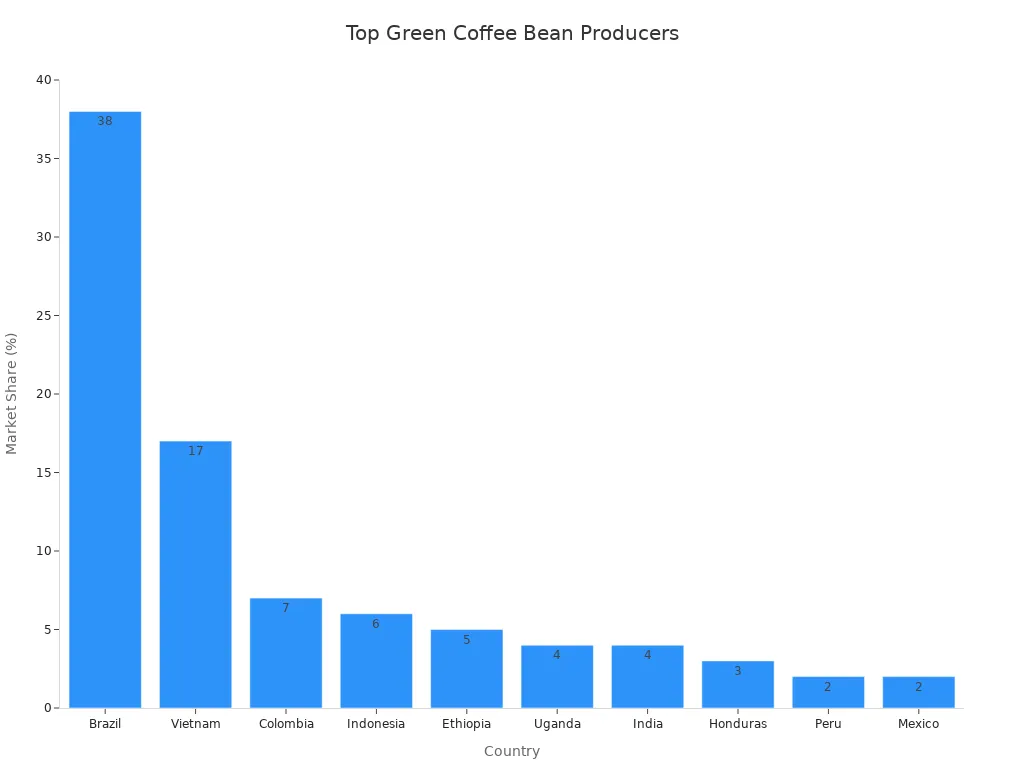
A study found beans from higher places taste better. They also get higher cupping scores. The table below shows the top green coffee bean producers:
Country | Market Share | Total Production (60 KG Bags) |
|---|---|---|
Brazil | 38% | 66.4 Million |
Vietnam | 17% | 30.1 Million |
Colombia | 7% | 12.9 Million |
Indonesia | 6% | 10.9 Million |
Ethiopia | 5% | 8.36 Million |
Uganda | 4% | 6.4 Million |
India | 4% | 6.2 Million |
Honduras | 3% | 5.3 Million |
Peru | 2% | 4.35 Million |
Mexico | 2% | 3.87 Million |
Processing Methods and Their Impact
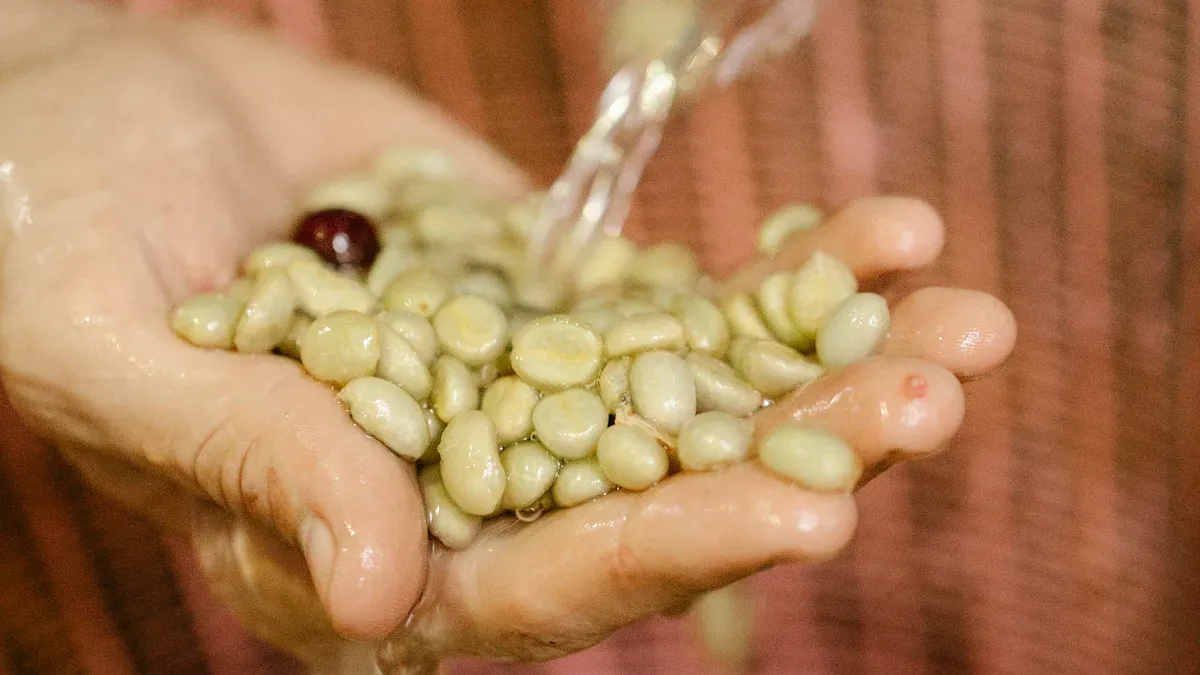
How farmers process green coffee beans changes the taste. There are three main ways:
Processing Method | Description |
|---|---|
Dry processing | Involves drying coffee cherries under the sun, producing bold flavors but risks mold and quality loss. |
Wet processing | A more labor-intensive method that enhances quality, involving multiple steps to ensure clean beans. |
Honey processing | A hybrid method that retains some mucilage, allowing for faster drying and enhanced sweetness. |
Wet processing gives a clean, bright taste with more acidity.
Honey processing makes coffee sweet and fruity.
Dry processing gives a strong, fruity flavor.
Fermentation breaks down sugars and adds fruit or wine-like tastes.
Slow drying can make coffee sweeter and more acidic. Fast drying can cause bad flavors.
Assessing Bean Quality and Density
You should check green coffee beans before roasting. There are industry rules to help you measure quality:
Measurement Type | Description |
|---|---|
Density | Calculated by weighing coffee in a graduated container and dividing by the volume (e.g., 250 mL). |
Water Activity | Requires specialized equipment like the Aqualab Pawkit; measures moisture levels within the beans. |
Moisture Content | Measured using a moisture meter; standard allowable range is 10-12%. |
Green Grading Protocol | Involves assessing 350 grams of coffee for defects, using the SCA’s Washed Arabica Green Coffee Defect Guide. |
Beans with higher density are more compact. This changes how they take in heat and develop flavor when roasting. Denser beans often grow in higher places and need special roasting. You get better and more even flavor if you adjust for bean density.
Denser beans roast faster and take in heat better.
Beans with low density may roast unevenly and burn.
Change your roasting plan for bean density to keep flavor and quality high.
Choosing the Right Green Coffee Beans
Selecting Beans for Home Coffee Roasting
When you start home coffee roasting, you need to focus on choosing the right green coffee beans. The beans you pick will shape the taste, aroma, and quality of your coffee. You want to look for beans that match your roasting goals and flavor preferences. Many home roasters enjoy experimenting with different origins and varieties to find their favorite cup.
Here are some popular green coffee bean varieties for home coffee roasting:
Brazilian Beans: These beans have a classic chocolate and nutty flavor. They are easy to roast and have a wide roasting window. Beginners like them because they are forgiving and consistent.
Colombian Supremo: These beans are large and uniform. They have fruity and sugary notes. You can easily hear the first crack, which helps you learn roasting stages.
Guatemala Antigua: These beans offer complex flavors. They roast predictably, making them good for both new and experienced home coffee roasting fans.
When choosing the right green coffee beans, you should consider several important criteria. The table below shows what to look for:
Criteria | Description |
|---|---|
Moisture Content | Proper moisture content (10-12%) helps beans roast well and stay fresh. |
Bean Density | Dense beans give you more complex flavors if you roast them correctly. |
Flavor Profiles | Learning to describe flavors helps you pick beans you will enjoy. |
Sample Roasting and Cupping | Try small test roasts and taste the results to judge quality. |
Supplier Relationships | Good suppliers give you steady quality and access to many origins. |
Storage Conditions | Storing beans the right way keeps them fresh until you roast them. |
Sustainability and Ethical Sourcing | Many people now care about how beans are grown and if they are sourced fairly. |
Tip: Always start with small batches when you try a new bean. This lets you test how it roasts and tastes before you buy more.
You will find that home coffee roasting gives you control over every step. You can adjust your roast to match the bean’s density, moisture, and flavor profile. This hands-on approach helps you learn what works best for your taste.
Evaluating Bean Freshness and Defects
Freshness is key for home coffee roasting. Old or poorly stored beans can ruin your roast. You need to check the beans before you buy or roast them. Here are some ways to evaluate freshness:
Evidence Description | Details |
|---|---|
Harvest Year Awareness | Check the harvest year to know how old the beans are. |
Target Moisture Content | Look for beans with 10%-12% moisture. This keeps beans from molding. |
ICO and SCAA Standards | These groups say 9%-12% moisture is best for freshness. |
Cost Implications | Some producers keep moisture near 12% to save on drying costs. |
Moisture Meter Usage | Use a moisture meter to check green beans before roasting. |
You should also look for defects in green coffee beans. Defects can affect how beans roast and taste. The table below lists common defects and their impact:
Defect Type | Impact on Roasting and Flavor |
|---|---|
Full or partly black beans | These cause black spots and a bitter taste after roasting. |
Sour beans | These give a vinegary-sour taste and hide natural flavors. |
Pressed/flattened beans | These roast unevenly and taste bland. |
Quakers | These have underdeveloped sugars and give bad flavors. |
Broken or split seeds | These roast unevenly and make the flavor inconsistent. |
Pierced seeds | These can taste earthy or dirty from insect damage. |
Mouldy or fermented grains | These smell bad and can taste moldy or too acidic. |
Note: Always sort your beans before roasting. Remove any beans that look odd, broken, or moldy. This step helps you get a cleaner, better-tasting cup.
When you focus on freshness and avoid defects, you set yourself up for success in home coffee roasting. You will notice better flavors and more consistent results. Choosing the right green coffee beans and checking them carefully makes a big difference in your final cup.
Storing and Packaging Green Coffee Beans
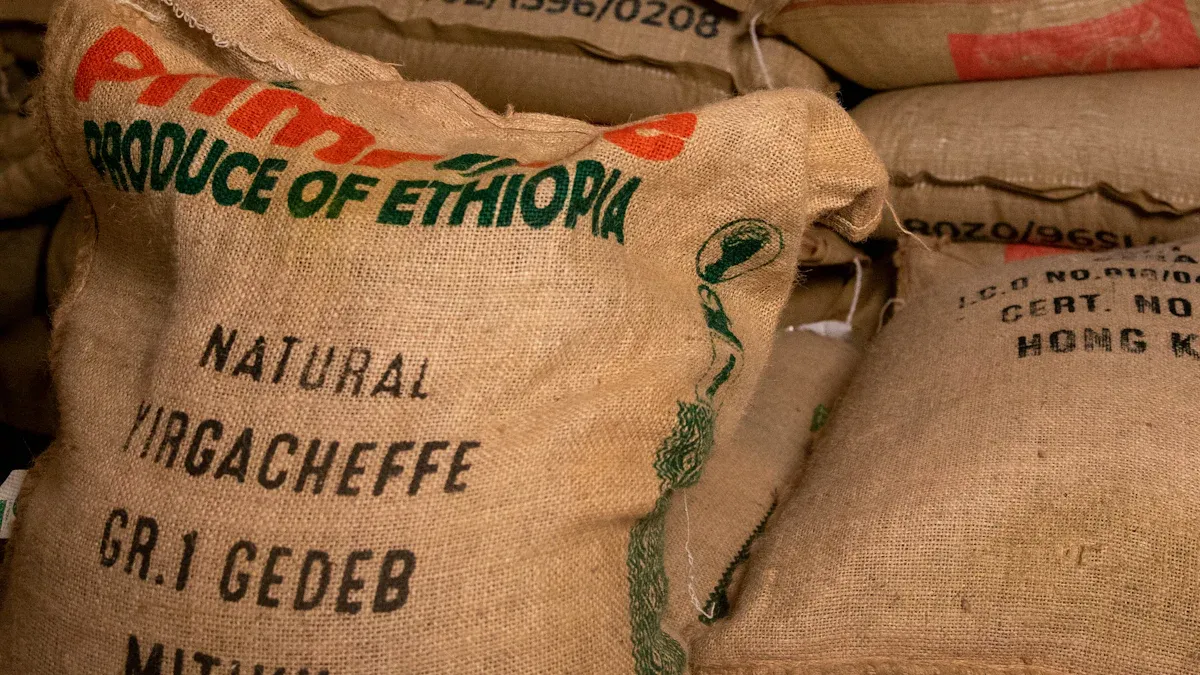
Best Practices for Storage
You want your green coffee beans to stay fresh and tasty. Good storage helps your beans last longer and taste better. You should keep beans away from water, air, and light. These steps help your coffee taste its best.
If you want to store green coffee beans for a long time, keep them in a place that stays the same cool temperature. This helps your coffee taste fresh when you brew it.
To keep green coffee beans fresh, you must protect them from water, air, and light. Use special sealed bags to keep the beans safe while they are stored or shipped.
Here are some easy ways to store your beans:
Keep beans in a cool, dry spot.
Use bags that block out light.
Make sure the room stays the same temperature.
If you follow these tips, your beans can stay good for up to a year after picking. This means your coffee will smell and taste better. You also stop your beans from losing freshness if you store them wrong.
Coffee Bag Solutions from BN PACK
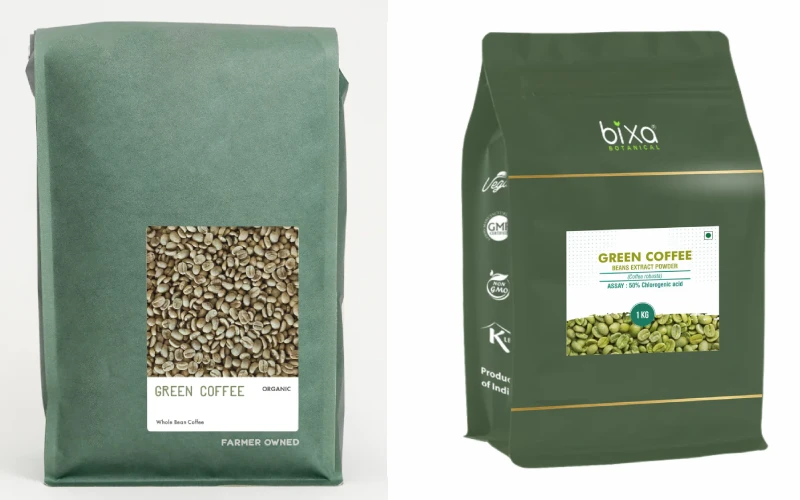
Picking the right bag helps your beans even more. BN PACK makes coffee bags that keep beans fresh and smelling good. The bags close tightly, so air cannot get in and ruin the beans. The bags have special layers that keep water out, so beans do not get stale or moldy. The bags are not see-through, so sunlight cannot hurt the beans.
Here are some good things about BN PACK coffee bags:
Tight seals keep air out and beans fresh.
Special layers stop water, so beans do not go stale.
Bags block sunlight, so flavor and smell stay strong.
Valves let gas out but do not let air in, so beans last longer.
Some bags are eco-friendly, which is good for the planet.
Feature | High-Barrier Materials & Degassing Valves | Standard Packaging Solutions |
|---|---|---|
Barrier Protection | Very good (many layers, foil) | Not good (just one layer) |
Freshness Maintenance | Great (lets gas out one way) | Not much (no way for gas out) |
Shelf Life Extension | Lasts much longer | Does not last as long |
Flavor and Aroma Retention | Keeps air out, flavor stays strong | Air gets in, flavor fades |
Material Composition | Many layers for better protection | Only one layer, less strong |
When you use BN PACK coffee bags, you use new packaging that works well. Your beans stay fresh and ready to roast. This helps you make great coffee every time.
Roasting Tips and Troubleshooting
How Bean Characteristics Affect Roasting
You need to know how bean size, density, and moisture change roasting. Each bean acts differently when heated. Big beans heat up slower than small beans. Small beans roast faster. Moisture in beans changes how they dry and taste. Beans with more moisture need a longer drying time. If you rush, the roast can turn out uneven.
Bean Characteristic | Impact on Roasting Profile |
|---|---|
Size | Bigger beans need more time to roast. |
Moisture Content | More moisture means longer drying. Too much can make roasting uneven. |
Density is important too. Beans with high density need more heat and time. Low-density beans roast fast but can burn if too hot. Always check the moisture. It should be between 9% and 11% for best results.
Tip: Measure your beans’ moisture and density before roasting. This helps you plan and get better flavors.
Adjusting Techniques for Different Beans
You can get better at roasting by changing your method for each bean. Professional roasters change time and heat for different beans. For espresso, use higher heat and roast longer to get more sweetness. For filter coffee, use lower heat and roast for less time to keep the bean’s flavor.
For high-density beans, start with higher heat and roast longer.
For low-density beans, use lower heat and dry them for less time.
Always check moisture to help plan your roast.
Try roasting beans light, medium, or dark. This helps you find the best taste for each bean. Testing different roast levels lets you see what you like most.
Common Issues in Home Coffee Roasting
Home roasters often have problems like uneven roasting or bad flavors. You can stop these problems by following easy steps:
Preheat your equipment before roasting.
Do not put too many beans in at once.
Write down notes during roasting to remember what works.
Learn how your equipment heats up and works.
Clean your equipment after every roast to stay safe.
Watch the roasting closely. Do not leave it alone.
Make sure beans are roasted all the way. If not, they taste grassy.
Let beans rest after roasting so flavors get better.
If you want to avoid mistakes, follow a roasting guide step by step. Set up your roasting area and use the right tools for better results. Trying different roast levels helps you get better at roasting at home. Many people ask why roast coffee beans at home. The answer is easy: you get fresh coffee, more control, and can make it your way. Learning about roasting and setting up your space helps you enjoy making coffee and get better results. Roasting at home lets you try new things and enjoy great coffee every day.
You gain many benefits of using green coffee beans when you choose the right variety, origin, and processing method. Follow these steps for better results:
Taste different green beans to learn how variety, origin, and processing affect flavor.
Store green beans in a cool, dry place to keep them fresh.
Use airtight packaging with degassing valves for best results.
Feature | Benefit |
|---|---|
Degassing valves | Keep aroma and flavor in green beans |
Resealable zippers | Make storage easy for green, light, medium, and dark beans |
Eco-friendly | Support the planet while storing green beans |
Research shows that storing green beans well keeps their aroma and cup quality. You can enjoy light roast, medium roast, or dark roast with better taste. Try BN PACK coffee bags to keep your green beans fresh and ready for roasting. The benefits of using green coffee beans include more control over light, medium, and dark roast levels. You get the best flavor from every green bean, whether you like light, medium, or dark coffee.