
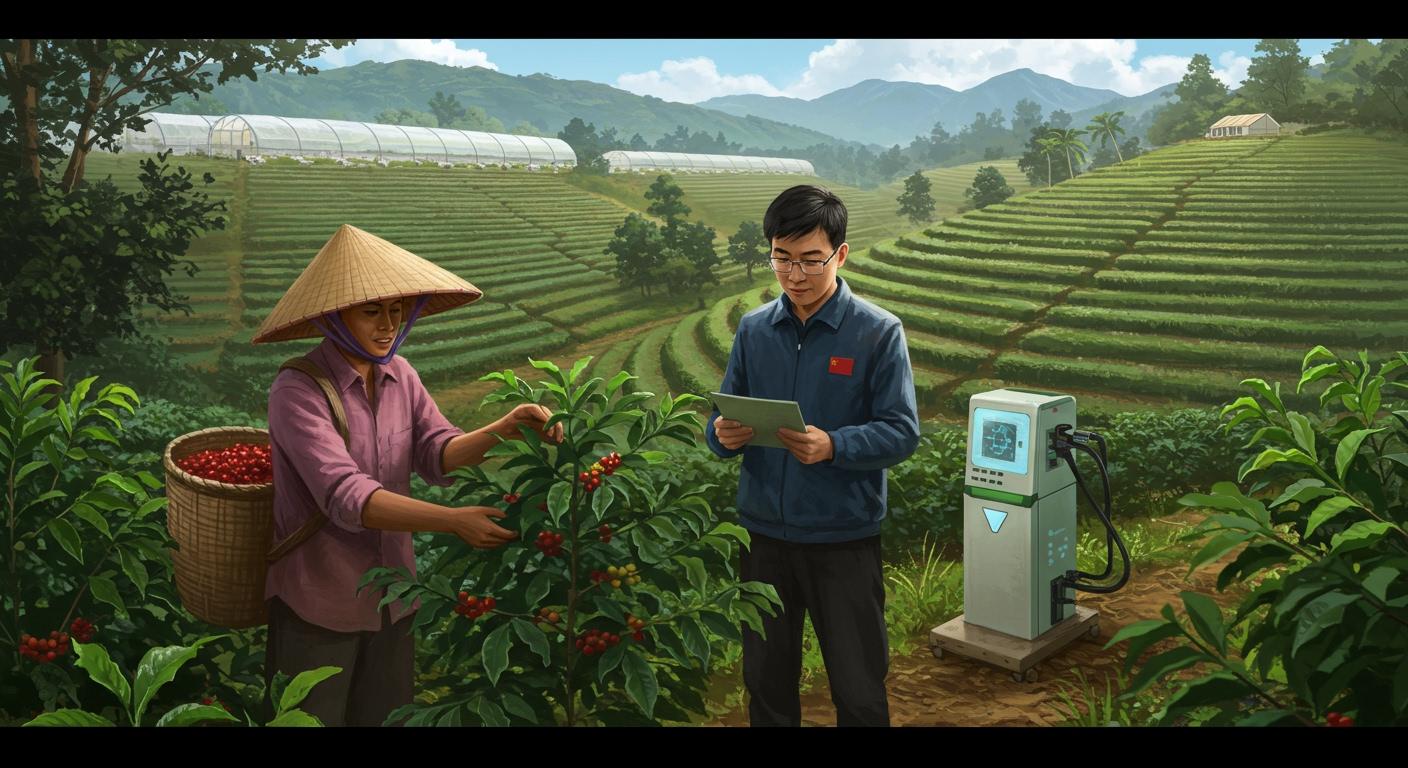
You can witness a fascinating meeting point between coffee production indonesia and China’s cutting-edge farming innovations. Both countries shape the Asian coffee landscape in unique ways. Indonesia produces over 760,000 tonnes of coffee each year, while China’s output stands at about 108,000 tonnes.
Country | Production (tonnes) |
|---|---|
Indonesia | 760,192 |
China | 108,000 |
Coffee supports millions of jobs in Indonesia and is becoming a growing source of employment in China. Packaging, such as BN PACK coffee bags, helps protect quality and supports sustainable practices for producers in both markets. How might these evolving methods and packaging innovations shape the future of Asian coffee?
Coffee Production Indonesia
Traditional Methods
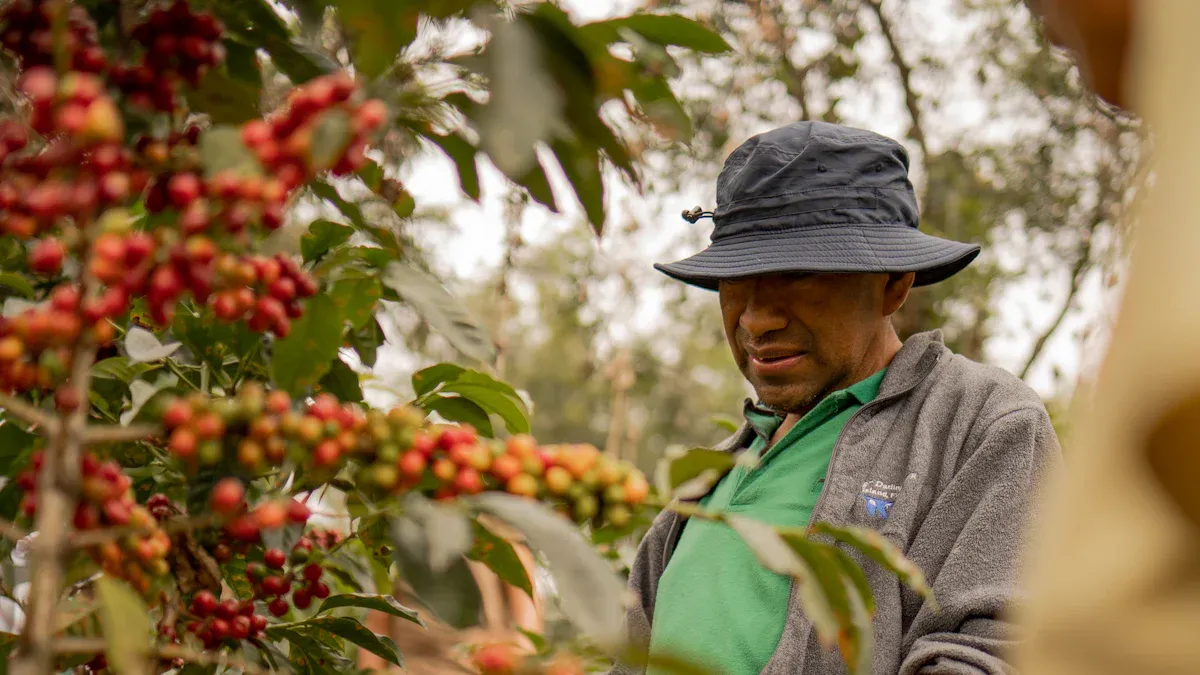
You can explore the roots of coffee production indonesia by looking at its traditional farming methods. Most indonesian coffee comes from smallholder farms. These farms manage almost all coffee plantations in the country. You will find that smallholders usually work on less than one hectare of land. They play a huge role in the local economy, supporting over 1.77 million people and contributing more than $1.5 billion to export revenues.
Indonesian coffee stands out because of unique processing techniques. Wet hulling gives the beans a bluish color and a complex flavor profile. Many farmers use organic farming, which improves the quality and sustainability of indonesian coffee. Agroforestry is another common practice. Farmers grow coffee under the shade of trees, which boosts biodiversity and reduces the need for chemicals. Robusta coffee makes up about 80% of the national production, and nearly 70% of coffee-growing areas need renovation or rehabilitation.
Did you know? Smallholder farms produce almost all indonesian coffee, making them the backbone of coffee production indonesia.
Packaging plays a key role in preserving the freshness and aroma of indonesian coffee. BN PACK coffee bags help smallholders keep their beans fresh for longer periods. These bags protect against moisture, oxygen, and light, which are the main threats to coffee quality.
Modern Changes
You now see coffee production indonesia shifting toward modern agricultural practices. Farmers have started to adopt agroforestry based on the coffee&climate approach. Community nurseries for shade and cash crops are becoming more common. These changes help improve biodiversity in coffee-based systems.
Many producers seek organic and fair-trade certifications. This shift reflects a growing demand for environmentally conscious indonesian coffee. Sustainable farming practices are now a priority for many smallholders. You will notice more women taking active roles in coffee production indonesia, as gender equality gains importance in agriculture.
BN PACK coffee bags support these modern changes. They offer eco-friendly materials and customizable designs. You can choose packaging that matches your brand and meets sustainability goals. This innovation helps indonesian coffee producers compete in global markets while maintaining high quality.
China’s Coffee Farming
New Techniques
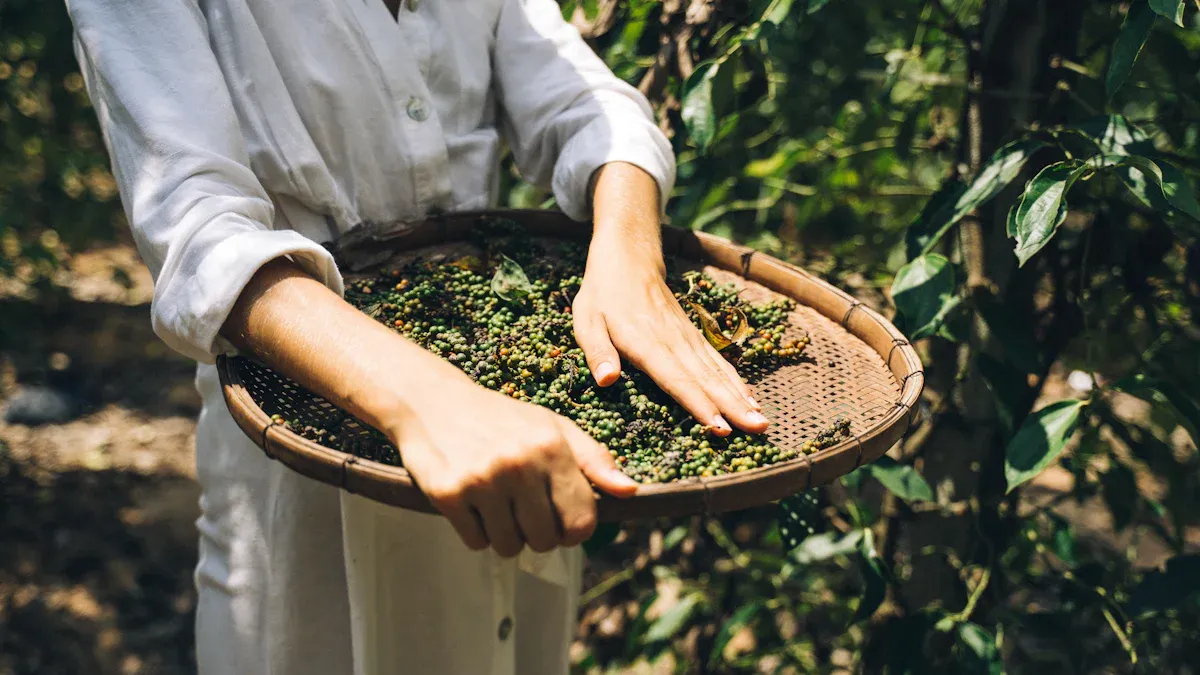
You can see rapid changes in China’s coffee farming. Farmers now use shade-grown methods to protect the natural forest and improve bean sweetness. Many have started experimenting with anaerobic fermentation, which creates unique flavors. You will notice a strong focus on hand harvesting. This practice ensures only the ripest cherries get picked, which boosts quality. In the past, farmers often harvested for quantity, but now they aim for specialty and organic coffee.
Shade-grown coffee preserves forest structure and enhances bean quality.
Anaerobic fermentation brings out new flavor profiles.
Hand harvesting selects only the best cherries.
Modern sustainable methods help produce high-quality beans.
Technology plays a big role in these changes. The Yunnan Coffee Research Institute, founded in 2015, helps farmers learn new techniques and improve coffee varieties. The Chinese government supports coffee as a key crop in Yunnan, investing in better infrastructure and technology.
Technology Use | Benefit |
|---|---|
Internet Technology | Gives farmers access to information for better decisions. |
Digital Platforms | Helps small farmers enter new markets. |
E-commerce | Opens new sales channels and boosts rural economies. |
Growth and Challenges
You will find that China’s coffee farming sector grows quickly, but faces real challenges. Many farmers struggle with limited infrastructure, which affects production and processing. Droughts in Yunnan can disrupt processing and lower bean quality. Climate change, deforestation, and development projects also threaten sustainability.
Lack of industry-specific infrastructure limits growth.
Drought and climate change create unpredictable harvests.
Socio-economic issues and labor rights concerns remain.
Note: Despite these challenges, Chinese coffee producers can stand out by using innovative packaging. BN PACK coffee bags offer custom designs that boost branding and keep coffee fresh. These bags meet strict international standards, including ISO9001 and food-grade certifications from the EU and US FDA. Eco-friendly options also support sustainable branding.
Indonesian Coffee vs China
Key Differences
You can see clear differences between indonesian coffee and Chinese coffee production. Indonesia has a long history as a major coffee producer. Most coffee comes from smallholder farms that use traditional methods like wet hulling and shade-grown systems. These farms often focus on robusta beans, which make up most of the country’s output. You will notice that productivity in Indonesia varies. Some regions have high yields, but many small farms still use older plants and need better infrastructure.
China’s coffee industry is much younger. Most coffee grows in Yunnan Province, where farmers use modern techniques and focus on specialty arabica beans. You will find that Chinese producers often experiment with new processing methods, such as anaerobic fermentation and washed processing. These methods help create unique flavors that appeal to specialty coffee markets. Chinese farms tend to be larger and use more technology, which helps boost productivity and quality.
Market approaches also differ. Indonesian coffee often reaches global markets through established export channels. Many smallholders sell to cooperatives or exporters. In China, you see a strong push toward domestic consumption. Chinese brands use e-commerce and digital platforms to reach local consumers. This approach helps them build brand loyalty and respond quickly to market trends.
Aspect | Indonesia | China |
|---|---|---|
History | Centuries-old tradition | Rapid growth in recent decades |
Main Bean Type | Robusta (majority), some arabica | Arabica (specialty focus) |
Processing | Wet hulling, natural, traditional methods | Washed, anaerobic, modern techniques |
Farm Structure | Smallholder-dominated | Larger, tech-driven farms |
Market Approach | Export-focused | Domestic market, e-commerce |
Tip: You can learn a lot by comparing the way each country processes and markets its coffee. This knowledge can help you make better choices as a producer or consumer.
Shared Trends
Despite their differences, both countries share important trends in coffee production. You will see a growing focus on sustainability and quality. Farmers in both Indonesia and China now use eco-friendly farming practices and seek certifications like organic or fair trade. Both countries also recognize the value of women’s participation in coffee production.
Packaging innovation stands out as a key area where both countries make progress. Producers use new packaging solutions to protect coffee freshness, extend shelf life, and attract consumers. You can find a variety of packaging types, such as foil bags, paper bags, vacuum-sealed bags, and biodegradable options. These choices help meet consumer expectations for quality and environmental responsibility.
Unique packaging designs reflect local culture and attract buyers.
Eco-friendly materials support sustainability and reduce waste.
Functional packaging, like resealable zippers and degassing valves, keeps coffee fresh longer.
Both indonesian coffee and Chinese coffee brands use packaging to build strong identities in the market.
You can see that both countries learn from each other. Indonesian coffee producers look to China’s use of technology and digital marketing. Chinese farmers study Indonesia’s experience with smallholder systems and traditional processing. Both sides benefit from sharing knowledge about packaging innovations and sustainable practices.
Note: When you choose coffee from Indonesia or China, you support producers who care about quality, sustainability, and innovation. Packaging, like BN PACK coffee bags, plays a big role in this journey.
Packaging and Innovation
BN PACK Coffee Bag
You can see how BN PACK coffee bags help coffee producers in Indonesia and China. These bags offer advanced protection for coffee beans. You get options like flat bottom, stand-up, and side gusset designs. Each style supports different needs, from bulk shipments to single-serve packs. BN PACK uses high-barrier materials such as natural kraft paper and recyclable films. These materials keep coffee fresh by blocking moisture, oxygen, and light.
You can choose custom features like resealable zippers and one-way degassing valves. These features maintain aroma and flavor. BN PACK also provides eco-friendly materials, which support sustainability goals. You can select biodegradable or compostable options. Producers in both countries benefit from flexible sizes and vibrant printing. This helps you create packaging that matches your brand identity.
Tip: BN PACK coffee bags meet strict international standards, including ISO9001 and BRC certifications. You can trust these bags to protect your coffee and enhance your brand.
Market Impact
Packaging innovation changes how you market coffee. You notice that attractive packaging increases shelf appeal and draws consumer attention. BN PACK coffee bags use high-quality printing and unique designs. This helps your product stand out in stores and online.
You can see several ways packaging innovation boosts marketability:
Flexible pouches suit both bulk and single-serve coffee, meeting different consumer needs.
Side gusseted bags keep coffee fresh, which is important for premium brands.
Stick packs offer convenience for on-the-go customers.
Eco-friendly packaging attracts buyers who care about sustainability.
Vacuum sealing extends shelf life, which increases product turnover and revenue.
You also find that visual aspects of packaging influence purchasing decisions. Consumers look for appealing designs, clear branding, and competitive pricing. Innovative and sustainable packaging solutions are now essential in the coffee market. You can use these features to build trust and loyalty with your customers.
Packaging Feature | Benefit for Producers and Consumers |
|---|---|
Resealable Zippers | Maintains freshness and aroma |
Degassing Valves | Preserves flavor and quality |
Eco-friendly Materials | Supports sustainability and brand image |
Custom Printing | Enhances shelf appeal and recognition |
You can rely on BN PACK coffee bags to support your goals in quality, branding, and sustainability. This innovation helps you succeed in the competitive coffee market.
Future of Asian Coffee
Collaboration
You see collaboration shaping the future of coffee cultivation across Asia. Partnerships and joint ventures help countries share expertise and resources. For example, two coffee processing facilities in Vietnam were established through a joint venture. This project lets Vietnam export processed robusta coffee and boosts local processing capabilities. Advanced technology in these facilities meets international quality standards, making Vietnamese coffee more competitive. Local farmers supply the raw materials, which supports economic development in their communities. The joint venture creates permanent jobs and offers training for local workers.
Joint ventures improve processing technology and quality.
Local farmers benefit from new opportunities and training.
Partnerships help countries compete in global coffee markets.
You notice that collaboration between producers, brands, and packaging companies like BN PACK encourages innovation. These partnerships help you access better packaging solutions and sustainable practices.
Trends Ahead
You can expect strong growth in the Asian coffee market over the next decade. By 2025, at-home coffee consumption in Asia is projected to reach US$96.45 billion, while out-of-home consumption may hit US$376.70 billion. This growth shows that both home brewers and café visitors will drive demand. The coffee market in Asia is expected to grow at a compound annual rate of 5.2% to 7.6%. Demographic changes, a rising coffee culture, and higher disposable incomes among younger consumers fuel this expansion. Vietnam stands out as a major contributor, becoming a leading producer in the region.
You see new preferences emerging, especially among younger consumers. Cold and iced coffee are becoming more popular, showing a shift from traditional tea to coffee. Specialty coffee demand is rising in both Indonesia and China. Consumers want unique flavors and premium quality. Urban areas have strong café cultures, where coffee shops serve as social hubs.
More consumers seek specialty coffee with unique flavors.
Café culture grows in cities, creating new social spaces.
Urbanization in China leads to convenient coffee options, with over 30,000 coffee shops in major cities.
Rising incomes allow people to spend more on premium coffee.
You play a role in shaping these trends by choosing high-quality coffee and supporting sustainable coffee cultivation.
You see how indonesian coffee culture and China’s modern farming create a dynamic coffee landscape. Both countries blend tradition and innovation, shaping the future of arabica coffee in Asia. Packaging innovation, like BN PACK coffee bags, drives quality and sustainability by offering:
Precision engineering for freshness and brand value
Eco-friendly materials that meet rising consumer expectations
Smart features for online and specialty markets
Trend Description | Implication for Producers and Brands |
|---|---|
Growth in single-origin launches | Highlight authenticity through packaging |
Climate change awareness | Prioritize sustainable sourcing |
Cultural preferences | Offer authentic regional selections |
You can lead the market by honoring heritage and embracing new solutions.