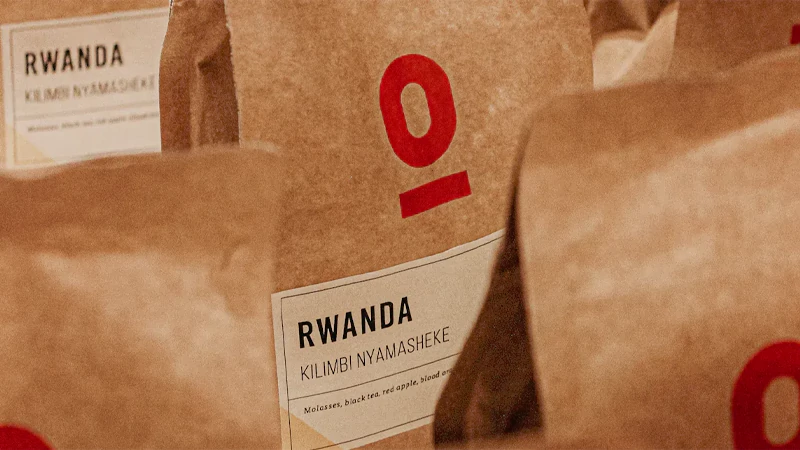
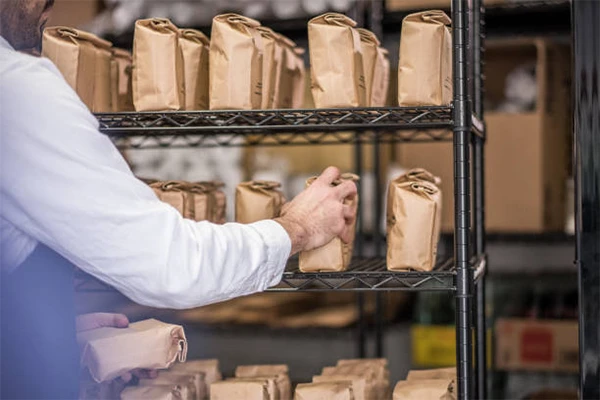
If you want the best material for coffee bags, both kraft paper and rice paper offer strong options. Kraft paper, made from FSC-certified wood pulp, gives you a sturdy, recyclable choice. Rice paper, crafted from renewable sources like quintan tree bark and bamboo, uses fewer natural resources in coffee packaging. Each material supports coffee freshness and strengthens your brand image.
Choosing between them often depends on your priorities for sustainability, durability, and appearance. For custom coffee packaging that fits your needs, BN Pack delivers expert solutions.
Key Takeaways
Kraft paper and rice paper both offer eco-friendly options for coffee bags, supporting sustainability and freshness.
Kraft paper is strong, cost-effective, and recyclable, making it ideal for larger volumes and practical packaging needs.
Rice paper provides a unique, translucent look with renewable materials, perfect for premium or small-batch coffee brands.
Choosing the right material depends on your brand’s priorities like cost, appearance, durability, and environmental goals.
Custom features like resealable zippers and degassing valves enhance freshness and help your coffee stand out on shelves.
Quick Comparison
Key Differences
When you compare kraft paper and rice paper for coffee bags, you notice several important differences. Kraft paper comes from wood pulp and offers a natural, sturdy look. It is often used as the outer layer in multi-layer coffee bags. This material works well with advanced packaging techniques, such as aluminum foil lining and nitrogen flushing, to keep coffee fresh and extend shelf life. You can print high-quality graphics on kraft paper, which helps your brand stand out on store shelves.
Rice paper, on the other hand, uses renewable sources like golden sandalwood bark and bamboo. Recent innovations have improved rice paper’s barrier properties, making it more effective at preserving freshness. Many brands now use rice paper stand-up pouches for their unique texture and visual appeal. Companies like Amcor and Berry Global have introduced high-barrier rice paper pouches that combine sustainability with performance.
Note: Both materials support eco-friendly packaging trends, but their properties and best uses differ.
When to Choose Each
The right choice depends on your brand’s priorities and the needs of your coffee bags. The table below highlights when each material works best:
Feature/Scenario | ||
|---|---|---|
Material Source | Renewable, bio-based (bark, bamboo) | Wood pulp |
Appearance | Translucent, unique texture | Natural brown, classic look |
Biodegradability | Biodegradable under proper conditions | Biodegradable if uncoated; recyclable |
Moisture Resistance | Lightweight, moisture resistant | Can be coated for moisture-proofing |
Strength and Durability | Moderate, improved by layering | Strong, tear-resistant |
Cost | Generally higher | More cost-effective |
Suitable Brand Priorities | Sustainability, unique aesthetics | Sturdiness, practicality, eco-friendliness |
Packaging Volume Consideration | Smaller volumes, premium presentation | Larger volumes, cost-sensitive packaging |
You should choose rice paper if your brand values a unique look and sustainability for small-batch or premium coffee bags. Kraft paper suits brands that need strong, practical, and cost-effective packaging for larger quantities.
Why Paper Coffee Bags
Popularity in Coffee Industry
You see paper coffee bags gaining popularity across the coffee sector. Many leading brands in Europe, North America, and Asia-Pacific now use paper and paperboard options. This shift comes from a strong push for sustainability and eco-friendly choices. Companies like JDE Peet’s and Löfbergs have introduced paper-based packaging for their coffee products, showing a clear commitment to greener solutions. Specialty coffee brands also support this trend as they look for ways to stand out and meet consumer demand for responsible packaging.
Market research shows rapid growth in paper-based coffee packaging. Take a look at the numbers:
Metric | Details |
|---|---|
Market Valuation (2022) | $1.2 billion |
Projected Valuation (2032) | $2.8 billion |
CAGR (2023-2032) | 8.5% |
Product Description | Coffee pods made with recyclable paper-based flat bags containing pre-measured coffee doses |
Market Relevance | Pods relate directly to paper coffee bags within the coffee sector |
Major companies continue to innovate. Nestle Nespresso launched paper-based compostable capsules in 2023. McCafé followed with espresso capsules made from sustainable materials in 2024. These moves highlight the growing demand for eco-friendly coffee packaging.
Benefits for Brands
You benefit in several ways when you choose paper coffee packaging. First, you show your customers that you care about the environment. This builds trust and loyalty. Paper packaging often meets strict recycling and composting standards, which helps your brand align with new regulations and consumer expectations.
Paper coffee bags offer a natural, premium look that appeals to specialty coffee buyers.
You can customize the design, size, and features to match your brand’s identity.
Lightweight paper packaging reduces shipping costs and carbon footprint.
Many options include resealable closures or degassing valves for freshness and convenience.
Paper coffee packaging helps you stand out in a crowded market. You meet both practical needs and the growing demand for sustainable solutions.
Kraft Paper Coffee Bags
Material Properties
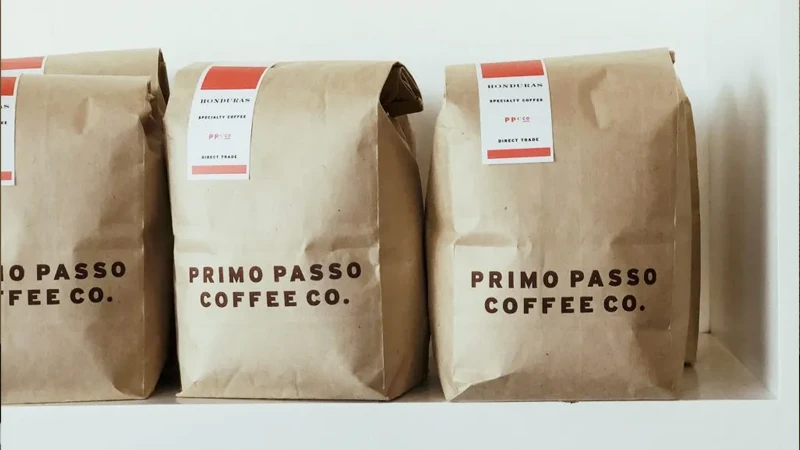
You get strong and reliable protection when you choose kraft paper for your coffee bags. Kraft paper comes from wood pulp with natural fibers, making it heavy-duty and tear-resistant. Manufacturers often use it as the outer layer in multilayer laminates, combining it with barrier films like metallized cellulose or PLA+PBAT. This structure creates a total thickness of about 160-170 microns, which helps your coffee bags stand up and keep their shape.
Kraft paper packaging offers excellent barrier properties. Standard tests show a water vapor transmission rate of around 26 g/m²/24hr and an oxygen transmission rate of about 2.22 cc/m²/24hr. These numbers help preserve aroma and freshness.
Mechanical durability stands out. Drop tests show that a 1kg filled bag can fall from 1.6 meters three times without breaking.
Kraft paper coffee bags pass tests for tensile strength, sealing strength, anti-puncture, burst impact, and anti-pressure. You can trust them to protect your coffee during filling, shipping, and storage.
Sustainability
Kraft paper coffee bags support your brand’s sustainability goals. They use wood pulp from responsibly managed forests, making them a renewable alternative to plastic. Kraft paper packaging has a lower carbon footprint and is both biodegradable and recyclable. This helps reduce landfill waste and supports eco-friendly business practices.
Lifecycle assessments show that compostable kraft paper bags with compostable linings can produce up to 50% fewer emissions over time compared to foil-lined plastic packaging. The EPA reports that plastic packaging creates over 14.5 million tons of municipal solid waste each year in the U.S. By choosing kraft paper, you help reduce this impact and promote sustainable packaging.
Practical Use
You see kraft paper coffee bags used by brands around the world. Companies like BN Pack deliver custom kraft paper packaging that meets your needs for strength, cost-effectiveness, and eco-friendly features. Customers in over 70 countries praise these bags for their compostability, durability, leak resistance, and value.
Eco-friendly packaging builds trust and loyalty with your customers.
Kraft paper packaging enhances your brand image, especially with environmentally conscious buyers.
You can customize kraft paper coffee bags with resealable zippers, degassing valves, and high-quality printing to match your brand’s style.
Kraft paper coffee bags offer a practical, sustainable, and customizable solution for your coffee business.
Rice Paper Coffee Bags
Material Properties
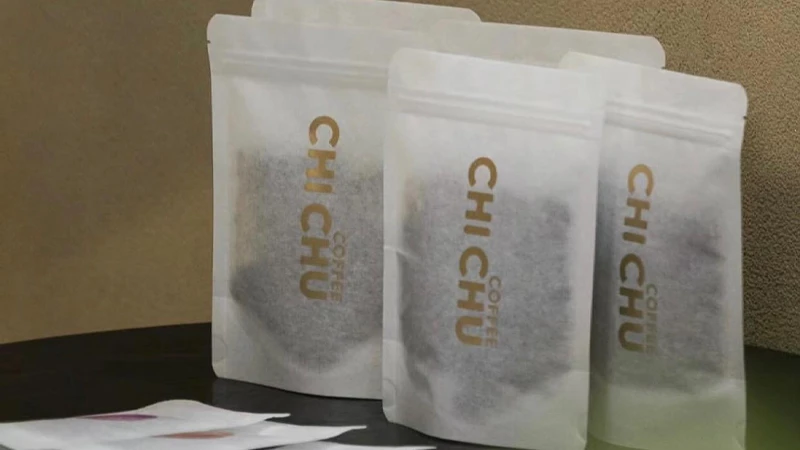
You will notice that rice paper stands out for its lightweight feel and distinctive texture. Manufacturers create rice paper from renewable sources like bark and bamboo, giving it a natural, slightly translucent appearance. This unique look makes rice paper coffee bags popular among brands that want to catch the eye of eco-conscious consumers. You can combine rice paper with PLA lamination or other barrier layers to improve moisture resistance and strength. This layering process helps rice paper packaging protect coffee beans from air and humidity. You also get flexibility in design, as rice paper works well with custom printing and creative shapes.
Sustainability
Rice paper supports your commitment to sustainable packaging. The materials used in rice paper come from fast-growing, renewable resources, which reduces the impact on forests and the environment. You can choose rice paper coffee bags that are biodegradable and compostable under the right conditions. This helps your brand meet sustainability goals and appeal to customers who value green solutions. Rice paper packaging aligns with the growing demand for eco-friendly products in the coffee industry. You show your dedication to reducing waste and supporting a circular economy.
Practical Use
You gain several advantages when you select rice paper coffee bags for your products. Market research shows that rice paper packaging is gaining popularity in the food and beverage sector because of its visual appeal and functional benefits. You can use rice paper coffee bags for small-batch or specialty coffees that require premium presentation. BN Pack offers custom rice paper coffee bags with options like resealable zippers, degassing valves, and PLA lamination. You can design packaging that fits your brand’s style and meets your product’s needs. Rice paper packaging helps you stand out on the shelf and connect with consumers who care about sustainability.
Direct Comparison
Sustainability
When you compare kraft paper and rice paper, you see both offer strong eco-friendly benefits. Kraft paper uses wood pulp from managed forests. This makes it a renewable and responsible option. Rice paper comes from fast-growing plants like bamboo and tree bark. These sources grow quickly and need fewer resources. You help the planet by choosing either material, but the sustainability comparison depends on your goals.
If you want an environmentally friendly choice, rice paper stands out for using less water and energy during production. Kraft paper supports recycling programs in many countries. Both materials break down naturally under the right conditions. You can feel confident that your packaging supports a greener future.
Tip: Always check for certifications like FSC or compostable labels to make sure your coffee bags meet your sustainability goals.
Strength
You need packaging that protects your coffee beans from damage and moisture. Kraft paper gives you excellent strength and durability. It resists tears and holds up well during shipping. Many brands use kraft paper for larger coffee bags because it keeps its shape and stands upright.
Rice paper feels lighter and softer. When you add layers or PLA lamination, rice paper bags become much stronger. These improvements help rice paper protect your coffee just as well as kraft paper in many cases. For small-batch or specialty coffees, rice paper offers enough strength with a unique touch.
Feature | Kraft Paper | Rice Paper |
|---|---|---|
Tear Resistance | High | Moderate (improved with layers) |
Weight Capacity | Heavy loads | Best for lighter loads |
Durability | Excellent | Good with lamination |
Cost
Cost plays a big role when you choose packaging. Kraft paper usually costs less than rice paper. You save money when you order large quantities of kraft paper coffee bags. This makes kraft paper a smart choice for brands with high-volume needs.
Rice paper costs more because of its unique materials and extra processing steps. If you want a premium look or smaller batches, rice paper can be worth the investment. You get a special appearance that helps your product stand out.
Note: Custom features like resealable zippers or special printing may affect the final price for both types of bags.
Appearance
You want your coffee bags to catch the eye of customers. Kraft paper gives you a classic, natural look. The brown color and sturdy feel suggest quality and tradition. You can print bold graphics and logos on kraft paper, making your brand easy to recognize.
Rice paper offers a different style. It feels soft and slightly see-through, with a texture that stands out on the shelf. Many brands use rice paper for its unique, artisanal appearance. You can create creative shapes and designs that appeal to eco-conscious buyers.
Kraft paper: Classic, rustic, strong shelf presence
Rice paper: Unique, translucent, premium feel
Recyclability
Recyclable packaging matters to you and your customers. Kraft paper coffee bags are widely accepted in recycling programs, especially if they do not have plastic linings. This makes kraft paper a top choice for recyclability.
Rice paper bags can also be recyclable or compostable, depending on the layers and coatings used. Always check local recycling rules to make sure your packaging meets requirements. Both kraft paper and rice paper help you reduce waste and support a circular economy.
Choosing recyclable packaging shows your commitment to the environment and builds trust with your customers.
Choosing the Right Coffee Bag
Decision Factors
You face several important factors when choosing between kraft paper and rice paper for your coffee packaging. Market research shows that your decision often depends on sustainability, cost, brand positioning, sensory perception, packaging functionality, and consumer expectations. The table below summarizes these key points:
Decision Factor | Details & Impact |
|---|---|
Sustainability | Most shoppers prefer eco-friendly materials. Kraft paper and rice paper both support green goals. |
Cost | Kraft paper is more affordable. Rice paper and matte finishes cost more but offer a premium look. |
Brand Positioning | Matte and rice paper bags attract upscale buyers. Kraft paper appeals to eco-conscious consumers. |
Sensory Perception | Paper-based packaging can make coffee seem fresher and richer. |
Packaging Functionality | Features like resealable closures and one-way valves keep coffee fresh and satisfy customers. |
Consumer Expectations | Packaging design influences most buying decisions. Eye-catching bags can boost your sales. |
You should weigh these factors based on your business goals. If you want to highlight sustainability, both kraft and rice paper work well. If cost matters most, kraft paper may be the better choice. For a premium or handmade look, rice paper stands out.
Matching Brand Needs
You need to match your coffee packaging to your brand’s unique needs. Studies show that packaging material can affect how customers perceive your coffee’s flavor and freshness. Paper-based or matte finishes often signal higher quality to buyers. Specialty brands that want to maintain top cup scores often choose packaging with strong barrier properties.
If your brand targets eco-conscious or budget-focused customers, kraft paper offers strength, versatility, and a natural look.
If you want to create a high-end, artisanal image, rice paper provides a unique texture and visual appeal.
For specialty coffees that require long shelf life and freshness, consider packaging with advanced features like hermetic seals or degassing valves.
Tip: You can consult BN Pack for expert advice on custom coffee packaging. Their team helps you select the right materials, features, and designs to match your brand’s vision and market needs.
Choosing the right coffee bag is a strategic step. You ensure your product stays fresh, your brand stands out, and your customers stay satisfied.
You have seen that kraft paper and rice paper both offer eco-friendly options for coffee bags. The MTPak Coffee report shows that both materials are biodegradable and recyclable when untreated, but coatings can affect recyclability.
Kraft paper works well if your customers have access to recycling programs.
Rice paper may suit areas without recycling because it breaks down naturally.
Choose the material that matches your brand’s needs and customer habits. For custom, sustainable coffee packaging, BN Pack can help you find the perfect fit.
FAQ
What makes kraft paper and rice paper good for coffee bags?
You get strong protection and a natural look with kraft paper. Rice paper gives you a unique texture and eco-friendly appeal. Both materials work well in food packaging and help keep coffee fresh.
Can I use these materials for other food packaging applications?
Yes, you can use kraft paper and rice paper for many food packaging applications. They work for tea, snacks, spices, and other dry foods. You get flexibility and sustainability for different products.
Are kraft paper and rice paper coffee bags safe for food contact?
You can trust both materials for food contact. Manufacturers follow strict safety standards. These coffee bags meet FDA and international guidelines for food packaging.
How do I customize my coffee bags with BN Pack?
You choose the size, shape, and features you want. BN Pack offers options like resealable zippers, degassing valves, and custom printing. You get expert help to design packaging that fits your brand.