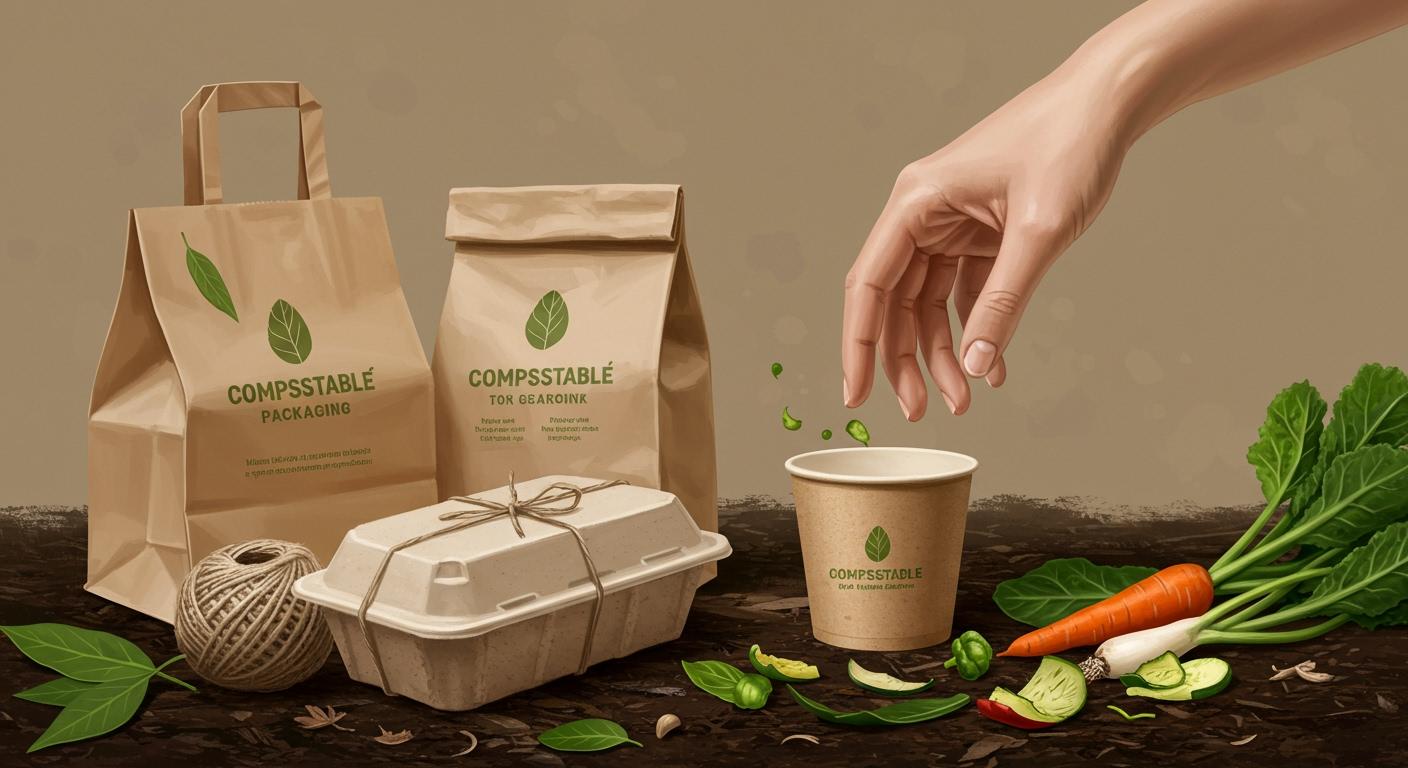
You can help the planet by picking compostable materials and sustainable packaging. Compostable materials break down into safe, non-toxic pieces. This helps keep landfill waste low and stops microplastic pollution. When you use certified food-contact compostable packaging, you pick an eco-friendly choice. It replaces single-use plastics. These sustainable choices help make the environment cleaner. They also give you easy ways to lower your impact every day.
Compostable materials overview
What are compostable materials
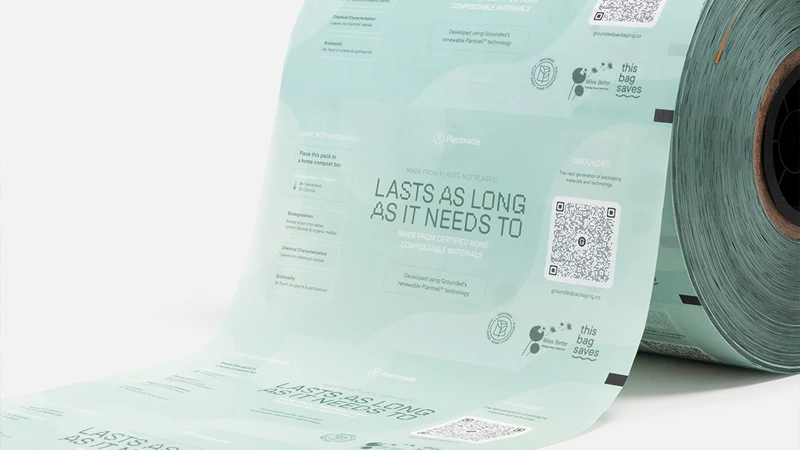
You may ask why compostable materials are different. These materials break down into natural parts in compost. They do not leave anything harmful behind. They turn into compost that helps plants grow strong. Compostable packaging comes from things that can be replaced, not from oil. It gives us a better choice than regular plastics.
Groups like ASTM International make rules for compostable products. The Federal Trade Commission checks if companies use true labels. A product must follow tough rules to be called compostable:
Criteria | Description |
|---|---|
Biodegradation | Materials break down in soil by microbes, like paper does. |
Disintegration | The materials break into small pieces. |
Eco-toxicity | The compost must help seeds grow, so it is safe for plants. |
Heavy metals | The compost must be safe to use on land. |
You can see many compostable materials in packaging now:
Paper and corrugated boxes
Plant-based bioplastics
Recycled paper pulp
Bagasse or sugarcane pulp
Cornstarch packaging
These green choices help you pick packaging that is better for the Earth.
Environmental benefits
Using compostable packaging helps cut down on landfill trash. It also lowers your impact on the environment. Compostable materials can go in home compost bins. They turn into compost that helps plants grow. This keeps trash out of landfills and helps us waste less.
Compostable and biodegradable materials work well with green waste solutions. They fit with ways to treat waste that help nature. Many rules and laws support these methods. For example, some companies use plant-based packaging to lower carbon emissions. Dell used mushroom packaging instead of foam and made less carbon.
When you pick sustainable materials and new packaging ideas, you help the planet. You also show you care about eco-friendly packaging and good habits.
Sustainable packaging essentials
Key features
You want packaging that keeps products safe and helps nature. Sustainable packaging is special because it uses materials that are better for the Earth. These materials can be renewable, recyclable, or biodegradable. Picking these options helps you make less trash and use resources wisely.
Sustainable packaging uses materials that come from things that grow back.
You can recycle or compost these materials when you finish using them.
The design makes packages smaller and lighter, so it saves resources.
Eco-friendly packaging breaks down much faster than regular plastic.
Recyclable materials help keep trash out of landfills.
Old packaging often uses plastics that do not break down. These plastics can stay in the ground for hundreds of years. Sustainable packaging uses materials that break down in months or can be recycled. This helps the Earth and keeps our world cleaner.
Why sustainable packaging matters
More businesses pick sustainable packaging every year. Customers want packaging that matches what they care about. Many people now look for eco-friendly and recyclable choices when they shop. Online shopping has made people notice how much packaging waste there is.
Cities like New York, San Diego, and Seattle do not allow Styrofoam packaging.
California says half of all plastic drink bottles must use recycled stuff by 2030.
These rules make companies use more green and recyclable materials.
It is harder and more expensive to get old packaging materials now. Choosing sustainable packaging can help you save money over time. Smaller and lighter packages cost less to ship and throw away. Eco-friendly packaging helps you follow new rules and keeps your business ready for the future.
Tip: Picking sustainable packaging shows you care about the planet. You help protect nature and earn trust from your customers.
Compostable packaging materials types
When you want compostable packaging, you have many options. Each type helps the planet and your business in different ways. Let’s look at the main types you can use for eco-friendly packaging.
Plant-based options
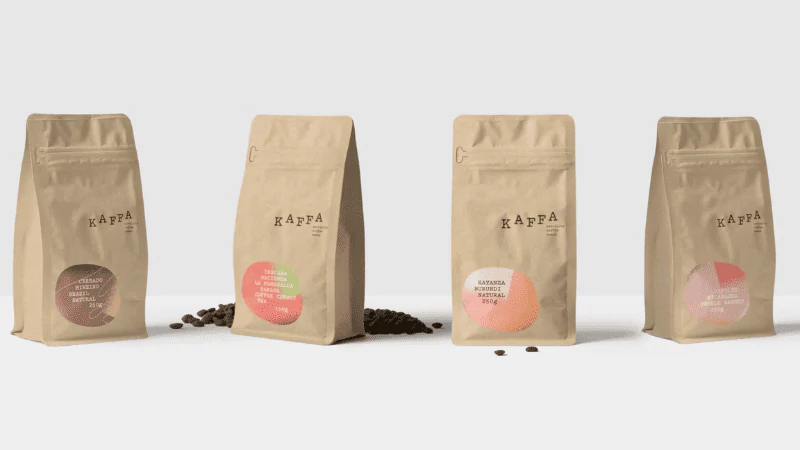
Plant-based bioplastics are a common choice for compostable packaging. These come from plants like corn, sugarcane, or cassava. You can use them instead of regular plastics. They break down into natural parts and do not leave bad waste.
Some popular plant-based materials are PLA and plant fiber. These often have special certifications. You should check for these when picking compostable packaging:
Plant-Based Material | Certifications |
|---|---|
PLA (polylactic acid) | BPI, ASTM D6400, ASTM D6868 |
Plant fiber | BPI, ASTM D6400, ASTM D6868 |
BPI certification means the material meets tough compostable rules.
ASTM D6400 and ASTM D6868 are important in the United States.
BN PACK has many plant-based bioplastics for flexible packaging. These help you use less plastic and support a greener future. You can also find plant-based options from TIPA, EcoEnclose, and EcoPackable. TIPA makes compostable packaging that works well for food and keeps it fresh.
Tip: Always look for certifications like BPI or ASTM when you pick plant-based bioplastics. This makes sure your packaging is really compostable and safe for the planet.
Paper and cardboard
Paper and cardboard are classic compostable packaging materials. You see them in boxes, mailers, and wraps. These are renewable, biodegradable, and recyclable. In Europe and North America, over 70% of paper and cardboard packaging gets recycled. This is much more than plastics.
You can compost paper and cardboard at home or in big compost places. They break down naturally and do not hurt the soil. Many companies, like BN PACK, have paper-based compostable packaging with food safety and compostability certifications. EcoEnclose and EcoPackable also have strong paper and cardboard options for shipping.
When you use paper and cardboard, you help cut landfill waste and support recycling. These are easy to recycle and compost, so they are a top pick for eco-friendly packaging.
Bagasse and byproducts
Bagasse comes from making sugarcane. You can use it to make trays, plates, and containers. Bagasse is a renewable resource that helps lower carbon emissions. It breaks down in compost in 30 to 90 days, much faster than plastics.
Bagasse means you need less petroleum-based materials.
It helps save trees by using less wood pulp.
You help manage waste better when you pick bagasse.
Bagasse products are strong and resist moisture. They do not need plastic linings. When you compost bagasse, it turns into rich soil. BN PACK has bagasse-based compostable packaging that meets world compostability standards. Other brands, like EcoPackable, also use bagasse and other farm byproducts for their green packaging.
Bagasse is biodegradable and compostable, breaking down in 60-90 days.
It helps lower greenhouse gases.
Composting bagasse gives the best results for the planet.
Cornstarch materials
Cornstarch is another plant-based choice for compostable packaging. You find it in bags, mailers, and films. Cornstarch packaging breaks down fast in compost, so many green brands like it.
You should check for these certifications when picking cornstarch packaging:
Certification Name | Description |
|---|---|
TÜV Austria Certification | Shows a product can fully break down in home compost in 180 days. |
BPI Certification | Means the product meets compostable rules. |
EN13432 Certification | Meets European compostability standards. |
BPI, ASTM D6400, and EN 13432 are common for cornstarch packaging.
BN PACK has cornstarch-based compostable packaging that is safe for food and meets world compostability rules. You can compare these to EcoEnclose and EcoPackable, which also have certified cornstarch packaging for shipping and stores.
Note: Cornstarch packaging is a good pick if you want a compostable, plant-based option that is safe and works well.
When you pick compostable packaging like plant-based bioplastics, paper, bagasse, or cornstarch, you help the Earth. You also show your customers you care about green and sustainable packaging.
Sustainable packaging solutions in the market
Food and beverage packaging
Food and drink packaging is changing a lot now. Companies use compostable packaging to keep food and drinks safe. These materials break down and are good for the Earth. Some popular choices are:
Compostable paper and cardboard for food trays and boxes
Bioplastics like PLA and starch-based plastics from plants
BN PACK has flexible packaging for coffee, snacks, and drinks. You can pick stand-up pouches, spouted pouches, or eco-friendly boxes. These keep food fresh and safe to eat. Many BN PACK products are recyclable, compostable, or biodegradable. This helps you follow food safety rules and care for the planet.
E-commerce and shipping
E-commerce and shipping make a lot of packaging trash. You can help by choosing sustainable packaging. Compostable packaging lets your business use green ideas. It also helps create less waste and supports a circular economy. When you use these, you:
Make less packaging trash
Lower greenhouse gas pollution
Show customers you care about nature
BN PACK gives you custom mailers, film rolls, and shipping bags. These use eco-friendly materials and smart designs. They help you save money and protect your brand’s image. Many big brands trust BN PACK for good and green packaging.
Retail and specialty sectors
Retail and specialty stores need packaging that looks good and protects things. You can find many green packaging choices in these stores. The table below gives some examples:
Sector | Sustainable Packaging Examples |
|---|---|
Beverage Industry | Plant-based bottles, less plastic, new can designs, green can carriers |
Food Industry | Compostable trays, biodegradable films, recyclable paperboard, paper takeout boxes |
Personal Care Products | Concentrated formulas, refillable systems, paper bottles |
E-commerce | Right-sized packaging, reusable shipping boxes, less extra packaging |
BN PACK helps retail brands with custom designs and green boxes. You can pick packaging that fits your brand and meets world standards. BN PACK works with big clients like Walmart and Spar in over 100 countries. This shows they are trusted and focus on new ideas.
Tip: Choosing sustainable packaging helps the Earth and makes customers trust you.
Choosing compostable and sustainable packaging
Assessing needs
First, look at the packaging you use now. Do a full check to see what you use and what you can change. Set goals for your new packaging. Decide if you want to use less material or try compostable options. You might want to focus on items that have the biggest impact. Make sure your packaging is the right size so you do not waste materials. Try out new materials with a small test before using them everywhere. Work with a company like BN PACK. They can help you design packaging that fits your needs and helps you reach your green goals.
Tip: Using sustainable materials helps the planet and brings loyal customers.
Supplier evaluation
When you pick a supplier, find one that matches your green goals. Choose suppliers who offer compostable, recyclable, or biodegradable packaging. Make sure they are honest about how they make their products. BN PACK gives you many choices and custom designs for different businesses. You can trust them because they have certifications and work with big brands.
Here are some things to check:
Sustainability: Ask how their packaging affects the environment.
Supplier transparency: Pick suppliers who share information and build trust.
Customization: Find suppliers who make packaging that fits your products.
Check for certifications to make sure the packaging is really compostable. The table below shows some important certifications:
Certification | Description | Testing Criteria |
|---|---|---|
TUV | Home and Industrial compostable certifications | Decomposition rate, biodegradation, toxicity levels |
ABA | Australian Bioplastics Association certification | Physical breakdown, environmental toxicity, heavy metals presence |
BPI | U.S. Biodegradable Products Institute certification | Verified for industrial composting standards by a third party |
Educating stakeholders
You need to help your team and customers learn about compostable and sustainable packaging. Make a plan to share information about your green choices. Use reports to show your progress and goals. Talk with your customers and listen to what they say. When you explain how your packaging helps the planet, you build trust and show you care about being green.
Note: BN PACK gives you clear information and certifications, so it is easier to share your green story with others.
Production and ethical considerations
Manufacturing processes
You help decide how your packaging gets made. Sustainable manufacturing uses less energy and fewer resources. Picking compostable materials helps the environment. Studies show compostable plastics can lose almost all their mass in four months in industrial composting. This means they break down fast and safely. They also make soil better and help plants grow strong. When you choose this kind of packaging, you help keep the planet clean.
Certifications and standards
You should look for certifications before picking compostable or recyclable packaging. These show the materials follow strict safety and compostability rules. The table below lists some important certifications and standards:
Certification/Standard | Description |
|---|---|
Cedar Grove Certified | Products certified for composting in Cedar Grove facilities. |
DEBIO Certified | Norwegian certification for organic agriculture post-composting. |
ASTM-D6400 Standard | Products break down within 180 days and yield non-toxic organic compounds. |
ASTM-D6868 Standard | For compostability of plastic films or coatings on compostable products. |
CAN/BNQ 0017-088 Standards | Canadian standards for compostable plastics and compost quality. |
European Standard EN 13432 | Disintegration within 12 weeks and biodegradation within six months. |
Seedling | Proves industrial compostability under EN 13432. |
BPI CERTIFIED COMPOSTABLE | Meets ASTM D6400 and D6868 for commercial composting. |
OK compost HOME & INDUSTRIAL | TÜV Austria certification for compostability under EN 13432. |
CMA Certified Compostable | Compost Manufacturing Alliance certification for ASTM standards. |
End-of-life options
You have a few choices for what happens to packaging after you use it. Compostable packaging breaks down into natural parts and helps the soil. This is not like regular packaging, which often goes to landfills or gets burned and pollutes the air.
Composting works best when the conditions are right. Even certified compostable materials might leave small bits if not composted the right way.
Recycling is another good choice for end-of-life. It keeps materials in use and cuts down on waste. When you pick recyclable packaging, you help keep trash out of landfills and support a circular economy.
Ethical choices are important. You can make less waste by using less packaging, picking recyclable or compostable materials, and making packaging that can be used again. You also help people and the planet by making sure workers are treated fairly and production is safe.
When you pick compostable materials, you get many good things. These choices make your brand look better. They also help you make less pollution and send less trash to landfills. You can begin by looking for eco-friendly suppliers. Plan how you will change your packaging. Teach your team and customers about the new packaging.