
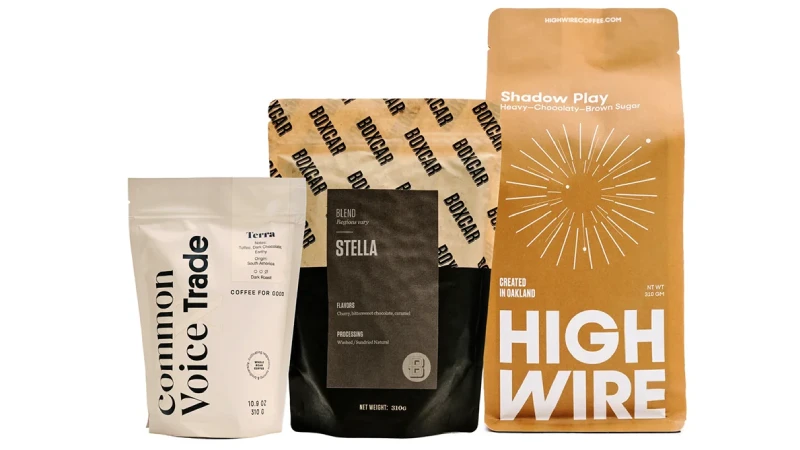
You just drank your favorite coffee. Now you have an empty bag. You may not know if you can recycle coffee bags in a green way. Many people feel unsure about recycling coffee bags, especially when it comes to recyclable coffee bags. This uncertainty arises because they are made from different materials. Recycling gets tricky when bags have many layers.
Each year, the world’s coffee industry generates over 23 million tonnes of waste, which includes packaging. In the United States, single-use coffee pods contribute to over 60,000 metric tons of plastic waste every year. Choosing sustainable coffee packaging, such as recyclable coffee bags, helps lower this problem. When you opt for recyclable options, you play a part in keeping the planet clean.
Are Multilayer Coffee Bags Recyclable?
When you finish your coffee, you may wonder about recycling. It is not always easy to recycle coffee bags. Most multilayer coffee bags are hard to recycle. They have many layers made from different materials. These layers keep coffee fresh and safe from moisture, light, and air. This design protects coffee well. But it makes recycling very tough.
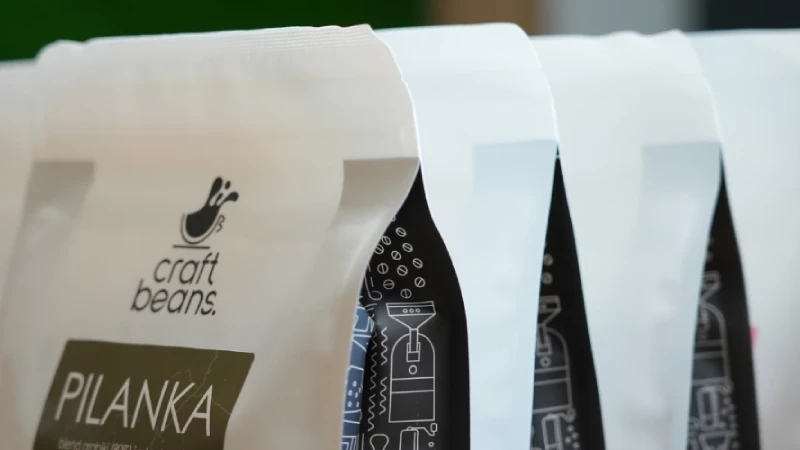
Why Recyclable Coffee Bags Are Challenging
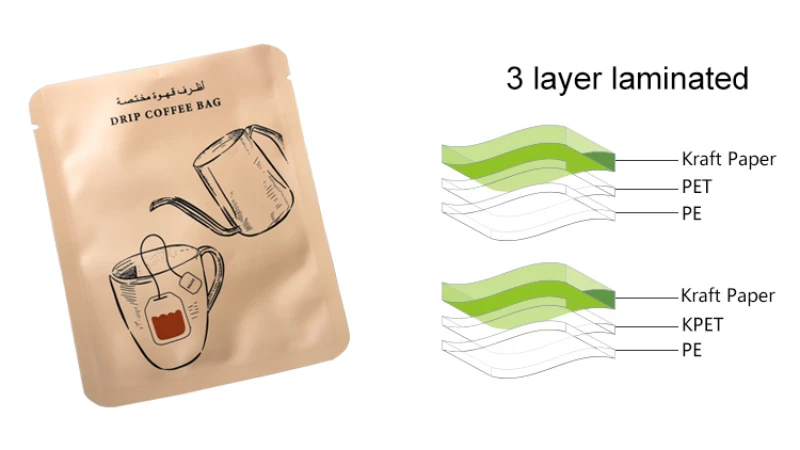
Not all coffee bags are recyclable. Most coffee bags use several layers of materials. These layers can include plastics, aluminum, and sometimes paper. The layers are stuck together. This makes it hard to take them apart for recycling. Here is a table that explains why recycling coffee bags is difficult:
Reason | Explanation |
|---|---|
Composite Materials | Layers of different materials are fused, making separation difficult. |
Low Recyclable Content | Often only 20–30% of the material can be recovered. |
Limited Industrial Infrastructure | Many recycling plants cannot process laminated films efficiently. |
Many recycling centers cannot handle these bags. The materials are stuck together tightly. This can cause contamination. So, many bags end up in landfills. Some recycling centers do not have buyers for single plastic coffee bags. This makes recycling less useful.
Tip: Not all packaging is easy to recycle. Most flexible plastics and composite materials cannot go in regular curbside bins.
You might hear some myths about recycling coffee bags. Some people think most coffee bags can be recycled at home. Others believe foil-lined bags are recyclable. In reality, these options are very limited. Here is a table with some common misconceptions:
Misconception | Explanation |
|---|---|
Most coffee bags can be recycled at home | This is false; they contain mixed materials that cannot be separated for recycling. |
Foil-lined composite coffee bags are recyclable | This is incorrect; recycling opportunities for these bags are very limited or non-existent. |
Composite packaging can be recycled | This is misleading; while individual materials can be recycled, composite packaging cannot be separated and recycled. |
The Role of Materials and Adhesives
Materials and adhesives in coffee bags affect recycling. Most multilayer coffee bags use plastics like polyethylene (LDPE), polypropylene (PP), and sometimes compostable materials. Some bags use post-consumer recycled (PCR) content. The table below shows how these materials affect recycling:
Material Type | Recyclability Status |
|---|---|
Polyethylene (LDPE, #4) | Generally recyclable in specific streams |
Polypropylene (PP, #5) | Generally recyclable in specific streams |
Composite materials | Often non-recyclable due to mixed materials |
Compostable materials | Varies based on local facilities |
Post-consumer recycled (PCR) | Generally recyclable in specific streams |
Strong adhesives like polyurethanes make recycling even harder. These adhesives hold the layers together tightly. It is almost impossible to separate them for recycling. The flexible multilayer packs protect coffee. But they also make recycling more difficult.
Recycling centers face many problems with coffee bag recycling. These problems include high costs, trouble separating materials, contamination from leftover coffee, and different melting points for each layer. All these things make recycling multilayer coffee bags very hard.
Note: New technologies like enzymatic recycling and chemical depolymerization may help in the future. Most recycling plants do not use these methods yet.
BN PACK’s Commitment to Eco-Friendly Solutions
You can help by choosing recyclable coffee bags from brands that care about the environment. BN PACK offers recyclable coffee bags made from mono-material PE. You can recycle these bags through store-drop programs. The company also has options like kraft paper and PLA, which are more eco-friendly. BN PACK wants you to pick the right coffee bag and recycle it properly to help reduce waste.
If you want to support coffee bags recyclable efforts, look for packaging with fewer layers or single materials. BN PACK works on new ideas and cares about sustainability. This gives you more choices for eco-friendly coffee packaging.
Types of Coffee Bags by BN PACK
Eco-Friendly and Recyclable Coffee Bags
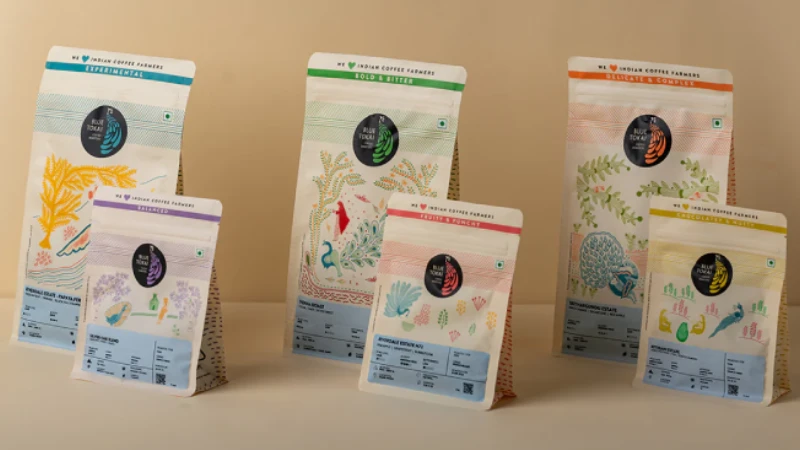
You can pick from many eco-friendly coffee bags. BN PACK makes special flat bottom coffee bags you can recycle. These bags use materials that help the planet. The design keeps your coffee fresh and tasty. You can stack these bags because they are strong and steady. Many bags use LDPE, which you can recycle in special places. Some bags use PET, and most recycling centers take it. Other bags use BOPP, but it is not easy to recycle at home.
Here is a table to show what materials are used and how you can recycle them:
Material | Recyclability | Notes |
|---|---|---|
LDPE | Recyclable (special programs) | Not always curbside accepted |
PET | Widely recyclable | Accepted in most recycling centers |
BOPP | Limited recyclability | Fewer recycling options |
BN PACK also uses kraft paper and rice paper. Kraft paper can be recycled and composted. Rice paper comes from plants and helps the earth.
Picking recyclable coffee bags helps the planet and supports green choices.
Compostable and Biodegradable Options
If you want to be even greener, you can choose compostable coffee bags from BN PACK. These coffee bags use materials that break down in nature. They help cut down on trash in landfills. Compostable coffee bags let you pack coffee without using plastic.
Compostable coffee bags work best in big composting centers.
Home composting takes longer and may not break down everything.
Only simple papers and plain card break down fast at home.
You can also get coffee bags made from PLA and other plant stuff. These bags meet rules for composting and recycling. When you pick these bags, you help make the world cleaner.
Tip: Compostable coffee bags need special conditions to break down. Check if your local compost place will take them.
How to Identify Recyclable Coffee Bags
Reading Labels and Symbols
You can find out if coffee bags are recyclable by looking at the labels and symbols. Most brands put clear signs on their packaging. These signs help you know how to recycle coffee bags. Look for the recycling symbol with arrows in a circle. Sometimes, there is a number inside the symbol. Numbers like #2, #4, or #5 tell you what kind of plastic is used. If you see words like “100% Recyclable” or “Store Drop-off Recyclable,” you can recycle the bag in special places. Some bags pass the “tear test.” If you pull the bag and it stretches like plastic, it is probably made from one material. Bags made from one material are easier to recycle.
Tip: Always read the packaging for recycling steps. Some bags must go to store drop-off bins, not your curbside bin.
Here are the main things you should check:
Look for the recycling symbol with arrows and a number (#2, #4, #5)
Find words like “100% Recyclable” or “Store Drop-off Recyclable”
See if the bag stretches like plastic when you pull it
Check for clear instructions about recycling or throwing away
Material Clues for Coffee Bags Recyclable
You can also tell if coffee bags are recyclable by looking at what they are made of. Bags made from just one material are easier to recycle. Bags with many layers are harder to recycle. Most recyclable coffee bags use polyethylene (PE), polypropylene (PP), or polyethylene terephthalate (PET). Some bags use paper, which you can recycle in most curbside bins. Biodegradable plastics need special places to break down.
Material Type | Recyclability |
|---|---|
Polyethylene (PE) | Recyclable |
Polypropylene (PP) | Recyclable |
Polyethylene Terephthalate (PET) | Recyclable |
Paper | Recyclable |
Biodegradable Plastics | Varies by type |
Coffee bags made from one material make recycling simple. Some brands use up to 70% post-consumer recycled content. This helps save new materials. If you want to recycle coffee bags, pick ones with clear material labels. Try not to choose bags with many layers.
Note: If you do not know what the bag is made of, check the brand’s website or ask your local recycling center for help.
How to Separate Layers for Recycling
Tools and Preparation
You need some tools before you start. Most coffee bags have strong glue and tough layers. These tools make the job easier:
Scissors or a utility knife
Tweezers
Small pliers
Clean workspace
Gloves (optional for safety)
Set up your workspace with good light. Wash the empty coffee bag to get rid of coffee grounds. Dry the bag all the way. This stops contamination and makes handling easier.
Tip: Always look at the packaging for recycling steps. Some coffee bags cannot be taken apart. If you see “mono-material” on the label, you do not need to separate layers.
Step-by-Step Separation Guide
You can use these steps to separate layers in most coffee bags. This helps you recycle better.
Cut the coffee bag at the seams with scissors or a knife.
Pull the outer layer away from the inside lining. Use tweezers or pliers if the layers are stuck.
Look for thin plastic, foil, or paper layers. Separate each layer slowly so you do not rip them.
Put each material in its own pile. You can use a table to keep things organized:
Layer Type | Example Material | Disposal Method |
|---|---|---|
Outer | Kraft paper | Recycle (paper bin) |
Middle | Aluminum foil | Specialty recycling |
Inner | Plastic (PE/PP) | Store drop-off |
Note: Not all recycling centers take separated layers. Ask your local center which materials they accept.
You help the planet when you recycle coffee bags the right way. Separating layers takes time, but it matters.
How to Recycle Coffee Bags and Layers
Local Recycling Options
You can recycle coffee bags in your area if you know where to go. Some local recycling programs take certain coffee packaging. You should check which programs accept multilayer bags or separated layers. Some programs only take certain brands or materials. Always read the rules before dropping off your bags.
Here is a table that lists some local recycling programs and what they take:
Program Name | Accepted Items |
|---|---|
Coffee Bag and Pod Free Recycling Program | Don Francisco’s® Coffee bags and pods, Café La Llave® Espresso coffee pods, José’s® Gourmet Coffee packaging |
Kraft Heinz Coffee Free Recycling Program | Maxwell House, Nabob, Ethical Bean coffee packaging, Tassimo discs, compostable pods |
You can bring coffee bags to these programs if your brand is listed. Some centers also take separated layers like paper or foil. Kraft paper coffee bags are easier to recycle because most curbside bins take paper. Always clean your bags before recycling them. This stops contamination and helps the recycling process work better.
Tip: Ask your local recycling center if they take multilayer bags or just single-material bags. This helps you recycle coffee bags the right way.
Mail-In and Specialty Programs
If your local center does not take your coffee bags, you can use mail-in or special programs. These programs help you recycle coffee bags that are hard to recycle nearby. TerraCycle and other groups offer free recycling for some brands. You need to follow their steps to make sure your bags get recycled.
Here is a table that shows how mail-in programs work:
Step | Description |
|---|---|
Collect | Make a TerraCycle account and collect certain coffee bags and pods in a box. |
Request a shipping label | Log in and ask for a QR code or shipping label for FedEx or UPS. |
Ship | Close the box, take off old labels, and send it to TerraCycle for recycling. |
Items accepted | Don Francisco’s Coffee bags, Café La Llave® espresso pods, and José’s® Gourmet Coffee bags. |
Cost | Paid for by F. Gaviña & Sons, Inc., so it is free for you. |
Cleaning requirement | You do not have to clean items, but remove as much coffee as you can before shipping. |
You can also join programs that give rewards for recycling. For example, you can collect nine empty Mugging Whales Coffee bags, write your name and email, and mail them to the address given. Some programs let you drop off bags at special places.
Mail-in programs work very well. The recycling program for coffee liner bags has a 100% success rate for bags collected. This is much better than the average recycling rate for plastics in America, which is about 5%. You help the earth when you use these programs to recycle coffee bags.
Note: Always check which brands and materials each program takes. This helps you avoid sending things that cannot be recycled.
BN PACK’s Eco-Friendly Initiatives
You can help a lot by picking eco-friendly coffee packaging from BN PACK. The company makes recyclable coffee bags with mono-materials like PE. These bags are easier to recycle at store drop-off spots. BN PACK also has compostable and biodegradable choices, like kraft paper and PLA. You help coffee bag recycling when you choose these products.
BN PACK’s packaging helps you recycle coffee bags and cut down on waste. The company uses strong materials that keep coffee fresh and help recycling. You can find recyclable options for both small and big coffee bags. BN PACK meets world safety and green standards, so you know you are making a good choice.
You help the planet when you pick recyclable coffee bags and recycle them the right way. BN PACK’s promise to eco-friendly coffee packaging gives you more ways to recycle and protect the earth.
Tip: Go to BN PACK’s website to learn more about their recyclable and compostable coffee bag choices. You can find packaging that works for you and helps the planet.
Alternative Disposal and Upcycling Ideas
Home Uses for Coffee Bags
You can find many ways to reuse empty coffee bags at home. These bags have strong material and unique designs. You can turn them into useful items instead of throwing them away. Here are some popular ideas:
Stylish Storage Baskets: You can make baskets for blankets, toys, or laundry. Coffee bags add a rustic look to your room.
Cafe Curtains: You can sew coffee sacks into curtains for your kitchen or café space. The texture gives a cozy feel.
Super Cute Waistcoats: You can create waistcoats from coffee sacks. These make fun costumes or fashion pieces.
Compostable Weed Mats: You can use coffee sacks in your garden to stop weeds. The material breaks down over time and helps the soil.
Tip: Wash and dry coffee bags before you start any project. Clean bags last longer and look better.
You can also use coffee bags for simple crafts. You can cut them into placemats or use them as liners for drawers. The thick material protects surfaces and adds style.
Creative Upcycling Projects
You can get creative with upcycling coffee bags. Many people sew used coffee bags into storage solutions. You can make covers for floor pillows or baskets for blankets. The sturdy fabric works well for these projects.
You can stitch coffee bags together to make tote bags for shopping.
You can craft wall art by framing the printed side of the bag.
You can design organizers for your workspace using folded coffee bags.
You can make planters by lining pots with coffee bags.
🌱 Upcycling coffee bags helps you reduce waste and save money. You give new life to packaging that would otherwise end up in the trash.
You can share your creations with friends or family. You inspire others to reuse and recycle. Every small project helps the environment and shows your creativity.
You can recycle coffee bags better by using local drop-off spots. Clean your coffee bags before you recycle them. Pick bags made from one material or rice paper. Many people want packaging that is easy to recycle. They support brands that use eco-friendly materials. When you recycle and tell friends how, you help cut down on waste. You also help keep the planet safe. If you buy from companies like BN PACK, more brands may use green packaging.
Every small step you take to recycle helps the environment a lot.