
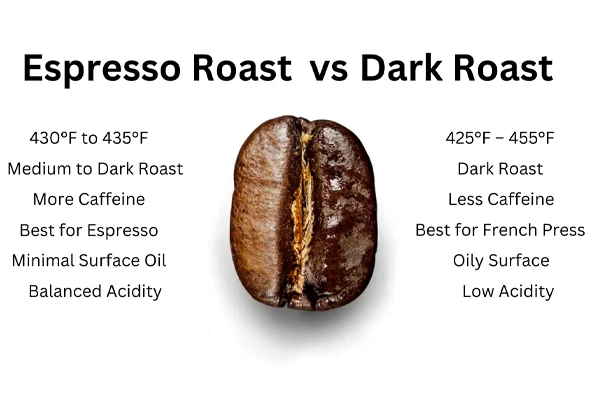
You’re standing in the coffee aisle, looking at two bags of beans that appear almost identical in their deep, rich color. One is labeled “Dark Roast,” a familiar and straightforward term. The other is labeled “Espresso Roast,” which seems equally specific. This leads to a common point of confusion for coffee lovers everywhere: are they the same thing?
Is all espresso a dark roast? Is any dark roast automatically a good choice for your espresso machine? The answer is more nuanced and far more interesting than a simple yes or no, and understanding the distinction is key to brewing better coffee.
We will provide a clear definition for both a “dark roast” and an “espresso roast,” explore the unique goals behind each roasting style, bust some persistent myths, and ultimately help you understand exactly what you’re buying and why it matters.
What is a Dark Roast? Understanding a Flavor Profile
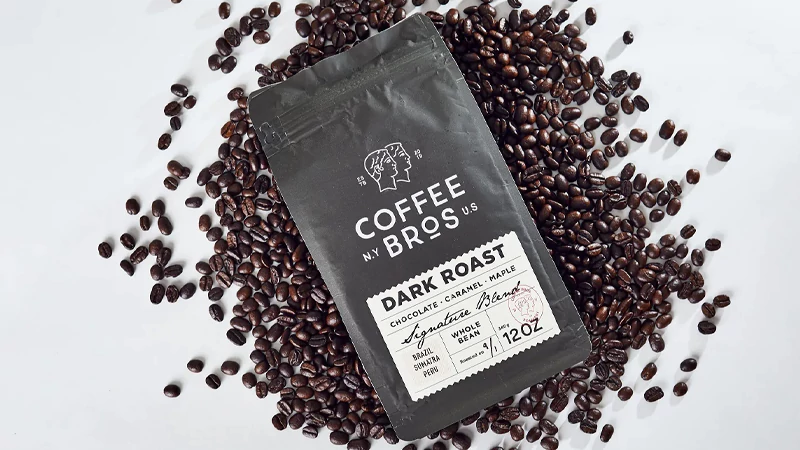
First, it’s essential to understand that “dark roast” is a broad category that describes a coffee’s flavor profile, which is a direct result of how far it was taken in the roasting process. A dark roast refers to any coffee that has been roasted to, or through, the “second crack”—an audible event where the bean’s structure begins to fracture under the intense heat and pressure. This is a significant point of transformation where the character of the coffee changes dramatically.
Bean Characteristics
Visually, dark-roasted beans are easy to spot. They will have a deep, rich chocolate-brown to an almost black color. A key characteristic is the presence of a noticeable sheen or even a full coating of oil on the surface of the bean. This occurs because the prolonged heat of a dark roast breaks down the bean’s internal structure, forcing the natural oils to migrate to the outside. A classic example of this is the appearance of dark and oily french roast beans.
Flavor Profile
The most important thing to know about a dark roast is that its dominant flavors come from the roast process itself, rather than the bean’s origin. The intense heat diminishes the coffee’s original bright, acidic, and fruity notes, replacing them with deep, bold, and comforting flavors. The classic dark roast profile is defined by:
Low Acidity: The bright acids are largely roasted away.
Heavy Body: The coffee has a rich, full mouthfeel.
Roast-Forward Flavors: The primary tasting notes are of dark chocolate, smoky caramel, nuts, and a bittersweet, roasty finish. This is the profile that creates a classic dark roasted espresso.
What is an Espresso Roast? Understanding a Roasting Intention
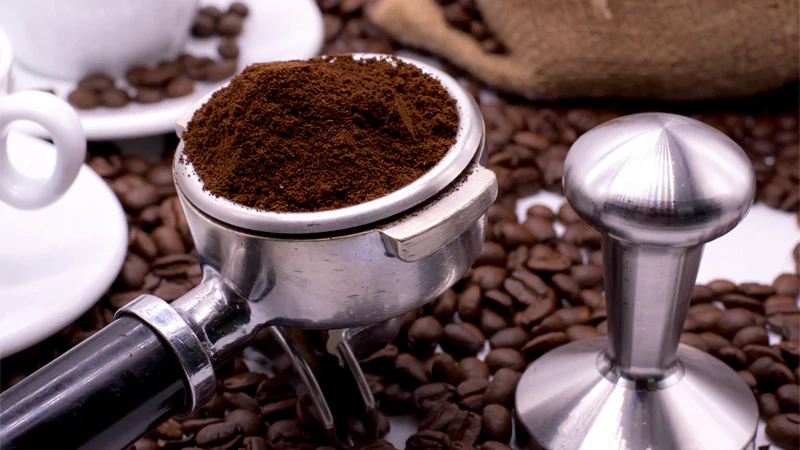
This is where we address the core of the confusion. The term “Espresso Roast” is fundamentally different from “Dark Roast.” A dark roast describes a color and a flavor profile. An espresso roast describes a purpose or an intention. What does espresso roast mean? It means the roaster has specifically developed and roasted that particular coffee with the primary goal of making it taste great when brewed as an espresso.
Espresso is not a type of bean; it’s a unique brewing method. It uses high pressure and hot water to extract a concentrated shot of coffee in under 30 seconds. This intense and rapid extraction process acts like a magnifying glass, amplifying all of the coffee’s characteristics. A coffee that tastes balanced and pleasant as a drip coffee might taste overwhelmingly sour or acidic as an espresso.
Therefore, when a roaster creates a coffee beans espresso roast, their goal is to craft a profile that achieves two primary objectives:
To Increase Solubility: The roaster needs to develop the bean in a way that makes it more brittle and easily soluble in water. This is crucial for achieving a proper extraction in the very short time frame of an espresso shot. Pushing the roast slightly further helps to break down the bean’s structure, making it easier for the water to extract the delicious solids.
To Achieve Balance (Especially Taming Acidity): The high pressure of an espresso machine magnifies acidity. A bright, sparkling acidity that is lovely in a pour-over can become piercingly sour in an espresso. The roaster’s goal is to develop the roast long enough to soften these sharp, bright acids and convert them into a deeper, richer sweetness. This also develops the natural oils and sugars that create a thick, syrupy body and a stable, lasting crema—the hallmarks of a great espresso shot.
While many traditional roasters use a medium-dark or dark roast coffee for espresso to achieve this balance, many modern specialty roasters are now crafting exceptional light and medium roast espressos that are sweet, vibrant, and full of complex fruit notes.
Espresso Roast vs. Dark Roast
Now that we’ve defined each term, we can put them in a direct comparison to clear up the confusion. The fundamental difference between espresso vs dark roast is a matter of description versus intention.
A Dark Roast is a description of a flavor profile and a physical state. It tells you that the bean has been roasted to or past the second crack, and that you should expect low acidity, a heavy body, and roasty, smoky flavors.
An Espresso Roast is a prescription for a specific brewing method. It tells you that the roaster has intentionally designed the roast profile to perform well under the intense pressure of an espresso machine, aiming for optimal solubility and a balanced flavor.
The Overlap: When a Dark Roast is an Espresso Roast
Can a dark roast be an espresso roast? Yes, absolutely. This is the traditional approach, especially for classic Italian-style espresso blends. A roaster will intentionally create a dark espresso roast to minimize acidity, maximize body, and produce those deep, rich, chocolatey flavors that are famously consistent and pair perfectly with steamed milk in a latte or cappuccino. For many people, this bold and roasty style is the definitive espresso dark roast flavor.
The Divergence: When an Espresso Roast is Not a Dark Roast
Can an espresso roast be a light or medium roast? Yes, and this is a key characteristic of the modern specialty coffee scene. A roaster might take a high-quality single-origin Ethiopian coffee, known for its bright, fruity, and floral notes, and develop it as a medium-light espresso roast. Their goal is not to create roasty flavors, but to soften just enough of the acidity and increase the bean’s solubility so that these beautiful origin characteristics can be expressed in a balanced and delicious espresso shot.
The key takeaway is this: “Dark Roast” tells you what you will taste. “Espresso Roast” tells you how the roaster intends for you to brew it.
Common Questions About Roast Levels
The language of coffee can be confusing, and several common myths have emerged around these roast terms. Let’s clear up two of the most persistent ones with straightforward, expert answers.
Myth: Does Espresso Roast Have More Caffeine?
This is one of the most frequently asked questions, and the answer is a clear no. The term “Espresso Roast” has no bearing on the caffeine content of the bean itself. Caffeine is a very stable compound, and the roasting process has only a minimal effect on the amount present in a single bean.
Here’s the scientific detail: a light roast bean is denser and will have slightly more caffeine by weight than a dark roast bean, as a tiny amount of caffeine is burned off during a longer roast. However, because dark roast beans are larger and less dense, a scoop of dark roast beans might contain more individual beans, and therefore slightly more caffeine than a scoop of light roast beans.
Ultimately, for the drinker, the difference is negligible. The final caffeine in your cup is far more dependent on the type of bean (Robusta has much more than Arabica) and your brewing recipe (how much coffee you use) than on the roast level.
Myth: Is Dark Roast the Same as Black Coffee?
Another common point of confusion is the difference between “dark roast” and “black coffee.” The question “is dark roast the same as black coffee?” has a very simple answer: no, they are completely different terms.
Dark Roast describes the bean. It is a classification of how long and to what temperature the coffee was roasted.
Black Coffee describes the drink. It refers to how the final beverage is served—simply brewed coffee with nothing added to it, like milk, cream, or sugar.
You can take a light roast coffee, brew it, and drink it black. Conversely, you can take a dark roast coffee, brew it, and add a generous amount of cream and sugar. One term describes the product; the other describes the preparation.
Packaging for Intense Roasts: Protecting Oils and Aromas
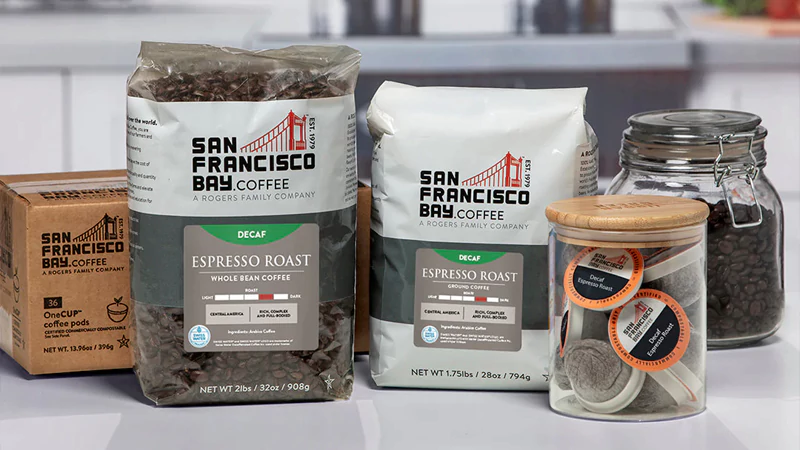
Whether you are perfecting a classic dark espresso or a modern medium coffee bean espresso roast, the intense roasting process that creates these beloved profiles also creates unique challenges for preservation. The physical and chemical nature of the bean is fundamentally altered, and the packaging you choose must be specifically designed to handle these changes.
The two primary challenges are surface oils and aggressive degassing. Darker roasts, by their very nature, force the coffee’s natural oils to the surface of the bean. While this contributes to a rich body, these exposed oils are extremely vulnerable to oxidation, which can cause the coffee to taste stale and rancid in a very short amount of time. Additionally, these roasts release a large volume of carbon dioxide gas after roasting, which can cause a completely sealed bag to inflate and even burst.
Protecting the bold character of these roasts requires specialized packaging. High-performance espresso coffee bags are essential for maintaining freshness. The multi-layer, high-barrier materials in our bags lock out staling oxygen, which is critical for protecting the delicate oils on the surface of dark roast espresso beans. Furthermore, a one-way degassing valve is non-negotiable to allow the heavy release of CO2 to escape without the bag bursting. For brands looking to package their roasted beans, our espresso coffee bags provide the ultimate fortress for flavor, ensuring the rich, syrupy shot you designed is the one your customer pulls.
Conclusion: It’s All About the Intention
Ultimately, the difference in the dark roast vs espresso debate is a matter of description versus intention. The term “Dark Roast” describes a destination on the flavor spectrum, telling you what you can expect to taste. The term “Espresso Roast” describes a purpose, telling you how the roaster designed the coffee to be used.
The next time you’re choosing your beans, you can now look beyond the simple name on the bag. By considering the roaster’s intent, you can confidently select the perfect coffee that is not only roasted to a profile you enjoy but is also perfectly crafted for your favorite brewing method.