You see new rules in many places like Italy, France, and some U.S. states. These places now have extended producer responsibility laws for packaging. The laws make you think again about how you design for sustainability. Some packaging laws, like California’s 2024 Plastic Pollution Prevention Act, tell you to use more recycled materials. They also make you follow strict rules.
If you follow EPR regulations, you get a big advantage. You also help your brand get noticed.
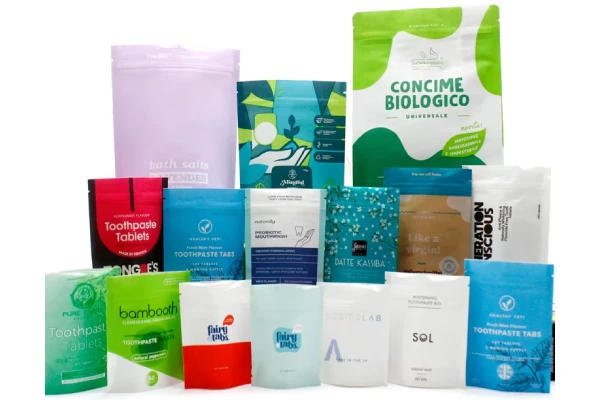
BN PACK’s Biodegradable Bags show you how to meet these rules. They also show how you can lead in responsible design.
State | EPR Law Details |
|---|---|
California | New rules for plastic bag bans, food waste, and textile EPR programs. |
Colorado | Producer Responsibility Program for Statewide Recycling Act is approved. The program starts in 2026. |
EPR Impact on Packaging Designers
Regulatory Pressure and Daily Work
New laws now affect how you work as a packaging designer. These rules make you think about your designs in new ways. You have to find and share correct information about your packaging. You also need to keep up with new rules about being more eco-friendly. This makes your job harder. You must now use lifecycle assessments when you design. You try to make packaging better for the planet and still meet what customers want.
Here are some ways your daily work is different:
You gather and share packaging data to follow epr laws.
You change your designs to reach new recycling and green goals.
You use lifecycle assessments to check your packaging’s impact.
You try to meet both customer needs and new rules.
You help your company follow extended producer responsibility laws.
Your work now uses new ideas and plans. The table below shows how you change for epr laws:
Strategy/Innovation | Description |
|---|---|
You use one type of material to make recycling easier and lower costs. | |
Lightweighting and design simplification | You use fewer parts to help the planet and save money. |
Substituting materials | You pick better materials that can be recycled more easily. |
Designing for collection systems | You make packaging that works with return programs and is easy to recycle. |
Improving sortability | You change colors or looks so recycling centers can sort packaging better. |
Reuse and refill systems | You design packaging that people can use again or refill. |
Better consumer communication | You add simple instructions so people know how to recycle. |
Reducing composite materials | You use less labels or emboss logos to help recycling. |
New Designer Responsibilities
You now have more jobs because of epr laws. You must make packaging that follows strict recycling and waste rules. You keep track of packaging data for each state. You make sure your designs follow rules for recycling. Some rules ban certain materials or charge more for packaging that does not follow the rules.
The table below shows your new jobs:
Responsibility | Description |
|---|---|
Design-for-recyclability mandates | You make packaging that follows recycling laws and avoids banned materials. |
Reporting requirements | You set up ways to track and share packaging data for epr laws. |
Extended producer responsibility laws also change your job in the product’s life. You help take care of packaging after people use it. You design packaging that can be recycled or composted. Your work helps cut down on waste and supports health and the environment.
Understanding Extended Producer Responsibility
EPR Goals and Enforcement
Extended producer responsibility helps make packaging safer for the planet. EPR laws give you and other designers clear goals. These goals ask you to use better materials and cut down on waste. You must follow rules that move waste costs from people to companies. Your packaging needs labels that match what can be recycled. EPR laws push you to find new ideas and help clean up places hurt by packaging waste.
Here is a table that shows the main goals of EPR programs:
Goal | Description |
|---|---|
Reduction Targets | Cut down single-use plastics and use better materials. |
Shifts the Cost Burden | Producers pay for waste management, not consumers. |
Clarity and Consistency | Use recycling labels only on things that can be recycled easily. |
Encourages Innovation | Make new packaging ideas that help the planet. |
Funds Mitigation | Give money to clean up places hurt by packaging waste. |
You must register your packaging before you sell it in many places. You keep records and show proof that your packaging follows EPR laws. Agencies check your work and may give penalties if you break the rules. You need to keep documents for up to ten years. These steps make sure you take care of your packaging and help recycling.
Key Regulatory Trends
EPR laws change fast. More countries now use strict laws instead of just suggestions. Many places use national rules and eco-modulated fees. These fees depend on how well your packaging helps the planet. The United States wants a national EPR system to help recycling and lower waste. Countries in Asia and the Pacific also make EPR laws required. You must keep up with these changes to avoid problems and stay ahead.
New laws in states like California, Oregon, and Colorado say you must register, share data, and pay fees based on how much packaging you use. Maine changed its law to focus only on packaging that people get. Oregon wants you to pay fees to help improve recycling systems. These trends show EPR laws will keep growing and changing. You need to watch for updates and change your packaging to follow the rules.
Designer Responsibilities Under EPR
Compliance Requirements
As a packaging designer, you now have new jobs because of epr laws. You must follow strict rules to show you care about packaging waste. These laws say you must sign up with producer responsibility groups and send in data every year. You need to keep track of how much and what kind of packaging you use. You also pay fees that depend on how eco-friendly your packaging is. The fees are higher if your packaging is hard to recycle or has toxic stuff.
Here is a table that lists the main rules you must follow:
Key Compliance Requirement | Description |
|---|---|
Mandatory producer registration | Register with a producer responsibility group or state office. |
Annual data submissions | Send in detailed data about packaging amount, type, and materials. |
Eco-modulated fee structures | Pay fees based on how easy it is to recycle your packaging. |
Coverage of various industries | Follow epr laws for food, online shopping, and personal care. |
Implementation timelines | Meet deadlines that start in 2025 and go through 2030. |
You must collect and report correct packaging data. You keep track of the type and amount of packaging, like main, extra, and shipping packaging. You sort materials by how easy they are to recycle using the Recyclability Assessment Methodology. You write down how packaging moves and include data about reusable packaging and what it is made of. You use government websites to send in your data. You must send data on time for each country and update your numbers and fees when needed.
Here is a table that shows what you need to do for reporting:
Requirement Type | Description |
|---|---|
Data Collection | Find all packaging materials and keep track of type and amount used. |
Reporting Obligations | Send in data about all packaging sold, how recyclable it is, and recovery numbers. |
Geographic Data | Report where packaging is sold and thrown away to follow national epr rules. |
Financial Contributions | Give data about payments made to national recycling and waste programs. |
Supplier Information | Be clear about where you get your packaging materials to help with following the rules. |
You must look for recyclability symbols on your packaging. You find materials that are not easy to recycle and think about using something else. You check your packaging design to make sure it can be used again, recycled, or is biodegradable. You pick simple designs that use less material and make less waste. You keep your packaging strong and safe while still following epr rules.
Tip: Use certified biodegradable bags, like those from BN PACK, to help reach recycling goals and support green product designs.
Collaboration Across the Supply Chain
You cannot meet epr rules by yourself. You need to work with brands, suppliers, and recyclers to make packaging that follows the laws. Working together helps you find new ways and materials that are better for the planet. You share info with suppliers to get eco-friendly materials. You talk to recyclers to make sure your packaging works in recycling systems.
Working with others helps you keep up with changing laws. You work with suppliers who give you green packaging materials and help with epr goals. You team up with other designers to make packaging that works well and is good for the planet. You work with recyclers to make packaging easier to sort and recycle. You keep talking with everyone to fix problems and meet the rules.
Here are some good ways to work with others in the supply chain:
Look for recyclability symbols and recycled content labels on your packaging.
Find and swap out materials that are hard to recycle.
Work with suppliers to get green materials and try new ideas.
Check if your packaging can be used again, recycled, or is biodegradable.
Pick simple designs to make less waste.
Team up with other designers to make green packaging.
Work with suppliers who help with epr goals.
Keep packaging strong while making it better for the planet.
You are important in extended producer responsibility. You help your company follow the rules and support waste management. You help the planet by picking better packaging and working with others to reach recycling goals.
Packaging Types and Eco-Friendly Solutions
Materials Affected by EPR
Many packaging materials now have strict rules. These rules focus on things that pollute or are hard to recycle. You should know which materials are most affected. This helps you make better choices for packaging.
Polystyrene (Styrofoam): Used for food and protection.
PVC (polyvinyl chloride): Hard to recycle and can harm health.
PFAS (“forever chemicals”): Banned in packaging in many states.
Single-use checkout bags: Thin plastic and paper bags.
Single-use straws and utensils.
Oversized e-commerce packaging: Laws want smaller packages.
These materials make recycling and caring for the planet harder. You should avoid them in your packaging designs. This helps you follow new laws.
Here is a table that shows how these materials hurt the environment:
Environmental Impact | Description |
|---|---|
Plastic Pollution | Plastic waste hurts oceans and animals. |
Harmful Additives | Chemicals like PFAS and phthalates make recycling tough and add poison. |
Recycling Challenges | Contaminants can make new toxic stuff during recycling. |
Emissions from Production | Most plastics come from oil, which causes pollution. |
Material Safety | Many plastics have things that can make people sick. |
BN PACK Biodegradable Bags for Compliance
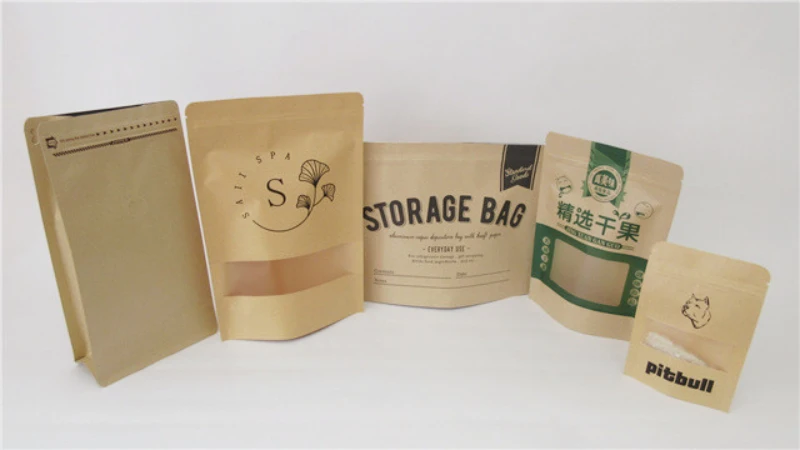
You can use BN PACK’s Biodegradable Bags to follow epr laws. These bags use plant-based materials and compostable polymers. They are strong and safe. They break down naturally. BN PACK’s bags have certifications like DINplus, EN13432, OK Compost, and ASTM D6400. These show you meet global rules for extended producer responsibility.
BN PACK’s Biodegradable Bags help you follow laws in the EU, California, and China. You see QR codes on the bags. These codes link to recycling instructions for your area. Soy-based inks meet China’s GB-9685 standards. You can use these bags for food, coffee, clothes, and pet food.
Here is a table with important features and certifications:
Feature | Description |
|---|---|
QR Codes | Link to recycling instructions for each place. |
Soy-based Inks | Meet green standards in China. |
EPR Laws | Follow EU and California rules. |
DINplus, EN13432 | Certified for composting and breaking down. |
OK Compost, ASTM D6400 | Meet strict composting rules. |
When you pick certified biodegradable materials, you help the planet. You help your company follow epr laws. You show you care about the environment.
Tip: Choose packaging with trusted certifications. This makes following the rules easier and helps your brand look greener.
EPR Compliance Steps for Designers
Staying Informed on Regulations
You have to know about new packaging laws. These laws change a lot and are not the same everywhere. Each country or state can have different rules. You should look for updates from trusted websites and talk to your team. Online guides and websites help you learn about new laws. Some good places to check are Repurpose Global, PCX Markets, and Recyda. These sites give you tools and guides about extended producer responsibility and epr laws.
Resource Name | Description | Link |
|---|---|---|
Repurpose Global | Guides and compliance platforms for EPR regulations | |
PCX Markets | Detailed guide on California’s EPR law and enacted states | |
Recyda | Platform for recyclability assessments and compliance standards |
Tip: Join groups and read new reports to learn about packaging laws.
Data Tracking and Reporting
You need to keep track of your packaging from start to finish. This helps you follow epr laws and show proof you did it right. Use templates to write down what materials you use and how much. Software and reporting tools make this job easier. These tools help you collect data, find mistakes, and make reports for each place. Some companies use blockchain to keep records safe and easy to check.
Here are some steps you can follow:
Make a system to collect data on packaging and weights.
Use software to keep and organize your data.
Check your data to make sure it is right before sending.
Send your reports on time to follow epr laws.
Designing for Sustainability
You help make packaging better for the earth. Pick materials that can be recycled or break down in nature. Simple designs and clear labels help recycling and lower your costs. Try to use only one material and do not mix plastics or glues. Use parts that come apart easily to help with recycling. Many epr laws now say packaging must be recyclable, so using green materials is needed.
BN PACK’s biodegradable bags are a good example of green packaging. These bags break down on their own and meet world standards. When you use things like this, you help your company follow the law and show you care about the earth.
Note: Keep learning and changing with new laws to stay ahead and keep your packaging legal.
You help make a circular economy work. Your main jobs under epr are eco-design, following rules, and working with producer responsibility groups. The table below shows your chances to do better:
Opportunity | Benefit |
|---|---|
Proactive compliance | Save money and avoid fines |
Sustainable design choices | Make your brand look better |
Ongoing education | Stay ahead in your field |
Keep learning about new rules and changes. Picking things like BN PACK’s Biodegradable Bags helps you be a leader in good packaging.