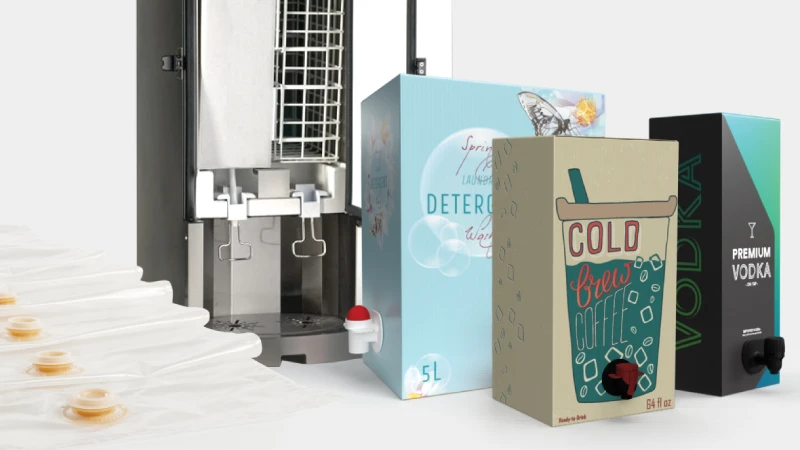
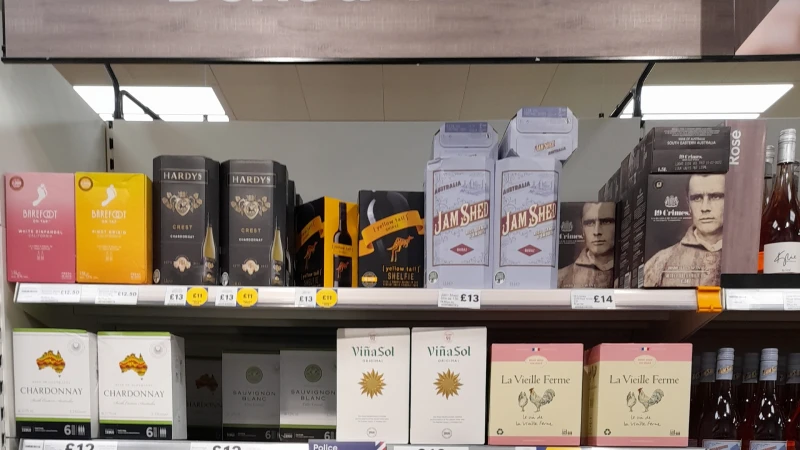
You see bag-in-box packaging getting noticed in stores everywhere. Many stores like this packaging because it saves money and is better for the planet. It also keeps products fresh for longer. Some people still like old packaging, such as bottles and cans.
This is true for fancy products. Packaging matters a lot when people decide what to buy. People talk about how easy, green, and cheap packaging is. Stores say bag-in-box packaging saves space and keeps things fresh. But there are problems too. Some people do not know much about it. Other packaging types compete with it.
Advantages | Concerns |
|---|---|
Saves money | Not many people know about it |
Good for the planet | Costs a lot at first |
Keeps products fresh longer | Hard to move through supply chain |
Works in many industries | Other packaging is competition |
Bag-in-Box Packaging Advantages
Sustainability and Eco-Friendliness
People want packaging that is good for the planet. Bag-in-box packages are a smart choice for many foods and drinks. BN PACK makes these packages with less plastic and more things you can recycle. When you pick bag-in-box, you help make less trash and support green goals.
Bag-in-box packaging makes less pollution than bottles or cans.
You use up to 86% less plastic than hard containers.
Most of a 3-liter bag-in-box is made from corrugated board. This board can be recycled, comes from trees, and breaks down in nature.
Many bag-in-box bags can also be recycled.
If you switch to bag-in-box, you pick an earth-friendly choice. You help brands reach their green goals and show you care about nature. BN PACK’s design helps make food and drink packaging better for the planet.
Convenience and User Experience
People want packaging that is easy to use. Bag-in-box packages make it simple to store and pour drinks and food. BN PACK’s flexible packages have taps, valves, and spouts. You can pour drinks or sauces without lifting heavy bottles or spilling.
Benefit | Description |
|---|---|
Efficient product evacuation | You use almost all the product inside, so nothing goes to waste. |
Product freshness | The packaging keeps out air, so your food and beverages stay fresh longer. |
Ease of Use | The box shape and spigot make it easy to dispense beverages and food without spills or hassle. |
You get more from each package. You enjoy fresh drinks and food with less work. Bag-in-box packaging is made to give you a better experience every time.
Cost and Efficiency
People want packaging that saves money and works well. Bag-in-box packaging uses less stuff, so it costs less to make. You pay less to ship because the packages are lighter. BN PACK’s solution helps you save on moving and storing products.
Bag-in-box packaging uses up to 85% less plastic than bottles or cans. You see lower costs for making and moving products. Stores see that bag-in-box takes up less room in storage. You help cut costs in the food and drink business.
People like packaging that is good for the planet. You support brands that care about nature and save money too. BN PACK’s solution gives you value and works well.
Tip: Picking bag-in-box packaging helps you save money and support green goals.
Product Protection and Shelf Life
People want packaging that keeps food and drinks safe and fresh. BN PACK’s bag-in-box packages use layers to block air and light. The inside pouch stops oxygen and light from getting in. You keep food and drinks fresh for longer and waste less.
Layers in the package keep out air and light.
Taps that seal tight stop germs from getting in.
The closed system keeps your food and drinks safe from spoilage.
Studies show bag-in-box packaging helps food like wine and olive oil last longer. You get better quality and food that stays fresh. BN PACK’s solution helps you enjoy fresh products every time.
Study | Findings | Packaging Type | Quality Parameters Monitored |
|---|---|---|---|
Fu, Lim, and Mcnicholas | Quality of white wine stays high after opening | Kinetics of main quality parameters | |
Abbadi et al. (2014) | Packaging material affects olive oil quality | Glass, HDPE, tin, PET | Acidity, peroxide value |
You can trust bag-in-box packaging to keep your food and drinks safe. BN PACK’s packaging is made to keep everything fresh and protected.
Consumer and Retailer Feedback

Consumer Perceptions
More people are picking bag-in-box packaging in stores. Many say this packaging makes shopping easier. Taps and strong boxes help you pour drinks or sauces without spills. People like packaging that keeps food and drinks fresh. They also care about packaging that is good for the planet. Many want packaging that uses less plastic and more things you can recycle. Packaging can make you want to buy from the same brand again. If you find packaging that works well, you will buy it again.
People often compare bag-in-box packaging to bottles and cans. You might think bag-in-box is lighter and easier to carry. Many say they like packaging that saves space in the kitchen. Packaging with clear labels and strong boxes helps you trust the product. Packaging is important when you decide what to buy.
Retailer Experiences
Stores see many good things when they use bag-in-box packaging. You notice that this packaging helps stores save money and space. Stores say it is easy to stack and move. Taps let stores serve drinks fast. Stores also say bag-in-box keeps products fresh longer, so there is less waste.
Here is what stores say about bag-in-box packaging:
Benefit/Challenge | Description |
|---|---|
Sustainability | Bag-in-box packaging is made from things you can recycle. It uses much less plastic and makes less trash. |
Cost-effectiveness | This packaging is easy to move, so stores spend less on shipping and make less CO2. |
Efficiency | The design keeps products fresh longer and helps stores waste less when pouring. |
Market Demands | Stores have a hard time keeping up with what shoppers want, like green packaging and easy use. |
Regulatory Issues | New rules about single-use plastics make it harder for stores to try new ideas. |
Stores in over 100 countries trust BN PACK for packaging. You see BN PACK’s packaging in many stores, which means lots of people like it.
Usage Trends
Bag-in-box packaging is getting more popular. More people and stores pick this packaging for drinks, sauces, and other things. Market data shows that drinks use this packaging the most. You find packaging with taps in places like restaurants, where you can pour just what you need. Packaging without taps is not as common and is used for special things.
Segment | Description |
|---|---|
Beverages | Drinks use bag-in-box the most. The packaging keeps out air and light. |
With Tap | Taps help you pour just the right amount. Stores and restaurants like this. |
Without Tap | Not used as much. Mostly for special uses. |
The market for bag-in-box packaging is $4.49 billion in 2024. The market grows by 7% every year. More people and stores want packaging that saves money and helps the planet. There is more need for this packaging in food, drinks, and factories. Trends show people now care more about saving money and helping the planet when they shop.
Note: When you pick bag-in-box packaging, you help a growing trend in stores and help shape how people buy things in the future.
Bag-in-Box Market Trends
Market Growth and Demand
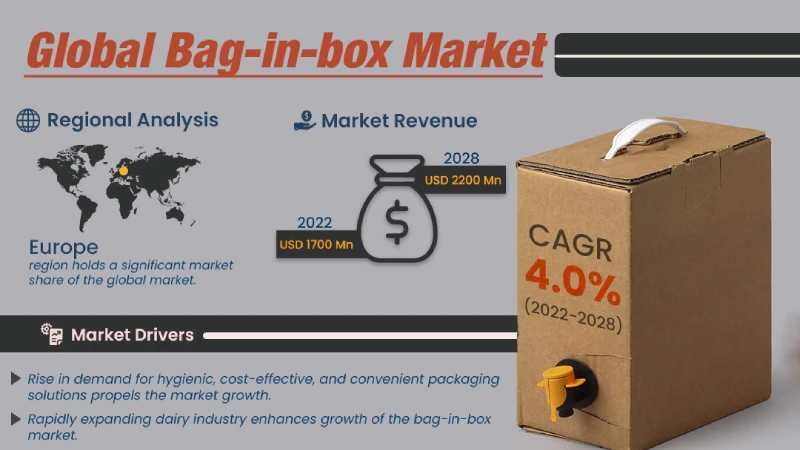
The bag-in-box market is getting bigger every year. In 2024, it was worth $4.58 billion. Experts think it will reach $7.38 billion by 2032. This means you will see more bag-in-box packaging in stores soon. The market grows by 6.22% each year. Asia-Pacific has the biggest share at 38.43% in 2024. North America is growing even faster, with a 9.7% rate expected from 2026 to 2033.
More people want bag-in-box packaging for food and drinks. The market will be worth $3.5 billion in 2025. By 2032, it will reach $5.0 billion. People like packaging that is easy and good for the planet. More stores use bag-in-box because it saves space and cuts waste. BN PACK helps this growth by making flexible packaging for many businesses.
The bag-in-box market gets bigger because people want green packaging.
You see more bag-in-box packaging in stores and restaurants.
Food and drink companies pick bag-in-box for saving money and keeping things fresh.
Product Categories and Applications
Bag-in-box packaging is used in many places. Food and drinks use most of the bag-in-box market, over 68%. You see these packages for juice, wine, milk, and sauces. Other uses are for industrial liquids, household items, and cosmetics. You also see bag-in-box packaging in cleaning supplies and personal care products.
BN PACK makes bag-in-box packaging for lots of uses. You can choose the size and fitment you want. This makes it easy to use bag-in-box packaging in stores, restaurants, or factories. One packaging type can work for many things.
Food and drinks use most bag-in-box packaging.
Industrial and household items use this packaging too.
Cosmetics and personal care items use bag-in-box for easy pouring.
Innovations and Developments
New ideas come to the bag-in-box market every year. Companies try to make packaging better for you and the planet. Here are some new things:
Innovation Type | Description |
|---|---|
Recycle-ready films | Packaging is easier to recycle, which helps the earth. |
Hybrid packaging formats | These use different materials for more strength and better use. |
Smart dispensing systems | These keep food fresh and make pouring simple. |
Connector fitments | These work with dispensers to cut waste in stores and restaurants. |
SIG Terra RecShield | This new material does not use aluminum, so it can be recycled. |
You get packaging that closes again and keeps food fresh longer. Barrier films help keep food safe and easy to use. The bag-in-box market grows because people want green solutions. BN PACK leads with new packaging that fits what you need in stores and food.
Tip: If you pick bag-in-box packaging, you help new ideas that protect the planet and make life easier.
Packaging Challenges and Criticisms
Recyclability and End-of-Life
You might wonder what happens to packaging after you use it. Many people want packaging that does not hurt the earth. In stores, recycling is a big deal. Some packaging uses stuff that is hard to recycle. Other packaging uses things that can break down or be recycled. More brands are starting to use these better materials now. BN PACK uses recyclable and biodegradable materials for its packaging. This helps you make green choices and throw away less. When you pick this kind of packaging, you help stores be cleaner and greener.
Tip: Always look to see if your packaging can be recycled or will break down. Doing this helps the earth.
Operational Considerations
Stores have some problems when they use bag-in-box packaging. Some people think bag-in-box means the product is not good. This idea started with wine. Now, more brands use bag-in-box for good products, but some people still think it is low quality. You also have to be careful with the inner bag. If you are not careful, it can get holes and leak. This can make food go bad and cause waste. Stores also have to follow many rules. These rules are different in each place. Sometimes you need labels in two languages or special thickness. Stores must keep up with these rules so they do not get in trouble.
BN PACK helps with these problems. The company makes packaging that follows rules and uses strong materials. This helps you do your job and keeps products safe.
Potential Drawbacks
There are some problems with retail packaging. Some packaging costs more at first. Workers may need to learn how to use new packaging. Other types of packaging compete with bag-in-box. Some people do not know much about bag-in-box packaging. This can make stores switch slower. The industry tries to teach people why green packaging is good. You can help by learning and telling others.
Stores keep changing. You will see more focus on helping the earth and better packaging. BN PACK is a leader by making packaging that is safe, strong, and good for the planet.
Packaging Comparison
Bag-in-Box vs. Bottles and Cans
You see many choices for retail packaging in stores. Bag-in-box stands out when you compare it to bottles and cans. You get lighter packages that are easier to carry and store. This helps you save money on shipping and makes work easier in retail. Bag-in-box also keeps food and drinks fresh for longer after you open them. You use less plastic, which is better for the planet.
Here is a simple table to show the differences:
Feature | Bag-in-Box | Bottles |
|---|---|---|
Recyclable | Yes | Varies |
Weight | Lighter | Heavier |
Freshness after open | Longer shelf life | Shorter shelf life |
Bag-in-box packaging uses 54% less plastic than PET bottles and cuts carbon emissions by 40%. You find that this type of retail packaging is less expensive to make and move. In some places, like Scandinavia, people already like bag-in-box for food and drinks. Other places are starting to catch up as they see the benefits in retail.
Bag-in-Box vs. Cartons and Pouches
You may wonder how bag-in-box compares to cartons and pouches. Bag-in-box packaging helps you cut down on waste in retail. When you use fewer layers or combine packages, you make less trash. For example, some companies report a 75% drop in packaging waste when they switch to flexible bags. This saves energy and materials in food packaging.
Bag-in-box packaging has significant waste reduction potential, as eliminating one of the two packages can greatly decrease waste. For instance, Malt-O-Meal reports a 75% reduction in packaging waste by using plastic bags instead of boxes, which also reduces energy and material consumption.
Many shoppers think flexible retail packaging is unique and easy to use. Most people say they would switch from old boxes to new, recloseable bags. The flat bottom design of pouches lets them stand up and hold more food without falling over. You get more convenience and better protection for your food in retail.
Where Bag-in-Box Excels
You see bag-in-box packaging shine in many retail situations. You can stack these packages easily, which saves space in warehouses and stores. The rectangular shape lets you fit more units on a pallet, making transportation more efficient. You use fewer resources, and the packaging is both biodegradable and recyclable. The lightweight design and easy-pour spigot make it simple for you to use at home or in retail settings.
You lower transportation costs with lightweight bags.
Quick filling and sealing help you save on labor in retail.
The growing need for green retail packaging supports market growth.
Bag-in-box works well for food, drinks, and other products in retail.
Tip: If you want retail packaging that saves space, cuts costs, and protects food, bag-in-box is a smart choice.
Retail packaging gives you many good things in stores. It helps you save money and keeps food fresh. It is also better for the planet. But there are some problems too. You may need to learn new ways to use it. You might have to change how you do things. Retail packaging is getting more popular every year. By 2035, it could be worth over 10 billion dollars. You should pay attention to these changes:
Retail packaging tries to help the earth.
Retail packaging is used in lots of businesses.
Retail packaging brings new looks and ideas.
You can pick retail packaging to help your business grow and keep up with new needs.