You see the demand for sustainable packaging rising every year.
The sustainable packaging market could reach $423.56 billion by 2029, with a compound annual growth rate of 7.67%.
Many consumers now choose brands that use sustainable solutions, with 90% showing a preference for eco-friendly packaging.
Millennials and Gen Z lead the shift, with over half purchasing products with sustainable packaging.
Flexible packaging technology helps you meet these expectations.
Recent studies show that packaging designed to be reusable, compostable, or recyclable continues to gain importance, especially as new regulations encourage sustainable practices.
Innovation and customization support your goals for a better environment. When you choose sustainable materials and designs, you help reduce waste and support a healthier planet. These advancements let you create packaging that fits your brand and protects your products, all while following sustainable practices.
Flexible Packaging Technology Innovations
Smart Packaging Solutions
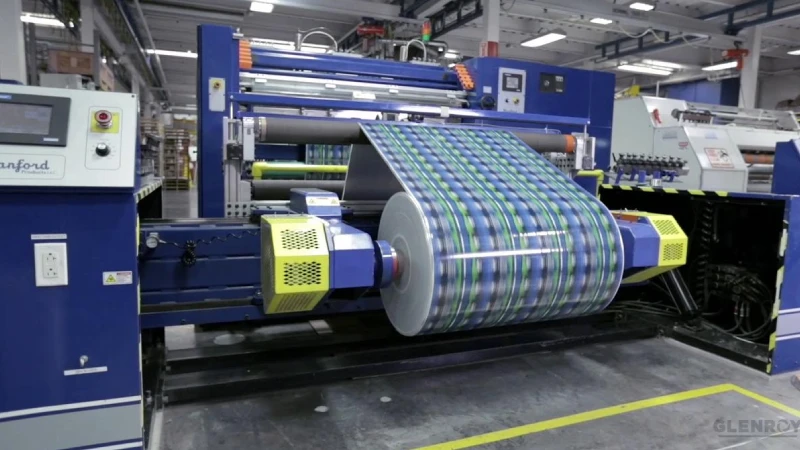
You see flexible packaging technology changing how you protect and present products. Smart packaging solutions now use active and intelligent features to improve shelf life and reduce waste. Active packaging interacts with the environment, helping food stay fresh longer. Intelligent packaging uses digital tools for tracking and consumer engagement. You can find labels that signal when products near expiration, making inventory management easier. Sensors detect spoilage, so you know when food is safe to eat.
Smart packaging helps you cut food waste and optimize supply chains. You use eco-friendly materials, which lowers your environmental impact.
Benefit | Description |
|---|---|
Reducing Food Waste | Smart packaging uses technology to monitor shelf life, significantly cutting down on food waste. |
Optimizing Supply Chains | Enhances efficiency in logistics, reducing resource consumption. |
Eco-friendly Materials | Incorporates recyclable and biodegradable materials, lowering environmental impact. |
Brands work with suppliers to improve sustainability in flexible packaging. For example, a partnership between Amcor and Bulldog led to a major reduction in plastic content and increased use of recycled materials. You can see how flexible packaging technology supports both quality and sustainability.
BN PACK leads with flexible packaging solutions that include user-friendly features like easy tear options and ergonomic handles. You benefit from competitive advantages, cost savings, and improved brand visibility. Their management team fosters a culture of sustainability and innovation, helping you meet market demands.
Advanced Materials and Bioplastics
Flexible packaging technology now uses advanced materials and bioplastics to support sustainable practices. You see new materials like Polylactic Acid (PLA) and Polyhydroxyalkanoates (PHA) in flexible packaging. PLA comes from corn starch and offers versatility and biodegradability. PHA, made by microorganisms, gives you durability and flexibility. These bioplastics have better barrier properties and increased durability, making them strong competitors to traditional plastics.
Bioplastics come from renewable resources, so they have a lower carbon footprint than traditional plastics.
They are designed to be biodegradable, breaking down naturally and avoiding long-term pollution.
Manufacturing bioplastics often requires less energy, which means lower carbon emissions.
Some bioplastics are compostable, giving you sustainable end-of-life solutions.
You choose flexible packaging with bioplastics to reduce your environmental impact. BN PACK leads with environmentally friendly innovations, aligning with your sustainability goals. Their creative designers balance aesthetics and practicality, while production experts ensure high-quality standards. Quality control specialists use strict inspection protocols to guarantee packaging quality.
Digital Printing for Sustainability
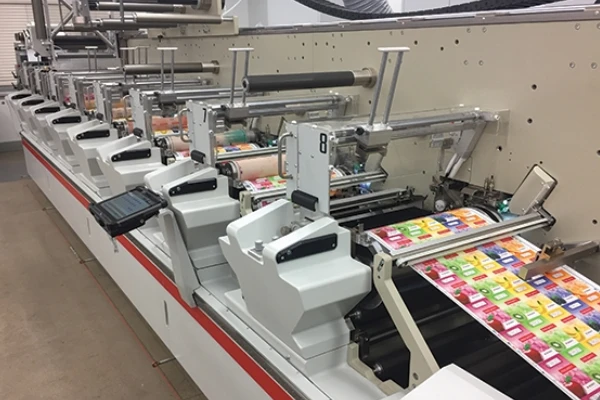
Digital printing has transformed flexible packaging technology. You use digital printing to create packaging that meets sustainability demands. This method requires fewer resources and less energy, lowering your carbon footprint. You can print on mono-material packaging, which supports recyclability. New ink formulations improve the performance of these materials.
Digital printing reduces food waste by allowing resealable packaging.
It extends product shelf life and provides consumer convenience.
You need less energy and fewer resources for production.
Transportation produces fewer carbon emissions because packaging is lighter.
Flexible packaging with digital printing lets you respond quickly to market trends. You can customize designs and create innovative packaging that stands out. BN PACK uses digital workflow for design and order management, giving you smart customization options and transparent pricing. Their commitment to innovation and quality helps you build your brand and meet sustainability targets.
Sustainable Packaging Innovations and Trends
E-Commerce and Customization
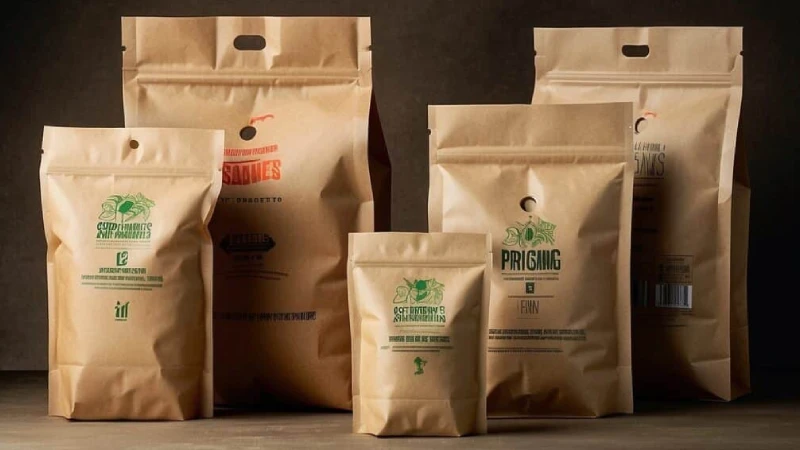
You see e-commerce changing how you think about packaging. Online shopping has increased the need for lightweight, cost-effective, and sustainable packaging. Many brands now choose recyclable materials and fiber-based solutions instead of traditional plastics. This shift helps you meet both environmental goals and customer expectations.
Trend Description | Impact on Sustainable Packaging |
|---|---|
Shift towards recyclable materials | Increased preference for eco-friendly packaging |
Rise of e-commerce platforms | Demand for lightweight and cost-effective packaging |
Innovations in packaging technology | Enhanced sustainability in packaging options |
You want your products to arrive safely and look appealing. Customization lets you add features like shock-absorbing inserts, resealable closures, and unique graphics. These options create a positive unboxing experience and help your brand stand out. BN PACK supports your needs with custom designs, fast production, and sustainable materials. Their flexible packaging solutions help you reduce waste and improve shipping efficiency.
Regulatory Compliance
You must follow strict rules when you use packaging. Governments around the world set high standards for sustainable packaging. The European Union’s Packaging and Packaging Waste Regulation (PPWR) sets ambitious recycling and waste reduction targets. In the United States, Extended Producer Responsibility (EPR) laws require producers to fund recycling systems and promote curbside recycling.
Regulation | Region | Key Features |
|---|---|---|
Extended Producer Responsibility (EPR) | US | Producers cover 90% of recycling costs, promote recycling access |
Packaging and Packaging Waste Regulation (PPWR) | EU | High targets for recycling and waste reduction, harmonized requirements |
BN PACK helps you stay compliant with global standards. Their certifications include BRCGS, TÜV Rheinland, and ISO 9001. They use QR codes for recycling instructions and soy-based inks that meet China’s GB-9685 standards. You can trust their packaging to meet regulations in Europe, North America, and beyond.
Consumer Demand for Eco-Friendly Solutions
You notice more shoppers want sustainable packaging. Studies show that 73% of consumers try to reduce their environmental impact. Over 80% say they will pay more for products with sustainable packaging, and Gen Z leads this trend. Brands respond by pledging to use 100% recycled packaging and by adopting eco-friendly practices.
33% of shoppers choose products from environmentally responsible companies.
58% prefer reusable or recyclable packaging.
92% consider sustainability important when choosing a brand.
BN PACK listens to your needs and offers sustainable packaging that matches your values. Their eco-friendly options help you attract loyal customers and build a responsible brand image.
Sustainable Packaging Practices in Key Sectors
Food and Beverage
You see the food and beverage industry leading the way in sustainable packaging practices. Many companies now use plant-based packaging, aluminum cans, and bioplastics to reduce their environmental impact. Carlsberg Group, for example, introduced Snap Pack technology. This innovation eliminates plastic rings on beer cans, cutting plastic waste by 76% and saving over 1,200 tons of plastic each year. You benefit from these changes because they also lower transportation costs and carbon emissions.
Flexible packaging technology gives you more options for keeping food fresh and safe. You can choose packaging with oxygen protection, moisture control, and light shielding. These features help prevent spoilage and maintain the taste and quality of your food.
Feature | Benefit |
|---|---|
Oxygen Protection | Prevents oxidation, protecting taste, texture, and nutritional value of food. |
Moisture Control | Keeps products crisp and prevents mold growth by blocking humidity and moisture. |
Light Shielding | Protects light-sensitive products from degradation during transport and storage. |
You also find resealable and airtight packaging options. These help you use only what you need and keep leftovers fresh, which reduces food waste. Regulations now encourage you to use recyclable materials and clear labeling. Extended Producer Responsibility programs hold you accountable for packaging waste, so you must focus on recyclability and responsible practices.
Flexible packaging offers convenience and helps you minimize waste. You can store food safely and use it over time, which supports your sustainable goals.
Coffee Bag Solutions by BN PACK
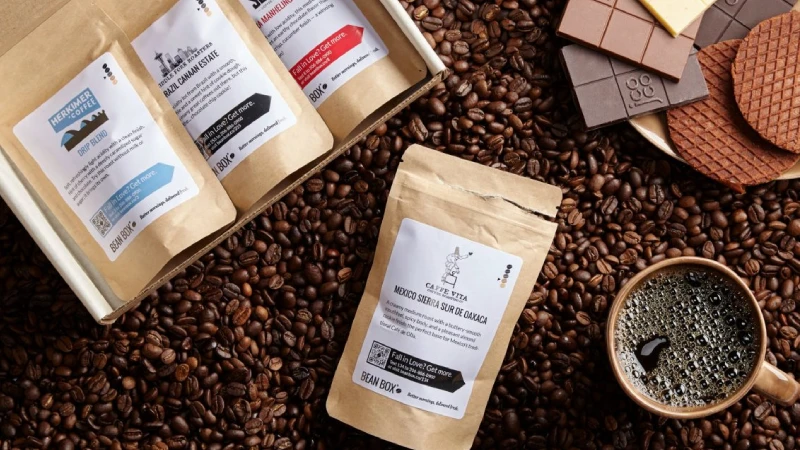
You want your coffee to stay fresh and your brand to stand out. BN PACK’s coffee bag solutions set a high standard for sustainable packaging practices in the coffee industry. You can choose from compostable, recyclable, kraft paper, and rice paper bags. Each option supports your sustainability goals and helps you meet consumer demand for eco-friendly packaging.
Type of Bag | Sustainability Feature |
|---|---|
Compostable Coffee Sample Bags | Break down naturally in commercial composting facilities. |
Recyclable Coffee Sample Bags | Crafted from advanced recyclable materials. |
Kraft Paper Bags | Offers a natural aesthetic and can maintain freshness. |
Rice Paper Coffee Sample Bags | High-barrier ensures optimal aroma retention. |
You gain measurable environmental benefits when you use BN PACK’s coffee bags. The biodegradable materials break down naturally, reducing waste. Recyclable packaging helps you lower your environmental impact. FSC certification ensures that the materials come from responsibly managed forests, supporting forest health and carbon absorption.
The use of biodegradable materials helps you reduce your environmental footprint.
Recyclable packaging supports your waste reduction efforts.
FSC certification shows your commitment to sustainable sourcing.
BN PACK’s coffee bags also offer resealable closures, degassing valves, and high-barrier layers. These features keep your coffee fresh and aromatic, while supporting your sustainable packaging practices. You can customize your packaging to reflect your brand and appeal to eco-conscious consumers.
Pharmaceuticals and Healthcare
You face unique challenges in the pharmaceuticals and healthcare sector. The industry has a significant carbon footprint, producing about 52 million metric tons of CO2 each year. You see growing pressure to adopt sustainable packaging practices and reduce waste. About 70% of consumers say they will pay more for sustainable packaging, so you need to meet this demand.
Flexible packaging technology helps you address these challenges. You can use recyclable flexible packaging and materials with lower carbon footprints. Organizations like CiPPPA work to promote recycling and reduce packaging waste in the pharmaceutical sector. Their mission focuses on enabling recyclability for primary pharmaceutical packaging, which is essential for minimizing environmental impact.
You also see innovative packaging solutions like the EnteraLoc™ medical-fluid device, which uses flexible, standup pouches. This design reduces material use and supports sustainability. FlexFilms’ F-ISB-M BOPET film replaces traditional materials with a recyclable option, aligning with global trends in sustainable packaging.
The NHS in the UK now requires a minimum 10% net zero and social value weighting in procurements. This shift encourages you to choose sustainable packaging and recyclable flexible packaging for healthcare products.
Cosmetics and Retail
You notice rapid change in the cosmetics and retail industries as brands adopt sustainable packaging practices. Many companies now use refillable pouches, in-store refill stations, and returned packaging programs. These innovations help you reduce plastic use and promote recycling.
Refillable pouches let you refill your original containers, cutting down on single-use plastics.
In-store refill programs, like those at The Body Shop, encourage you to reuse containers.
Returned packaging programs, such as Lush’s, reward you for bringing back empty containers for recycling.
Biodegradable and dissolvable packaging options decompose naturally, minimizing environmental impact.
Minimalist packaging uses only essential materials, reducing waste and enhancing shelf appeal.
Waterless beauty products eliminate the need for liquid-specific packaging, further reducing waste.
You also see packaging innovations like edible packaging, mushroom-based materials, and plant-based plastics. These options support your sustainability goals and improve recyclability. Recyclable flexible packaging and water-soluble designs make it easier for you to minimize waste and protect the environment.
By choosing sustainable packaging and recyclable flexible packaging, you help shape a greener future for cosmetics and retail. You meet consumer demand for eco-friendly products and support responsible business practices.
Challenges and Opportunities in Sustainable Packaging
Recyclability and End-of-Life
You face several challenges when you try to recycle flexible packaging. The recycling process for multilayer packaging is complex. You need to separate different layers and sort materials, which increases costs. The quality of collected flexible films is often lower than bulkier plastics, making recycling less efficient. Inks and additives can also contaminate the recycled material, reducing its value.
Challenge | Description |
|---|---|
Complexity of recycling | Multilayer packaging requires separation and classification. |
Economic barriers | High costs make recycling less attractive. |
Contamination | Inks and additives lower the quality of recycled materials. |
Supply-demand imbalance | Not enough demand for recycled films compared to supply. |
You see new solutions emerging. Advanced recycling technologies and improved ink formulations help increase recyclability. Collaboration among brands, recyclers, and suppliers is essential. When you choose materials like polyethylene, you lower emissions and resource use compared to alternatives. You can also select packaging that is easier to recycle or compost, supporting sustainable practices at the end of a product’s life.
Cost and Supply Chain
You may notice that sustainable packaging sometimes costs more at first. The price of collecting, sorting, and processing flexible films can be high. Recycled resin often costs more than new resin. Smaller businesses may feel these costs more strongly. However, you gain long-term benefits from sustainable practices. You reduce waste management fees and may receive incentives from suppliers or local governments.
Sustainable packaging helps you stay ahead of regulations.
As more companies adopt sustainable practices, costs are expected to decrease.
You can form partnerships with innovative suppliers to improve your supply chain.
Rethinking material use and design can lower your carbon footprint and enhance your brand’s credibility.
You see that sustainable practices are now a strategic focus for supply chain leaders. By working with partners like BN PACK, you can access cost-effective, sustainable solutions tailored to your needs.
Consumer Awareness
You play a key role in educating consumers about sustainable packaging. Many people want to make eco-friendly choices but may not know how. You can use storytelling to connect emotionally with your audience. Cause marketing and educational content help raise awareness. Social media and workshops are effective tools for sharing information about sustainable practices.
Offer incentives for customers who choose sustainable packaging.
Collaborate with other brands to build trust and credibility.
Use packaging made from compostable, edible, or recycled materials to reinforce your commitment.
Measure and communicate your impact to show progress.
BN PACK leads by example. The company uses renewable and recyclable materials, customizes packaging for different industries, and holds certifications like FSC and BPI. By adopting these practices, you can build consumer trust and support a more sustainable future.
Future of Sustainable Packaging
Emerging Technologies
You will see new technologies shape the future of sustainable packaging. Virtual twin technology lets you design and test packaging digitally. You can run simulations to find the best structures and materials. This process saves resources and helps you create lighter, more eco-friendly packaging.
Virtual twin technology enables packaging manufacturers to design and test new materials and structures digitally, allowing for extensive simulations that reduce the need for physical prototypes. This approach not only saves time and resources but also leads to the development of lighter, more sustainable packaging solutions.
You will notice a shift toward reducing plastic and using more eco-friendly materials. Many companies now use biodegradable materials and monomaterial designs. Smart packaging uses sensors to monitor freshness and spoilage. Digital printing allows you to personalize packaging and produce small batches. These advancements support design for recyclability and waste reduction. New solutions like ultrathin barrier liners improve recyclability and offer dual end-of-life options, such as recycling or composting. You can expect more sustainable materials and eco-friendly packaging in the years ahead.
Circular Economy
You play a key role in building circular economy models for packaging. You can rethink plastics to make them easier to recycle. You can also innovate multilayer films to improve barrier performance while using eco-friendly materials.
A circular packaging design involves careful material selection and innovative design strategies that aim to eliminate waste, extend packaging lifespan, and promote the reuse of materials, all while ensuring the packaging remains functional and protective.
Durability: You choose packaging that resists damage and reduces waste.
Reducibility: You select suppliers who use fewer materials.
Recyclability: You use wood, paper, or other biodegradable materials to support the circular economy.
You can work with organizations that focus on sustainable practices. By using eco-friendly materials and design for recyclability, you help close the loop and reduce environmental impact. Life cycle assessment tools help you measure the environmental benefits of your choices.
Long-Term Impact
You will see many long-term benefits when you adopt sustainable packaging. You save money by reducing waste management costs. You build brand loyalty as customers trust your eco-friendly practices. You also drive innovation in product design and manufacturing.
Significant cost savings from reduced waste management expenses.
Enhanced brand loyalty due to increased customer trust in sustainable practices.
Innovation in product design and manufacturing processes.
Compliance with regulatory requirements and differentiation in the marketplace.
You meet new regulations and stand out in the market. Sustainable packaging supports your environmental goals and helps you achieve waste reduction. Life cycle assessment shows how your choices lower your environmental footprint. By using eco-friendly packaging and biodegradable packaging, you protect the environment for future generations. You lead the way in sustainable business practices by choosing design for recyclability and sustainable materials.
You see flexible packaging and sustainable packaging innovations changing industries. These advancements help you protect products, reduce waste, and build trust with consumers. You can explore BN PACK’s sustainable packaging solutions to improve your brand’s impact.
To succeed, you should focus on these steps:
Design for utility and enhance the consumer experience.
Listen to feedback and adjust packaging solutions.
Think about your audience’s lifestyle when choosing features.
Make sustainability a priority in every decision.
Test new formats and measure their results.
You lead the way by adopting sustainable packaging and flexible packaging strategies that support long-term success.